Montana Hunting Outfitters Near Miles City
Trying to navigate the vast landscape of Montana's hunting opportunities can feel like an overwhelming task, especially when you're zeroing in on a specific region like Miles City. It's tough to know where to start, what to expect, and how to find a reputable outfitter who truly understands the local terrain and game. This guide is here to cut through the confusion, offering a deep dive into finding and choosing the right hunting outfitters near Miles City for your next big adventure, focusing on what makes this Eastern Montana region unique.
Why Consider a Guided Hunt Near Miles City
Miles City sits in a fascinating part of Montana, a transition zone where the vast, rolling plains meet the rugged badlands and river bottoms. This isn't the steep, high-elevation elk country many imagine when they think "Montana." Instead, it's a diverse habitat that offers incredible opportunities for species like whitetail deer, mule deer, and antelope, with a good population of black bear too. Trying to figure out the nuances of hunting this particular landscape on your own, especially if you're coming from out of state, can be a real challenge.
The Unique Landscape of Eastern Montana
The terrain around Miles City is vastly different from the high mountains of Western Montana. Here, you'll find expansive prairies, agricultural fields, coulees, and the vital river bottom ecosystems along the Yellowstone and Tongue Rivers. These river bottoms are whitetail havens, dense with cover and crucial food sources. The surrounding plains and breaks, like those found in the nearby Missouri Breaks Hunting Guide, are prime habitat for mule deer and speed goats. Knowing how to read this type of country, understand animal movements, and pinpoint public access can take years of experience. An outfitter who lives and breathes this region provides an invaluable shortcut to success.
Imagine spending days trying to navigate unfamiliar private land boundaries, or trying to understand where the mule deer are bedding in the countless draws, only to come up empty. A local outfitter has likely hunted these same parcels for decades, knows the landowners, and understands the intricate patterns of the local game. They've scouted pre-season, set up blinds, or have a network of contacts that simply isn't accessible to a DIY hunter just arriving in the area. This local knowledge is the true currency of a successful hunt in this unique environment.
Species Focus in the Miles City Area
While Montana is synonymous with elk, the Miles City area shines brightest for other big game animals. It's often lauded for its robust populations of whitetail deer, which thrive in the riverine habitats, and strong numbers of mule deer and antelope on the more open, broken ground. Black bears are also present, often found in timbered areas within the river bottoms or breaks. If your dream hunt involves chasing a mature whitetail buck along a meandering river or spotting antelope across vast plains, Miles City offers some fantastic options.
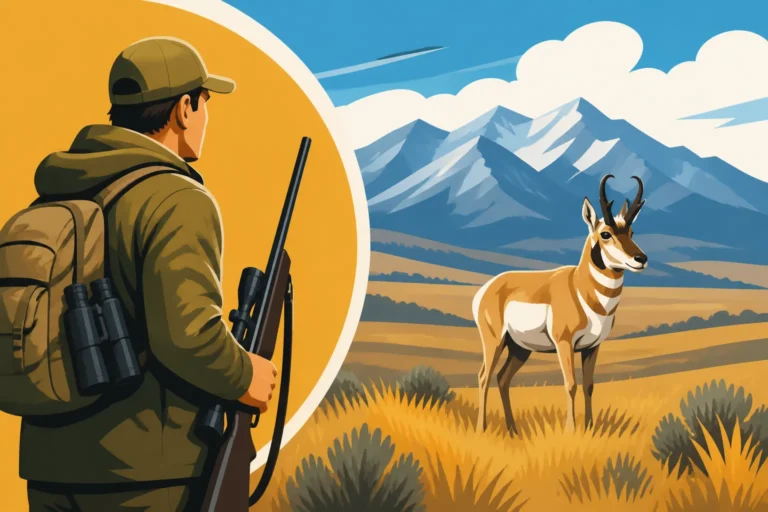
For those interested in Montana Antelope Hunting Guide, the open country around Miles City provides classic spot-and-stalk opportunities. The vastness requires optics and patience, and an outfitter can guide you to productive areas that might otherwise go unnoticed. Similarly, Montana Whitetail Deer Hunting Guide is a specialty here. Outfitters will often have access to prime river bottom properties or block management areas, increasing your odds significantly compared to trying to find public access on your own. They know the subtle signs of deer movement, the preferred bedding areas, and the precise timing of the rut, offering insights that only come from years of dedicated observation.
What to Look for in a Miles City Hunting Outfitter
Finding the right outfitter isn't just about finding someone with an open calendar; it's about finding a partner who aligns with your hunting goals, operates ethically, and has a proven track record in the specific region you want to hunt. Near Miles City, this means an outfitter deeply familiar with Eastern Montana's unique challenges and opportunities.
Licensing and Reputation are Paramount
First and foremost, any outfitter you consider must be fully licensed and insured in Montana. This isn't just a formality; it's a legal requirement that protects both you and the outfitter. A legitimate outfitter will be transparent about their licensing and should be able to provide proof. You can often verify this information through the Montana Board of Outfitters website. This ensures they operate under state regulations, which often include safety standards and ethical hunting practices. Don't skip this step! It's your first line of defense against potential issues.
Beyond basic licensing, reputation is everything. In the hunting world, word travels fast. Ask for references, preferably from hunters who have recently used their services for the specific type of hunt you're interested in (e.g., a whitetail hunt near Miles City, not an elk hunt across the state). Social media groups, hunting forums, and dedicated review platforms can also offer insights, but always cross-reference. Platforms like BookYourHunt can be a good starting point for finding vetted outfitters and reading reviews from past clients, giving you a broader perspective on their operations and client satisfaction.
Expertise in Local Game and Terrain
An outfitter advertising "Montana hunts" isn't enough when you're looking to hunt near Miles City. You need someone who is explicitly an expert in the Eastern Montana landscape and the species that thrive there. This means they understand the nuances of How to Hunt Antelope on Montana's Plains, How to Hunt Whitetail in Montana River Bottoms, or the best strategies for Montana Mule Deer Hunting Guide in the breaks. Their knowledge should extend beyond just where the animals are; they should understand seasonal movements, feeding patterns, and how local weather affects game behavior.
A skilled outfitter will be able to articulate their specific strategies for hunting the Miles City area. Are they primarily hunting public lands, Block Management Areas, or do they have private land access? Each comes with its own set of advantages and challenges, and their approach should match your expectations. For example, if you're hoping for a quieter hunt away from pressure, an outfitter who relies heavily on private leases or remote Block Management parcels might be a better fit than one focused solely on easily accessible public land.
Key Questions to Ask Potential Outfitters
Once you've narrowed down your list of potential outfitters near Miles City, it's time to dig deeper. Asking the right questions can clarify expectations, prevent misunderstandings, and ensure you make an informed decision that leads to a memorable and successful hunt.
Understanding the Hunt Logistics and Inclusions
This is where the rubber meets the road. Don't assume anything. What exactly is included in the hunt package? Does it cover meals, lodging, transportation during the hunt, and field care of your animal? What about trophy preparation and meat processing? Some outfitters offer "all-inclusive" packages, while others might have a more a-la-carte approach, where certain services are extra. It's crucial to get a clear breakdown in writing. For instance, ask about the nearest town they operate from – is it truly Miles City, or a smaller community hours away?
| Service/Item | Fully Guided Hunt (Typical) | Drop Camp Hunt (Typical) |
|---|---|---|
| Professional Guide | Yes | No (or limited assistance) |
| Meals | Yes (often cooked in camp) | No (you bring/prepare your own) |
| Lodging | Yes (lodge, cabin, wall tent camp) | Yes (tent, often set up for you) |
| In-hunt Transportation | Yes (truck, UTV, horses) | Limited (transport to/from drop point) |
| Field Care of Game | Yes (gutting, skinning, quartering) | No (you handle it all) |
| Game Packing Out | Yes (often included) | No (you pack it out) |
| Trophy Prep | Field cape, antler removal (often extra) | Minimal (you do most prep) |
| Meat Processing | Referral to local processor (usually extra) | Referral to local processor (usually extra) |
| Licenses & Tags | No (hunter's responsibility) | No (hunter's responsibility) |
Be sure to ask about guide-to-hunter ratios. Is it 1:1, 2:1, or higher? A lower ratio generally means more personalized attention. Also, clarify the duration of the hunt, typically quoted in hunting days, not travel days. Some outfitters might offer specialty hunts, like focusing on How to Hunt Elk Wallows in Montana if there's overlap in game, but in Eastern Montana, the focus will likely be deer and antelope.
Success Rates and Ethical Hunting Practices
When an outfitter talks about "success rates," clarify what that truly means. Is it a "kill rate" (animals harvested), or a "opportunity rate" (sightings or shot opportunities)? There's a big difference. An outfitter might have a high opportunity rate, but if hunters aren't converting those opportunities, it might speak to the difficulty of the hunt or the outfitter's realistic expectations. Ethical outfitters will be upfront about this. They should be able to provide data specific to their hunts, ideally broken down by species and weapon type (bow vs. rifle).
Also, discuss their hunting philosophy. Do they prioritize fair chase? What are their practices regarding wounded animals? Do they emphasize conservation and responsible land use? For example, if you're interested in Montana Archery Elk Hunting Guide in other parts of the state, you'd ask about specific archery tactics. Near Miles City, if you're bowhunting antelope, you'll want to know their strategy for How to Decoy Antelope in Montana or setting up ground blinds near water holes. An outfitter committed to ethical, fair-chase hunting will instill confidence and contribute to a more rewarding experience, regardless of whether you punch your tag. You can also research the overall Montana Hunting Seasons Explained to understand the general framework under which they operate.
Planning Your Hunt: Next Steps
Once you've chosen an outfitter near Miles City, the real planning begins. There's more to a successful hunt than just showing up. Thorough preparation, from understanding licensing to physical fitness, will significantly enhance your experience.
Licenses, Tags, and Application Timelines
This is a critical, and often complex, component of any Montana hunt. For non-residents, drawing tags can be a multi-year process, especially for some of the more coveted species. While outfitters often assist with the process, ultimately, securing your Montana Hunting Licenses Explained and tags is your responsibility. Understand the deadlines for applying for combination licenses, deer, antelope, and bear permits. Using resources like GoHunt can be incredibly helpful here, as they often provide detailed state-by-state breakdowns of application deadlines, draw odds, and preference/bonus point systems, which are vital for a successful application strategy.
Your outfitter should be able to advise you on the specific hunt codes or districts they operate in near Miles City. This information is crucial for your application. Many Eastern Montana districts have over-the-counter opportunities or more favorable draw odds for certain species compared to the high-demand units in the western mountains. Discuss this with your outfitter early in the process to ensure you're applying for the correct tags for the year you plan to hunt. Remember that Montana Nonresident License Draw Explained is a detailed process that needs careful attention.
Physical and Mental Preparation
Even if you're hunting the plains and river bottoms, a Montana hunt is rarely a walk in the park. Long days of walking, glassing, and potentially hiking through rugged coulees or thick brush require a reasonable level of physical fitness. Eastern Montana can also experience extreme weather swings, from hot, dry conditions to sudden snowstorms. Being physically prepared means you'll be more comfortable, more effective, and safer during your hunt. Consider developing a Montana Elk Hunt Fitness Plan, even if you're not chasing elk, as many of the principles of endurance, strength, and stamina apply across all big game hunting.
Beyond the physical, mental preparation is key. Hunting, especially for big game, involves patience, perseverance, and the ability to adapt to changing conditions. A guided hunt is a service, but it's still your hunt. Be realistic about your expectations. Not every hunt ends with a harvest, but every hunt offers an experience. Embrace the challenges, learn from your guide, and appreciate the incredible opportunity to be out in Montana's wild spaces, even in the Eastern Plains.
Essential Gear for a Miles City Hunt
The gear you bring will directly impact your comfort and success. While your outfitter might provide a general packing list, it's wise to tailor it to the specific conditions around Miles City. High-quality optics are crucial for spotting game on the open plains or picking apart river bottom cover. Appropriate layers for varying temperatures, sturdy boots, and reliable rain gear are non-negotiables. Don't forget a good backpack for carrying essentials, water, and for packing out meat should you be successful. For a detailed overview, you might find a Montana Backcountry Hunting Gear List helpful, focusing on the core items that translate across different terrains, like durable clothing, navigation tools, and first-aid supplies.
Always double-check your weapon and ammunition. Ensure your rifle is sighted in and you're proficient with it at typical hunting ranges for the species you're pursuing. If bowhunting, practice regularly to ensure your setup is tuned and you can make ethical shots. Communication with your outfitter about specific gear recommendations is invaluable, as they know the local conditions best.
Disclaimer
This article is for general informational purposes only and does not constitute professional advice. Laws, prices and regulations vary by location and change over time. Consult a qualified professional for guidance on your specific situation.