How to Hunt Montana’s General Rifle Season
The crisp Montana air during the general rifle season is something truly special, but let's be honest, it can also be incredibly daunting. With changing weather, increasing hunter pressure, and animals transitioning from the rut, it feels like the goalposts are always moving. This comprehensive guide is here to cut through the confusion, offering practical strategies and insights to help you navigate the nuances of Montana's general rifle season and increase your chances of a successful hunt.
Understanding Montana's General Rifle Season
The general rifle season in Montana is a highly anticipated time for many hunters, offering a wide array of opportunities for various big game species. However, it's not without its complexities, especially for those new to the state or seasoned veterans looking to refine their approach. Knowing the regulations and understanding the unique challenges and opportunities this season presents is foundational to any successful trip.
Key Dates and Regulations
Montana's general rifle season typically kicks off in late October and runs through the Sunday after Thanksgiving, usually landing in the last week of November. This means you're often hunting in conditions that can range from mild, crisp autumn days to full-blown winter blizzards. These dates are consistent for many game animals, including elk and deer, but it’s absolutely critical to confirm the exact dates and specific regulations for the particular hunting district (HD) you plan to hunt. Regulations can change annually and vary by district, so always consult the most current Montana Fish, Wildlife & Parks (FWP) hunting regulations.
Your general elk or deer license allows you to hunt most units during this period, but some districts require special permits (often obtained through a draw) or have specific antler point restrictions. For instance, some areas might be "antlered elk only" or have specific rules about minimum antler points, while others might allow for the harvest of antlerless animals with specific B licenses. It's a patchwork, and misunderstanding these details can lead to a ruined hunt or, worse, a violation. This is where diligent pre-season research, perhaps even utilizing tools like GoHunt for their comprehensive research platform, can make all the difference in making sure you’re squared away with the rules. Familiarizing yourself with the nuances of the Montana General Rifle Season Dates is an essential first step.
General Season Challenges and Opportunities
Hunting during the general rifle season means you're entering the woods when hunter numbers are at their peak. This increased pressure can scatter animals, push them into thicker cover, or completely change their movement patterns. Combine this with the unpredictable Montana weather, which can dump feet of snow one day and offer bluebird skies the next, and you've got a recipe for a truly challenging, yet rewarding, experience. The rut, for elk especially, is often winding down or completely over by late October, meaning those vocal, careless bulls of early archery season are now much quieter and more cautious.
Despite these hurdles, the general season also presents unique opportunities. A fresh blanket of snow can be a hunter's best friend, revealing tracks that tell a story of recent animal movement and helping you pinpoint bedding and feeding areas. Animals pushed by pressure often seek refuge in remote, steep, or incredibly thick timber, creating opportunities for those willing to work harder and go deeper. The later part of the season can also coincide with winter migrations, where animals move from high country to lower-elevation winter ranges, sometimes concentrating in specific drainages or private land borders. Understanding how to hunt elk in Montana snow can be a game-changer when those winter storms roll in.
Essential Gear and Preparation for Rifle Season
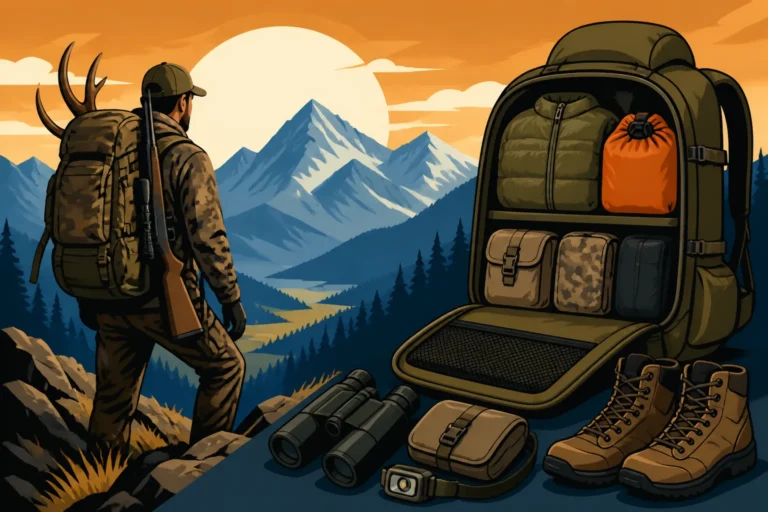
You wouldn't go into a fight unprepared, and a Montana rifle hunt is no different. The right gear, meticulously chosen and properly maintained, isn't just about comfort; it's about safety, efficiency, and ultimately, success. From the rifle in your hands to the boots on your feet, every piece of equipment plays a critical role in tackling the Big Sky Country.
Rifle, Ammunition, and Optics
When it comes to your rifle, reliability and accuracy are paramount. For Montana's diverse terrain and robust game animals like elk and mule deer, popular calibers often include the .300 Winchester Magnum, .30-06 Springfield, 7mm Remington Magnum, and .28 Nosler. These calibers offer sufficient energy and flatter trajectories for potential longer shots in open country, while still being effective in timber. Whatever caliber you choose, ensure it's one you can shoot accurately and comfortably. Recoil shouldn't be a distraction.
Ammunition choice is equally crucial. Look for premium, controlled-expansion bullets designed for big game, such as Barnes TSX, Nosler AccuBond, Hornady ELD-X, or Federal Terminal Ascent. These bullets retain their weight and penetrate deeply, increasing your chances of a clean, ethical kill. Before you ever step foot in the field, thoroughly sight in your rifle, ensuring it's dead-on at your preferred zero range (e.g., 200 yards) and that you understand its ballistic performance out to practical hunting distances. Consider practicing from various field positions, not just off a bench. How to Sight In for a Montana Elk Hunt
Your optics package is your window into the wild. A high-quality rifle scope with excellent low-light gathering capabilities (think 3-9×40, 4-12×40, or similar variable power) is essential. For glassing vast landscapes, a good pair of 10×42 or 12×50 binoculars are indispensable. If you plan to hunt more open, expansive country for species like mule deer or antelope, adding a spotting scope (20-60x or 15-45x) will save you countless steps and help you evaluate animals from a distance. Look for brands known for their clarity, durability, and warranty, as Montana hunting can be tough on gear.
Clothing, Footwear, and Navigation
Montana weather is notoriously fickle, especially during the general rifle season. One day could be warm and sunny, the next a blizzard with temperatures plummeting below zero. A layered clothing system is non-negotiable. Start with a moisture-wicking synthetic or merino wool base layer, add an insulating mid-layer (fleece or puffy), and top it with a waterproof and windproof outer shell. This allows you to adjust to changing conditions, staying warm when active and preventing chilling when stationary. Don't forget quality gloves or mittens, and a warm hat that covers your ears.
Footwear must be waterproof, insulated, and provide excellent ankle support for navigating uneven, steep, and potentially snowy terrain. Brands like Kenetrek, Schnee's, or Crispi are popular for their robust construction and performance in rugged mountain environments. Break your boots in long before your hunt to avoid painful blisters.
For navigation, don't rely solely on cell service – it's often non-existent in prime hunting areas. A dedicated GPS unit, like a Garmin inReach or GPSMAP series, is vital. Pair this with a robust mapping app on your smartphone, such as onX Hunt or GoHunt's mapping features. These apps allow you to download offline maps, mark waypoints, track your movement, and clearly identify public and private land boundaries. Always carry a physical map and compass as a backup, and know how to use them. These tools are critical for safely navigating the vastness of Montana, especially when combined with good E-Scouting Montana Hunting Units before you leave home.
Backpack Essentials and Safety
Whether you're planning a day hunt or a multi-day spike camp, your backpack is your lifeline. For day hunts, a 2,000-3,500 cubic inch pack is usually sufficient to carry extra layers, food, water, and emergency gear, plus have room for meat if you're successful. For longer backcountry ventures, you'll need a larger pack, perhaps 5,000 cubic inches or more. Look for a pack with a strong frame that can comfortably carry heavy loads, as packing out an elk quarter will quickly test its limits.
Inside your pack, prioritize safety and game recovery. A basic survival kit should include fire starters, a headlamp with extra batteries, an emergency shelter (like a space blanket or lightweight tarp), and a signaling device. A comprehensive first-aid kit is crucial for treating minor injuries or stabilizing something more serious until help arrives. For game processing, carry sharp knives (a fixed blade and a folding utility knife with replaceable blades are a good combo), a sharpening stone, and plenty of clean, breathable game bags to protect your meat from dirt and flies. Never skimp on quality game bags; they are worth their weight in gold for preserving your harvest. Familiarize yourself with a comprehensive Montana Backcountry Hunting Gear List before you head out.
Strategies for Locating Game in General Rifle Season
Finding game during Montana's general rifle season requires a shift in mindset from earlier seasons. The rut is mostly a memory, hunter numbers are up, and the weather is getting serious. Successful hunters understand these changes and adapt their strategies to locate animals that are now often more wary and seeking refuge.
Adapting to Post-Rut Behavior
By late October and November, the intense breeding activity of the elk rut has largely subsided. Bulls, exhausted from weeks of chasing cows and fighting rivals, will often break off from the cow/calf herds. You'll frequently find them solo or forming small bachelor groups, seeking out secluded, north-facing slopes with dark timber or thick thermal cover where they can recover and regain lost weight. They'll be quiet, moving less, and focusing on feeding and resting. Hunting these areas requires patience and a keen eye for subtle sign, like rubs from late-season bulls or fresh tracks in the snow.
Deer, both mule deer and whitetails, also enter a post-rut phase, though whitetails often have a secondary rut activity later in November. Mule deer bucks, similar to elk bulls, will often retreat to thick, remote cover, especially in the breaks and badlands, to recover. They’ll still be focused on feeding, but their movements will be more covert. For whitetails, especially in river bottom country, they may still be actively chasing does in mid-November, making rattling and calling potentially effective. Regardless of species, understanding these behavioral shifts is key. You're no longer looking for loud, rutting animals, but rather for quiet, reclusive ones. Consider diving deeper into Montana Mule Deer Hunting: Rifle Tactics to refine your deer hunting approach.
Utilizing Snow and Weather Patterns
Snow is arguably the biggest game-changer during the general rifle season. A fresh snowfall offers an unparalleled advantage: tracks. Tracks reveal not only the presence of animals but also their size, direction of travel, and how recently they passed through. This allows you to differentiate between old, cold sign and fresh, hot sign, focusing your efforts where animals are actively moving. Tracking in the snow is an art form, demanding careful observation and an understanding of how animals move across terrain.
Beyond just tracks, significant weather events, particularly cold fronts and heavy snow, can trigger major animal movements. Elk and deer will often move to lower elevations, out of deep snow, or to areas with better forage. They might seek sheltered areas like south-facing slopes or thick timber stands to escape biting winds and extreme cold. Hunting during or immediately after a storm can be incredibly productive, as animals are often on the move, trying to feed or find better cover. Pay close attention to weather forecasts, as a coming storm can dictate animal behavior for days. This is a perfect example of when the strategies in How to Hunt a Cold-Front Elk Push in Montana become invaluable.
Hunting Public Land Pressure
Montana boasts vast expanses of public land, but during the general rifle season, many easily accessible areas will see significant hunter pressure. This pressure invariably pushes animals into more remote, difficult-to-reach, or overlooked pockets of cover. To find success, you often need to outwork other hunters. This means venturing deeper into the backcountry, exploring roadless areas, or focusing on terrain that deters casual hunters – steep slopes, dense timber, or thick brush.
Successful public land hunters often employ a strategy of hunting during weekdays, avoiding the weekend rush, or focusing their efforts later in the season when many hunters have given up. Using mapping tools like onX Hunt or GoHunt can help you identify areas with limited access points or significant distances from roads, which often correlate with lower hunter pressure. Don't be afraid to put miles on your boots. Animals often learn to associate roads and trails with danger, so getting off the beaten path into heavy cover is crucial. Hunting Montana Public Land Pressure effectively means going where others won't.
Effective Rifle Hunting Tactics
Once you've located game or identified promising areas, the next step is executing effective rifle hunting tactics. This isn't just about pulling a trigger; it's about mastering the approach, understanding animal behavior, and making the most of the terrain and conditions.
Spot and Stalk in Open Country
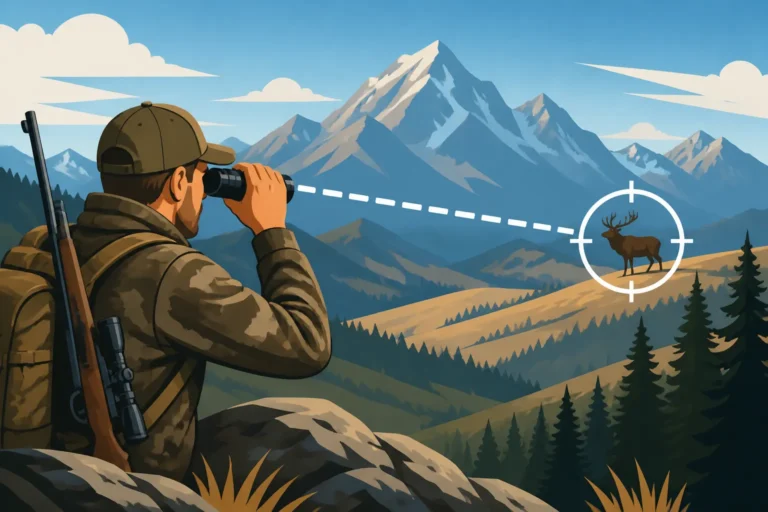
The spot-and-stalk method is incredibly effective in Montana’s more open, expansive landscapes, particularly for mule deer and sometimes for elk in open basins. It involves patiently glassing large areas from a high vantage point, spotting animals, and then carefully planning and executing an approach to get within shooting range. This requires high-quality optics, immense patience, and the ability to remain still for extended periods. When you're glassing Montana's Big Country, ensure you systematically grid-search areas, looking for a flick of an ear, a patch of hide, or an antler tine. Don't just scan; truly study the landscape.
Once an animal is spotted, the stalking phase begins. This is where your understanding of terrain, wind direction, and animal senses comes into play. Use natural contours, draws, and timber to conceal your movement. Always keep the wind in your favor, as an animal's nose is its most powerful defense. Move slowly, deliberately, and quietly, taking one step at a time, often stopping to re-evaluate the animal's position and your approach. If you intend to shoot long-range, ensure you've practiced extensively and understand your rifle's ballistic capabilities. Ethical long-range shooting is only possible with consistent practice and a clear understanding of your limits and the animal's vitals. How to Shoot Long Range at Montana Elk
Still Hunting and Driving Timber
When hunting in dense timber or brushy areas, the spot-and-stalk approach becomes impractical. Here, still hunting or organized timber drives come into play. Still hunting involves moving through the woods at an incredibly slow, deliberate pace, often taking only a few steps every minute or two, pausing to observe, listen, and scan. You're essentially moving through the animal's habitat, hoping to catch them unaware before they see or hear you. Focus on reading sign – tracks, rubs, fresh droppings – to determine areas of recent activity. Pay close attention to the wind, using it to mask your scent and sound.
For small groups of hunters, a timber drive can be effective, particularly for pushing animals out of thick bedding areas towards strategically placed standers. This tactic requires careful planning and communication to ensure safety and effectiveness. Drivers move slowly through the timber, making some noise but not running, while standers position themselves quietly along likely escape routes or natural funnels, always mindful of their shooting lanes and the locations of other hunters. Safety is paramount here; clear communication and strict adherence to established shooting zones are non-negotiable. Mastering How to Still-Hunt Montana Timber can be a productive method for getting into game.
Ambush Points and Natural Funnels
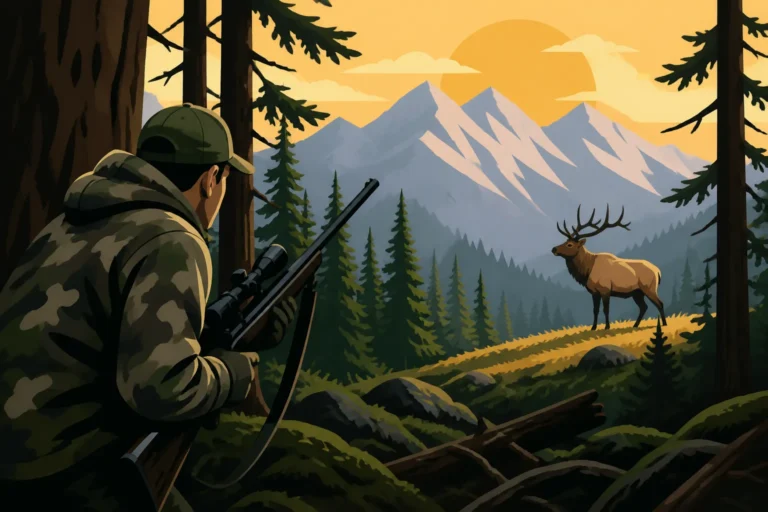
Animals, like people, are creatures of habit. They often use the same travel corridors, feeding areas, and bedding sites day after day. Identifying these natural funnels and ambush points can be incredibly effective, especially during the general rifle season when animals are seeking security and efficiency in their movements. Look for saddles between ridges, narrow draws that funnel movement, points of timber that extend into open parks, or trails leading to water sources. These are prime locations to set up an ambush.
Hunting these areas often involves being in position well before first light and remaining vigilant until after dark. Animals are most active during dawn and dusk, moving between bedding and feeding areas. Understanding how to use thermals in Montana Elk Country is critical here; in the mornings, thermals generally rise, carrying your scent uphill, while in the evenings, they fall, carrying your scent downhill. Position yourself accordingly to keep your scent from drifting into areas where animals are likely to approach. Scouting these locations beforehand, looking for fresh tracks, droppings, and rubs, will significantly increase your odds.
Field Dressing and Game Recovery
The shot is only the beginning of the hunt. Ethical hunting extends beyond the trigger pull to ensuring a quick, humane harvest and meticulous game recovery. The rugged terrain and unpredictable weather of Montana demand a well-thought-out plan for processing and packing out your animal.
Ethical Shot Placement and Tracking
A responsible hunter strives for an ethical shot that results in a quick, clean kill. For most big game, the ideal shot placement is the lung/heart area – a broadside or slightly quartering-away shot offers the largest target and best chance for a lethal hit. Avoid risky shots, especially at extreme distances, through thick brush, or if the animal is quartering-on. If you have any doubt about a clean kill, don't take the shot.
After the shot, resist the urge to immediately charge the animal. Give it time. For deer, 20-30 minutes is often sufficient, but for elk, especially a bull, waiting an hour or more can prevent pushing a wounded animal further into thick cover. Mark your shooting position and the last place you saw the animal. Begin tracking systematically, looking for blood, hair, bone fragments, and disturbed earth. Pay attention to the animal's tracks, which might indicate injury (e.g., dragging a leg). If the blood trail peters out, expand your search in concentric circles, looking for any clue. Recruit hunting partners to help with the grid search, ensuring no stone is left unturned.
Field Processing and Packing Out
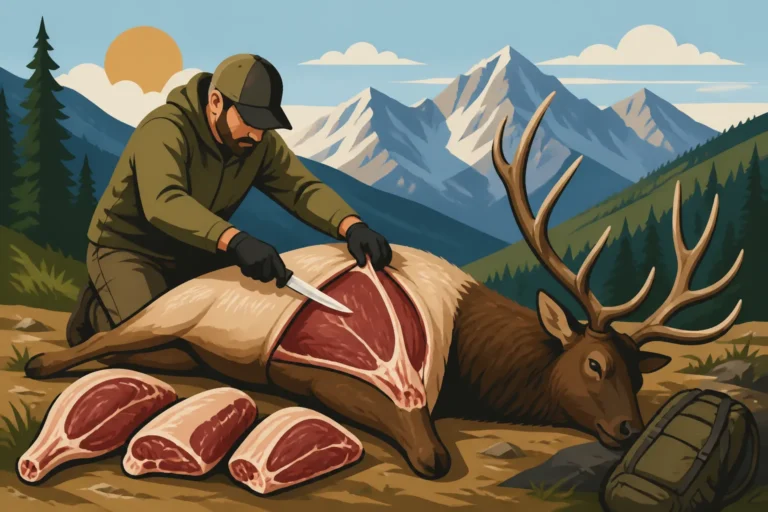
Once the animal is down, the clock starts ticking, especially in warmer early-season conditions or if you're deep in the backcountry. Rapid and efficient field processing is essential to preserve the meat. While traditional gutting is common, the "gutless method" has gained popularity, especially for large animals like elk in remote areas. This method involves removing the hide and deboning all four quarters, backstraps, tenderloins, neck meat, and anything else you intend to harvest, leaving the gut pile largely intact. This significantly reduces weight and mess.
Regardless of your method, use sharp knives, wear gloves, and work quickly to separate meat from bone and get it into clean, breathable game bags. These bags protect the meat from dirt, flies, and debris while allowing it to cool. Once the meat is bagged, spread it out in the shade, off the ground, to encourage rapid cooling. In Montana, keeping elk meat cool in early season can be a real challenge, so plan ahead.
Packing out an elk or a large mule deer in Montana's mountains is a monumental task, often requiring multiple trips or assistance from pack animals. Break the animal down into manageable loads. A sturdy pack frame is essential for carrying heavy, awkward quarters. Plan your route out carefully, considering terrain, daylight, and your physical condition. Don't push yourself to exhaustion; make multiple trips if necessary. Knowing How to Pack Out an Elk in Montana, especially if you're solo, is a skill you must prepare for.
Disclaimer
Hunting is an inherently dangerous activity. This guide provides general information and recommendations for hunting in Montana's general rifle season. It is essential to consult the most current Montana Fish, Wildlife & Parks (FWP) regulations, acquire the necessary licenses and permits, and prioritize safety above all else. Always inform someone of your hunting plans, carry appropriate safety and first-aid gear, and be prepared for rapidly changing weather conditions. The author and publisher are not responsible for any accidents, injuries, or legal issues that may arise from hunting activities.