Montana Hunting District 280 Overview
Hunting District 280 shows up on a lot of wish lists because it reaches into true wilderness, yet many hunters who study it on a map still can’t picture what hunting it is actually like. Is it a horse country hunt or a backpack hunt? What lives there, and what do the regulations look like? This overview walks through the terrain, the game, access, seasons and planning so you can decide whether HD 280 fits your style before you commit a fall to it.
Where HD 280 Sits and What the Country Looks Like
Region 2 and the Blackfoot Side of the Divide
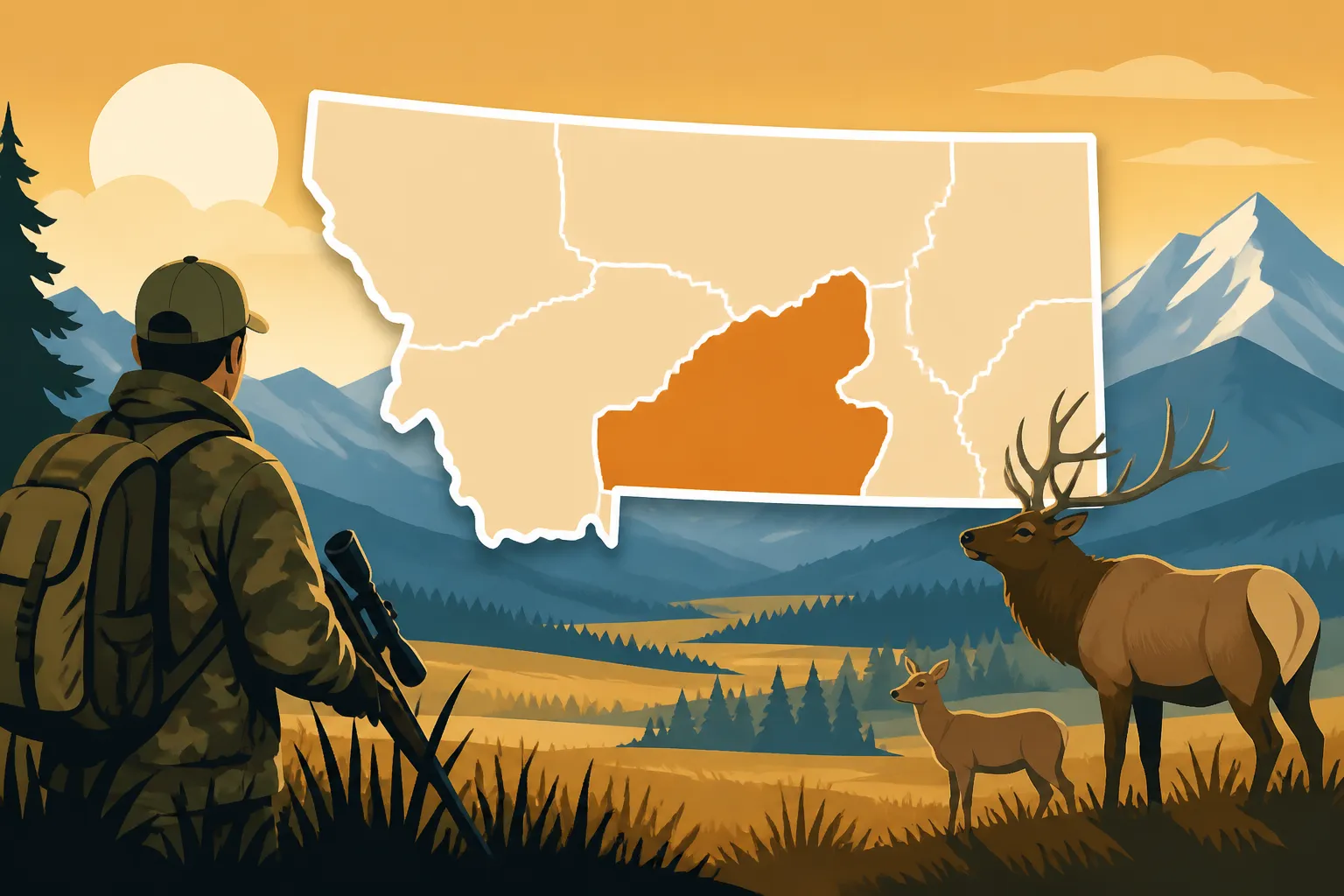
HD 280 is part of Montana Fish, Wildlife and Parks Region 2, the west-central region managed out of Missoula. The district takes in rugged backcountry on the north side of the Blackfoot Valley, reaching up toward the Continental Divide and into the Scapegoat Wilderness, with the North Fork of the Blackfoot River as one of its defining drainages. The small ranching communities of Ovando and Lincoln are the nearest towns for most hunters heading into this country.
District boundaries in Montana follow legal descriptions made of roads, ridgelines, rivers and survey lines, and they can change between regulation cycles. Before you plan anything, read the exact boundary description in the current FWP regulations and compare it against a map. If boundaries are new to you, How to Read Montana District Boundaries explains how to translate the legal language into lines on the ground. For the bigger regional picture, see Montana Region 2 Hunting Guide.
Terrain, Timber and Old Burns
Expect steep, timbered drainages, high open basins, limestone reefs and cliffs near the Divide, and large burned areas from past wildfires. Old burns are a defining feature across much of the Scapegoat and the adjoining Bob Marshall country. They can be miserable to travel through when deadfall stacks up, but the regrowth of grass and shrubs draws elk and deer, and the open sightlines help hunters who like to glass.
Lower in the district, the country transitions toward the Blackfoot Valley with a mix of timber, meadows and private ranchland. Elevation ranges widely, so in a single day you can move from valley-bottom creeks to wind-scoured ridges where snow arrives weeks earlier than it does at the trailhead.
Who This District Suits
HD 280 is best suited to hunters who are comfortable with long trail days, primitive camps and self-reliance. It rewards people who know how to read elk sign, who can glass for hours, and who are physically ready to haul meat. It is less suited to someone who wants to hunt from a truck or return to a motel every night. If that sounds like you, there are other Region 2 districts closer to roads that may be a better match; Best Montana Districts Near Missoula is a good comparison.
Game Species and Seasons
Elk
Elk are the primary draw. The district holds elk that summer in high basins and burns and then shift downslope as snow and hunting pressure build. In the early season, elk often stay in the upper reaches of drainages near water and good feed. Later, as snow piles up, many move toward lower country, and some leave the wilderness entirely for winter range in the valley.
That seasonal shift shapes strategy. In September, bulls are bugling and herds are spread across high basins, so covering ground, listening at dawn and glassing open burns tends to work. By the middle of the general rifle season, a good snow can start elk moving down migration routes along ridges and drainages, and hunters who know those routes can intercept them. In a dry, mild fall, though, elk may linger high in dark timber well into November, and the hunter who waits for them in the valley may wait in vain. Watch the snow levels and adjust instead of locking into one plan.
What your license allows in HD 280, for example a brow-tined bull, either sex, or any special permit requirement, is set in the regulations and can change between cycles. Check whether a general elk license is valid for the animal you want or whether a permit is required. Montana General Elk License Explained covers how the general license works across districts.
Mule Deer, Whitetails and Other Species
Mule deer use the high country in early fall, especially open burns, ridges and avalanche chutes, before migrating down as snow deepens. Whitetails are more common in lower, wetter country near the valley. Black bears are present, and the district lies within grizzly bear country, which shapes how you camp and handle meat. Mountain goats and moose occur in parts of this broader landscape, though hunting them requires special licenses where offered.
Hunting Pressure and Wilderness Camps
Wilderness does not mean empty. Outfitters operate permanent and seasonal camps in parts of this country, and private parties with stock often set up along main trails and in the larger meadows. Early season in particular can see a surprising number of people on the busiest routes. Elk respond by moving into steep, timbered side drainages, north-facing slopes and high benches that are inconvenient to reach on horseback.
The hunters who do well here usually look for those inconvenient pockets. If a main trail follows a valley bottom, the slopes several hundred feet above it, especially the steep, timbered ones with springs and small parks, often hold elk that most traffic passes right below. Glass those slopes at first and last light, then plan a careful approach with the wind and thermals in your favor.
Season Structure
HD 280 has been among a small group of Montana backcountry districts that offer an early backcountry rifle season beginning in mid-September, in addition to the standard archery and general rifle seasons. That early opportunity is one of the main reasons hunters target it, because it allows a rifle hunt while elk are still in their high summer and early fall range. Whether the early season applies in a given year, and which portions of the district it covers, is set in the regulations, so confirm before you plan around it.
| Season Type | General Timing | What to Expect |
|---|---|---|
| Archery | Early September into mid-October | Rut activity, warm days, heavy foot and horse traffic in wilderness camps |
| Early backcountry rifle | Mid-September in designated portions, where offered | Rifle hunting during the rut in wilderness country, long trail access |
| General rifle | Late October through late November | Snow, colder weather, elk moving lower and more concentrated |
For statewide season patterns, see Montana Elk Season Dates and Tags.
Access and Travel
Trailheads and Routes
Access into HD 280 is primarily by trail. Hunters commonly use trailheads in the North Fork Blackfoot area north of Ovando, the Monture Creek area, and other trailheads off the Blackfoot Valley and near Lincoln. From there, trails follow creeks and climb toward the Divide. Distances to good hunting can range from a few miles to a long day or more, depending on where you go.
Before you go, check trail conditions with the Forest Service and look at recent fire maps, since closures and blowdown can change routes from year to year. Mapping tools such as onX Hunt help you plot routes, see wilderness boundaries and private land, and save waypoints for camps and water. GoHunt is also a useful research tool for comparing districts and seeing terrain and harvest information before you choose one.
Horse Versus Backpack
Many hunters in this district use horses or mules, and the trailheads often fill with stock trailers in the fall. Stock make it easier to haul a camp deep into the wilderness and pack out meat. Food and feed regulations apply, including weed-free feed requirements and food storage orders in grizzly country.
Backpack hunters can do well too, especially if they are willing to hunt pockets that horse hunters overlook, such as steep side drainages or high benches away from main trails. Expect to work hard: packing an elk out of this country on your back can take multiple days. How to Hunt Montana with Horses and How to Pack for a Montana Backcountry Hunt cover both styles in detail.
Scouting Before the Season
Few hunters can scout HD 280 in person for many days before the season, so most of the groundwork happens on a screen. Start by mapping the main trails and trailheads, then look for burns of different ages, wet meadows, north-facing timber, and benches near water. Mark several potential camp sites near water but away from heavy game trails, and identify glassing points with broad views.
If you can make a summer trip, use it to check trail conditions, find water sources, and look for old rubs, wallows and trails. Even one weekend on the ground can save days of wandering during the season. Talking to a regional FWP biologist or a local game warden can also help you understand recent elk distribution and any changes in regulations. How to Scout a Montana Hunting District goes through a full scouting process.
Public and Private Land
Most of the core of HD 280 is national forest and designated wilderness, but the lower edges include private ranchland. Know exactly where private land begins, because trespass is a serious violation and landowner relationships matter in small communities. Use onX Hunt or a similar app to see ownership boundaries, and carry a backup map. How to Find Public Land in a Montana District explains how to research access.
Planning and Safety
Grizzly Country Rules
The Scapegoat and the surrounding wilderness are part of the Northern Continental Divide Ecosystem, which supports one of the largest grizzly populations in the lower 48 states. That means food storage orders apply, which typically require you to store food, attractants, and game meat in bear-resistant containers or hang them at specified heights and distances. Carry bear spray on your hip, hunt with a partner when possible, and approach carcasses and meat caches carefully, glassing first and making noise.
Weather and Self-Reliance
Early season can bring warm days and cold nights, with the occasional early snowstorm. By the general season, deep snow can close high passes and make trails treacherous. Carry layers, a reliable shelter, and a satellite messenger. Leave a trip plan with someone at home, including your trailhead, route and expected return date. Cell coverage is spotty to nonexistent once you leave the Blackfoot Valley, so do not count on a phone for anything but a camera and offline maps. Creek crossings can rise after heavy rain or early snowmelt, so know an alternate route back to the trailhead, and set a firm turnaround time each day so you are not navigating steep, deadfall-choked slopes after dark. For a checklist of precautions, read Montana Backcountry Hunting Safety Tips.
A Simple Planning Checklist
- Confirm the current HD 280 boundaries, seasons and license rules in the FWP regulations.
- Decide on horse or backpack access and plan your route from a specific trailhead.
- Research terrain and access using maps and digital tools, and mark potential camps, water, and glassing points.
- Check trail conditions, fire closures and food storage orders with the Forest Service.
- Prepare your gear for both warm days and winter storms, including bear spray and meat care supplies.
- Leave a detailed trip plan and carry a satellite communication device.
- Plan your meat pack-out before you shoot, and have a backup plan if weather changes.
Meat Care and Pack-Out Distances
The biggest logistical challenge in HD 280 is getting meat out. An elk killed five or more trail miles from the trailhead, possibly in a steep side drainage, can mean several heavy trips on foot even after the meat is boned out. Plan for this before you shoot. Ask yourself how far you are from camp, how far camp is from the trailhead, and whether you have enough help.
In the early season, warm afternoons make speed essential. Get the meat off the bone or into quarters quickly, place it in breathable game bags, and hang it in shade away from camp and the kill site. In grizzly country, meat caches should be placed and checked following the food storage rules, and you should approach them cautiously. If you do not have stock, consider arranging in advance with a licensed packer who can haul meat out for you, and confirm their availability for your dates.
A First-Trip Scenario
Imagine two friends planning their first trip into HD 280 for the early backcountry rifle season. They decide to backpack in from a trailhead north of Ovando, hike several miles to a basin they found while e-scouting, and set up a spike camp near a small creek. They spend mornings and evenings glassing burns and open slopes, and midday checking timbered benches for fresh sign.
On the third day, they find a herd feeding in a burn above camp. They get a bull down on a steep slope, take photos, validate the license, and bone out the meat. Over the next two days, they carry meat to the trailhead in several trips, hanging the rest in shade near camp. They come home tired, but with a full freezer and a better plan for next year. That is the kind of hunt HD 280 offers, and it is why preparation matters so much.
Disclaimer
This article is for general informational purposes only and does not constitute professional advice. Laws, prices and regulations vary by location and change over time. Consult a qualified professional for guidance on your specific situation.