Hunting the Gravelly Range
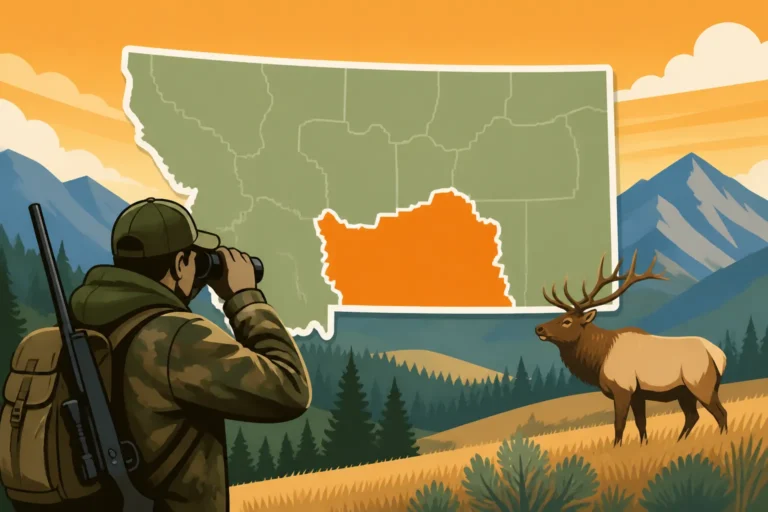
The Gravelly Range in Montana is one of those places that calls to a hunter's soul, promising solitude and the chance at a truly wild animal. Yet, the sheer scale and unforgiving nature of this southwestern Montana gem can quickly turn a dream hunt into a grueling struggle. With its towering peaks, dense timber pockets, and expansive open sage flats, knowing where to start and how to approach this unique landscape is paramount to success. This guide is your no-nonsense look at how to navigate, scout, and ultimately hunt the Gravelly Range effectively, turning its challenges into opportunities.
Understanding the Gravelly Range: A Rugged Overview
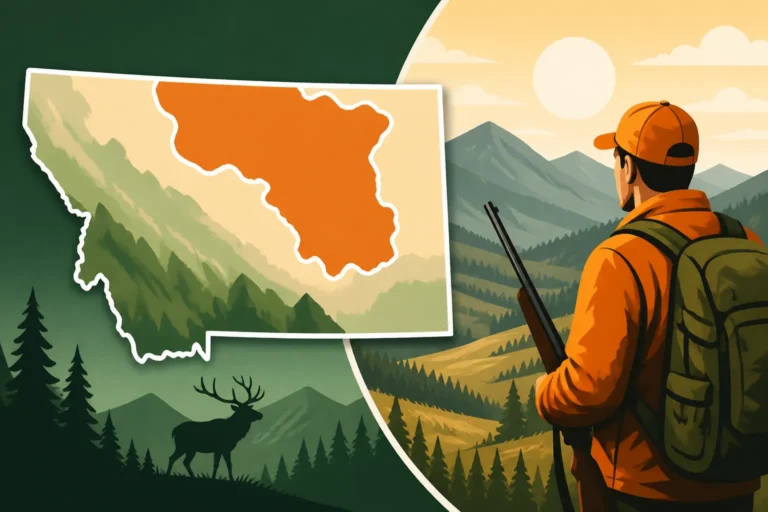
The Gravelly Range isn't just a mountain range; it's a character in itself, demanding respect and preparation from anyone who ventures into its domain. Located primarily within the Beaverhead-Deerlodge National Forest, it stretches for miles, presenting a mix of high alpine plateaus, steep timbered canyons, and sprawling sagebrush parklands. This diverse topography is exactly what makes it such a phenomenal, albeit challenging, hunting ground.
Geographical Layout and Terrain Challenges
Imagine standing on a high point in the Gravelly Range; you'll see a patchwork quilt of dark timber, often lodgepole pine and Douglas fir, giving way to open ridges and bowls above treeline. Elevations regularly exceed 9,000 feet, with some peaks topping 10,000 feet, meaning thin air and significant vertical gain are constants. The timber, while offering crucial cover for animals, can be incredibly thick and difficult to navigate, especially when trying to move quietly. Interspersed are rocky outcroppings and scree slopes that can be treacherous, even in dry conditions. The sheer vastness of the area means that an animal you spot from a distance might require hours of strenuous hiking to reach. It’s easy to get turned around, even with modern navigation tools, if you aren't paying attention to your surroundings.
Climate and How it Shapes the Hunt
Montana's weather is famously fickle, and the Gravelly Range is no exception. Early archery season can bring warm, dry days, making water sources critical and animal movement predictable around them. However, it's just as likely to experience sudden, dramatic shifts, with snow, sleet, and freezing temperatures rolling in even in September. By late rifle season, heavy snow can be the norm, pushing elk and deer to lower elevations and often concentrating them in specific areas. Understanding these weather patterns isn't just about packing the right gear; it's about predicting animal behavior. A sudden cold front or a fresh blanket of snow can completely alter where game animals are holding, often triggering migration or pushing them into more protected, south-facing slopes to catch the sun. This unpredictability means you always need a backup plan and the flexibility to adapt your strategy on the fly.
Target Species and Their Behaviors in the Gravelly Range
While the Gravelly Range hosts a variety of wildlife, it's primarily known as a big game haven for elk and mule deer. To successfully hunt these species, you need a deep understanding of their preferences and movements within this specific ecosystem.
Elusive Elk Patterns
Elk in the Gravelly Range are magnificent, but they are masters of evasion. During the early archery season, especially during the rut, you'll find them in higher basins, often around timbered edges and meadows where they feed at night and retreat into the dark timber or steep north-facing slopes to bed during the day. Water sources, wallows, and mineral licks are absolute magnets during this time. As the season progresses into rifle hunting, especially with increased pressure, elk become incredibly wary. They'll often move into the thickest, nastiest timber you can imagine, favoring steep, north-facing slopes with dense cover that provides thermal protection.
One common mistake hunters make is staying too low. Often, the biggest bulls and cow herds will be higher up, even in nasty weather, seeking refuge from human activity. Look for sign: fresh tracks, droppings, rubs on trees, and well-used game trails. Learning How to Call Elk in Montana effectively can be a game-changer during the rut, but be prepared for silent bulls outside of that peak activity. After the rut, especially as snow starts to accumulate, elk will typically begin their migration to lower wintering grounds. Knowing these migration corridors, which can be found by diligent e-scouting with tools like onX Hunt, is key for late-season success. They will often use the same paths year after year, so identifying these pinch points and travel routes can provide ambush opportunities.
High Country Mule Deer Habits
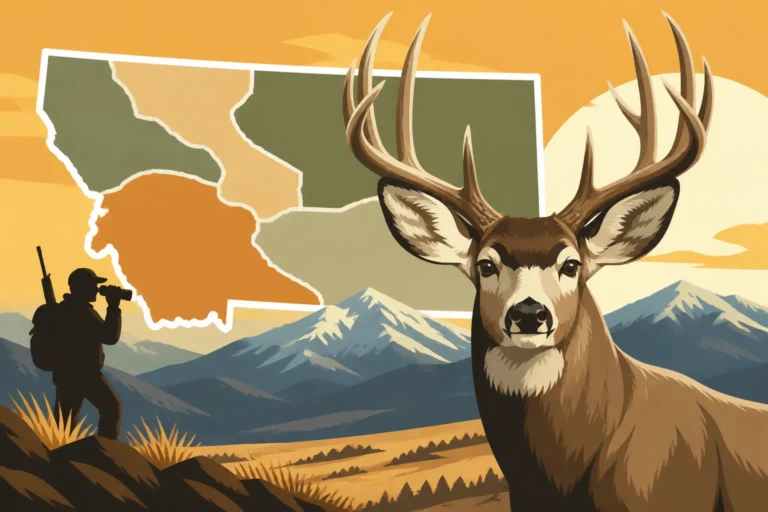
Mule deer in the Gravelly Range are a different beast entirely. While elk often seek the thickest timber, trophy mule deer bucks frequently inhabit the more open, broken country above treeline or the transition zones between timber and sagebrush. They use their exceptional eyesight to their advantage, often bedding in positions that offer panoramic views, making a close approach incredibly difficult. During the archery season, you'll find big bucks bachelor-grouped up in the high country, feeding on forbs and grasses. As the rut approaches in late October and November, they'll begin to move more, sometimes lower, to chase does.
Spot-and-stalk is the name of the game for mule deer here. You’ll need to spend hours, often days, glassing from prominent vantage points. Look for subtle movements, a flicker of an ear, or the dark outline of a body against the sagebrush. Once spotted, a slow, methodical How to Spot-and-Stalk Montana Mule Deer approach using terrain features to stay out of sight is crucial. Don't underestimate their ability to disappear; a mule deer can melt into seemingly sparse cover in seconds. Pay close attention to wind direction, as their sense of smell is keen, and thermal currents, which shift throughout the day, can betray your presence.
Navigating Access and Public Lands
The Gravelly Range is predominantly public land, managed by the Beaverhead-Deerlodge National Forest. This is fantastic news for DIY hunters, but it comes with its own set of access complexities and challenges. Understanding how to interpret maps and navigate regulations is paramount.
Understanding National Forest Access Points
Access into the Gravelly Range is primarily via a network of forest service roads. Some of these are well-maintained, while others are rough, rocky, and might require a high-clearance 4×4 vehicle. Many roads are seasonally closed or have vehicle restrictions, particularly during the hunting season, to protect wildlife and prevent resource damage. These closures force hunters to hike deeper into prime habitat, which is precisely why the Gravelly offers such a rewarding experience for those willing to put in the effort. Always check the latest Beaverhead-Deerlodge National Forest Motor Vehicle Use Maps (MVUMs) before you head out. These maps are the definitive guide to where you can and cannot drive, and violating restrictions can lead to hefty fines. MVUMs also indicate designated camping areas, trailheads, and any specific rules for a given area.
For extended hunts, especially in the heart of the range, planning a Montana backcountry hunting trip is often the only way to escape the crowds. This means packing in a camp and staying for multiple days, allowing you to access areas that day hunters can't reach. Remember, the deeper you go, the less competition you'll generally face, increasing your chances of finding unpressured game.
The Role of Digital Mapping and Scouting Tools
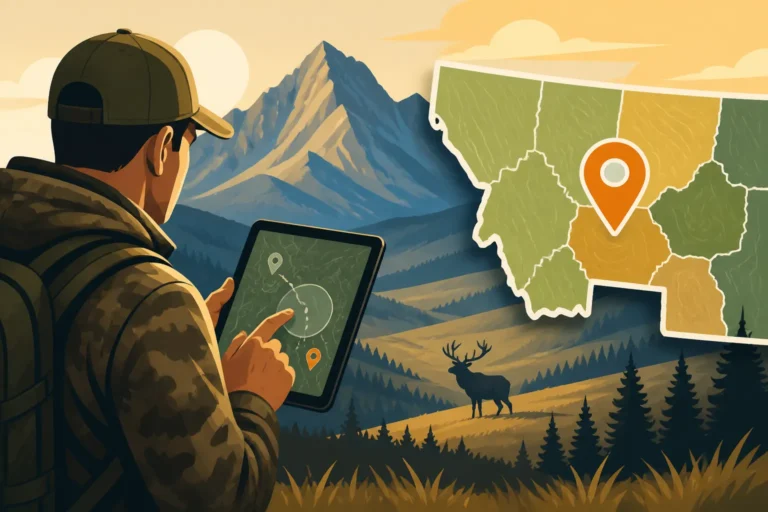
In a vast and rugged area like the Gravelly, digital mapping tools are no longer a luxury—they are an absolute necessity. Services like onX Hunt have revolutionized how hunters interact with public land. You can clearly see public and private land boundaries, which is critical for staying legal and maximizing your hunting opportunities. More importantly, onX Hunt allows you to analyze topography, identify potential bedding areas, glassing points, water sources, and game trails from the comfort of your home. You can mark waypoints for potential camp spots, hidden springs, or areas of heavy sign during your How to E-Scout Montana Hunting Units sessions.
Another excellent tool for pre-hunt planning is GoHunt, which provides detailed draw odds, unit statistics, and harvest reports that can help you understand the historical success rates and population trends in specific areas of the Gravelly. These insights can help you narrow down your focus and make informed decisions about where to concentrate your efforts. Using these platforms in conjunction with traditional topographic maps and aerial imagery allows for a comprehensive understanding of the terrain before your boots ever hit the ground.
Strategic Hunting Approaches for the Gravelly Range
Hunting the Gravelly Range successfully requires more than just showing up with a rifle or bow; it demands a well-thought-out strategy tailored to the specific challenges of the environment and the behavior of the game animals.
E-Scouting and Pre-Season Planning
Before you even load your truck, you should have spent significant time scouting remotely. Pull up satellite imagery and topo maps. Look for north-facing slopes with dark timber – prime elk bedding areas. Identify open ridges and high points that would make excellent glassing locations. Trace out potential routes, noting elevation changes, water sources, and pinch points where animals might funnel. Look for historical burn areas, as these can create new forage and open up old growth, often attracting elk.
Consider the time of year you'll be hunting. For example, during the early archery season, concentrate on areas with abundant water and fresh feed in high basins. As colder weather moves in, shift your focus to south-facing slopes that get more sun, or lower elevations where snow hasn't accumulated as deeply. Have multiple contingency plans. What if your primary access road is closed? What if an early snowstorm hits? Being flexible and having alternative spots scouted out can save your hunt. Remember to review the latest Montana hunting regulations well in advance, as rules and season dates can change annually.
On-the-Ground Tactics and Glassing Strategies
Once you're in the field, a combination of tactics is often most effective. For elk, during the rut, aggressive calling can sometimes draw a bull in, especially in thick timber. However, often a more subtle approach is needed. Still-hunting through dense timber, moving incredibly slowly and silently, focusing on wind direction, can put you right on top of bedded elk. Pay attention to every sound – a twig snap, a distant bugle, the rustle of leaves – as these can betray an elk's presence long before you see it.
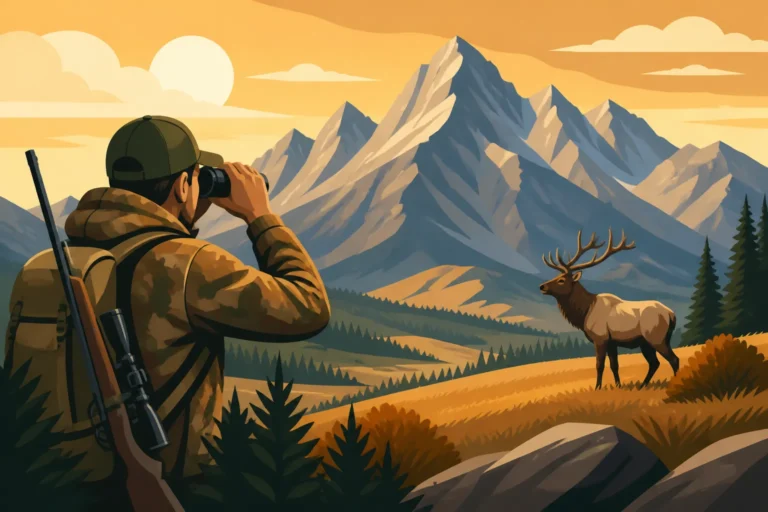
For both elk and mule deer, effective glassing is non-negotiable. Find a high vantage point, settle in, and systematically pick apart every patch of timber, every open slope, every rockslide. Use high-quality Best Optics for Montana Big Game and a sturdy tripod. Don't just scan; truly grid the landscape. Spend 15-30 minutes focusing on a single small section before moving your gaze. Animals often appear as discolored rocks, unnatural horizontal lines, or just a hint of movement. Be patient; it's astonishing how often a seemingly barren hillside will reveal a magnificent animal after an hour of meticulous glassing. When you do spot an animal, don't rush. Watch its behavior, try to determine its gender and size, and observe its travel patterns before formulating your stalk.
Preparing for Your Gravelly Range Hunt
A hunt in the Gravelly Range is not for the faint of heart. It demands physical stamina, mental toughness, and the right gear to ensure both success and safety.
Physical Conditioning and Mental Fortitude
The vertical gain, high elevation, and sheer mileage you'll cover are no joke. Being in excellent physical condition is paramount. Start a rigorous fitness plan months before your hunt, focusing on cardiovascular endurance, leg strength, and carrying weight. Practice hiking with your loaded hunting pack, simulating the weight of packing out meat. Being able to hike all day, climb steep slopes, and still be steady enough to make a good shot is a huge advantage. This isn't just about bagging an animal; it's about being safe and enjoying the experience.
Equally important is mental fortitude. There will be days of relentless hiking with no sightings, brutal weather, or unforeseen challenges. The Gravelly Range can be humbling. The ability to stay positive, persist through discomfort, and make sound decisions when tired or frustrated is a critical skill for any Montana backcountry hunter. Embrace the grind, and view every setback as a learning opportunity. This is why many hunters consider a Montana Elk Hunt Fitness Plan essential.
Essential Gear and Safety Considerations
Your gear list for the Gravelly Range should be robust and well-thought-out.
Clothing and Footwear: Layering is key due to rapidly changing temperatures. Think moisture-wicking base layers, insulating mid-layers, and a waterproof/windproof outer shell. Your Best Boots for Montana Elk Hunting are arguably the most important piece of gear; they need to be broken in, comfortable, supportive, and waterproof.
Backpack: A high-quality Best Backpack for a Montana Elk Hunt that can comfortably carry all your day-hunting essentials, plus the ability to pack out meat, is non-negotiable. Look for packs with sturdy frames and good load-hauling capabilities. Being able to successfully How to Pack Out an Elk in Montana means having a reliable pack.
Navigation: While onX Hunt is invaluable, always carry a physical map and compass as a backup. GPS devices are great, but batteries die. Know how to use both.
Shelter and Sleep System (for backcountry hunts): A lightweight, durable tent or shelter, a warm sleeping bag rated for colder temperatures, and a comfortable sleeping pad are critical for a good night's rest in the high country.
Food and Water: Carry enough high-calorie, lightweight food. Bring a water filter or purification tablets. Water sources can be scarce or frozen depending on the season, so knowing where they are is vital.
First Aid and Emergency Gear: A comprehensive first-aid kit, emergency fire starter, headlamp with extra batteries, whistle, knife, and a small repair kit for gear are all essential. A satellite communication device like a Garmin inReach or Zoleo is highly recommended for emergency communication in areas with no cell service.
Bear Safety: The Gravelly Range is bear country. Carry bear spray and know how to use it. Store food properly in bear-resistant containers or hung from a tree.
| Gear Category | Key Items for Gravelly Range Hunt |
|---|---|
| Clothing System | Layered insulation (base, mid, outer), waterproof/windproof shell, quality gloves/hat. |
| Footwear | Sturdy, waterproof, broken-in hunting boots; gaiters. |
| Navigation | onX Hunt app, physical topo map, compass, GPS device, spare batteries. |
| Optics | Binoculars (10x-15x), spotting scope, rangefinder, tripod. |
| Pack System | Multi-day backpack (60L+), lightweight daypack for stalks. |
| Shelter/Sleep | Lightweight tent/tarp, sleeping bag (0-20°F rated), sleeping pad (for overnight). |
| Food/Water | High-calorie, lightweight food, water filter/purifier, hydration bladder. |
| Safety/Emergency | First-aid kit, bear spray, fire starter, headlamp, satellite messenger, knife. |
This table provides a snapshot, but always customize your gear based on the specific conditions and duration of your hunt.
The Gravelly Range isn't just a place to hunt; it's a place to experience the wild, to test your limits, and to potentially earn a hard-won trophy. With diligent preparation, smart strategies, and a deep respect for the land and its creatures, your hunt in the Gravelly can be an unforgettable adventure.
Disclaimer
Hunting carries inherent risks, including but not limited to injury, wildlife encounters, and severe weather conditions. This guide provides general information and recommendations. Always consult the latest Montana Fish, Wildlife & Parks regulations, seek local expertise, and prioritize safety. The author and publisher are not responsible for any accidents, injuries, or legal issues that may arise from hunting activities.