How to Hunt Montana with Horses
Montana horseback hunting requires calm animals, specialized gear, and careful planning to navigate remote backcountry terrain and pack out elk meat.
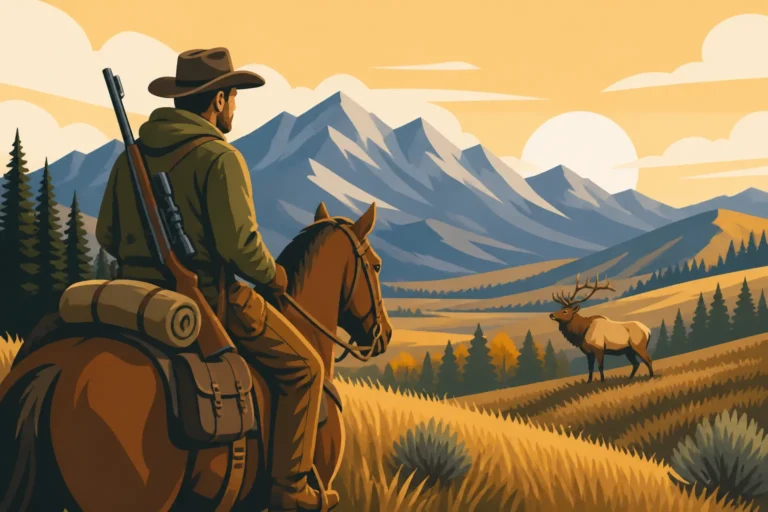
Montana horseback hunting requires calm animals, specialized gear, and careful planning to navigate remote backcountry terrain and pack out elk meat.
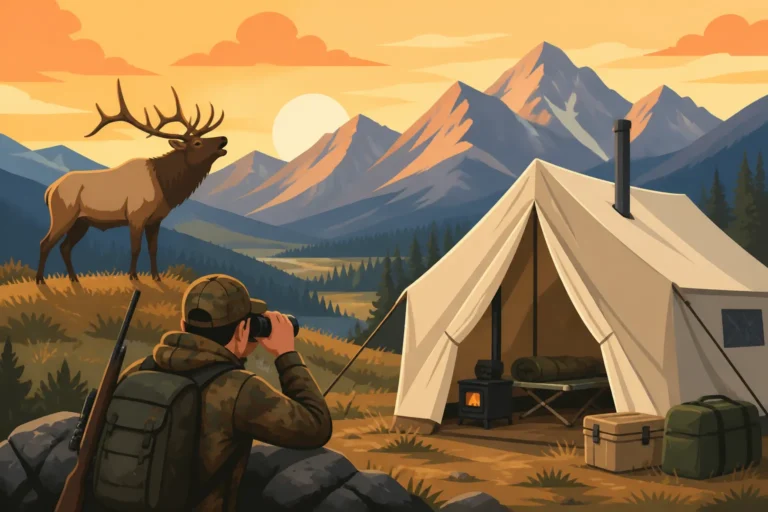
A wall tent elk camp setup in Montana requires a durable canvas structure, internal frame, wood-burning stove, cots, and safe food storage.
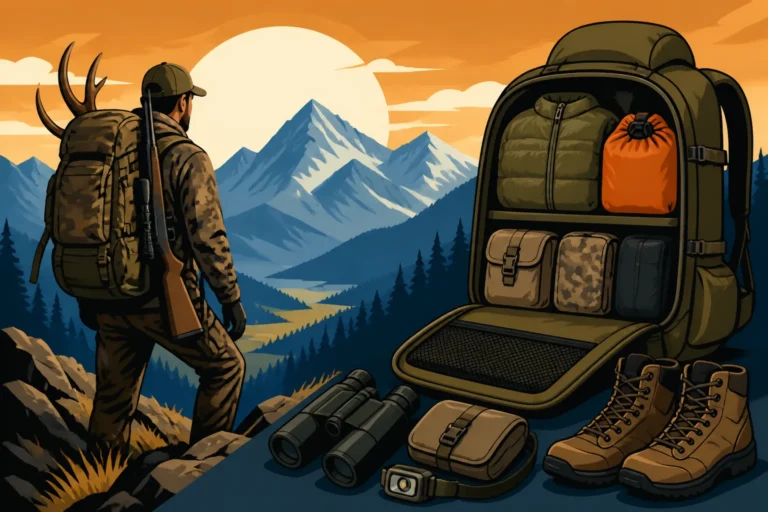
Effective gear selection and strategic packing methods ensure hunters stay safe, warm, and properly equipped throughout the demanding Montana wilderness.
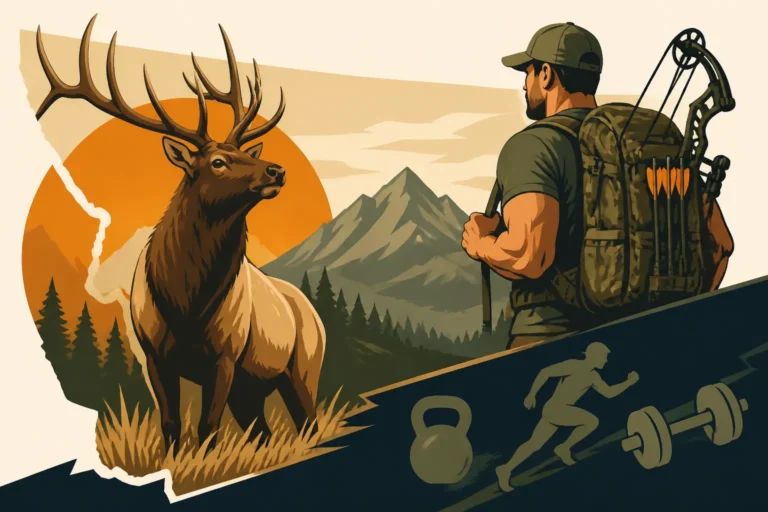
Montana elk hunting fitness training provides a realistic plan for building cardiovascular endurance, strength, and mobility to conquer high elevations.
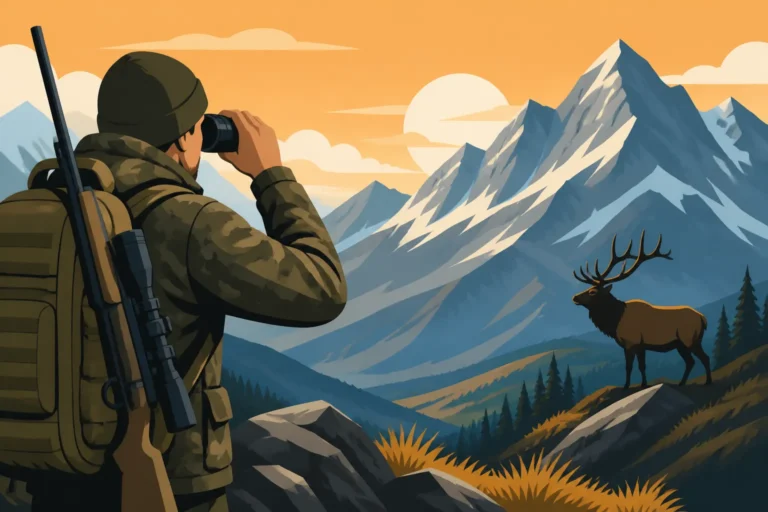
Proper Montana mountain hunting preparation involves cardiovascular endurance, strength training, proper nutrition, and durable gear for rugged terrain.
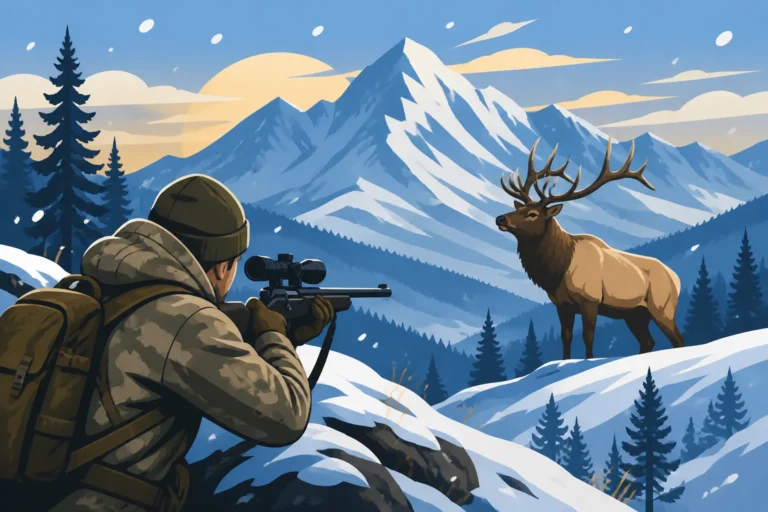
Montana winter weather changes elk movement, demanding specific tracking tactics, proper gear, and knowledge of winter ranges to succeed.
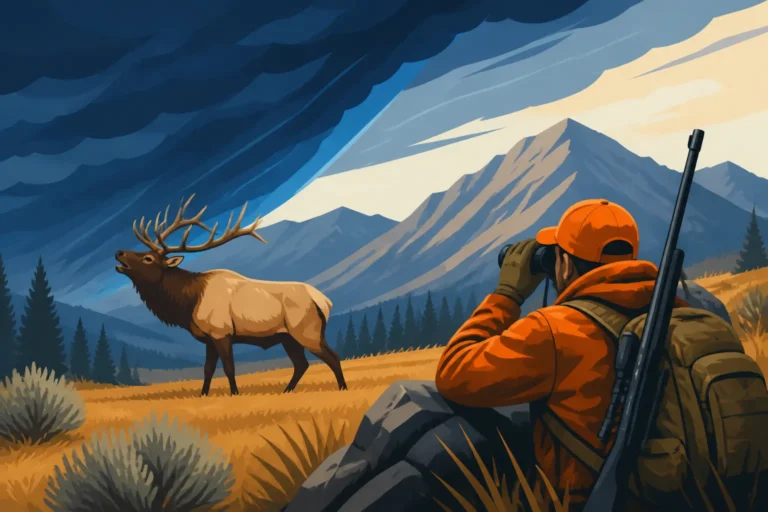
Barometric pressure drops and incoming cold fronts trigger heavy feeding in Montana elk before driving them into dense thermal timber.
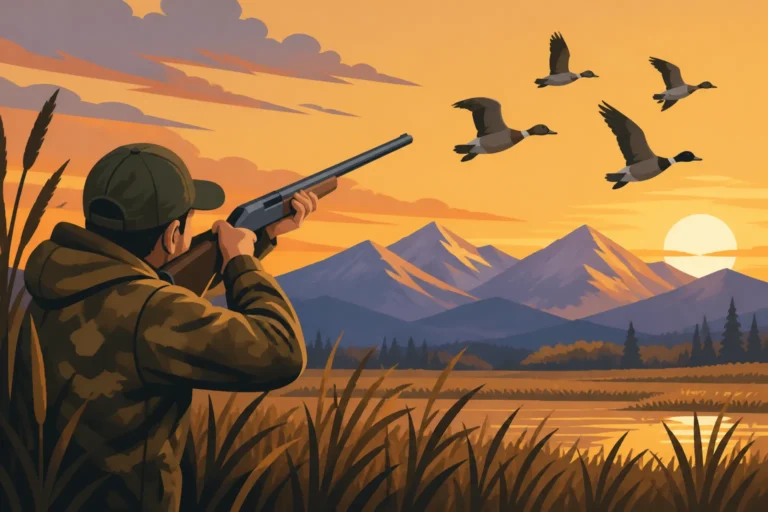
Montana big game hunters learn how weather and snowpack trigger elk and mule deer migrations to lower elevation winter ranges.
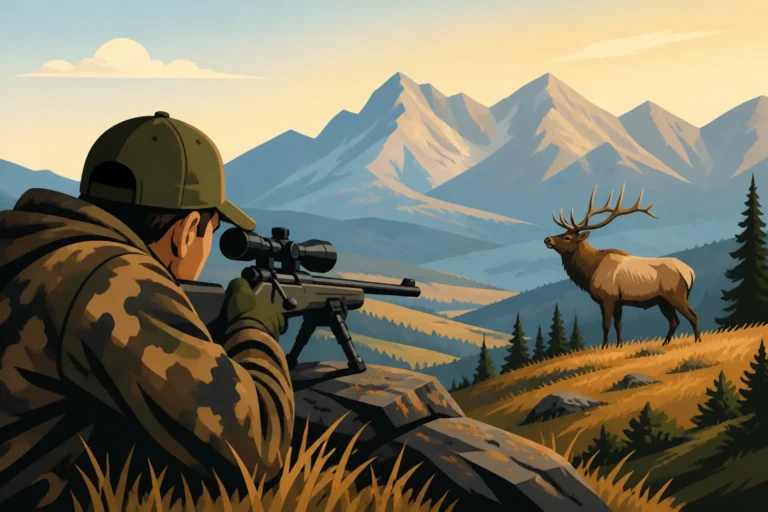
Long-range elk hunting in Montana requires ethical shot limits, specialized rifle gear, ballistics calculation, and rigorous field marksmanship practice.
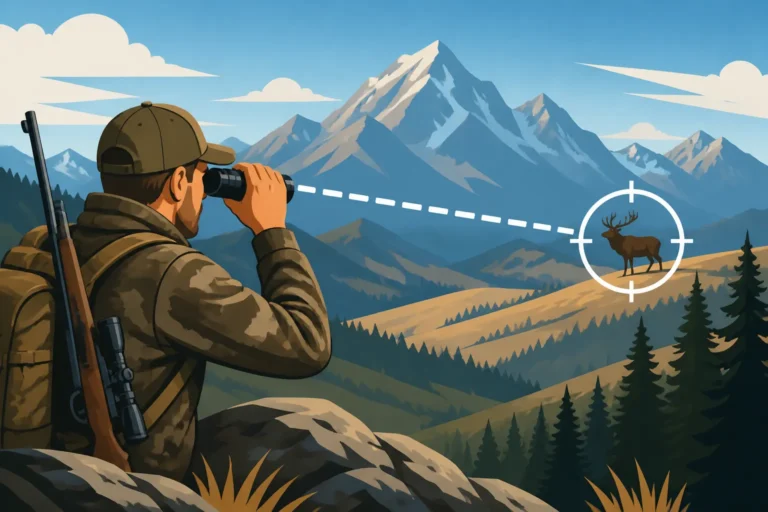
Distance estimation in Montana mountains involves optical illusions, steep angles, reticle ranging, reference points, and modern laser rangefinders.