Hunting Powder River Country
Oh, Powder River Country. Just the name conjures up images of wide-open spaces, big skies, and some seriously challenging, yet rewarding, hunting opportunities. For many hunters, the sheer scale of southeastern Montana can feel overwhelming, with its checkerboard of public and private land and vast stretches of remote terrain. This guide is dedicated to breaking down exactly what it takes to effectively hunt this unique region, covering everything from species to access, so you can plan your next adventure with confidence.
Understanding Powder River Country's Unique Hunting Landscape
When you hear "Powder River Country," it’s important to understand you’re talking about a distinct ecological zone in southeastern Montana. It’s a place where the mountains give way to rolling plains, rugged breaks, and vital river drainages, each presenting its own set of challenges and opportunities for the dedicated hunter.
Geographic Features and Habitat
The Powder River basin is a vast area characterized by dramatic changes in elevation and vegetation. You'll find a mix of sagebrush-steppe, grasslands, and significant timbered draws, particularly along river systems and in the more broken country. The Powder River itself, along with its tributaries like Pumpkin Creek and Mizpah Creek, creates vital riparian habitats—green corridors that offer food, water, and cover in an otherwise arid landscape. Further east, you’ll encounter the Big Open, where rolling hills give way to immense expanses of prairie. This region isn't about towering peaks or dense forests; it's about subtle folds in the land, deep coulees, and the strategic use of limited cover. Hunters need to adapt their strategies to glass vast distances and understand how game utilizes every bit of available shelter. Expect gumbo mud after rains and dusty, dry conditions in late summer and fall.
The 'breaks' are particularly critical areas. These are deeply eroded badlands, often with steep, exposed clay and sandstone formations, interspersed with pockets of juniper and Ponderosa pine. These breaks provide incredible thermal cover in winter and shade in summer, making them prime bedding and escape cover for deer and even some elk. Identifying these areas on a map, and then understanding how game travels within them, is paramount to success here.
Primary Game Species
Powder River Country is a diverse hunting ground, known primarily for its excellent deer and antelope populations, though elk and other species also call it home.
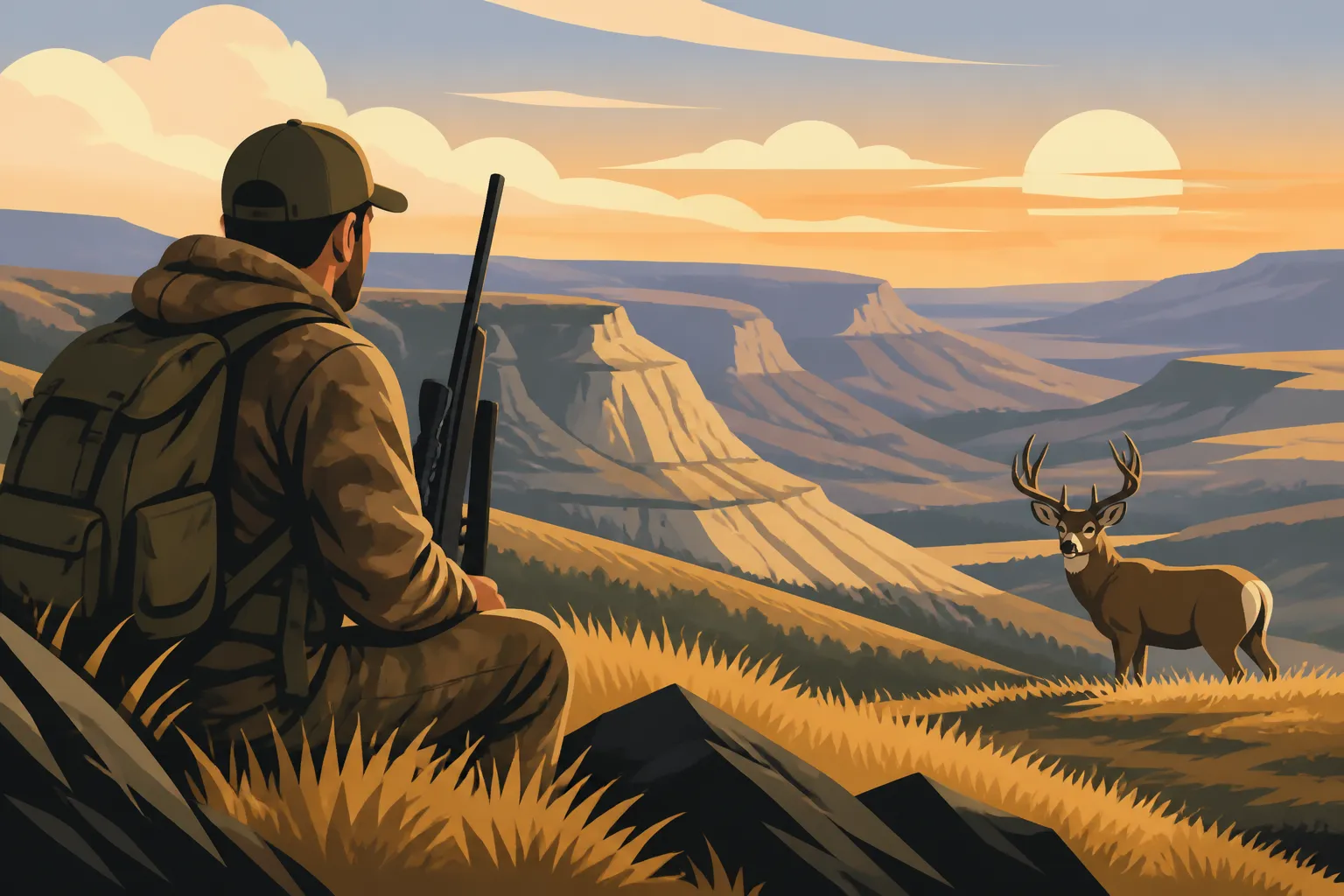
- Mule Deer: Without a doubt, mule deer are a flagship species in Powder River. You'll find them inhabiting the vast sagebrush flats, the rugged breaks, and even pushing into the agricultural fields along river bottoms. Their ability to thrive in such varied terrain makes them a consistent target. Bucks can grow to impressive sizes, particularly in areas with good forage and limited pressure. Learning how to identify their preferred bedding areas on north-facing slopes in the timbered breaks or hidden coulees is key. If you're looking for a solid resource, check out our guide on How to Hunt Mule Deer on Montana Public Land.
- Whitetail Deer: While mule deer dominate the open country, whitetails are absolutely prolific along the Powder River and other major drainages. These cunning deer stick to the dense cover of cottonwood galleries, willow thickets, and brushy creek bottoms. Hunting whitetails here often involves completely different tactics than hunting mule deer, requiring more still-hunting or stand hunting within the thick riverine habitat. It’s a completely different game to pursue them in these linear, brushy environments compared to the open country. Our article on How to Hunt Whitetail in Montana River Bottoms dives deeper into these strategies.
- Pronghorn Antelope: The vast grasslands and sagebrush flats are prime antelope habitat. Powder River Country offers some fantastic opportunities for pronghorn, especially for those who enjoy spot-and-stalk hunting in open country. Their incredible eyesight makes stalking a true challenge, but the sheer number of animals can be astounding. Look for them on the rolling plains, often near water sources in drier years. If you're planning an antelope hunt, you'll definitely want to read our tips on How to Hunt Antelope on Montana's Plains.
- Elk: While not typically considered prime elk country compared to western Montana's mountains, elk populations have been expanding and are found in increasing numbers, particularly in the timbered breaks and along larger drainages. These are often smaller, more scattered herds, but don't underestimate the potential for a respectable bull. Hunting elk here often requires covering significant ground and being prepared for unpredictable encounters, quite different from calling in the mountains.
- Other Species: Black bears can be found in the more heavily timbered draws, especially in spring. Upland birds like sharptail grouse and pheasants are also popular, utilizing the grasslands and agricultural edges. Waterfowl hunting can be excellent along the major river systems during migration periods.
Navigating Public and Private Land Access
Hunting in Powder River Country, like much of eastern Montana, is heavily influenced by the intricate mosaic of public and private land. Understanding this dynamic is crucial for planning a successful hunt.
Public Land Opportunities
Montana boasts an incredible amount of public land, and while the mountains get a lot of attention, the eastern plains and breaks offer vast tracts too. Knowing how to find and access these areas is your golden ticket.
- Bureau of Land Management (BLM) and State Trust Lands: These are your bread and butter for public land hunting in Powder River Country. BLM land often comprises large, contiguous blocks, particularly in the more rugged breaks and sagebrush flats. State Trust Lands are usually smaller, scattered parcels, often found in a "checkerboard" pattern with private land. Access to State Trust Lands requires purchasing a State Land Use License in addition to your regular hunting license. The biggest challenge with both is often access. A lot of public land is surrounded by private land, making it "landlocked." This is where tools like onX Hunt become indispensable. You can clearly see property boundaries, identify legal access points, and plan your routes to legally reach those hidden public parcels. Without proper mapping, navigating these areas would be a nightmare.
- Block Management Areas (BMAs): Montana’s Block Management Program is a true gem for public access on private land. Landowners voluntarily enroll their property, opening it up to public hunting for specific species and seasons, often free of charge. These areas can range from small walk-in parcels to vast ranches covering tens of thousands of acres. Rules vary by BMA, with some requiring sign-in boxes and others requiring reservations. Powder River Country has a number of these valuable areas, providing access to prime deer and antelope habitat. It’s absolutely essential to check the Montana Fish, Wildlife & Parks (FWP) website annually for updated BMA maps and rules, as they can change. Planning your hunt around specific BMAs can greatly increase your chances of finding quality animals and reducing hunter competition. Learn more about this program in our guide on Montana Block Management Areas Explained.
The reality of public land hunting in this region is that it's often remote, rugged, and requires a good vehicle, plenty of fuel, and the willingness to walk. You'll likely encounter primitive roads that can become impassable with rain. Prepare to be self-sufficient; cell service is spotty at best in many areas.
The Reality of Private Land
Let's be real: a significant portion of Powder River Country is private property, primarily cattle ranches. This can be a huge source of frustration for hunters who aren't used to it, as those prime river bottoms or alfalfa fields often hold the biggest bucks.
- Gaining Permission: Getting permission to hunt private land is challenging, but not impossible. It typically involves respectful communication, asking well in advance of the season, and being prepared for rejection. Ranchers here have often dealt with a lot of pressure, and many manage their own hunting or have established relationships with specific hunters or outfitters. Building a rapport, offering to help with a chore, or simply being incredibly courteous and understanding can sometimes open doors, but don't count on it as a primary strategy. Be prepared for a lot of "no" responses.
- Outfitter-Sponsored Hunts: For many non-residents or those seeking a more curated experience, hunting with a licensed outfitter is the most reliable way to access prime private land. Outfitters often have long-standing leases or agreements with ranchers, guaranteeing access to well-managed herds. This can drastically increase your success rates, especially for trophy animals. While it comes at a significant cost, it removes the headache of land navigation and permission seeking. If you're considering this route, research reputable outfitters in the Miles City or Broadus areas well in advance, as they book up quickly. You can find more details on what to expect in our comprehensive Montana Elk Hunting Outfitters Guide.
- Montana's Landowner Preference: Montana also has a landowner preference system for certain permits, which allows landowners to sponsor hunters. This is another avenue that often funnels through established outfitter relationships.
Ultimately, your strategy for Powder River Country should heavily lean on maximizing public land opportunities through diligent E-scouting and utilizing Block Management, while keeping an open mind about private land if the opportunity arises.
Strategic Considerations for Hunting Powder River Country
Success in Powder River Country isn't just about showing up with a rifle. It requires thoughtful planning, smart scouting, and adapting your tactics to the unique demands of the landscape.
E-Scouting and Pre-Season Planning
Before you even hit the road, a significant portion of your hunt planning should happen from your computer or tablet. This is where modern tools shine and can save you days of unproductive in-field scouting.
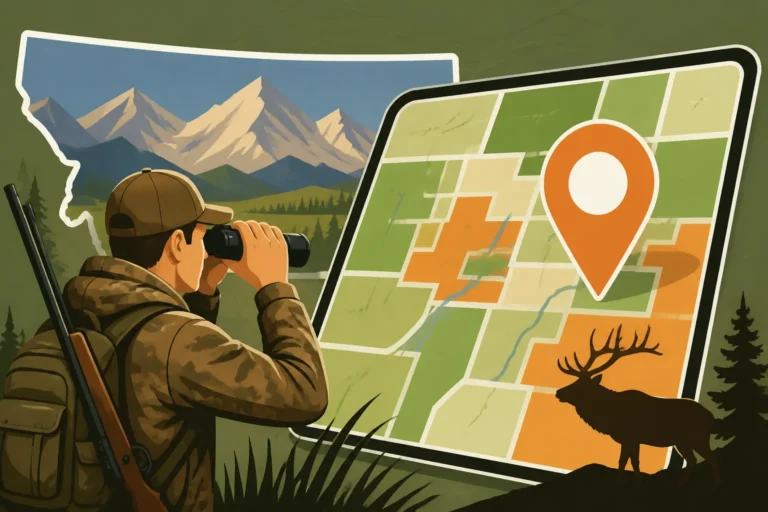
- Digital Mapping Tools: Services like onX Hunt are game-changers for hunting this region. Use them to identify public land boundaries (BLM, State Trust, National Forest, if applicable), and differentiate them from private parcels. Look for access roads, especially two-tracks or old trails, and identify potential walk-in only areas that might deter other hunters. The topographic maps will reveal subtle elevation changes, coulees, and creek bottoms where game might bed or travel. I can't stress enough how much time and frustration onX Hunt saves when navigating the often confusing land ownership of eastern Montana. You'll want to layer in features like historic wildfires, timber cuts, and water sources.
- Satellite Imagery Analysis: Zoom in on satellite imagery to find key features that might not be obvious on topo maps: dense pockets of cover, agricultural fields, distinct breaks, and water holes. Look for pinch points, travel corridors, and potential glassing knobs. You can literally scout for hours from your living room, marking waypoints for glassing locations, bedding areas, and potential stalk routes.
- Drawing Odds and Unit Selection: Utilize resources like GoHunt to analyze drawing odds for specific hunting districts. While many Powder River units are general tags for deer and antelope, some limited entry permits exist, and understanding historical success rates and point creep can inform your application strategy. GoHunt also provides detailed information on unit characteristics, harvest statistics, and potential trophy quality, which is invaluable for narrowing down your focus. This is especially true for special elk permits or specific deer B-licenses that might have private land restrictions.
- Weather and Road Conditions: Keep a close eye on weather forecasts, particularly for rain or snow. Many of the dirt roads in Powder River Country become impassable gumbo when wet, even for 4×4 vehicles. Have contingency plans or be prepared to wait out bad weather. Muddy roads can trap you for days, ruining a hunt.
Effective How to E-Scout Montana Hunting Units is arguably the most critical step for a successful DIY hunt in this vast, remote region.
Seasonality and Game Behavior
Understanding how game behavior changes throughout the various hunting seasons is vital for strategic hunting in Powder River Country.
- Archery Season (Early September – Mid-October): This is a fantastic time for deer and antelope in the Powder River. Temperatures can still be warm, especially in early September, which means water sources become magnets. Spot-and-stalk tactics are very effective for antelope and mule deer. Whitetails can be patterned near agricultural fields or feeding heavily in river bottoms before the rut kicks in. Elk might be bugling in the timbered breaks, though finding them can be challenging. Early season success often hinges on knowing where the freshest feed and water are located.
- General Rifle Season (Late October – Late November): This is the busiest time. The cooler weather often increases deer movement. The mule deer rut often overlaps with parts of rifle season, particularly in November, which can make bucks more visible and susceptible to calling or decoying. Whitetail rut activity is usually in full swing by mid-November, making them more active during daylight hours. Be prepared for increased hunter pressure, especially on easily accessible public lands. This means you need to be willing to go deeper or hunt harder. For specific information on deer seasons, our guides on Montana Mule Deer Season Dates and Tags and Montana Whitetail Deer Season Dates and Tags are essential reading. Antelope season often closes earlier in November, so check dates carefully.
- Late Season (December – January, for some species): For certain antlerless deer or elk B-licenses, seasons can extend into December or even January. This is often the coldest time of year, with snow pushing animals to winter ranges. Access can become a major issue with heavy snow, but it can also concentrate game, especially around limited food sources or in protected thermal cover within the breaks. These hunts often require extreme weather gear and a robust recovery plan.
Here's a quick overview of primary species and typical habitat preferences:
| Game Species | Preferred Habitat / Terrain | Key Behaviors to Note |
|---|---|---|
| Mule Deer | Rugged breaks, sagebrush hills, ponderosa pine pockets | Utilize thermals, bed on north slopes, rut in Nov |
| Whitetail Deer | Dense riparian corridors, river bottoms, agricultural edges | Stick to thick cover, highly rut-focused in Nov |
| Pronghorn Antelope | Open grasslands, sagebrush flats, near water sources | Incredible eyesight, very fast, rut in Sept |
| Elk | Timbered breaks, large drainages, remote rugged areas | Expanding range, move to thermal cover, bugle in Sept |
| Black Bear | Dense timbered draws, spring green-ups | Sparse, opportunistic, spring/fall feeding |
| Upland Birds | Grasslands, CRP, agricultural field edges, brushy coulees | Flush well, often near water/food |
Ultimately, hunting Powder River Country is a challenge that many hunters find incredibly rewarding. It demands respect for the land, meticulous preparation, and a willingness to adapt. Whether you're chasing a prairie monarch mule deer or a wily river bottom whitetail, this region promises a true Montana experience.
Disclaimer
Please remember that hunting regulations, season dates, and access rules can change annually. Always consult the official Montana Fish, Wildlife & Parks (FWP) regulations and maps before planning and executing your hunt. This guide is for informational purposes only and should not be considered legal advice or a substitute for official FWP documentation.