How to Hunt Montana Antelope from a Blind
Montana antelope hunting from a blind involves using pop-up structures, water hole ambushes, and decoys to overcome pronghorn eyesight and speed.
Close the distance.
Archery, muzzleloader, and firearm techniques — calling, stand placement, still-hunting, spot-and-stalk, and the weapon rules that change at the state line.
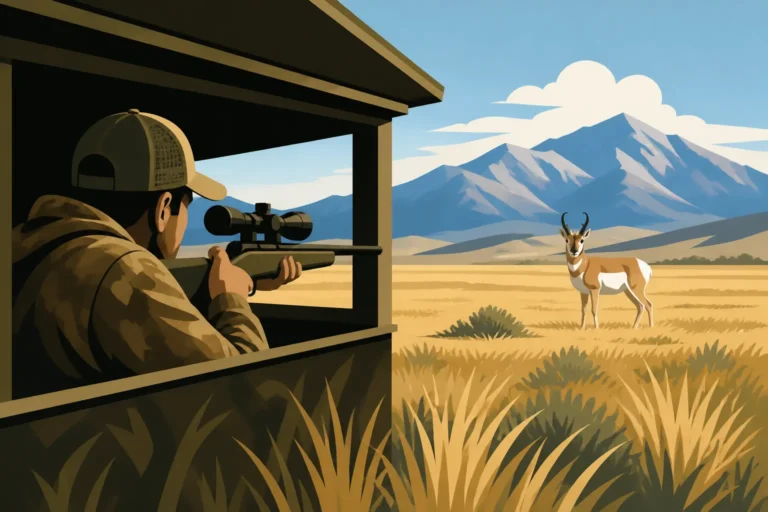
Montana antelope hunting from a blind involves using pop-up structures, water hole ambushes, and decoys to overcome pronghorn eyesight and speed.

Strategic ground blind placement and scent control techniques help hunters harvest wary whitetail deer across diverse Montana landscapes.

Montana whitetail movement patterns, river bottom habitats, and rut timing determine successful tree stand placement and shot opportunities.

Effective pre-season scouting strategies and digital mapping tools help Montana elk hunters locate elusive herds and avoid opening day crowds.

Montana elk movement patterns provide details on seasonal shifts, daily feeding habits, and travel corridors to help hunters locate animals.

Montana elk hunting during general rifle season requires navigating heavy pressure, locating elusive bulls in dark timber, and mastering specific tactics.
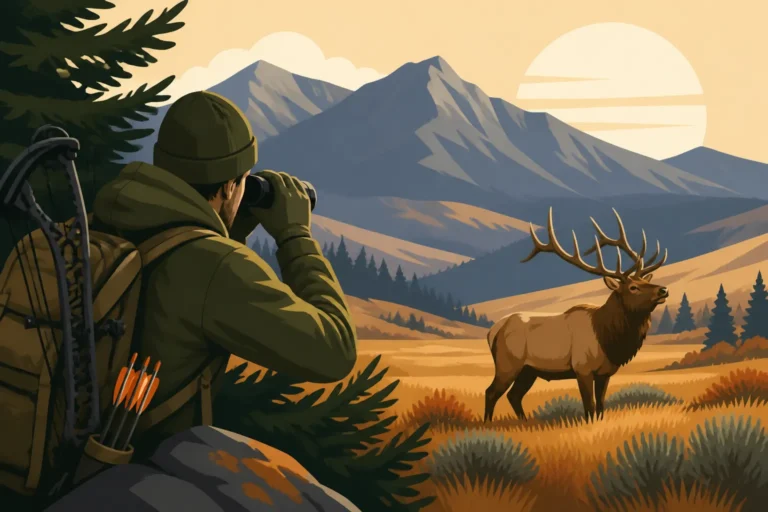
Montana elk hunters learn how to locate post-rut bulls by tracking winter ranges, glassing south slopes, and mastering the wind.

Montana elk hunting strategies during the peak rut require understanding behavior, mastering calling, utilizing optics, and timing environmental factors.

Montana elk hunting strategies during early archery season, covering physical conditioning, e-scouting, spot-and-stalk tactics, and weather challenges.

Ground blind tactics offer hunters a concealed position to intercept wary mule deer near water sources and travel corridors across open landscapes.