How to Handle Cold-Weather Gear for Montana
Mastering Montana cold weather gear strategies helps hunters stay warm and safe using proper base, mid, and outer clothing layers.
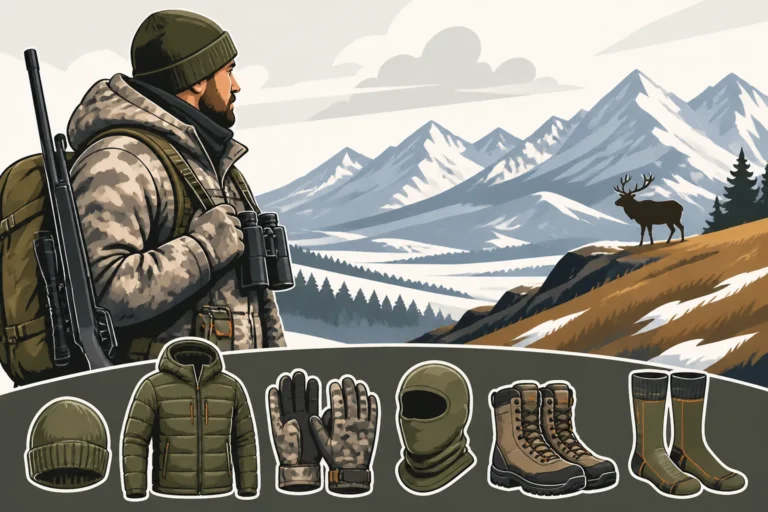
Mastering Montana cold weather gear strategies helps hunters stay warm and safe using proper base, mid, and outer clothing layers.
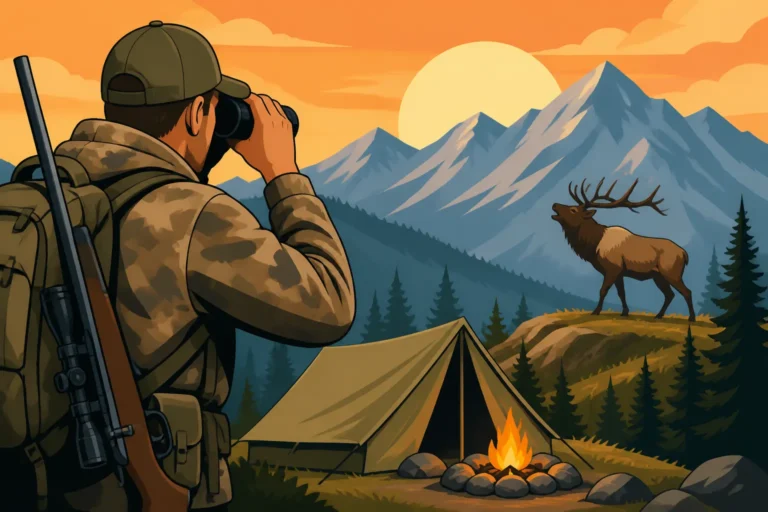
Montana elk hunting from a comfortable base camp provides a strategic approach with proper equipment, location planning, and daily hunting strategies.
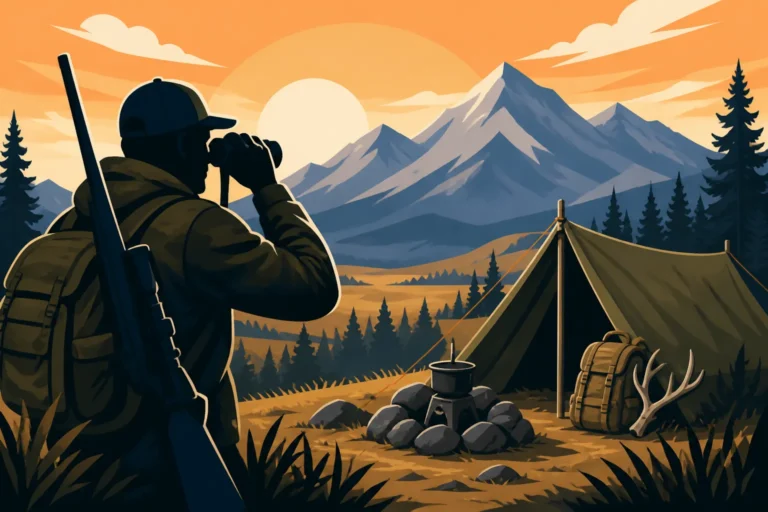
A Montana spike camp provides hunters a minimalist, mobile base to efficiently pursue elk and deer deep in remote backcountry terrain.

Montana backpack elk hunting regulations, e-scouting tools, and gear selection help hunters plan successful and safe wilderness adventures.
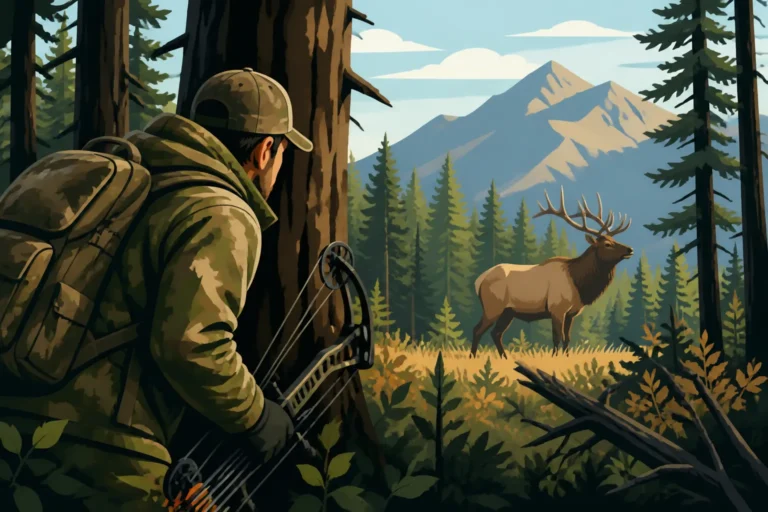
Montana timber stealth methods include selecting quiet footwear, layering silent clothing, packing gear securely, and practicing deliberate foot placement.

Montana elk hunters learn how daily temperature shifts create predictable uphill and downhill air currents to improve stalking and calling accuracy.

Montana wind patterns and local thermals dictate elk hunting success, requiring strategic approaches, scent checks, and proper setup adjustments.
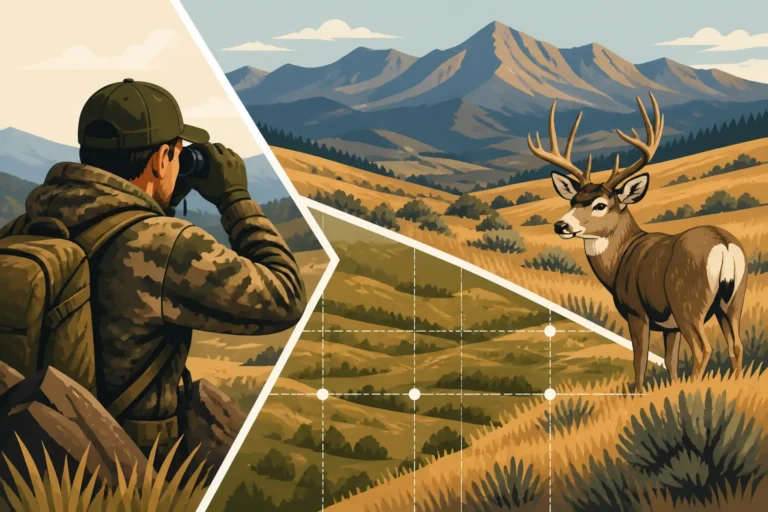
Systematic optics selection, strategic vantage point setup, and methodical grid searches help hunters locate mule deer across expansive Montana terrain.
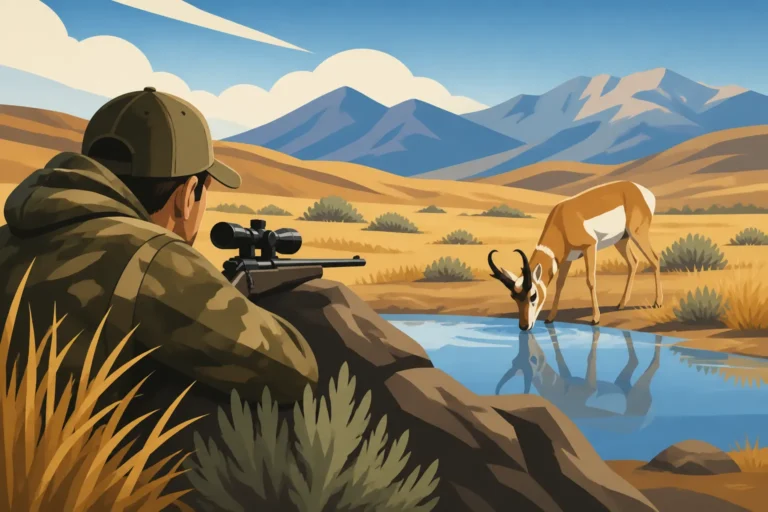
Montana antelope hunting at stock ponds and water sources helps hunters successfully ambush pronghorn during hot and dry periods.

Montana antelope hunting tactics and decoy strategies explain how to leverage curiosity and territorial instincts for close-range shots.