Montana Moose Safety and Behavior
Stepping into Montana's wild places, whether you're hunting, hiking, or just enjoying the scenery, means sharing the landscape with some truly magnificent creatures. But let's be honest, encountering a giant, 1,000-pound animal with a serious attitude problem can be downright terrifying. Many folks underestimate the sheer power and unpredictable nature of a Montana moose, leading to situations that quickly go from awe-inspiring to genuinely dangerous. This guide is all about helping you understand moose behavior, recognize the warning signs, and know exactly what to do to stay safe, ensuring your adventures in their territory remain memorable for all the right reasons.
Understanding Montana Moose Behavior and Biology
Moose, or Alces alces, are the largest members of the deer family, and they are incredibly impressive animals. Their sheer size, combined with a natural solitary and often territorial disposition, makes them a species to treat with utmost respect. Unlike deer or even elk, which often flee from human presence, a moose can stand its ground, especially if it feels threatened or has calves nearby. Understanding their habits is the first step in ensuring a safe interaction.
Moose in Montana: Where They Live and Why
In Montana, moose prefer specific types of habitats that provide them with the food and cover they need to thrive. You'll primarily find them in the western half of the state, particularly in mature coniferous and mixed forests, often near willow thickets, swamps, and riparian areas. Think high-elevation basins, river bottoms, and moist drainages in places like the Gravelly Range, the Bitterroot, the Absaroka-Beartooth Wilderness, and the Tobacco Root Mountains. They're drawn to these areas because of the abundance of woody browse like willows, aspen, and subalpine fir, which make up a huge part of their diet.
Unlike elk, which are primarily grazers, moose are browsers. This means they munch on twigs, leaves, and bark, often in dense, brushy areas where other large ungulates might struggle. They're also excellent swimmers, often submerging themselves to feed on aquatic vegetation. This habitat preference means that if you're venturing into these areas for hunting or recreation, you're inherently entering prime moose country. Knowing their preferred hangouts, which you can often identify by using tools like those offered by GoHunt for detailed habitat analysis, allows you to be extra vigilant.
When Moose Are Most Active and Why It Matters
Moose generally exhibit crepuscular behavior, meaning they are most active during dawn and dusk. However, their activity patterns can shift based on the season, food availability, and even hunter pressure. During the hot summer months, they often seek refuge in cool, shady timber or even stand in water to escape insects and heat, making them less visible during midday.
The most critical times to be acutely aware of moose behavior are during the spring calving season (late May to early June) and the fall rut (September to October). In spring, cow moose are fiercely protective of their newborn calves. A mother moose views any perceived threat, including humans and especially dogs, with extreme aggression. During the fall rut, bull moose are consumed by the drive to breed, and their hormonal levels make them less tolerant and more prone to aggressive displays, both towards other bulls and anything they perceive as a challenge. Even after the peak of the rut, bull moose can remain highly agitated. This seasonal awareness is crucial; an encounter in September with a rutting bull or in June with a cow and calf demands a higher level of caution than other times of the year. For more on their overall presence, check out our Montana Moose Range and Districts guide.
Recognizing Signs of Moose Aggression and Stress
The biggest mistake people make with moose is assuming they'll just move out of the way. While some might, a stressed or agitated moose can turn from passive to aggressive in a heartbeat. It’s absolutely vital to recognize the subtle, and not-so-subtle, cues that indicate a moose is uncomfortable or ready to defend itself. Ignoring these signs is asking for trouble, and trust me, you do not want to be on the receiving end of a moose's kick or charge.
Key Visual Cues to Watch For
Moose communicate their intentions through a range of body language. Learning to read these signals can literally save you from a dangerous situation. One of the first things to notice is their ears. If a moose has its ears laid back flat against its head, it's a clear sign of agitation and stress. It's similar to how a dog or horse might pin its ears back. Another major red flag is when a moose lowers its head, especially if it's facing you. This head-lowered posture, often combined with direct eye contact, is a defensive and confrontational stance, indicating it's preparing to charge.
Look for the hair on its hump and neck to stand on end. This piloerection is an involuntary reflex that makes the animal appear larger and more intimidating. You might also observe them pawing at the ground with their front hooves or swinging their head from side to side. These are all warnings that you're too close and have overstayed your welcome. Don't mistake these for curiosity; they are explicit threats. If you spot these signals, it’s time to slowly and calmly back away while keeping an eye on the animal.
Auditory Warnings and Body Language
Beyond visual cues, moose also use sound to express their distress. A distinctive snort or grunt is a serious warning. It’s a sound of displeasure and can escalate quickly. If you hear these vocalizations, it’s a strong indication that the moose is feeling cornered or threatened. Sometimes, a cow moose will also make a low, guttural grunt when communicating with her calf, which might not be aggressive but could quickly become so if you approach.
Another important behavior, especially with a cow and calf, is when the cow places herself between you and her offspring. This maternal protection instinct is incredibly strong. Even if the calf is hidden in dense brush and you don't initially see it, the mother's positioning is a dead giveaway. You might also see a moose suddenly stop feeding and stare intently in your direction. This pause in their natural behavior means you've got their attention, and they're assessing you as a potential threat. At this point, your focus should be on creating distance, not getting a closer look. Utilizing accurate mapping applications found on GoHunt can help you understand terrain and identify potential escape routes should an encounter escalate.
Safe Practices for Encounters in Moose Country
Being in moose country, whether you're backpacking into a remote basin for a Montana Backcountry Hunting Guide experience or just on a day hike, means you need to be prepared for an encounter. It’s not about avoiding moose entirely – that’s nearly impossible – but about how you conduct yourself when you inevitably cross paths with one of these magnificent, yet formidable, animals.
Maintaining a Safe Distance and Respecting Their Space
The golden rule for any wildlife encounter, especially with moose, is to maintain a respectful and safe distance. While there’s no hard and fast number, a good general guideline is to stay at least 50-100 yards away. This gives them enough space to feel unthreatened and allows you time to react if their behavior changes. If you encounter a moose unexpectedly on a trail, give it a wide berth. If you can’t get around it safely, consider backing up and waiting, or even taking a significant detour. Never try to push past a moose, especially if it's exhibiting any of the stress signals we just discussed.
A moose’s vision isn't their strongest sense, but their hearing and smell are excellent. This means they might not see you until you're quite close, so it's always wise to make some noise when moving through thick cover, especially in areas known for moose. Talk, sing, or jingle a bell to announce your presence and give them a chance to move away before a surprise encounter happens. Remember, surprise is often a precursor to aggression in many wildlife species.
What to Do if a Moose Charges You
This is the scenario everyone dreads, but knowing what to do can be the difference between a close call and a serious injury. If a moose charges, your first instinct might be to stand your ground, but unlike bears where this can sometimes be advisable, with moose, you generally want to run. Moose are surprisingly fast but don't have the same sustained pursuit drive as some predators. They often make "bluff charges" to scare you off, but they will make contact if you don't retreat.
Your best strategy is to put something large and solid between yourself and the moose – a big tree, a boulder, or even a vehicle. Their poor eyesight can be an advantage here; if you can break line of sight, they may lose track of you. If you are knocked down, curl into a ball, protect your head and neck, and try to play dead. They are likely trying to stomp you, so making yourself less of a target can help. Once they stop, remain still for as long as possible until you're absolutely sure they've moved on. This is not a situation to take lightly; a moose's front hooves can be devastating.
Hunting Moose Safely and Ethically
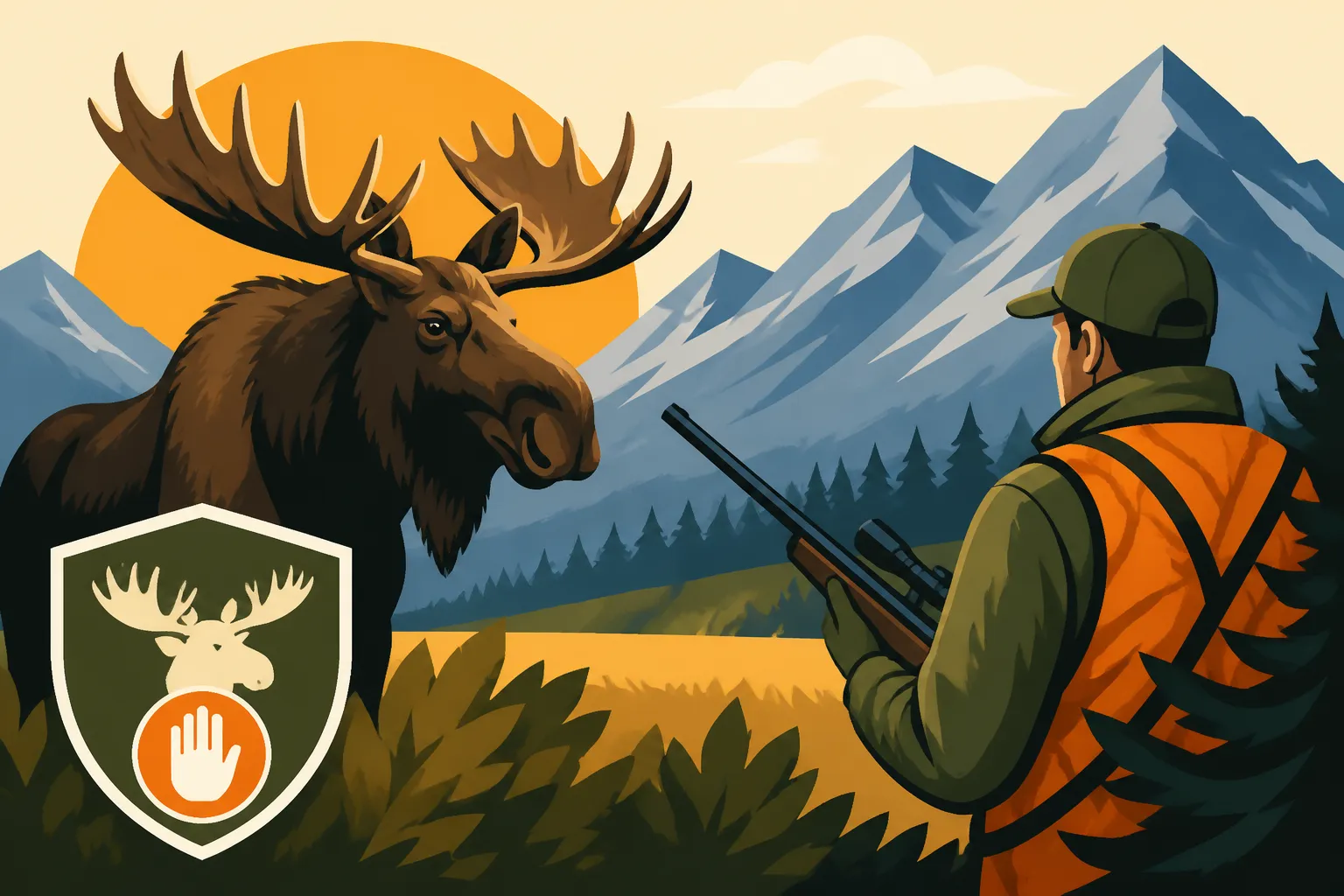
For those fortunate enough to draw one of Montana's highly coveted moose tags, the challenges extend beyond just finding one. When you're actively hunting, you're intentionally entering their territory, and safety considerations take on a different dimension. A wounded moose can be incredibly dangerous. They are immensely powerful and can cover ground surprisingly quickly even when injured. Tracking a wounded moose, especially into dense timber or across rugged terrain, requires extreme caution. Always give a downed or wounded moose plenty of time before approaching, and do so from an angle that allows for a quick retreat or a follow-up shot if necessary.
Field dressing a moose is another physical challenge. Their sheer size means a lot of work, often in remote, steep terrain. Be aware of your surroundings the entire time. Other scavengers, including bears and mountain lions, can be attracted to the scent of a kill. When you're focused on butchering, it's easy to lose situational awareness. Consider bringing a partner or at least having a plan for constant vigilance. And the pack-out? That’s a monumental task, often requiring multiple trips or horses. Our guide on How to Pack Out an Elk in Montana offers useful tips that can translate to moose, though you should expect an even greater challenge. Safety doesn't end with the shot; it continues until every ounce of meat is out of the field.
Moose Encounters with Dogs and Other Wildlife
Moose often react very differently to domestic dogs than they do to humans, and understanding this distinction is crucial for anyone recreating with their canine companions in Montana's wildlands. Their interactions with other wildlife also give us clues about their territorial nature.
Protecting Your Canine Companion
This is perhaps the most common trigger for aggressive moose encounters. Moose have a deep, instinctive fear of wolves, their primary natural predator. Unfortunately, a domestic dog, especially one running off-leash, often triggers this same wolf-response in a moose. They don't see "Fido" as a friendly pet; they see a small, persistent predator. A moose will often charge or kick at a dog with incredible ferocity, and these attacks can be fatal for your dog. Even if your dog is well-behaved and usually stays close, the unpredictable nature of a moose means you should always keep your dog on a leash in moose country. It's not just for your dog's safety, but for yours too, as a charging moose could easily direct its aggression toward you if you're trying to protect your pet. Many state lands and national forests in prime moose habitat have leash laws for this very reason. It's a small inconvenience that can prevent a tragic outcome.
Interactions with Other Montana Big Game
While moose generally avoid direct conflict with other large ungulates like elk and deer, they certainly maintain their distance and assert dominance when necessary. During the rut, a bull moose might tolerate a curious elk at a distance, but any perceived challenge to its space or a cow it's tending could be met with an aggressive display. Moose calves, when young, are vulnerable to predators like black bears and mountain lions, and the cow moose will be incredibly protective. Adult moose, however, are rarely preyed upon by anything other than wolves in a pack setting, largely due to their formidable size and power. When observing moose, notice how other wildlife nearby might give them a wide berth – it's a testament to their strength and unpredictable nature. Using resources like those available through GoHunt for game movement patterns can give you a better idea of how moose interact within a larger ecosystem.
Key Moose Safety Strategies
| Scenario | Warning Signs | Recommended Action |
|---|---|---|
| Close Proximity | Ears pinned back, head lowered, hair raised on hump/neck, pawing ground, snorting/grunting. | Slowly and calmly back away, maintain visual contact, do not turn your back. Create distance. |
| Sudden Charge | Moose running directly towards you, often with head lowered. | Run and get behind a large, solid object (tree, boulder, vehicle). Break line of sight. If knocked down, curl into a ball and protect your head. |
| Cow with Calf | Cow stands between you and calf, aggressive vocalizations, agitated posture. | Increase distance immediately. Assume the cow will defend her calf fiercely. |
| Dog Present | Moose focuses intently on dog, makes aggressive lunges or stomps towards dog. | Leash dog immediately, pull it close, and retreat. Get dog behind cover or between you and safety. |
| Hunting Encounter | Wounded moose, moose unexpectedly appears at close range after shot. | Give wounded moose ample time before approaching. Always approach from an angle allowing escape or follow-up shot. Remain vigilant for other wildlife. |
| General Awareness | Dense willow thickets, riparian areas, high-country timber. | Make noise while moving. Scan surroundings frequently. Use binoculars to identify wildlife at a distance. |
Staying Vigilant in Montana's Wilds
Being present in Montana's incredible wild landscapes is a privilege, but it comes with a responsibility to understand and respect the wildlife that calls it home. Moose are magnificent creatures, symbols of the rugged beauty here, but they are also wild animals that demand a wide berth and keen awareness. Whether you're planning a serious hunt and trying to understand How Many Points for a Montana Moose Tag or simply enjoying a summer hike, always prioritize safety. Learning to read their body language, understanding their habitat, and knowing how to react in a tense situation will ensure your Montana adventures are filled with wonder, not worry. For more on navigating Montana's diverse terrains, explore our full Montana Hunting Districts Explained guide.
Disclaimer
The information provided in this guide is for general educational purposes only and is not a substitute for professional guidance or official regulations. Hunting regulations, wildlife behavior, and safety protocols can change. Always consult the latest Montana Fish, Wildlife & Parks (FWP) regulations and seek expert advice before engaging in any hunting or outdoor activity. Your safety is your responsibility.