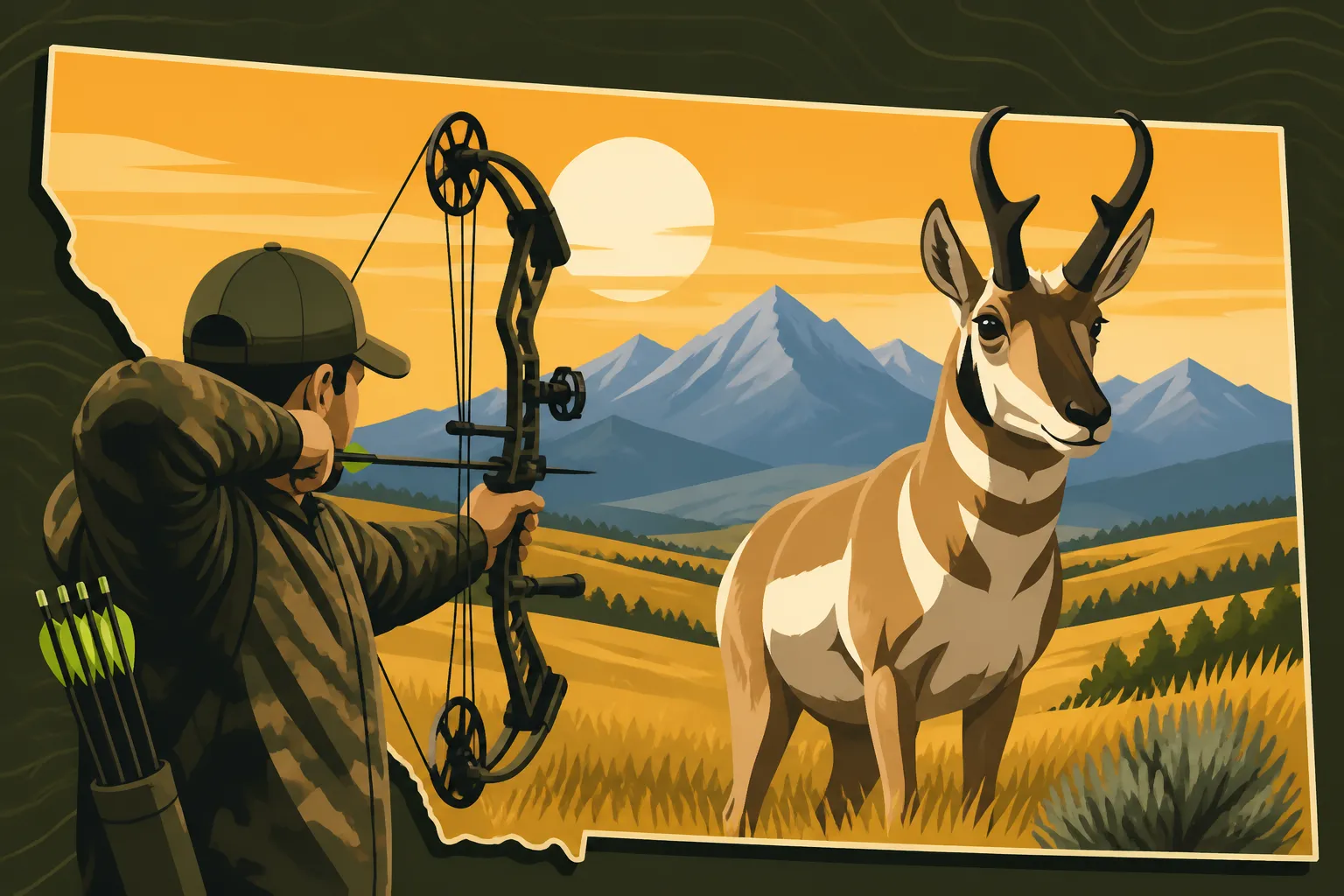
Montana Region 3 Archery Antelope 399 Tag
The dream of chasing Montana antelope with a bow and arrow is a powerful one, but the specific "399" archery tag in Region 3 can feel like navigating a maze of regulations, draw odds, and whispered secrets. Many hunters get overwhelmed trying to understand what this tag truly means, where to even start scouting, and how to successfully execute an archery antelope hunt in the vastness of Big Sky Country. This comprehensive guide is here to demystify the Montana Region 3 Archery Antelope 399 Tag, breaking down everything from the application process to the on-the-ground tactics that will increase your chances of punching that tag.
Demystifying the Montana Region 3 Archery Antelope 399 Tag
The Montana 399 archery antelope tag is a bit of a unicorn for many hunters, especially those new to the state's complex draw system. It represents a limited opportunity to pursue one of the fastest land animals in North America with the most primitive weapon, adding a layer of challenge and reward. Understanding the specific nature of this tag is your first critical step.
The Allure of Archery Antelope in Region 3
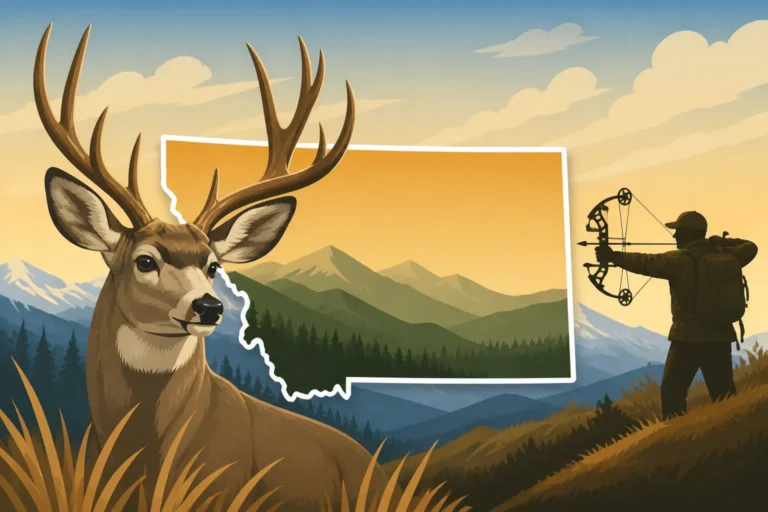
There's a unique draw to hunting antelope with a bow, especially in Montana's Region 3. This region, broadly encompassing much of central Montana, offers a diverse landscape from rolling sagebrush plains to more broken badlands and agricultural interfaces. Antelope thrive in these open environments, and the challenge of getting within bow range of an animal with eyesight equivalent to 8x binoculars is truly exhilarating. For many, it's the ultimate test of patience, stealth, and archery skill. The early archery season often falls when the weather is still warm, demanding different strategies than later-season rifle hunts. You’re not just hunting an animal; you’re engaging in a chess match across miles of open terrain.
Decoding the 399 Hunt Code and Regulations
The "399" designation isn't just a random number; it's a specific hunt code within the Montana Fish, Wildlife & Parks (FWP) system that outlines the legal parameters for your hunt. This particular tag is generally allocated for archery-only antelope hunting within designated parts of Region 3. It's crucial to consult the annual FWP hunting regulations, as boundaries and specifics can change. Typically, this tag allows you to hunt specific Hunting Districts (HDs) within Region 3 that are open to archery antelope. Unlike a general antelope tag, which might allow you to hunt a broader area with a rifle, the 399 is tailored for a specific experience. Always double-check the legal weapon type, season dates, and specific HDs covered by the 399 code for the current year.
Non-Resident Considerations for the 399 Tag
For non-residents, drawing a Montana antelope tag, especially a coveted archery one like the 399, can be a multi-year endeavor. Montana offers both resident and non-resident licenses, and the draw odds for non-residents are often significantly lower due to quotas. The application process for a Montana hunting license involves securing a base license, a conservation license, and then applying for specific tags like the 399. Non-residents will typically need to accrue Montana Preference Points vs Bonus Points to stand a better chance in the draw. While the Montana Antelope Season Dates are the same for residents and non-residents, the path to obtaining the tag is vastly different. It’s a long game, requiring consistent application and point building.
Understanding Region 3 Antelope Habitat and Behavior
To effectively hunt the 399 tag, you need to think like an antelope. Their survival depends on their incredible speed and keen eyesight, which means they prefer open areas where they can spot danger from a distance. Region 3 offers a variety of terrain that fits this bill, but each requires a slightly different approach.
Typical Antelope Terrain in Region 3
Region 3 stretches across a significant portion of central Montana, characterized by expansive prairies, rolling hills, and pockets of badlands. You'll find a mix of private ranch land, Block Management Areas (BMAs), and public lands administered by the Bureau of Land Management (BLM) and State Trust Lands. Antelope gravitate towards areas with abundant sagebrush, short grasses, and accessible water sources. While they prefer open country, don't overlook coulees, draws, and breaks that offer slight cover or travel corridors. Identifying these subtle terrain features on a map, perhaps using tools like onX Hunt or through services like GoHunt that provide detailed public land data, is crucial for pre-season scouting. Areas with minimal tall timber are prime antelope country.
Early Season Antelope Movement and Behavior
The archery antelope season in Montana often kicks off in late August or early September. During this time, antelope are typically still in their summer patterns, meaning bucks might be bachelor-grouped, and does will be with their fawns. The rut for antelope usually begins later in September, so you'll be hunting animals that are focused on feeding, watering, and evading predators rather than breeding. This means their movements can be predictable. They'll feed heavily in the early mornings and late evenings, often bedding down during the heat of the day in open, elevated spots where they can watch for threats. Scouting for consistent patterns around feeding grounds, water sources, and common bedding areas is paramount. Understanding Montana Pronghorn Behavior and Biology will give you a significant advantage.
Reading the Landscape for Success
Antelope are masters of their environment, and you need to become one too. This means learning to "read" the vast, subtle landscape of Region 3. Look for changes in elevation, even slight ones, that could provide a visual screen. Identify dry creek beds, eroded coulees, or even rows of taller sagebrush that could allow for an approach. Pay close attention to the wind, as it's your most critical ally (or enemy). Antelope rely on their eyesight, not their nose, but a shifting wind can carry scent to them and blow your stalk. When glassing, look for white rumps, black horns, or the tell-tale horizontal black cheek patch. Their unique coloration helps them blend surprisingly well, so patience with your optics is key. When you're trying to figure out where the most productive areas might be before you even set foot on the ground, a resource like GoHunt's mapping and data analysis can highlight patterns in hunter success and land access.
Key Archery Tactics for the 399 Tag
Hunting antelope with a bow is notoriously challenging, but incredibly rewarding. Success hinges on a combination of stealth, patience, and choosing the right tactic for the situation. Don't go in thinking you'll just walk up on one.
Mastering the Spot-and-Stalk
The spot-and-stalk is arguably the most common and often most effective method for How to Spot-and-Stalk Antelope in Montana. It requires incredible discipline. First, use quality binoculars and a spotting scope to locate antelope from a significant distance, often miles away. Once an animal is identified, the real work begins. Plan your approach meticulously, using every available piece of cover: coulees, fence lines, small rises, and even single sagebrush bushes can be your friend. The wind is paramount; always keep it in your face or quartering. Moving slowly, deliberately, and utilizing a low profile is essential. Many successful stalks involve crawling on hands and knees or even belly-crawling for hundreds of yards to get within bow range, typically 40-60 yards for antelope. The terrain of Region 3 often presents gentle, rolling features that can be exploited for this.
Decoying Strategies for Close Encounters
When the spot-and-stalk proves too difficult, especially in wide-open country with minimal cover, decoying can be a game-changer. Antelope are naturally curious and highly territorial, especially during the pre-rut and rut phases. A well-placed decoy, often a silhouette of a buck or doe, can draw them in. The most effective use of a decoy is often in a "stalking shield" manner, where the hunter moves with the decoy held in front, mimicking the movement of another antelope. This requires a partner to run the decoy while you stay hidden, or a mobile decoy that attaches to your bow. For a single hunter, stationary decoys can work if you set up and wait, but you need to be perfectly concealed. Always be aware of other hunters in the area if you choose to use a decoy, especially on public lands where misidentification could be a serious safety issue. You can learn more about How to Decoy Antelope in Montana to refine your approach.
Hunting Water Sources with Archery Gear
In the arid landscapes of Region 3, water is life, and it can be a significant draw for antelope, particularly during the warm early archery season. Finding active water holes, springs, or even stock tanks can present a fantastic ambush opportunity. This strategy typically involves scouting to identify water sources antelope are consistently using, then setting up a ground blind nearby before the season opens. The key is to be absolutely still and concealed, often for long hours during the hottest part of the day when antelope are most likely to seek water. Pay attention to wind direction, as even at a water hole, a shift can spook wary animals. Always ensure your blind is brushed in and established well in advance so the animals become accustomed to its presence. For deeper insights, check out How to Hunt Antelope Water Holes in Montana.
Navigating the Application Process and Draw Odds
The 399 tag is a limited entry permit, meaning you'll need to apply and get lucky in the draw. This can be the most frustrating part of the whole process, but understanding how it works can help you strategize.
Applying for the 399 Tag
The application period for Montana's limited entry tags, including the 399 archery antelope tag, typically opens in March and closes in early June. You must apply online through the Montana FWP licensing system. Before applying, you'll need to purchase your base hunting license and a conservation license. For non-residents, this often means applying for the general nonresident combination license (which includes deer and elk) before applying for species-specific permits like antelope. The FWP website can be a bit tricky to navigate, so take your time and follow the instructions carefully. Many hunters use external resources like GoHunt or other hunt planners to double-check deadlines and application requirements, as they often simplify the complex FWP language. Make sure you select the correct hunt code (399) and unit(s) when submitting your application.
Understanding Draw Odds and Preference Points
Montana utilizes a preference point system for many of its limited entry draws, including antelope. This means that for every year you apply for a specific tag and are unsuccessful, you can purchase or accrue a preference point, which increases your odds in subsequent years. The more points you have, the better your chances, though it never guarantees a tag. For the 399 tag, draw odds can vary significantly year to year and depend on the specific hunting district within Region 3. Some areas within Region 3 might be harder to draw than others. It's wise to research historical draw odds, which FWP publishes annually. Resources like GoHunt's Insider membership often compile and analyze this data, helping you make informed decisions about where to apply and how many points you might need. Understanding Montana Antelope Draw Odds Explained is crucial for managing expectations and planning future hunts.
What to Do if You Draw
Congratulations! Drawing a 399 tag is a significant achievement and the beginning of your real adventure. As soon as you receive notification, typically in July, it's time to kick your preparation into high gear.
1. Intensive Scouting: With a tag in hand, your pre-season scouting becomes hyper-focused. Utilize digital tools like onX or BaseMap to virtually scout potential public land access, water sources, and terrain features that offer cover. Plan weekend trips to physically put boots on the ground, identify antelope patterns, and pinpoint potential stalking routes. Look for evidence of antelope sign like droppings, beds, and rubs on sagebrush. This pre-season groundwork is invaluable for a successful Montana DIY Elk Hunting Guide type of experience, even if it's for antelope.
2. Physical Preparation: Archery antelope hunting, especially spot-and-stalk, involves a lot of walking, glassing, and crawling, often in hot weather. Start a fitness regimen that includes hiking, strength training, and cardiovascular exercises. Practice shooting your bow frequently, especially from unconventional positions like kneeling or sitting, as you might find yourself in these positions during a stalk. Also, practice shooting at varying distances, as antelope can appear and disappear quickly, demanding rapid adjustments.
3. Gear Check: Ensure your archery gear is in top condition. Tune your bow, check your broadheads, and practice with the exact setup you'll be hunting with. Optics are critical for antelope, so invest in good binoculars and a reliable spotting scope. A comfortable, quiet backpack is essential for carrying water, snacks, rangefinder, and other essentials. Make sure your camouflage blends well with the sagebrush environment. Consider a good pair of knee pads for all that crawling! Having a solid Best Backpack for a Montana Elk Hunt will serve you well for antelope too.
Ultimately, the Montana Region 3 Archery Antelope 399 Tag is an incredible opportunity for a unique and challenging hunt. With careful planning, persistent scouting, and honed archery skills, you can make that dream a reality.
Disclaimer
Please be aware that hunting regulations, season dates, and license requirements in Montana can change annually. It is your responsibility to review and comply with the most current regulations published by Montana Fish, Wildlife & Parks (FWP) before participating in any hunting activities. This guide provides general information and should not be considered legal advice or a substitute for official FWP documentation. Always prioritize safety and ethical hunting practices.