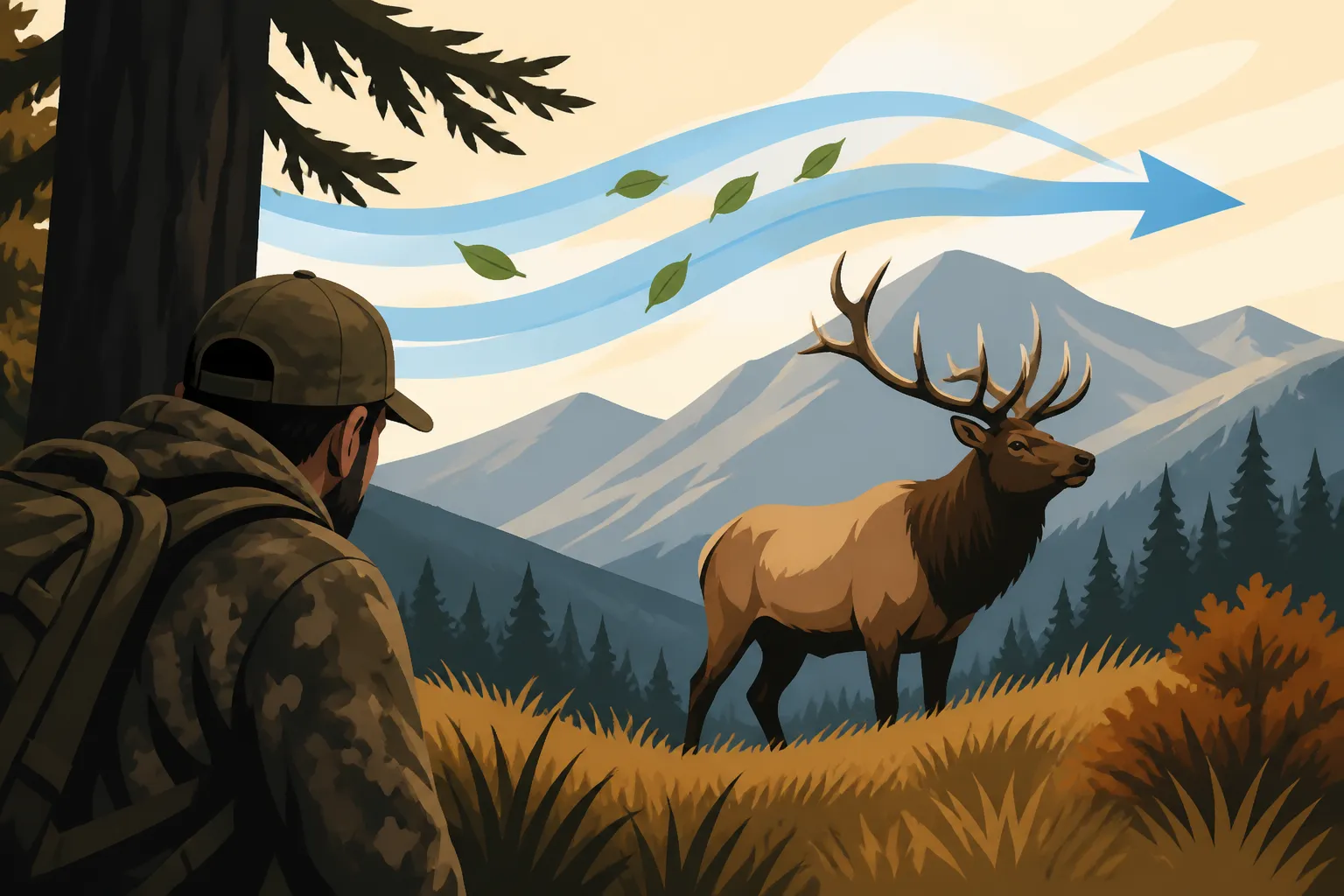
How to Use the Wind Hunting Montana Elk
There's nothing quite like the crushing disappointment of spending hours on a careful stalk, only to have a capricious gust of wind betray your presence to a magnificent bull elk in Montana. The wind in big country isn't just a nuisance; it's a critical, often unpredictable, factor that can make or break your entire hunt. This guide will walk you through understanding Montana's intricate wind patterns and equip you with the strategies to use them to your advantage, rather than being constantly foiled by them.
Understanding Montana's Shifting Winds and Thermals
Montana's diverse topography, from the soaring peaks of the Rocky Mountain Front to the rolling plains, creates an incredibly complex and dynamic environment for wind. It's not just about knowing which way the wind is blowing; it's about understanding why it's blowing that way, and how it's likely to change. Ignoring these nuances is a surefire way to educate every elk in the drainage about your presence.
The Dance of Ridge Top Winds and Valley Bottom Thermals
One of the biggest challenges hunters face in Montana's mountainous terrain is the constant interplay between prevailing winds and localized thermals. Thermals are essentially air currents driven by temperature changes, and they're particularly influential during the morning and evening hours. As the sun rises and warms the earth, air in the valleys begins to warm and rise, creating an upslope thermal. This means scent will generally travel uphill. Conversely, as the sun sets and temperatures drop, the air cools and descends, creating a downslope thermal, carrying scent downhill into the valleys.
This phenomenon is crucial because it can directly contradict the prevailing wind, or combine with it to create unpredictable swirls. Imagine you're on a north-facing slope in the Bob Marshall Wilderness. The general wind might be from the west, but in the morning, the rising sun on the east-facing slopes might create a strong upslope thermal that pulls your scent directly up the ravine you're trying to stalk, regardless of the westerly breeze. Hunters often get busted because they only check the "wind" at their current elevation and fail to account for how thermals are carrying their scent above or below them. It’s a constant chess match, and the elk have been playing it their entire lives.
Microclimates and Swirling Gusts
Beyond the large-scale thermal movements, Montana's rugged landscape is riddled with microclimates and features that cause localized wind swirls. Steep canyons, dense timber stands, and even large rock formations can create eddies and currents that make predicting wind direction an absolute nightmare. You could be in a timber pocket where the wind is coming from your left, step out into a small opening, and suddenly it's coming from your right. This is especially true when you're moving through complex terrain like dark timber where air flow is constantly being redirected.
These swirling gusts are often exacerbated during frontal passages or unstable atmospheric conditions. A bluebird day might seem calm, but a quick glance at a distant flag or even a few strands of spider silk can reveal how the air is truly moving. Hunters who try to push too hard into these unpredictable zones without constant vigilance are essentially rolling the dice. Tools like those available on GoHunt can help you visualize topography, but nothing replaces boots on the ground observation and constant scent checking. Understanding these micro-movements is key to success when you're trying to avoid alerting game that relies heavily on its sense of smell for survival. It's why seasoned hunters in places like the Beaverhead-Deerlodge National Forest are always checking the wind, even when it feels like there isn't any.
Practical Strategies for Hunting with the Wind
Knowing about the wind isn't enough; you need actionable strategies to integrate wind awareness into every step of your hunt. This means constantly adjusting your approach, your setup, and even your hunting method based on what the air currents are doing.
Playing the Wind on Your Approach
The most fundamental rule of elk hunting is to always keep the wind in your favor. This sounds simple, but in practice, it requires discipline, patience, and often, significant detours. If you locate elk and the wind is blowing from them to you, that's ideal. If it's blowing from you to them, you have two choices: either make a wide, sweeping circle to get downwind, or abandon the stalk and try to intercept them later from a better position. Never, ever, charge straight in with a bad wind, no matter how tempting the situation. That's a rookie mistake that almost guarantees a blown opportunity.
When planning your approach, consider not just the current wind, but also how thermals might shift throughout the day. If you're starting a morning stalk in a valley, plan to be at your desired position before the strong upslope thermals fully kick in. Conversely, for an evening hunt, aim to be above the elk as the downslope thermals begin to carry your scent away from them. This often means adjusting your route to stay on benches, ridges, or specific drainages that give you the best chance of having consistent wind direction. It might add miles to your day, but those extra steps are worth it if they lead to a successful outcome. For a deeper dive into moving through this type of country, check out our guide on Montana Backcountry Hunting Guide.
Setting Up for the Shot
Once you've made your approach and are closing in, your final setup position needs to be meticulously chosen with the wind in mind. Even a slight shift can ruin everything. If you're calling elk, position yourself so your scent is blowing past the elk, allowing them to circle and come into range without getting a whiff of you directly. This often means setting up on a crosswind, or slightly quartering away, where your scent cone won't directly hit their approach path. If you're trying to figure out how to call them in effectively, you might find our guide on How to Call Elk in Montana helpful.
For spot-and-stalk hunting, ensure your shooting lane is clear, but also that any immediate changes in wind direction won't compromise your position. Look for natural barriers or terrain features that might help funnel the wind consistently in your favor, or at least minimize swirling. This might mean dropping slightly below a ridge line to get out of direct crosswinds or tucking into a small saddle. Remember, elk have an incredible sense of smell, and even a faint wisp of human odor is enough to send them packing. A good setup considers not just sight and sound, but smell above all else. This holds true whether you are bowhunting or using a rifle, but especially when you are employing Montana Archery Elk Hunting Guide tactics, as you need to get much closer.
Advanced Wind Awareness and Tools
While experience is the best teacher, there are tools and techniques that can help you become a true wind master in the field, turning a volatile element into an ally.
Using Scent Checkers and Technology
Never go into the Montana backcountry without a reliable scent checker. This could be a small bottle of unscented talcum powder, milkweed seeds, or a commercial puff bottle. Use it constantly, not just when you stop, but as you move. A quick puff every 50-100 yards can reveal subtle shifts you wouldn't otherwise notice. Watch how the powder or seeds drift, not just horizontally, but also how they might be lifted or pushed down by thermals. This provides real-time feedback that's invaluable.
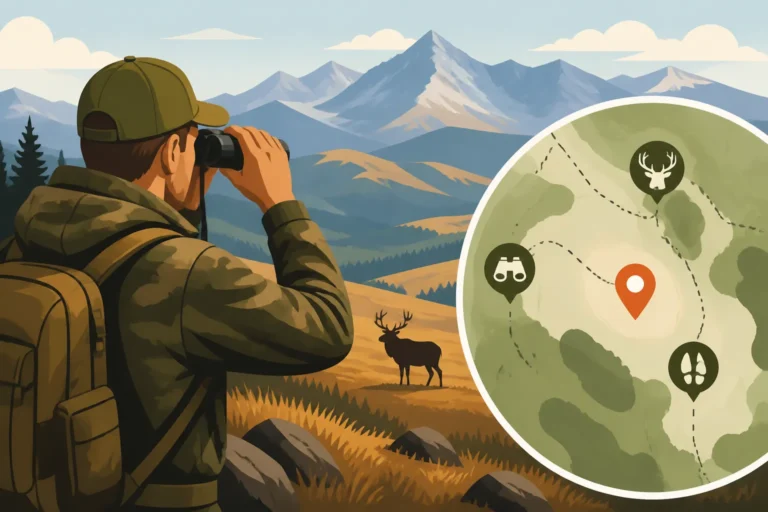
Beyond physical tools, mapping applications like OnX Hunt or those integrated with GoHunt can be immensely helpful during your e-scouting phase. By studying topography, you can identify potential thermal sinks and rises, wind corridors, and areas prone to swirling winds. Look for deep canyons, major drainages, and high saddles. While these apps can’t tell you the real-time wind, they can help you predict likely wind behaviors based on terrain features, allowing you to plan routes that avoid common wind traps. Before you even set foot in the field, using these tools to plan your movements can significantly increase your odds. For more on this, check out How to E-Scout Montana Hunting Units.
Reading Natural Indicators
Elk hunters who truly master the wind learn to read the subtle signs of nature. Watch the trees, especially aspens or pines, for how their leaves or needles are moving. Even a slight quiver can indicate a change. Observe dust or pollen drifting, or how clouds are moving overhead – though often ground-level winds can be very different from high-altitude currents. Look at grass, listen to the rustle of leaves, or even feel the air on your face. Wetting your finger and holding it up can give you a rough idea of direction, as the side facing the wind will feel cooler.
Pay close attention to animal behavior. Birds taking flight in a specific direction might indicate an updraft. Squirrels or other small mammals scurrying might be reacting to a sudden gust. Everything in nature is affected by the wind, and by observing these details, you can gain a deeper understanding of the invisible forces at play. This kind of acute awareness is developed over many hours in the field and is often the mark of a truly experienced hunter, able to adapt to conditions that might stymie others.
Common Wind-Related Mistakes and How to Avoid Them
Even seasoned hunters can get caught out by Montana's unpredictable winds. Recognizing common pitfalls and actively working to avoid them is just as important as knowing what to do right.
Over-reliance on Weather Apps
While weather apps provide general wind direction and speed, they are notoriously inaccurate for micro-climates in mountain terrain. A forecast might say "5 mph from the west," but in a steep canyon or dense timber patch, the wind could be swirling from every direction at varying speeds. Relying solely on your phone's forecast without constant real-time checks in the field is a recipe for disaster. Think of the app as a starting point, not the definitive answer. Always verify with your scent checker and natural indicators. This is especially critical when planning a multi-day hunt and trying to predict how the weather might affect your target species, as outlined in our Montana Elk Hunting Methods Explained guide.
Forgetting About Ground Swirls and Backdrafts
It's easy to focus on the general wind direction, but often overlooked are ground swirls and backdrafts created by terrain features. For example, a prevailing wind hitting a steep cliff face can create a "backdraft" that pushes air up the cliff, carrying your scent over the top. Similarly, in complex drainages, the wind can swirl erratically, creating pockets of unpredictable airflow. Always be mindful of how the terrain directly in front of you and around you is interacting with the wind. Sometimes, the best strategy is to stay higher than the elk, especially during midday, to ensure your scent is carried away effectively. This can be tricky, and often requires good physical conditioning as detailed in How to Physically Prepare for a Montana Elk Hunt.
Neglecting Scent Control
While this guide focuses on using the wind, it's critical to remember that even with the best wind strategy, poor personal scent control can still compromise your hunt. Elk can detect even minute traces of foreign odors. Always use scent-free detergents, soaps, and sprays. Store your hunting clothes separately from everyday items, preferably in sealed bags. Minimize sweating, and be mindful of anything you touch that might transfer human scent to your gear or clothes. Every little bit of effort in scent control adds another layer of protection, making your wind strategy even more effective. For tactics specific to staying hidden, consider researching How to Still-Hunt Montana Timber, which relies heavily on silent movement and scent management.
Here's a quick reference table to help visualize wind behaviors in typical Montana hunting scenarios:
| Wind Type / Condition | Time of Day | Typical Terrain | Hunter's Strategy | Key Considerations |
|---|---|---|---|---|
| Upslope Thermal | Morning (sunrise to mid-day) | Valleys, canyons, sun-exposed slopes | Approach from above, or plan to be positioned before thermals fully establish. | Scent rises uphill. Elk may move upslope to feed. |
| Downslope Thermal | Evening (late afternoon to sunset) | Valleys, canyons, shaded slopes | Approach from below or side, positioning yourself above elk. | Scent falls downhill. Elk may move downslope to water or feed. |
| Prevailing Wind | Any | Ridge tops, open plains, major drainages | Keep direct wind in your face or on your quartering side. | Can be overridden by thermals or local features. Constant checking. |
| Swirling Wind | Any (especially during storms/unstable weather) | Deep timber, complex canyons, saddles, steep cliffs | Extremely cautious approach, frequent scent checks, use terrain to funnel. | Avoid direct approach if possible. High risk of being busted. |
| No Wind (Still Air) | Any | Sheltered pockets, deep timber | Proceed with extreme caution. Thermals will dominate. | Your scent will hang. Best avoided or hunted quickly/silently. |
Remember, hunting elk in Montana is a journey of continuous learning. The wind is a teacher that demands respect, patience, and constant attention. By honing your wind awareness, you'll not only increase your success rate but also gain a deeper appreciation for the wild dynamics of this incredible landscape. From hunting elk in Montana's Wilderness to navigating the challenges of Montana Public Land Hunting Strategy, mastering the wind is paramount.
Disclaimer
Hunting is an inherently dangerous activity. This guide provides information for educational purposes only and does not endorse unsafe practices. Always prioritize safety, adhere to all local, state, and federal hunting regulations, and be aware of your surroundings. Proper preparation, equipment, and responsible decision-making are crucial for a safe and successful hunt.