Montana Elk Hunting: Backcountry Tactics
Hunting for elk in Montana's vast, untamed backcountry is a dream for many, but the reality often hits hard: the mountains are steep, the weather is unpredictable, and the elk are notoriously elusive once you venture off the beaten path. This isn't your average roadside hunt; it demands meticulous planning, serious physical conditioning, and a deep understanding of wilderness tactics. This comprehensive guide is here to walk you through the essential strategies and preparations needed to successfully pursue elk deep within Montana's wild heart.
Understanding the Backcountry Mindset for Montana Elk
Stepping into Montana's backcountry for an elk hunt isn't just a change of scenery; it's a complete shift in philosophy. You're trading convenience for challenge, and with that comes a unique set of demands that reshape every aspect of your hunt. It’s about more than just bagging an elk; it's about the profound experience of self-reliance in a truly wild place.
The Allure and the Reality of Wilderness Hunting
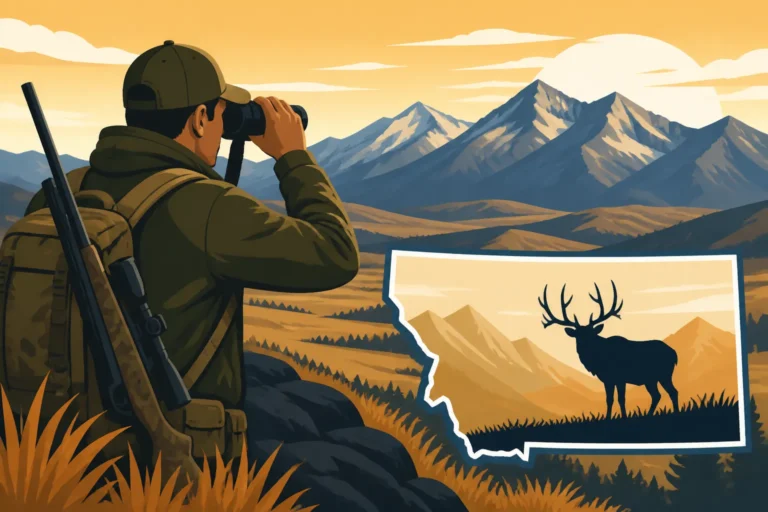
The allure of Montana's wilderness areas is undeniable. Imagine crisp mountain air, towering peaks, and the primal thrill of tracking a bull elk where few other hunters dare to tread. It's the promise of untouched country, less pressured animals, and the chance for a truly authentic hunting adventure. Many of us dream of escaping the crowds that can plague more accessible areas, seeking solace and success in the remote reaches. The quiet solitude, the raw beauty of places like the Bob Marshall Wilderness, and the satisfaction of earning every mile and every opportunity are powerful draws.
However, the reality is a stark contrast to a romanticized notion. This isn't a walk in the park; it's a grueling physical and mental marathon. You'll carry everything you need on your back, navigating treacherous terrain, enduring sudden shifts in weather, and facing the very real possibility of coming home empty-handed after days of relentless effort. The physical toll is immense, from miles of vertical gain to the back-breaking task of packing out hundreds of pounds of meat over rugged trails. Mentally, the solitude can be challenging, the setbacks frustrating, and the constant awareness of self-preservation exhausting. It truly tests your resolve and preparation.
Key Differences from Front-Country Hunting
The distinctions between hunting the accessible "front country" and the remote backcountry are profound, affecting everything from planning to execution. In the front country, you often have vehicle access, cell service, and relatively easy routes for packing out meat. Hunter pressure can be high, but resupply and emergency aid are usually not far away.
In the backcountry, all that changes. Access is often limited to foot or horseback, meaning every item must be carried in and every ounce of meat packed out manually. Hunter pressure, while still present in some popular wilderness areas, is generally far lower than in roaded units, particularly if you're willing to go an extra few miles. This can translate to more undisturbed elk behavior and potentially better opportunities. However, the trade-off is absolute self-reliance. There are no convenience stores, no quick trips back to the truck, and emergency services are hours, if not days, away. Logistics become paramount, from water purification to navigation without cell service. You are the support crew, and your life, or at least the success of your hunt, depends entirely on your preparation and decision-making.
Essential Preparation for a Montana Backcountry Elk Hunt
A successful backcountry elk hunt isn't born in the field; it's forged months, if not years, before you ever tie on your boots. The sheer scale and challenges of Montana's wilderness demand an exceptional level of readiness, spanning your body, your gear, and your knowledge of the terrain.
Physical and Mental Conditioning
Let's be blunt: if you're not in peak physical condition, a Montana backcountry elk hunt will break you. The mountains here are relentless. You'll be climbing thousands of feet of elevation daily, traversing steep side-hills, and slogging through thick timber, all while carrying a heavy pack. This isn't just about being able to walk; it's about having the endurance to perform under duress for days on end, and then, if successful, pack out hundreds of pounds of meat over the same brutal terrain. You'll want to focus on a rigorous training regimen that includes significant cardiovascular work, strength training for your legs and core, and weighted hikes. Simulating the demands of the hunt with a fully loaded pack on varied terrain is invaluable. Consider reading a guide on a comprehensive Montana Elk Hunt Fitness Plan to get started.
Beyond the physical, the mental game is equally crucial. Backcountry hunting often means enduring discomfort, solitude, and setbacks. You'll likely face bad weather, missed opportunities, and the gnawing doubt that comes from being deep in the wilderness without immediate success. Developing mental toughness involves embracing the suck, pushing through pain, and maintaining a positive attitude even when things go sideways. Practicing mindfulness and visualizing success, as well as failure scenarios, can help build the resilience needed to stay sharp and make sound decisions when exhaustion sets in.
Gear Selection for Remote Operations
When every ounce counts, your gear selection moves from important to critical. The ultralight philosophy reigns supreme here, but without sacrificing essential functionality or safety. You need dependable, high-performance gear that can withstand the rigors of the mountains and protect you from the elements.
- Shelter: A lightweight, durable tent or tarp system suitable for harsh mountain weather is non-negotiable. Look for models designed to shed wind and snow effectively. If you're planning a longer stay, setting up a proper How to Set Up a Montana Spike Camp can make a huge difference in comfort and recovery.
- Sleep System: A high R-value sleeping pad and a warm down sleeping bag are crucial for restful sleep in cold mountain nights. Don't skimp here; poor sleep degrades performance rapidly.
- Navigation: While GPS devices and smartphone apps are invaluable, always carry a physical map and compass as backup. Learn how to use them. Tools like those offered by GoHunt provide incredible satellite imagery and public/private land overlays that are essential for e-scouting and in-field navigation.
- Optics: High-quality binoculars and a spotting scope are your eyes in the vast Montana landscape. You'll spend countless hours glassing, so clear, bright optics are a must.
- Pack: A comfortable, high-capacity pack (6000+ cubic inches) with a strong frame is vital for carrying your gear in and packing meat out. Ensure it fits well and can handle heavy loads.
- First Aid & Emergency: A comprehensive first-aid kit, satellite messenger (like a Garmin inReach or Zoleo), headlamp, fire starter, knife, and bear spray are non-negotiable safety items.
- Clothing: Layering is key. Pack moisture-wicking base layers, insulating mid-layers, and waterproof/windproof outer shells. Avoid cotton entirely.
For a more detailed breakdown, consult a dedicated Montana Backcountry Hunting Gear List. Remember, every item should have a purpose, and ideally, multiple purposes. Research gear extensively; platforms like GoHunt often have gear reviews and recommendations from experienced hunters.
E-Scouting and In-Season Scouting Strategies
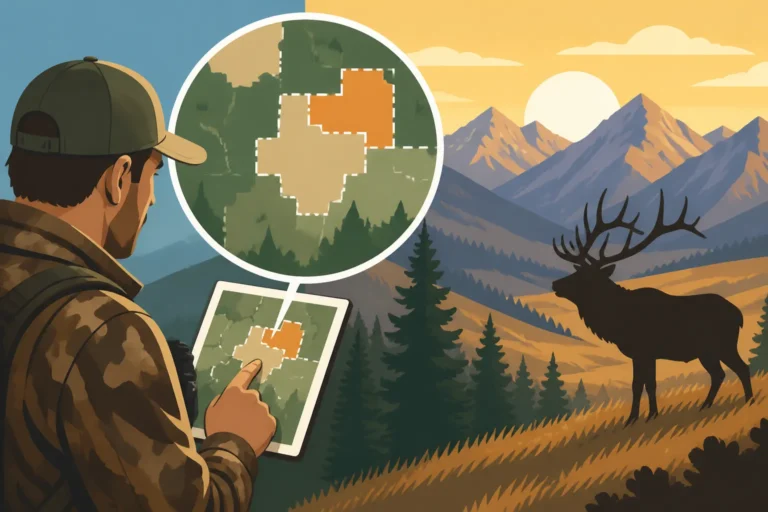
Before you ever set foot in the wilderness, your hunt begins from behind a screen. E-scouting is the art of using digital mapping tools to virtually explore your hunting unit, identify potential elk habitat, and plan your routes. Platforms like GoHunt are indispensable for this, allowing you to examine topo lines, identify potential bedding areas, feeding grounds, water sources, and escape routes. Look for north-facing slopes, dark timber pockets, saddles, and benches that provide security and thermal cover for elk. Pay attention to changes in elevation, natural funnels, and areas with limited human access. Learning How to E-Scout Montana Elk Before the Season is a critical skill for maximizing your time in the field.
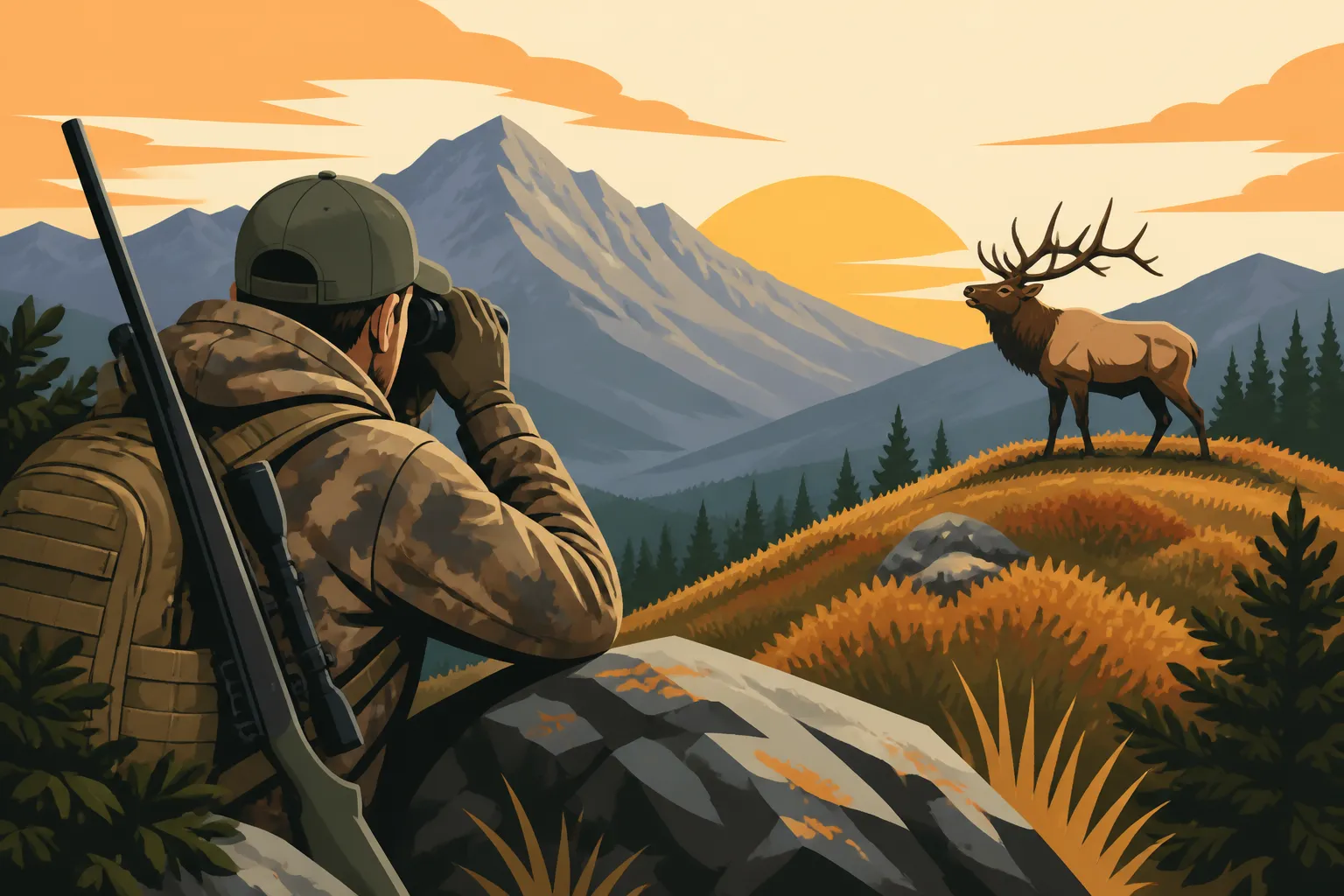
Once you're actually in the backcountry, in-season scouting becomes paramount. This isn't about covering endless miles randomly; it's about strategic movement and careful observation. Spend ample time glassing from high vantage points. Identify fresh sign—tracks, scat, rubs, and wallows. Use your ears; listening for distant bugles or the snapping of branches can pinpoint elk movement. Early mornings and late evenings are prime times for elk to be active. Don't be afraid to sit and observe for long periods, letting the mountain tell its story. The more you understand the terrain and how elk use it, the better your chances of intercepting them.
Effective Backcountry Hunting Tactics for Montana Elk
Once you've done the prep work and you're deep in the wilderness, it's time to put those boots on the ground and implement tactics that work. Backcountry elk hunting often boils down to a blend of persistence, strategic movement, and an understanding of elk behavior in remote environments.
Locating Elk in Vast Wilderness
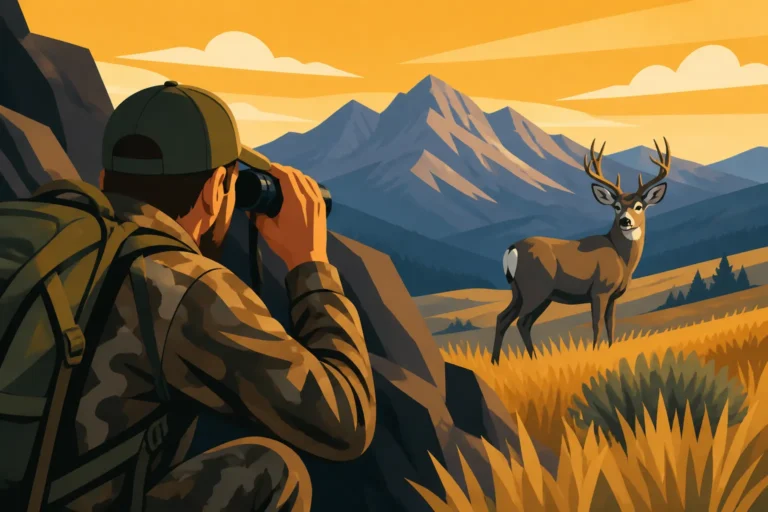
Finding elk in Montana's expansive backcountry is arguably the hardest part of the equation. These animals are masters of their domain, using dense timber, steep terrain, and vast distances to their advantage. Your primary tool will be your optics. From a high vantage point, systematically How to Glass Montana's Big Country, dissecting every ridge, basin, and patch of timber. Look for subtle movements, a flash of antler, or the faint outline of an animal against the trees. Mornings and evenings are crucial glassing times when elk are most likely to be out feeding.
Beyond sitting and glassing, you need to cover ground, but do so purposefully. Don't just wander; hunt. Focus on high-priority areas identified during your e-scouting: north-facing slopes with dark timber for bedding, benches below steep cliffs, and saddles that serve as travel corridors. Elk often seek out the steepest, nastiest terrain that offers thermal cover in colder weather and cool pockets in warmer early-season hunts. When moving through timber, employ a slow, deliberate still-hunting approach, constantly checking the wind and listening for sounds. Remember that elk in the backcountry often behave differently than those closer to roads; they may be less vocal and more wary, so honing your senses is vital.
Stalking and Calling Strategies
Once you've located elk, or at least fresh sign, the stalking and calling game begins. Wind is your absolute boss in elk country; a shifting breeze can instantly ruin a carefully planned approach. Always approach from downwind, using terrain features and vegetation to conceal your movement. Move slowly, deliberately, and quietly, paying attention to every step. In steep, broken country, this often means taking one step, pausing, and listening for five minutes before taking another. Utilize How to Use Thermals in Montana Elk Country, understanding that cold air sinks in the mornings and warm air rises in the afternoons, influencing how your scent travels.
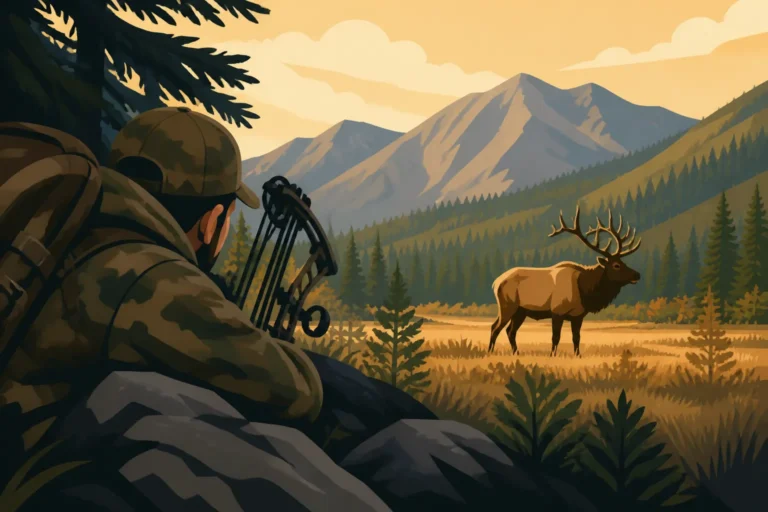
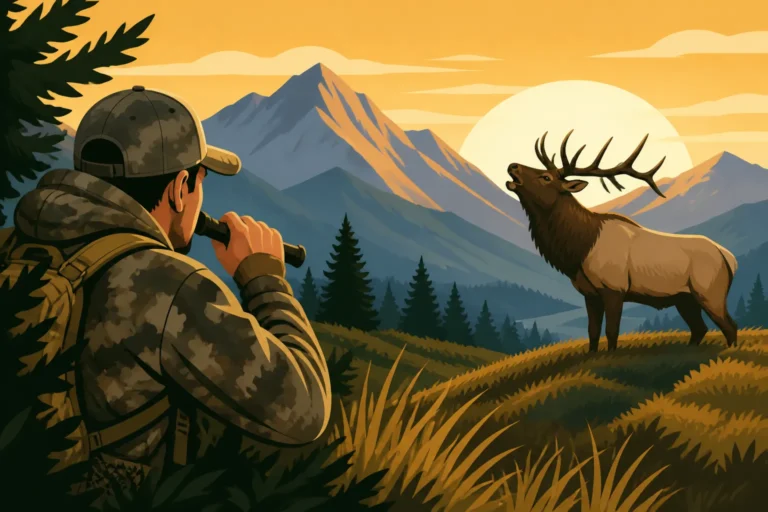
Calling in the backcountry can be incredibly effective, especially during the rut. However, it's a nuanced art. During early archery season, or if bulls are quiet, subtle cow calls or soft mews might be more effective than aggressive bugles. For a more in-depth look, check out our guide on Montana Elk Hunting: Calling Tactics. If you hear a bull bugle, assess his location and mood. Is he alone? Is he with cows? Is he moving towards you or away? Sometimes, a soft, seductive cow call is all it takes to bring a curious bull into range, while other times, an aggressive challenge might be necessary. The key is to read the situation and adapt. Be patient, set up smartly, and always be ready for a shot.
Dealing with Success: Field Care and Pack Out
Harvesting an elk in the backcountry is a monumental achievement, but it's only half the battle. Now comes the hard part: getting the meat off the mountain. Immediate and proper field care is paramount to preserving your hard-earned protein, especially in Montana's often-mild early seasons. Quickly and efficiently quarter the animal, removing all four quarters, the backstraps, tenderloins, neck meat, and any other edible portions. Skinning and boning the meat further reduces weight and allows for faster cooling. Hang the quarters in game bags in the shade, ideally in a breezy spot, to promote air circulation and cooling. If you’re unsure how, consult our guide on How to Quarter an Elk in the Montana Backcountry. Keeping the meat clean and cool is critical.
The pack out is a grueling test of will. You'll likely be making multiple trips, each load weighing 70-100+ pounds. Break down the task into manageable segments. Prioritize meat and cape (if you're taking it), then your camp gear. Hydrate constantly, fuel your body, and take frequent breaks. A good partner is invaluable, but if you're alone, read up on How to Pack Out an Elk in Montana for solo strategies. The terrain that was challenging on the way in will be even more so with a heavy load, so move cautiously and deliberately. This is where your physical conditioning truly pays off.
Navigating Challenges and Ensuring Safety
The backcountry is an unforgiving environment. While the rewards are immense, so are the risks. Being prepared for the unexpected is not just good practice; it's essential for survival and a safe return.
Weather Extremes and Contingency Planning
Montana weather is notoriously fickle. You can start your day under sunny skies and be caught in a white-out blizzard or torrential rainstorm by afternoon, even in September. Being unprepared for sudden shifts can quickly lead to hypothermia, exposure, or worse. Always check the forecast, but pack for the worst-case scenario. This means carrying waterproof outer layers, extra insulation, and emergency shelter even if the sun is shining. Our guide on How to Handle Cold-Weather Gear for Montana offers excellent advice on staying warm and dry.
Develop a detailed contingency plan. What will you do if a severe storm rolls in? Where is your nearest safe haven or bail-out point? What if someone in your party gets injured? Having a satellite communication device is critical for calling for help when out of cell range. A small, lightweight tarp can quickly be deployed for an emergency shelter. Always inform someone of your exact hunting plans, including your intended route and expected return date, and stick to that plan as closely as possible.
Wildlife Encounters and Remote First Aid
Montana's backcountry is home to more than just elk. You're sharing the landscape with grizzly bears, black bears, mountain lions, and other formidable wildlife. Carrying bear spray and knowing how to use it is non-negotiable, especially in grizzly country which covers much of western Montana. Make noise while hiking, especially in dense cover, to avoid surprising an animal. Store food and scented items properly to prevent attracting bears to your camp or meat cache. Knowledge of bear behavior can literally save your life.
Equally important is a solid understanding of remote first aid. Injuries happen in the wilderness, from sprained ankles to deep cuts. You won't have immediate access to medical professionals, so you and your hunting partners must be capable of stabilizing injuries and providing basic life support. Carry a comprehensive wilderness first-aid kit and know how to use every item in it. Consider taking a wilderness first-aid course before heading out. The ability to treat a wound, splint a broken bone, or manage shock can be the difference between a minor incident and a life-threatening emergency when you're days from help.
Water and Food Management in the Backcountry
Maintaining proper hydration and nutrition is critical for sustained performance and safety in the backcountry. Dehydration and calorie deficits can quickly lead to fatigue, poor decision-making, and increased susceptibility to cold. Never assume water will be readily available everywhere. Identify potential water sources during e-scouting, and always carry a reliable water filter or purification system. Many hunters prefer a combination of filter and chemical tablets for redundancy. Knowing where to find water and how to make it safe to drink is fundamental to backcountry travel.
For food, prioritize calorie-dense, lightweight, and easy-to-prepare options. Dehydrated meals, nuts, jerky, energy bars, and dried fruit are excellent choices. Pack enough food for your planned trip duration, plus an extra day or two's worth in case of delays or unexpected extensions. Plan your meals carefully to ensure you're getting adequate nutrients and calories to fuel your body for the demanding physical exertion. Don't underestimate how many calories you burn hiking in steep country with a heavy pack.
Backcountry vs. Front-Country Elk Hunting
To highlight the critical distinctions, here’s a quick overview of what sets backcountry elk hunting apart from its front-country counterpart:
| Feature | Backcountry Elk Hunting | Front-Country Elk Hunting |
|---|---|---|
| Access | Foot, horse, pack animal only; often miles from roads. | Vehicle access, roads, established trailheads. |
| Hunter Pressure | Generally lower, especially deeper into wilderness. | Often higher, especially near roads and popular areas. |
| Logistics | Extreme self-reliance; carry all gear, multi-day pack outs. | Easier resupply, quicker pack outs. |
| Physical Demand | Very high; sustained effort over rugged, steep terrain. | Moderate to high; varied terrain, but often less extreme. |
| Emergency Help | Days away; satellite communication essential. | Hours away; cell service often available. |
| Shelter | Lightweight tents, tarp systems, spike camps. | Truck campers, wall tents, cabins, established campgrounds. |
| Elk Behavior | Potentially less pressured, more natural behavior patterns. | More wary, often nocturnal or driven to thick cover. |
| Gear Weight | Ultralight philosophy critical; every ounce matters. | More flexibility; heavier, more comfortable gear often feasible. |
| Experience | Profound solitude, ultimate self-reliance, high adventure. | More social, often easier to manage trip logistics. |
Backcountry elk hunting in Montana offers an unparalleled experience, pushing you to your physical and mental limits while immersing you in some of the most stunning wilderness on Earth. It's not for the faint of heart, but for those willing to put in the work, the rewards are often far greater than just the meat in the freezer.
Disclaimer
The information provided in this guide is for informational purposes only and is not a substitute for professional instruction, local regulations, or personal safety precautions. Hunting involves inherent risks, and conditions in the backcountry can change rapidly. Always consult the most current Montana Fish, Wildlife & Parks regulations and consider obtaining professional training for wilderness survival and first aid before embarking on any backcountry hunt.