Best Montana Outfitters for Plains Antelope
Hunting for plains antelope in Montana offers an incredible experience, but for many, especially those new to hunting the vastness of the Big Sky Country or unfamiliar with its unique draw systems, finding the right outfitter can feel like searching for a needle in a haystack. This guide is designed to cut through the confusion, helping you understand what makes a great Montana plains antelope outfitter and how to secure a hunt that fits your aspirations and budget.
Why the Montana Plains for Antelope?
Montana's Eastern Plains are a legendary landscape, stretching seemingly forever under immense skies, and they're home to an incredible population of pronghorn, often mistakenly called antelope. These creatures are truly one-of-a-kind, built for speed and survival in wide-open spaces. But beyond the sheer numbers, there's a unique appeal to chasing these speed goats across the prairie that sets it apart from mountain elk or timber deer hunting.
The Unique Appeal of Plains Antelope Hunting
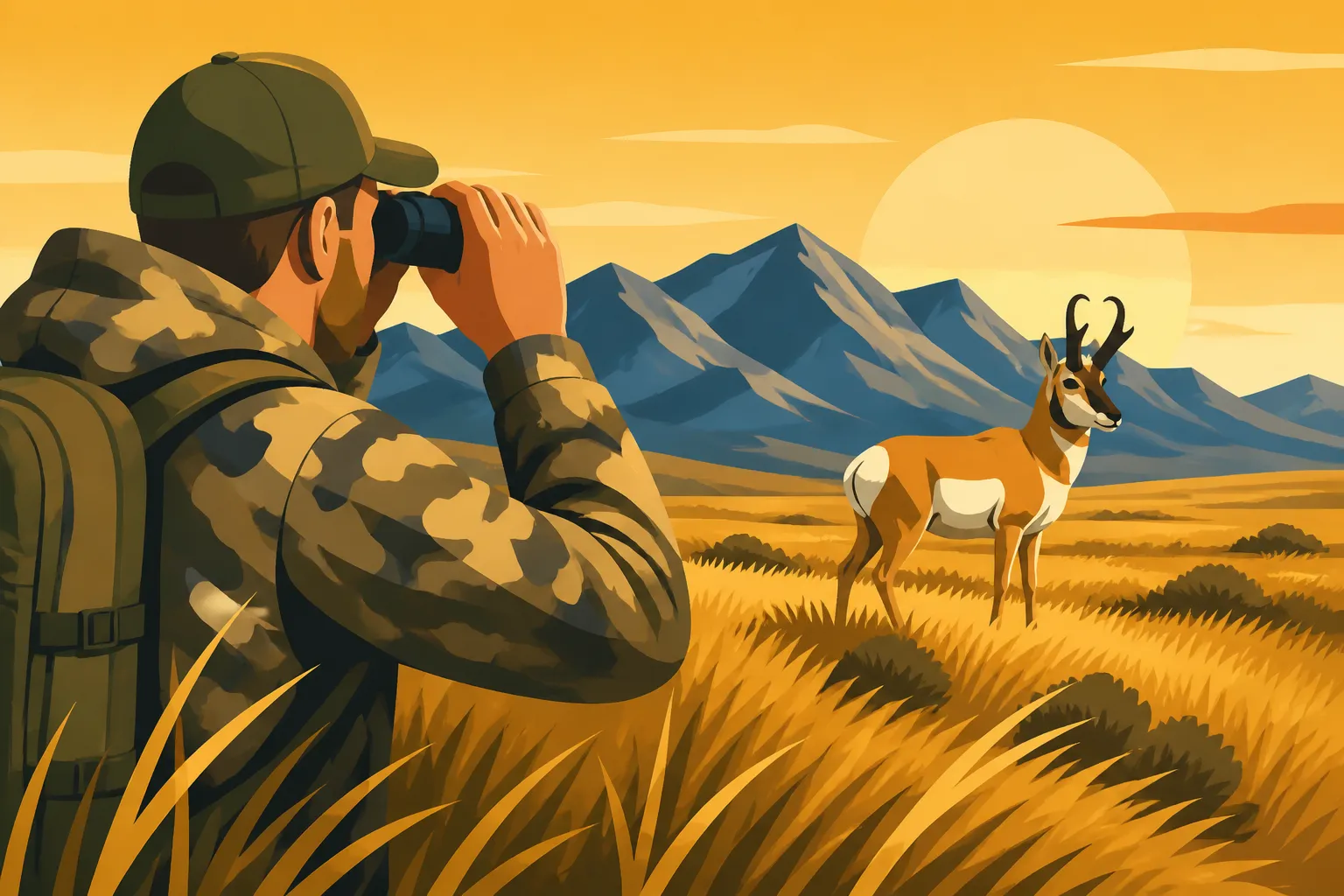
There's a raw, elemental beauty to hunting the Montana plains. Unlike the dense timber or steep mountains, here you're often exposed, relying heavily on optics, patience, and knowing how to read the subtle contours of the land. The sheer expansiveness means you can spot animals from miles away, but it also means they can spot you. It's a game of chess played across endless prairies, coulees, and sagebrush flats. The satisfaction of closing the distance on a wary pronghorn buck, often through multiple stalks or by using natural topography to your advantage, is immense. It's an active hunt, often involving a good deal of walking, crawling, and creative thinking, making it incredibly engaging for hunters of all experience levels.
For many, the idea of an antelope hunt also comes with the allure of a shorter, often more accessible trip compared to a multi-day backcountry elk expedition. While still challenging, the logistics can be less intense, and success rates can be quite favorable with the right approach and a knowledgeable guide. Plus, the meat from these animals is lean and delicious, making for excellent table fare after a hard day's hunt.
Understanding Plains Antelope Behavior
To successfully hunt antelope, whether guided or DIY, you need a solid grasp of their behavior, and a good outfitter will be intimately familiar with it. Pronghorn are creatures of habit, often following similar routes to water, feed, and bedding areas. They thrive on open country where their incredible eyesight and blazing speed are their primary defenses. They'll typically bed down in shallow depressions or behind sparse cover, always with a clear line of sight to their surroundings.
Their rut usually kicks off in late September, which can make for some exciting, action-packed hunting as bucks clash and chase does. However, during the early archery season, they might be more focused on water sources, especially during hot, dry periods. Later in the rifle season, they're often found in larger herds, which can be both a blessing and a curse – more eyes to spot you, but more animals to potentially pick from. A reputable outfitter on the Montana plains will know these patterns like the back of their hand, adapting strategies based on the time of year, weather conditions, and specific herd movements. Understanding Montana Pronghorn Behavior and Biology is key to a successful hunt.
What to Look for in a Plains Antelope Outfitter
Choosing the right outfitter isn't just about finding someone with an opening in their schedule; it's about finding a partner who aligns with your hunting goals and provides the experience you're looking for. The vastness of Montana's plains demands specific expertise, and a great outfitter will demonstrate this in several ways.
Experience and Specialization in Antelope Hunts
First and foremost, you want an outfitter who specializes in antelope, particularly on the plains. While many outfits offer a variety of big game hunts, those who excel at antelope understand the nuances of stalking these animals in open terrain, the importance of optics, and how to read the subtle changes in their behavior. Ask about their tenure in the specific region you'll be hunting. How long have they been guiding antelope hunts specifically? Do they have guides dedicated solely to antelope or do they rotate them across multiple species? An outfitter who focuses heavily on antelope will likely have a deeper understanding of local herd movements, preferred feeding grounds, and water sources.
A specialized outfitter will also be proficient in different hunting methods that work for antelope. Are they experts at spot-and-stalk? Do they utilize ground blinds over water holes, especially during the archery season? Do they understand how to use decoys effectively? These are all tactics that require specific skills and knowledge that come from years of dedicated antelope hunting experience. How to Decoy Antelope in Montana or How to Spot-and-Stalk Montana Antelope are highly effective methods, and a good outfitter will master these.
Public vs. Private Land Access
This is a critical distinction when hunting antelope in Montana. Much of the prime antelope habitat is on private land, often vast cattle ranches. Outfitters who have established long-term relationships with landowners often have access to huge tracts of private ground, which can significantly increase your odds of success and provide a less pressured hunting experience. This access is typically built on years of trust and careful land management, and it's a major value proposition for a guided hunt. They might also utilize Block Management Areas, which provide public access to private lands, but often require specific permits or sign-ins. Montana Block Management Areas Explained is a great resource to understand these programs.
On the other hand, some outfitters specialize in hunting public land. This often means dealing with more pressure from other hunters, but it can also lead to a more "wilderness" feel, even on the plains. Public land hunts require a guide who is an expert at navigating these lands, identifying pockets of unpressured animals, and being adept at finding productive areas where others aren't willing to go. Be sure to ask your potential outfitter which type of land they primarily hunt and what their strategy is for each. The difference in experience and success rates can be substantial.
Guiding Style and Success Rates
Every outfitter has a different guiding style. Some are very hands-on, providing constant direction and strategy during the hunt, while others prefer to let you take the lead once an animal is spotted. Consider what kind of experience you're seeking. Do you want to learn as much as possible, or do you prefer a more independent hunt with expert assistance? Discuss this openly during your initial conversations.
When it comes to success rates, it's important to approach this topic realistically. A good outfitter will be transparent about their harvest rates and opportunity rates. A 100% harvest rate is rare and can sometimes be a red flag. What you really want to know is the percentage of hunters who got an opportunity to shoot, and the percentage who actually harvested an animal. Ask them what factors influence their success (e.g., weather, hunter skill, time of year). A solid outfitter will be proud of their consistent track record and their ability to put hunters on animals, even if every shot doesn't result in a filled tag. They should also be transparent about how they define "trophy potential" if that's a goal for you.
Finding and Vetting Potential Outfitters
The process of finding a quality outfitter can be daunting, but with the right tools and a systematic approach, you can narrow down your options and make an informed decision. Remember, this is a significant investment in your hunting experience, so take your time and do your homework.
Online Resources and Platforms
In today's digital age, many hunters begin their search online. Platforms like BookYourHunt can be a fantastic starting point, as they aggregate listings from numerous outfitters, often providing initial details, photos, and even client reviews. This allows you to quickly compare different operations in the Montana plains region, see what services they offer, and get a general sense of their pricing structure without having to contact each one individually. Another invaluable resource is GoHunt, which often provides detailed draw odds, unit breakdowns, and sometimes features outfitters that operate in specific, high-quality hunting districts. Using these tools to create an initial shortlist can save you a lot of time.
Beyond these dedicated hunting platforms, don't underestimate the power of online forums, hunting communities, and social media groups. Many experienced hunters are willing to share their past experiences, good or bad, and can offer recommendations or warnings. Just be sure to cross-reference any information you find and consider the source. A glowing review from a friend is valuable, but a pattern of consistent positive feedback across multiple independent sources is even better. Exploring How to Read Montana Draw Odds and Montana Hunt Planner Maps Explained can also help inform your choice of outfitter location.
Asking the Right Questions and Checking References
Once you have a shortlist, it's time to start making calls. Prepare a list of detailed questions. Beyond the obvious about dates and prices, delve into the specifics:
- What is their guide-to-hunter ratio? (Lower is generally better for personalized attention).
- What is a typical day on an antelope hunt like?
- What is the average shot distance they expect on their hunts?
- What gear should you bring? (They might have a Montana Backcountry Hunting Gear List or similar recommendations).
- How do they handle game recovery and meat care in the field, especially during warmer early seasons? (Critical for antelope meat quality).
- What are the accommodations like?
- How many hunters do they take per season?
- What happens if you don't draw a tag? (For non-residents, this is crucial if the outfitter helps with the application process).
Crucially, always ask for references – at least three, and preferably recent ones from hunters who hunted antelope with them in the last year or two. When you call these references, don't just ask if they had a good time. Ask specific questions: Did the outfitter deliver on their promises? Was the food good? Was the guide knowledgeable? Would they hunt with them again? Did they feel safe and well-prepared? These insights are gold.
Understanding Costs and Inclusions
Montana antelope hunts can vary significantly in price, depending on the outfitter's reputation, the type of land (private vs. public), the length of the hunt, and what's included. Get a clear, itemized breakdown of costs. This should include the daily rate, food, lodging, guide fees, field transportation, and initial game care. Be sure to ask about any additional costs, such as license and tag fees (which you’ll purchase separately), meat processing, taxidermy, travel to and from the lodge, and tips for your guide and staff.
A common oversight is failing to budget for unexpected expenses. While a good outfitter will be transparent, always factor in a buffer for incidentals. Compare what different outfitters include in their "all-inclusive" packages. Sometimes, a slightly higher upfront cost can mean fewer surprise expenses down the road. Understanding the full financial picture upfront will help avoid any uncomfortable surprises after the hunt. Montana Nonresident Antelope Tag Cost and Montana Application Fees Explained are separate expenses to consider.
| Feature / Consideration | Guided Public Land Hunt | Guided Private Land Hunt | Semi-Guided Hunt | Drop Camp |
|---|---|---|---|---|
| Land Access | BLM, State Trust Land, National Grasslands | Exclusive Ranch Leases, Landowner Agreements | Mix of public/private, often with specific access points | Designated Wilderness/Roadless areas |
| Hunter Pressure | Potentially Higher | Generally Lower | Varies greatly, often moderate | Very Low |
| Success Rates (Opportunity) | Can be excellent with expert guide, requires more effort | Often Very High due to managed herds | Good, but more reliance on hunter skill | Good, but requires significant hunter skill/self-sufficiency |
| Cost | Typically lower than private land guided | Generally Higher | Moderate | Moderate to Low (guide packs in/out, but no daily guide) |
| Inclusions | Guide, field transport, basic field care | Guide, lodging, food, field transport, full field care | Maps, access info, advice, possibly transport to hunt area | Pack-in/out, camp setup, food delivery (sometimes) |
| Skills Required | Moderate to High (physical, stalking) | Moderate (physical, stalking) | High (navigation, game finding, stalking) | Very High (all aspects of hunting/camping) |
| Gear Required | Standard hunting gear, good optics | Standard hunting gear, good optics | Standard hunting gear, more self-reliance gear | Extensive backcountry camping/hunting gear |
Preparing for Your Montana Plains Antelope Hunt
Once you've booked your outfitter, the real excitement (and preparation!) begins. A successful antelope hunt, even with a great guide, depends heavily on your readiness. The wide-open spaces and variable weather of the Montana plains demand specific physical and mental preparation.
Physical Preparation and Gear
While not as physically demanding as a mountain elk hunt, chasing plains antelope can still involve a lot of walking, often quickly, and frequent crawling. You'll be covering ground, glassing constantly, and potentially executing multiple stalks over uneven terrain under the bright Montana sun. Don't underestimate the physical toll of a multi-day hunt, especially if you're not accustomed to higher elevations (even on the plains, you're still at altitude). Start a walking regimen well in advance, focusing on covering distance with a pack, if possible. Incorporate some exercises that strengthen your core and legs, as getting up and down for stalks can be tiring.
Your gear selection is also paramount. Optics are king on the plains; invest in the best binoculars and spotting scope you can afford. You'll be spending hours glassing. Lightweight yet durable hunting boots are essential for covering many miles. Dress in layers, as mornings can be crisp, and midday temperatures can soar, even in the fall. Be sure to pack a good quality rangefinder, as judging distance in open country can be incredibly deceptive. A sturdy shooting stick or bipod is highly recommended for stable long-range shots. Your outfitter will likely provide a detailed gear list, so follow it closely. You might also find Best Optics for Montana Big Game helpful for selection.
Mental Mindset for the Open Country
Hunting antelope on the plains is as much a mental game as it is a physical one. These animals are incredibly wary, with phenomenal eyesight. You will likely be spotted. You will likely have stalks blown. You might spend hours watching a buck only for it to vanish over a rise. Frustration can easily set in if you're not mentally prepared. Cultivate patience and persistence. Embrace the challenge of reading the landscape, using every fold and dip for cover. Learn to enjoy the process of the hunt, the beauty of the plains, and the camaraderie with your guide, regardless of the outcome.
The ability to make a quick decision and execute a shot when the opportunity arises is also crucial. Unlike hunting in dense cover where animals might be momentarily confused, antelope in the open are rarely static for long once they sense danger. Practice shooting from various positions – prone, kneeling, sitting – and be comfortable with the distances your rifle is sighted for. A calm, focused mindset, combined with solid preparation, will significantly enhance your overall hunting experience and your chances of success.
Disclaimer
This article is for general informational purposes only and does not constitute professional advice. Laws, prices and regulations vary by location and change over time. Consult a qualified professional for guidance on your specific situation.