Montana Guided Youth Hunts
The dream of taking your child on their first hunt in Big Sky Country is powerful, but let's be honest, the idea of orchestrating an entire Montana hunting trip, especially with a young one in tow, can feel utterly overwhelming. From deciphering licensing regulations to finding suitable terrain and ensuring a positive, educational experience, it's a huge undertaking. This guide is here to walk you through everything you need to know about Montana Guided Youth Hunts, offering insights into why they can be the perfect solution for families looking to introduce their children to the outdoors responsibly and enjoyably.
The Value of a Guided Youth Hunt in Montana
Bringing a young hunter into the field is one of the most rewarding experiences a parent can have, but it also comes with immense responsibility. Montana is a vast, wild state, and navigating its diverse landscapes and intricate hunting regulations can be a steep learning curve for anyone, let alone someone trying to guide a child simultaneously. That's where a quality guided youth hunt truly shines, providing an unparalleled foundation for safety, ethics, and skill development.
Building Foundational Skills and Ethics
When you think about taking a kid hunting, you're not just thinking about pulling a trigger. You're thinking about teaching them respect for wildlife, understanding ecosystems, practicing patience, and handling a firearm or bow safely. For many parents, especially those who might be newer to hunting themselves or simply don't have the deep experience in Montana's specific challenges, hiring a guide means your child gets to learn from a seasoned professional.
Imagine a scenario: You're a parent who grew up hunting deer in the Midwest, but now you live in a different area and want to introduce your 12-year-old to elk hunting in Montana. The terrain, the game behavior, the weather patterns – it's all different. A professional guide brings years of experience, knowing how to approach game quietly, interpret tracks, understand thermals, and make crucial decisions in the field. They can patiently explain why scent control is vital in one moment, then demonstrate ethical shot placement in the next. This mentorship goes beyond just finding an animal; it instills a profound respect for the animal and the hunting tradition. They'll teach your child about fair chase, conservation, and the importance of responsible land stewardship, ensuring that your young hunter develops into an ethical and knowledgeable outdoors person.
Navigating Montana's Unique Challenges
Montana is famous for its breathtaking landscapes and abundant wildlife, but it's also notorious for its challenging hunting conditions. We're talking about vast public lands, dense timber, steep mountains, and wide-open prairies. Game animals, especially elk and mule deer, are wild and wary, constantly on the move, and often found in remote, rugged country. Trying to keep a young hunter motivated and safe while simultaneously tracking game, reading terrain, and managing logistics can quickly become overwhelming.
A professional outfitter understands these challenges intimately. They know the hunting districts, the seasonal movements of animals, and the best strategies for a successful hunt. For instance, an experienced guide can help you avoid areas with high hunter pressure, leading your child to quieter spots where they'll have a better chance of encountering game without the stress of competition. They'll know the difference between hunting the dense timber of western Montana versus glassing the open plains for antelope. They handle the difficult navigation, ensure proper gear is used, and manage the physical demands so your child can focus on the experience. This expertise can transform a potentially frustrating trip into a memorable and successful adventure, fostering a love for hunting rather than burnout. This kind of specialized knowledge is invaluable when considering something like How to Hunt Elk in Montana's Wilderness or even just understanding Montana Public Land Hunting Guide.
What to Look for in a Montana Youth Hunt Outfitter
Choosing the right outfitter for a Montana Guided Youth Hunt is perhaps the most critical decision you'll make. This isn't just about finding someone who can locate game; it's about finding a mentor who will prioritize safety, foster a love for the outdoors, and create a positive, lasting memory for your child.
Safety First and Mentorship Qualities
When it comes to youth hunting, safety isn't just a priority; it's the absolute foundation. A reputable outfitter for youth hunts will have impeccable safety protocols, from firearm handling rules to emergency procedures. They should be certified in first aid and CPR, and their equipment, whether it's vehicles, horses, or camp gear, should be well-maintained and safe. Don't hesitate to ask about their specific safety plans for hunts involving minors.
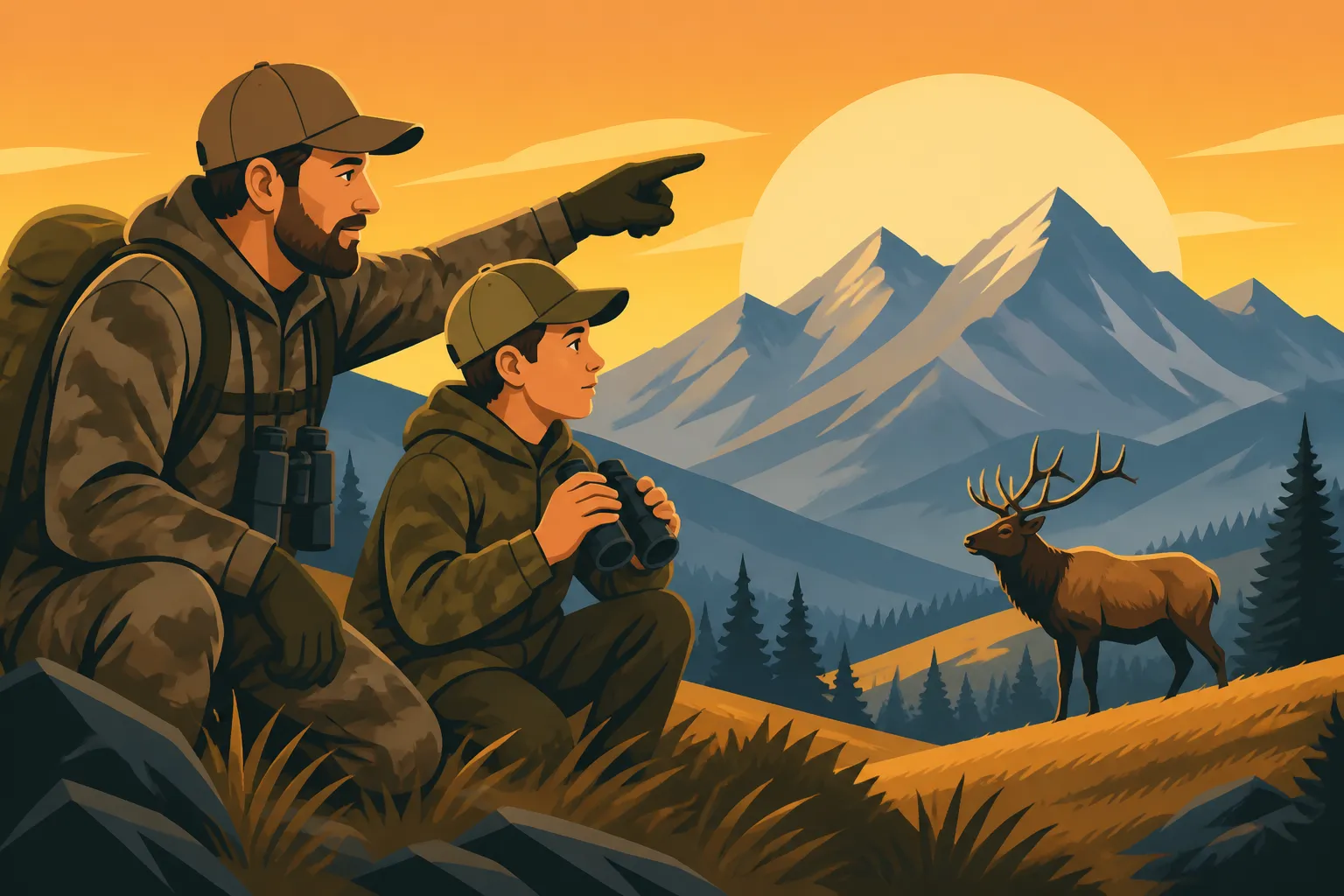
Beyond safety, consider the guide's demeanor and ability to connect with young people. Is the guide patient, encouraging, and enthusiastic? Do they genuinely enjoy teaching and mentoring? A great youth hunting guide isn't just a tracker or a shooter; they are an educator. They should be able to explain concepts clearly, answer questions patiently, and make the experience fun and engaging for a child. They'll know how to manage expectations, celebrate small victories (like spotting a distant herd), and provide comfort and motivation when things get tough. Look for an outfitter who emphasizes the journey, the learning, and the appreciation for nature, not just the harvest. A truly exceptional guide will prioritize your child's positive experience over simply bagging an animal, understanding that building character and a love for hunting is the real trophy.
Age-Appropriate Experiences and Game Focus
Not all hunts are created equal when it comes to young hunters. What might be an exhilarating challenge for an experienced adult could be overwhelming or even dangerous for a child. A good outfitter will offer age-appropriate experiences. For very young hunters, a high-success antelope hunt on the plains might be ideal, minimizing arduous trekking and maximizing opportunities for an encounter. These hunts typically involve less strenuous physical activity and shorter distances, which is perfect for a child's attention span and stamina.
As a child gains experience and physical conditioning, they might graduate to How to Hunt Mule Deer on Montana Public Land or even an archery elk hunt. Discuss your child's experience level, physical fitness, and what you hope they'll gain from the hunt with potential outfitters. A thoughtful outfitter will tailor the experience, perhaps focusing on a less physically demanding area for a younger child, or emphasizing calling techniques for an older, more patient youth on an elk hunt. They should be flexible and understand that the goal is to build confidence and enjoyment, not to push a child beyond their limits. Be wary of outfitters who promise "trophy hunts" for youth without discussing the realistic challenges and potential for long, hard days that might not be suitable. Understanding Montana Mule Deer Hunting: Spot-and-Stalk Tactics might be too advanced for a beginner, for example.
Logistics and Inclusions for Families
When booking a guided youth hunt, it's essential to understand exactly what's included and how the logistics will work for your family. Many outfitters offer "family-friendly" packages, which might include specific accommodations or activities tailored for parents who wish to accompany their child, even if they aren't hunting themselves.
Ask about lodging arrangements – is it a comfortable base camp with cabins, a wall tent camp, or do you stay in a nearby town? What about meals? Are they provided, and are they suitable for a child's palate? Transportation in the field, equipment like optics, and even the processing and care of harvested game are all important details. Some outfitters might provide all necessary hunting gear, while others expect you to bring your own. If you’re considering a backcountry hunt, you'll need to know How to Pack Into the Montana Backcountry and what gear is provided. For a truly smooth experience, a good outfitter will clearly outline what's included in the price, any additional costs (like licenses, tags, or meat processing), and how they manage the entire experience from start to finish, ensuring transparency and no unwelcome surprises for parents.
Here's a quick look at common game animals for youth hunts:
| Game Animal | Typical Age Suitability | Effort Level | Success Rate Potential | Primary Habitat |
|---|---|---|---|---|
| Antelope | 10+ (with experience) | Low to Medium | High | Eastern Plains |
| Whitetail | 10+ | Medium | Medium to High | River Bottoms, Farmland |
| Mule Deer | 12+ (with conditioning) | Medium to High | Medium | Breaks, Foothills, Mountains |
| Black Bear | 12+ (with maturity) | Medium | Medium | Mountains, Timber |
| Elk | 14+ (good conditioning) | High | Medium | Mountains, Timber |
Planning Your Montana Guided Youth Hunt
Once you've decided a guided youth hunt is the right path, the real planning begins. From finding the perfect outfitter to navigating the application process and getting your young hunter ready, each step requires careful consideration to ensure a successful and memorable adventure.
Researching and Booking the Right Outfitter
Finding the ideal outfitter for your child can feel like a daunting task, especially with so many options available in Montana. Start by thinking about the type of hunt you envision and your child's capabilities. Are they looking for their first big game animal, or do they have some experience? Are they physically ready for a strenuous mountain hunt, or would a less demanding plains hunt be better? Websites like BookYourHunt are fantastic resources for browsing different outfitters, filtering by species, region, and even experience level, which can help you narrow down your choices. You can often find client testimonials and photos, giving you a glimpse into what previous families experienced.
Once you have a few potential outfitters in mind, it's crucial to pick up the phone. Talk to them directly. Ask specific questions about their experience with youth hunters, their safety protocols, and what a typical day on their youth hunt looks like. Don't be shy about asking for references from families who have hunted with them and their children. A reputable outfitter will be happy to provide these. Also, research the specific hunting districts they operate in. Tools like GoHunt can provide valuable insights into draw odds and unit characteristics, helping you understand the potential challenges and opportunities in the areas the outfitter uses. Remember, booking well in advance is often necessary, especially for popular seasons or specific species. When to Book a Montana Guided Hunt is usually a year or more out!
Understanding Licensing and Draw Processes for Youth
Montana's licensing and tag system can be complex, and it’s critical to understand it well before you apply. For youth, there are often specific requirements and considerations. Generally, a child must complete a hunter education course to be eligible for a license. Montana does offer specific youth combination licenses or reduced fees for younger hunters, but these details can change. You'll need to pay close attention to the Montana Big Game Draw Deadlines, as many coveted tags, especially for species like elk or mule deer, are allocated through a draw system that requires applications months in advance.
It’s often recommended to apply for preference or bonus points annually, even if you don't plan to hunt that year, to build up a better chance of drawing a tag in the future. How to Apply for a Montana Hunting License usually involves an online process through Montana Fish, Wildlife & Parks. A good outfitter should be able to guide you through this process, helping you understand which licenses and permits your child will need, and reminding you of critical deadlines. However, the ultimate responsibility for securing licenses and tags lies with you, the parent. Start early, read the regulations thoroughly, and don't hesitate to contact FWP directly with any questions.
Preparing Your Young Hunter for the Adventure
The physical and mental preparation for a Montana hunt can be just as important as the planning. Montana hunting can be physically demanding, even on a guided hunt. Encourage your child to engage in activities that build stamina and strength in the months leading up to the trip. Hiking, sports, or even regular walks can make a huge difference in their enjoyment and ability to participate fully.
Mentally, manage expectations. Not every hunt ends with a harvest, and that's an important lesson to convey. Focus on the experience: the beautiful scenery, the wildlife encounters, the time spent together in nature. Practice shooting their chosen weapon regularly to ensure proficiency and confidence. This is not only for ethical reasons but also for their safety and enjoyment. Review basic hunting rules and ethics with them, and discuss what they can expect from the guide and the overall experience. Being prepared for varying weather conditions, learning to be patient, and understanding the role of stealth are all part of the learning curve. Having the right Montana Backcountry Hunting Gear List and knowing How to Physically Prepare for a Montana Elk Hunt can make all the difference, even on a less strenuous hunt. A well-prepared young hunter is a confident, happy hunter, ready to embrace whatever Big Sky Country throws their way.
Disclaimer
This article is for general informational purposes only and does not constitute professional advice. Laws, prices and regulations vary by location and change over time. Consult a qualified professional for guidance on your specific situation.