Montana Guided Hunts for Disabled Hunters
Hunting in the vast, wild landscapes of Montana can feel like an impossible dream for many with disabilities. The rugged mountains, dense timber, and expansive plains present physical challenges that can seem insurmountable, leading to frustration and the feeling that a true wilderness experience is out of reach. But I'm here to tell you that with the right planning, resources, and, crucially, the right outfitter, an incredible Montana guided hunt is absolutely within your grasp. This guide is dedicated to helping disabled hunters navigate the unique considerations and find the support needed to make that dream hunt a reality.
Understanding the Unique Challenges and Opportunities
Montana is a land of extremes, from its towering peaks to its vast eastern prairies. For any hunter, it demands physical stamina and mental grit. For hunters with disabilities, these demands can be magnified, requiring thoughtful adaptation and specialized support. It's not about lowering expectations, but about tailoring the experience to leverage strengths and mitigate challenges.
Overcoming Physical Barriers in Montana's Terrain
When you picture hunting in Montana, you likely envision steep climbs, river crossings, and long treks through uneven terrain. These images, while accurate for many hunts, can be daunting if you rely on a wheelchair, have limited mobility, or other physical limitations. The key is understanding that "hunting" isn't a one-size-fits-all activity, and neither is Montana's landscape. A good outfitter will understand how to adapt to these challenges, whether it means scouting areas with more accessible roads, utilizing specialized vehicles like tracked chairs or ATVs (where legal and appropriate), or setting up strategic ground blinds in less demanding terrain.
For example, a hunter with lower body paralysis might find traversing dense timber for elk extremely difficult. However, that same hunter could thrive in an open prairie setting for antelope, using an accessible blind near a water source or strategically placed near known travel corridors that can be reached by vehicle. The physical barrier isn't always the hunt itself, but the traditional method of hunting. With creativity and adaptive equipment, many of these barriers can be overcome. It's about finding the right fit for your abilities, not forcing yourself into a traditional mold.
Navigating Logistics and Specialized Support
Beyond the immediate physical challenges in the field, there's a whole layer of logistics that needs careful consideration when planning a guided hunt with a disability. This includes everything from accessible lodging and transportation to specialized care and equipment handling. A run-of-the-mill outfitter might have a great reputation for finding big bulls, but if their camp isn't accessible or their guides aren't experienced in assisting hunters with specific needs, it could quickly turn into a nightmare.
This is where the "guided" aspect truly shines. A top-notch outfitter for disabled hunters isn't just about finding game; they are experts in problem-solving and providing comprehensive support. They know how to secure appropriate permits, arrange for comfortable and accessible accommodations, and ensure that specialized equipment (like adaptive shooting rests or communication devices) is properly integrated into the hunt plan. It’s about more than just a hunting trip; it’s about a fully supported, empowering adventure. You'll want to dive into How to Book a Montana Hunting Guide to get a head start on what questions to ask.
What Makes an Outfitter "Accessible" for Disabled Hunters?
Choosing the right outfitter is arguably the most critical step in planning a successful and enjoyable hunt if you have a disability. It's not just about finding someone who says "yes, we can accommodate you," but someone who truly understands how to do it safely and effectively, ensuring you have a fulfilling experience.
Experience with Adaptive Hunts and Specialized Training
The mark of a truly accessible outfitter is their proven experience with adaptive hunts. This isn't just about having ramps; it's about having guides who are trained, patient, and genuinely understand the diverse needs of disabled hunters. Have they worked with hunters in wheelchairs before? Are they familiar with adaptive shooting equipment? Do they know how to communicate effectively with someone who is hearing impaired or visually impaired? These are crucial questions.
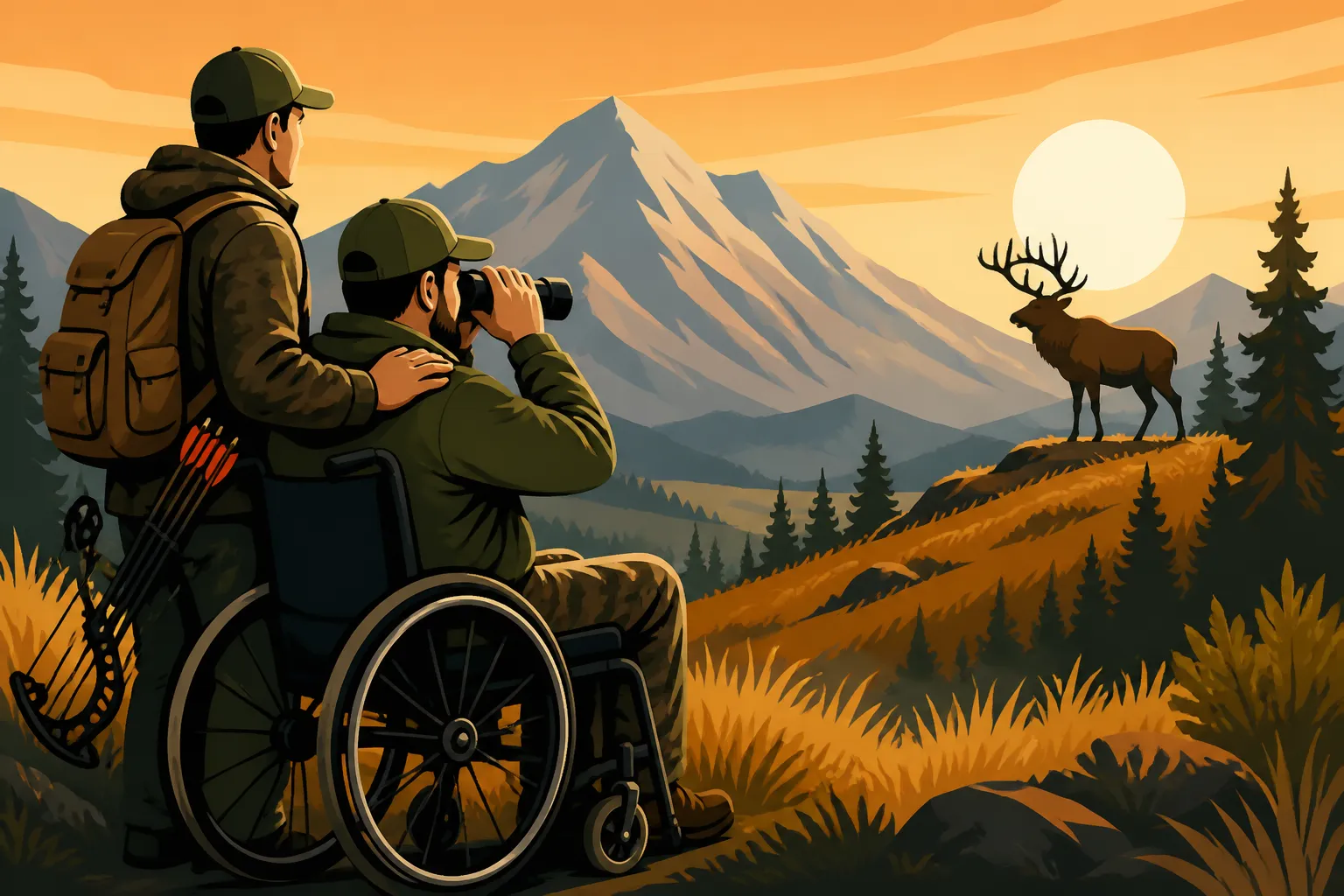
An outfitter with real experience will be able to share specific examples of how they've accommodated other hunters. They might have specialized vehicles, portable blinds designed for wheelchair access, or even custom-built shooting platforms. More importantly, their guides will possess a certain empathy and problem-solving mindset. They won't see your disability as an obstacle, but rather as a set of unique parameters within which to craft an incredible hunting experience. Look for testimonials or references from other disabled hunters they've guided.
Adaptive Equipment and Infrastructure
While a great guide is paramount, the physical infrastructure and available equipment also play a huge role. When researching, ask specific questions about their facilities and gear:
- Transportation: Do they have vehicles capable of traversing rugged terrain while accommodating wheelchairs or other mobility aids? Are they knowledgeable about where ATVs or other off-road vehicles are permitted for access?
- Lodging and Camp: Is their lodge or camp genuinely wheelchair accessible? This means not just a ramp, but accessible bathrooms, doorways, and common areas. If it's a tent camp, are there specific considerations for setting up a comfortable, accessible space?
- Hunting Stands/Blinds: Do they utilize ground blinds that can accommodate a wheelchair or offer easy entry/exit for those with limited mobility? Are they heated for comfort during colder hunts?
- Shooting Aids: While many hunters bring their own adaptive shooting equipment, an outfitter experienced in this area might have a specialized shooting rest or support system already on hand, or know how to integrate yours seamlessly.
Consider the layout of their operation. Are game processing facilities accessible? What about shooting ranges for practice? Every detail counts in ensuring a smooth and comfortable experience.
Personalized Planning and Open Communication
Perhaps the most important aspect of a truly accessible outfitter is their willingness and ability to engage in personalized planning and maintain open, honest communication. From your very first contact, they should be asking detailed questions about your specific disability, your physical capabilities, your hunting goals, and any concerns you might have.
This isn't a one-size-fits-all package deal. A reputable outfitter will work with you to design a hunt that is safe, realistic, and exhilarating. They should be upfront about what they can and cannot provide. For instance, if you dream of a backcountry elk hunt deep in the Bob Marshall Wilderness and rely solely on a power wheelchair, an honest outfitter will explain the extreme difficulty of that specific terrain but might offer alternative, more accessible elk hunting options. Don't be afraid to ask about Montana Guided Hunts for Beginners if you're new to the guided experience, as they often have a more structured approach.
Before you commit, ensure you have a clear understanding of:
- The proposed hunting area and its accessibility.
- The types of game you'll pursue and the methods used.
- The daily schedule and expected physical demands.
- Emergency procedures and medical support.
This level of detail is paramount.
Adaptive Hunting Opportunities in Montana
Montana offers a breathtaking array of hunting opportunities, and many of these can be adapted for hunters with disabilities. The key is matching the species, terrain, and hunting method to your capabilities and the outfitter's adaptive resources.
Big Game Opportunities: Elk, Deer, and Antelope
Montana is renowned for its big game, particularly elk, mule deer, and antelope. While the iconic pursuit of a bull elk in the mountains can be physically demanding, it's not impossible to adapt. For elk, outfitters might focus on areas with better road access, utilizing accessible ground blinds along known travel routes, or employing spot-and-stalk tactics in more open, gentle terrain using adapted vehicles for covering ground. Montana Elk Hunting Guide gives a great overview of the species itself.
Mule deer and whitetail deer hunts can often be more accessible, especially if focused on agricultural fringes or river bottoms where cover provides concealment without requiring extensive hiking. Elevated, accessible blinds or ground blinds placed along food sources or bedding areas are common and effective. Montana Mule Deer Hunting Guide has more details on this elusive animal.
Antelope hunting on Montana's vast eastern plains is often one of the most accessible big game options. The open terrain allows for long-range glassing from a vehicle, and accessible ground blinds near water holes or fence crossings are very productive. This type of hunting can be incredibly rewarding, offering plenty of action without extreme physical exertion. Montana Antelope Hunting Guide provides excellent insights into hunting these speedsters.
Adaptive Big Game Hunting Considerations
| Game Species | Typical Terrain | Adaptive Method Examples | Key Outfitter Support Needs |
|---|---|---|---|
| Elk | Mountains, timber, open parks | Accessible roads, ground blinds, adapted vehicles for access, strategic calling | Specialized transportation, patient guides, accessible camp |
| Mule Deer | Breaks, coulees, open hillsides | Ground blinds, accessible vehicle glassing, gentle spot-and-stalk | Knowledge of accessible terrain, adaptive shooting rests |
| Whitetail | River bottoms, agricultural fields, dense cover | Accessible tree stands/ground blinds, close proximity to roads | Comfortable blinds, game retrieval support |
| Antelope | Open plains, rolling hills | Ground blinds at water holes, vehicle-based spotting, short stalks | Accessible blinds, long-range glassing equipment, easy access to hunting areas |
Upland Bird and Waterfowl Hunting
For those looking for a different kind of challenge, or perhaps a less physically taxing option, Montana's upland bird and waterfowl hunting can be fantastic choices. Many outfitters offer these hunts, and they can be highly adaptable.
Upland birds like pheasants, sharp-tailed grouse, and Hungarian partridge are often found in agricultural areas, prairie grasslands, or river bottoms, which can offer relatively flat or gently rolling terrain. Hunts might involve driving accessible vehicles along field edges, with strategic stops for flushing birds, or utilizing trained dogs that can retrieve game, minimizing the need for extensive walking. A disabled hunter could set up near prime cover and wait for the action to come to them. Montana Upland Bird Hunting details this exciting pursuit.
Waterfowl hunting, typically from a blind near a pond, river, or field, is inherently more static and often highly accessible. An outfitter can set up a comfortable, accessible blind, assist with decoy spreads, and handle dog work. The focus shifts from covering ground to strategic setup, calling, and shooting, making it a perfect fit for many disabled hunters. For more on this, check out Montana Waterfowl Hunting.
Planning Your Montana Adaptive Hunt
A successful adaptive hunt in Montana requires meticulous planning. From selecting the right outfitter to understanding licensing, every detail contributes to a seamless and enjoyable experience.
Researching and Vetting Outfitters for Accessibility
This is where the rubber meets the road. Don't just pick the first outfitter you find online. Start by looking for outfitters who explicitly advertise adaptive or disabled hunter programs. Online platforms can be incredibly helpful here. Websites like BookYourHunt allow you to filter by hunt type and location, and some may even highlight outfitters with specific accessibility features. Similarly, resources from organizations like GoHunt can provide insights into reputable operations and hunting units, though you'll still need to directly contact outfitters to confirm their adaptive capabilities.
Once you have a shortlist, it's time to dig deeper:
- Direct Communication: Call them. Ask specific, detailed questions about their experience, facilities, and ability to meet your needs. Don't rely solely on email.
- References: Ask for references from past disabled clients. Speaking with someone who has actually hunted with them and shares similar challenges is invaluable.
- Photos/Videos: Request photos or videos of their accessible accommodations, vehicles, and hunting setups. Seeing is believing.
- Licensing and Insurance: Verify that the outfitter is properly licensed in Montana and carries adequate insurance. The Montana Outfitter and Guides Association can be a good resource for verifying credentials.
Licensing and Special Considerations in Montana
Montana has specific regulations that all hunters must adhere to, and disabled hunters may have additional considerations or even special provisions. It’s crucial to understand these well in advance. You'll need a base hunting license, conservation license, and an AIS prevention pass, just like any other hunter. Beyond that, the specific tag requirements for elk, deer, or antelope will depend on the district and season. Check out How to Apply for a Montana Hunting License for a step-by-step guide.
Montana Fish, Wildlife & Parks (FWP) does offer certain licenses and permits for persons with disabilities that can provide flexibility or assistance, such as modified hunting opportunities or assistance with certain physical requirements. For instance, there may be provisions for using vehicles in certain areas where others cannot, or assistance with shooting devices. Always consult the most current Montana hunting regulations or contact Montana FWP directly to understand these specific options and how to apply for them. Don't assume anything; verify everything.
Financial Considerations for a Guided Adaptive Hunt
Let's be realistic: guided hunts in Montana can be a significant investment, and adaptive hunts may sometimes involve additional costs due to specialized equipment, extra guide time, or unique logistical arrangements. While I can't give specific prices, it's important to understand the shape of these costs.
An outfitter offering dedicated adaptive hunts will factor in the resources and expertise required. These costs typically cover guide fees, lodging, meals, transportation during the hunt, and initial game care. Be sure to ask for a detailed breakdown of what's included in the price and what might incur additional fees (e.g., trophy fees, taxidermy, meat processing, licenses, and gratuities). Montana Guided Elk Hunt Cost is a good resource for understanding the general outlay.
Some organizations and non-profits specifically support disabled hunters, sometimes offering grants or subsidized trips. Researching these can potentially reduce the financial burden. Being open and transparent with your chosen outfitter about your budget and expectations is key to finding a hunt that's both fulfilling and financially feasible.
Physical and Mental Preparation
Even with the best outfitter and adaptive equipment, hunting in Montana still requires a degree of physical and mental preparation. While you might not be hiking miles, you'll still need to endure weather conditions, long periods in a blind, and the excitement and adrenaline of the hunt.
- Physical Conditioning: Work with your doctor or physical therapist to establish a fitness plan tailored to your abilities. This might focus on upper body strength, core stability, or endurance for sitting for extended periods. Even small improvements can make a big difference in comfort and stamina. How to Physically Prepare for a Montana Elk Hunt offers general advice that can be adapted.
- Mental Fortitude: Montana weather can be unpredictable. Be prepared for cold, wind, rain, or snow. A positive attitude and realistic expectations will significantly enhance your experience.
- Practice with Equipment: Practice shooting with your adaptive equipment well in advance. Be intimately familiar with your firearm or bow, and ensure all your gear is functioning perfectly. This builds confidence and ensures ethical shots when the moment comes.
By proactively addressing these aspects, you'll arrive in Montana not just ready to hunt, but ready to truly immerse yourself in the experience.
Conclusion
The dream of hunting in Montana is accessible to disabled hunters, not just a distant fantasy. It requires diligent research, clear communication, and the support of an outfitter who is genuinely committed to providing an adaptive and unforgettable experience. By understanding the unique challenges, seeking out experienced professionals, and preparing thoroughly, you can absolutely create lasting memories in the vast, beautiful wilderness of Big Sky Country. Don't let perceived limitations keep you from pursuing your passion; Montana is waiting.
Disclaimer
This article is for general informational purposes only and does not constitute professional advice. Laws, prices and regulations vary by location and change over time. Consult a qualified professional for guidance on your specific situation.