Montana Guided Hunt Packing List
The prospect of a guided hunt in Montana is incredibly exciting, but the sheer thought of packing can quickly turn that excitement into a mild panic. You worry about forgetting something vital, or conversely, lugging along half your closet only to find you didn't need it. This comprehensive guide is designed to alleviate that stress, walking you through every essential item for your Montana guided hunt, ensuring you're perfectly prepared for the adventure of a lifetime.
Navigating Montana's Diverse Climate and Terrain
Montana is a land of incredible contrasts, and its weather and terrain perfectly embody this spirit. You simply can't pack for a guided hunt here with a "one size fits all" mentality. Understanding what you might face is the first crucial step in building a solid packing list.
Weather Variability: Expect the Unexpected
Picture this: you wake up to crisp, clear mountain air, the sun just kissing the peaks, and it feels like a perfect fall day. By lunchtime, a squall rolls in, dropping the temperature by thirty degrees, and by evening, you're looking at a couple of inches of fresh snow. Sound dramatic? That's just a Tuesday in Montana's hunting season! From early archery season in September, which can swing from 80 degrees and sunny to freezing rain, right through the late general rifle season where blizzards are a real possibility, the weather here is famously unpredictable.
This isn't just a quirky local saying; it's a fundamental truth that will dictate your clothing choices. You might be hunting elk in high country where conditions are dramatically different from what your guide is experiencing just a few thousand feet lower in the valley. Always pack with the understanding that you need to be prepared for sunshine, rain, snow, and significant temperature fluctuations, sometimes all within the same day. Checking the forecast just before you leave is a good idea, but don't let it be your sole guide – always be ready for the unexpected.
Terrain Challenges: Mountains, Forests, and Plains
The type of guided hunt you've booked will heavily influence specific gear choices, especially when it comes to footwear and outer layers. Are you chasing high-country mule deer deep in a wilderness area, stalking whitetail along a river bottom, or patiently waiting for antelope on the vast eastern plains? Each scenario presents unique demands.
For instance, if your guided elk hunt involves navigating steep, rugged mountain terrain, you'll need boots with exceptional ankle support and stiff soles that can handle rocky ascents and descents. A tough, abrasion-resistant outer layer will be crucial for pushing through dense timber. On the other hand, an antelope hunt on the plains might call for lighter, more breathable clothing for long walks, but still require durable outer layers for crawling and dealing with sagebrush. Even if your guide is doing most of the heavy lifting, you're still going to be out there in it. Thinking about the specific challenges of your hunt's environment, whether it's part of a Montana Backcountry Hunting Guide experience or a more accessible private land hunt, will help refine your packing list.
The Core Packing List: What Every Hunter Needs
Regardless of the specific species or terrain, there’s a foundational packing list that forms the bedrock of any successful guided hunt in Montana. This is where we break down the essentials you absolutely cannot leave home without.
Clothing and Layering Systems
This is arguably the most critical component of your packing list for Montana. Forget cotton – it holds moisture and will leave you cold and miserable. Think in terms of a "system":
- Base Layers: These are your next-to-skin layers and are all about moisture management. Pack several sets of good quality merino wool or synthetic base layers (tops and bottoms) in varying weights (lightweight for active days, midweight for colder starts). Merino wool is fantastic because it's naturally odor-resistant, which is a huge bonus on multi-day hunts where laundry isn't an option. Synthetics dry quickly and are often more durable.
- Mid Layers: These are your insulation layers. A good fleece jacket or a lightweight puffy jacket (synthetic or down) provides warmth over your base layer. Bring at least two options. A slightly heavier mid-layer is great for stand-by or glassing, while a lighter fleece might be perfect for active hiking. The beauty of a layering system is that you can add or subtract these pieces as conditions change, regulating your body temperature efficiently.
- Outer Layers: This is your fortress against the elements. You absolutely need a waterproof and windproof shell jacket and pants. Look for something durable that won't rip easily if you're pushing through brush. It should be quiet if you're bowhunting and allow for a full range of motion. Make sure it's roomy enough to fit over your base and mid-layers without feeling restrictive. These items are often expensive, but they are an investment in your comfort and safety.
- Headwear: A warm beanie or stocking cap is essential for cold mornings and evenings, as you lose a lot of heat through your head. A wide-brimmed hat or baseball cap can offer sun protection during brighter days.
- Gloves: Bring at least two pairs: a thin, dexterous pair for shooting (often a merino or synthetic liner glove) and a much warmer, waterproof pair for colder temperatures or when you're static.
- Socks: This cannot be stressed enough: good socks are vital. Pack multiple pairs of quality merino wool hiking socks. Bring a thin liner sock if you typically wear them to prevent blisters. Change your socks daily, even if you feel they're still clean; fresh socks can prevent blisters and keep your feet much happier.
- Boots: Your boots must be waterproof, well broken-in, and appropriate for the terrain. For most mountain or rugged elk hunts, a sturdy, ankle-supporting boot with a stiff sole is ideal. For flatter, less aggressive terrain, you might get away with something lighter. Whatever you choose, wear them extensively before your hunt to ensure they fit well and won't cause blisters. Seriously, buy them months in advance and go on long hikes. I always recommend checking out advice like Best Boots for Montana Elk Hunting to get a good idea of what's out there.
Hunting-Specific Gear
Beyond your clothing, there's a specific set of tools and equipment directly tied to the act of hunting itself.
- Weapon: Whether you're bringing a rifle, bow, or muzzleloader, ensure it's sighted in and you're proficient with it. Pack enough ammunition or arrows for practice and the hunt, plus a cleaning kit. Always check the specific regulations for your weapon type, including caliber restrictions or draw weight requirements. Information like Best Rifle Calibers for Montana Elk can be a useful starting point for rifle hunters.
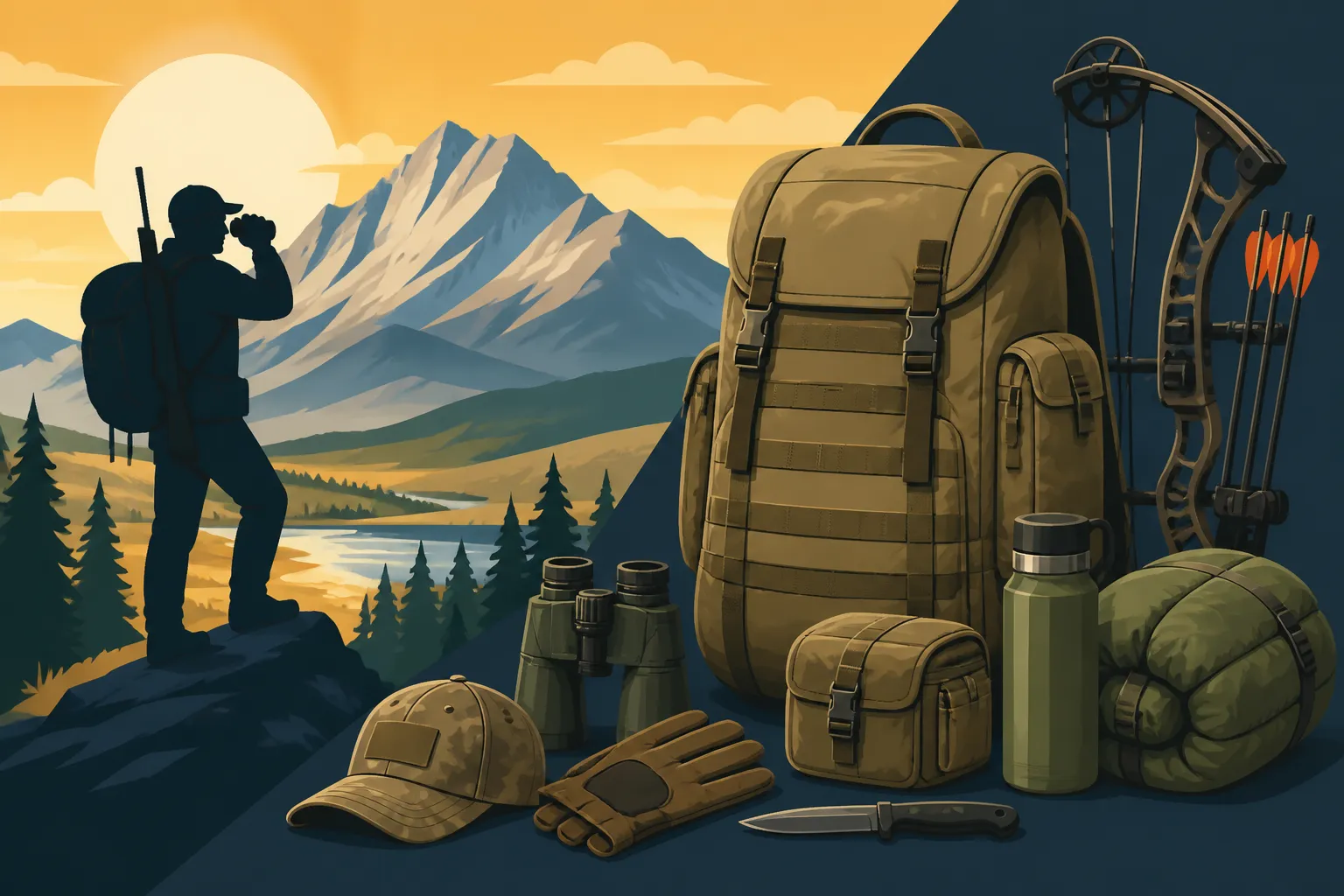
- Optics: High-quality binoculars are non-negotiable for hunting in Montana's vast landscapes. A spotting scope is incredibly useful, especially for glassing open country for mule deer or antelope. Don't forget a rangefinder – knowing your exact distance to the animal is crucial for an ethical shot. Best Optics for Montana Big Game offers more detailed recommendations.
- Backpack: A comfortable day pack is essential for carrying your daily essentials (water, snacks, extra layers, first-aid). If your guided hunt involves significant hiking or the possibility of packing out meat from the field (even if the guide assists), a larger pack might be beneficial.
- Navigation: While your guide will lead the way, it's always smart to have your own navigational tools. A reliable GPS device, a topographic map of your hunting area, and a compass are excellent backups. Many hunters also swear by mapping apps on their phones, with services like GoHunt offering invaluable e-scouting and in-field navigation features. Just remember cell service is spotty at best in many hunting areas.
- Knives and Game Bags: A sharp, sturdy field dressing knife (and a spare!) is a must. Bring a small sharpening stone or a portable sharpener. Good quality, breathable game bags are crucial for keeping meat clean and cool, especially if you're successful early in the hunt. Your outfitter might provide these, but it's always good to have your own.
- Calls: If you're targeting elk, bringing your own elk calls (bugles, cow calls) can be beneficial, especially if you've practiced with them extensively. Your guide will likely have their own, but having familiar calls can build confidence.
- Headlamp: An absolute essential. You'll be using it in the dark mornings to get to your hunting spot and in the evenings to navigate back to camp or pack out an animal. Pack extra batteries!
Personal Essentials and Safety
Beyond the hunting gear, don't overlook your personal comfort and safety items.
- First-Aid Kit: A basic personal first-aid kit is crucial. Include any personal medications you take regularly, plenty of blister treatment (moleskin, athletic tape), pain relievers, and antiseptic wipes. Even a small cut or scrape can become a big problem in the backcountry.
- Hygiene Items: Travel-sized toiletries are sufficient. Opt for scent-free soap, deodorant, and toothpaste if possible, especially for deer and elk hunts where scent control is paramount.
- Sun Protection: Even on cold days, the high-altitude sun in Montana can be intense. Pack sunscreen, SPF lip balm, and sunglasses.
- Hydration: Bring multiple water bottles or a hydration reservoir. A portable water filter or purification tablets are smart to have if you'll be accessing natural water sources, even if your outfitter handles most water.
- Food/Snacks: While your outfitter will provide meals, pack high-energy snacks for your daily hunts. Think granola bars, jerky, nuts, and fruit snacks – things that are easy to eat on the go and provide sustained energy.
- Fire Starter: A reliable lighter, waterproof matches, or a ferro rod are vital emergency items.
- Emergency Shelter: A lightweight emergency bivy sack or blanket can provide crucial protection in an unexpected overnight situation, even with a guide. It's a small item that offers immense peace of mind.
Documentation, Licenses, and Communication
This section is all about the administrative side of your hunt. Overlooking these details can bring your trip to a grinding halt before it even begins.
Licenses and Permits
This cannot be overstated: double-check, then triple-check that you have all the necessary licenses, permits, and tags required for your specific hunt in Montana. This includes your base hunting license, conservation license, AIS (Aquatic Invasive Species) pass, and your actual deer, elk, or other big game tags. Understand the difference between general tags and permit tags, and ensure you possess the correct ones for the district you'll be hunting in.
Montana's licensing system can be complex, especially for nonresidents. Resources like Montana Hunting Seasons Explained and Montana Nonresident License Draw Explained are invaluable for understanding the process. Always carry both digital copies (on your phone) and physical copies (printed out) of all your documents. A plastic bag or waterproof wallet can protect physical copies from the elements. Don't assume your outfitter handles this for you – it's your responsibility to be legal.
Identification and Important Contacts
Beyond your hunting documents, ensure you have your driver's license or other government-issued ID. It’s a good idea to have a laminated card with your outfitter's contact information, emergency contacts, and any critical medical information (allergies, conditions). Again, keep both physical and digital copies. Consider carrying copies of your insurance cards (medical, travel) as well.
Communication Devices and Power
While escaping daily calls and emails is part of the allure of a backcountry hunt, responsible communication and emergency preparedness are essential.
Your cell phone can be useful for photos and notes, but understand that cellular service is often non-existent in many of Montana's prime hunting areas. Don't rely on it for navigation or emergency communication. A satellite messenger or personal locator beacon (PLB) is a highly recommended investment for any remote hunting trip, even with a guide. Devices like Garmin inReach or Zoleo allow you to send texts and SOS signals even without cell service. This is particularly important for your peace of mind and your family's.
Also, pack a high-capacity portable power bank to charge your phone, headlamp, and any other USB-powered devices. The cold can drain batteries quickly, so keep your power bank and spare batteries in an interior pocket close to your body to conserve charge.
Collaborating with Your Outfitter: Pre-Trip Checklist
A guided hunt is a partnership. Your outfitter is a professional, but they aren't mind readers. The best way to ensure a smooth trip is through clear communication well before you arrive.
Confirming Outfitter Provisions
This step is absolutely crucial for refining your packing list and avoiding unnecessary items or, worse, forgetting something vital. Before you even start packing in earnest, get in touch with your outfitter and ask for a detailed list of what they provide.
Here's a list of common items to specifically ask about:
- Food and Drink: Are all meals provided? What about snacks and beverages during the day?
- Lodging: What are the accommodations like? Wall tents, cabins, lodge? What bedding is provided?
- Transportation: How will you get to and from the hunting areas each day? Horses, ATV, truck, hiking?
- Communal Gear: Do they have a spotting scope for group use? Radios? A large first-aid kit for camp?
- Game Processing: Do they provide game bags? Will they assist with field dressing, quartering, and packing out an animal? Will they arrange for meat processing?
- Other: Ask about anything else specific to your hunt, such as tree stands, ground blinds, or specialized calls.
A reputable outfitter, often one found through platforms like BookYourHunt, will provide a detailed packing list and be happy to answer all these questions. Knowing exactly what's covered will prevent you from bringing a duplicate sleeping bag or forgetting critical game bags.
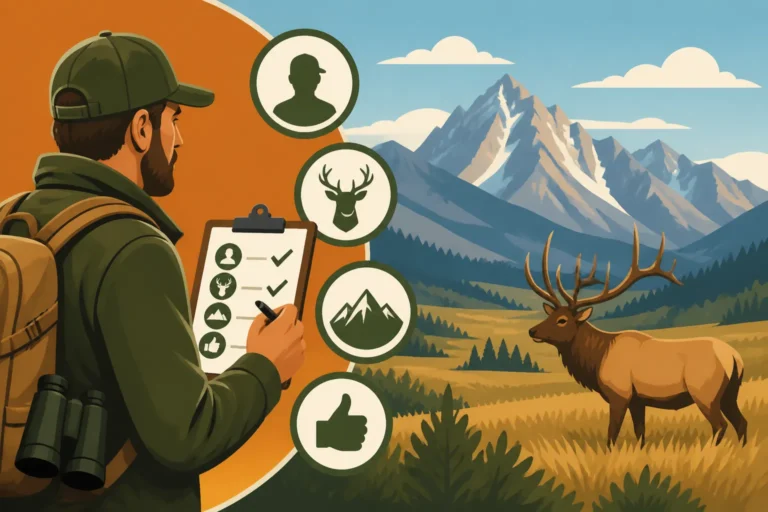
Here's a handy table to help you keep track:
| Category | Hunter Responsibility (Bring) | Outfitter Responsibility (Confirm They Provide) |
|---|---|---|
| Clothing | Full layering system, rain gear, warm hat, gloves, wool socks | (Typically none, unless specified for unique conditions) |
| Footwear | Broken-in hunting boots, camp shoes | (None) |
| Weapon & Ammo | Rifle/Bow/Muzzleloader, ammunition/arrows, case, cleaning kit | (None, unless renting from outfitter) |
| Optics | Binoculars, rangefinder, tripod (optional), spotting scope (optional) | Spotting scope (often a communal one), extra binoculars |
| Pack | Day pack, larger pack (if needed for meat) | (None, unless specified for packing out game) |
| Navigation | Personal GPS, map, compass, phone with mapping app | Area maps, in-field navigation expertise |
| Game Processing | Personal knife, sharpener, game bags (as backup) | Field dressing tools, assistance, primary game bags, meat care |
| Personal Care | Toiletries, medications, sunscreen, lip balm | Basic lodge/camp facilities |
| Safety/Emergency | Personal first-aid kit, fire starter, emergency shelter, satellite messenger | Comprehensive camp first-aid, emergency comms, safety protocols |
| Documentation | All licenses, tags, ID, insurance info, outfitter contacts | (None) |
| Food & Drink | Daily snacks, hydration system | All meals, camp beverages, some in-field snacks |
| Lodging | (None, unless specific sleeping bag for spike camp) | Tent, cabin, lodge accommodations, bedding, heat |
| Transportation | Travel to/from Montana, personal vehicle for general travel | In-field transportation (horse, ATV, truck) |
Physical and Mental Preparation
A guided hunt isn't just about showing up with the right gear; it's about showing up ready. Even with a guide, Montana hunts can be physically demanding. If you're chasing elk in the mountains, you'll be hiking steep grades, often at altitude, for several miles a day. Don't underestimate the physical toll. Starting a Montana Elk Hunt Fitness Plan well in advance will make your hunt far more enjoyable and increase your chances of success. Cardiovascular health, leg strength, and endurance are key.
Beyond the physical, mental preparedness is equally important. There will be early mornings, long days, adverse weather, and perhaps even days without seeing much game. A positive attitude and a realistic expectation that hunting can be tough will serve you well. Practice with your weapon in various conditions, including wearing your full hunting gear, to ensure you're confident when the moment of truth arrives. How to Sight In for a Montana Elk Hunt details the importance of this.
Being thoroughly packed and prepared means you can focus entirely on the hunt and the incredible experience of Big Sky Country. You've got this!
Disclaimer
This article is for general informational purposes only and does not constitute professional advice. Laws, prices and regulations vary by location and change over time. Consult a qualified professional for guidance on your specific situation.