What a Montana Drop Camp Includes
The idea of a Montana hunting adventure often conjures images of remote mountains, wild elk, and true self-reliance. While a full DIY hunt is an incredible endeavor, it can be daunting, especially for those new to the vastness of the Big Sky State. This guide is here to shed light on a fantastic middle-ground option: the Montana drop camp. We'll break down exactly what a drop camp typically includes, helping you understand this unique offering and decide if it's the right fit for your next backcountry experience.
The Essence of a Montana Drop Camp: Understanding the Blend of Support and Self-Reliance
Picture this: you want to hunt deep in the Montana backcountry, far from roads and crowds, but the thought of packing in all your gear, setting up a robust camp, and then tearing it down at the end feels like an expedition in itself. That's where a drop camp comes in. It's a sweet spot between a fully guided, hand-held experience and a completely unassisted wilderness hunt. Essentially, an outfitter provides the heavy lifting of getting you and your gear into a remote, pre-established camp, and then picks you up at the end of your hunt. You get the solitude and challenge of a backcountry hunt without the immense logistical burden of setting up a remote base.
Many hunters find themselves frustrated with the thought of spending two days just packing and building a camp, knowing that precious hunting time is slipping away. A drop camp eliminates this specific headache. You're still calling the shots, making your own hunting decisions, and navigating the terrain independently, but you're starting from a comfortable, ready-made base deep in elk country. It’s perfect for those who thrive on the challenge of the hunt itself but appreciate having a sturdy shelter and some basic amenities waiting for them each evening. Montana Backcountry Hunting Guide goes into more detail about the general challenges of hunting in these remote areas.
Core Services: What You Can Generally Expect from a Drop Camp
When you book a Montana drop camp, you're primarily paying for logistics and a basic infrastructure. The specifics can vary quite a bit from one outfitter to another, but there are several common inclusions that form the backbone of most drop camp packages. It's always crucial to get a detailed list from your chosen outfitter, as expectations can lead to disappointments if not clearly managed.
Transportation In and Out of Camp
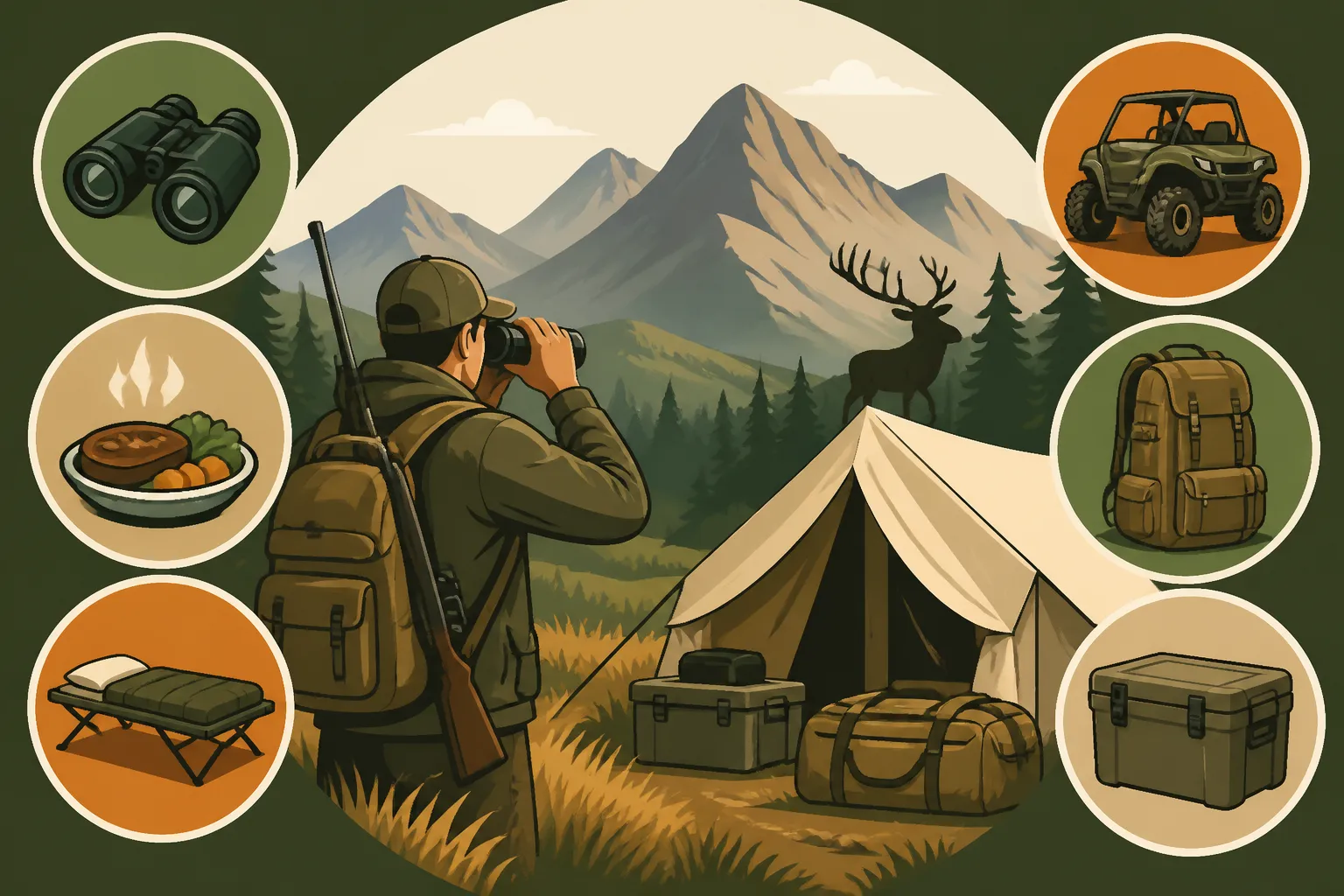
This is arguably the biggest value proposition of a drop camp. Outfitters typically use horses, mules, or sometimes ATVs (where permitted and practical) to pack you and your gear into a remote location. This means you avoid the grueling multi-day pack-in that would otherwise be necessary to reach prime, less-pressured hunting grounds.
For instance, imagine you've E-scouted a fantastic basin that's 10 miles from the nearest trailhead, rife with dark timber and north-facing slopes perfect for elk. Without a drop camp, you're looking at multiple trips to pack in a wall tent, stove, food, water filters, and all your personal hunting gear. With a drop camp, you meet the outfitter at a designated trailhead, load your duffels onto a pack string, and enjoy the scenic ride or hike in, knowing your camp is being established for you. The same goes for the exit; at the agreed-upon date, the outfitter will return to pack you and your meat (hopefully!) back out. This is a massive relief, especially when you're exhausted from a week of hunting and potentially packing out an animal. Consider How to Pack Into the Montana Backcountry describes the effort involved; a drop camp significantly mitigates that.
Pre-Established Camp Structure
Most drop camps provide a sturdy, weather-resistant camp setup that can withstand Montana's often unpredictable mountain weather. This is usually a wall tent or a series of smaller tents, often equipped with basic comforts.
- Wall Tents and Sleeping Accommodations: You'll typically find a large wall tent, which is a canvas tent with vertical walls, offering ample headroom and space. These are robust and designed for long-term use in rugged conditions. Inside, you might find cots or sleeping pads, and often a wood stove for heat. Having a warm, dry place to return to after a cold, wet day of hunting is invaluable. Some outfitters might provide individual dome tents for each hunter, but the classic wall tent experience is very common.
- Cooking and Dining Area: A separate tent or a designated area within the main tent might serve as a cooking and dining space. This often includes a table, chairs or benches, and sometimes a basic cooking setup like a propane stove or a designated spot for cooking over the wood stove. This space allows for communal meals and evening planning, keeping your sleeping area clean and free of food odors that might attract wildlife.
Basic Camp Equipment
Beyond the shelter itself, drop camps often include fundamental items that would be cumbersome to pack in yourself.
- Heat Source: A wood stove in a wall tent is a game-changer in the colder months. Some outfitters provide firewood, or at least the tools (axe, saw) to cut your own from deadfall around camp. It's important to clarify this, as gathering firewood can be a time-consuming chore if not planned for.
- Lighting: Lanterns (propane or battery-powered) or solar lights might be provided to illuminate the camp after dark. Again, always confirm the type and whether fuel or extra batteries are included or if you need to bring your own.
- Water Source and Filtration: Access to water is paramount. Outfitters will typically choose a camp location near a reliable water source like a stream or spring. They might also provide a water filter or purification tablets. Even if they do, it's always wise to bring your own personal water filter or purification system as a backup.
- Cooking Utensils and Food Storage: Basic pots, pans, plates, and cutlery are often included. They might also provide coolers or bear-resistant containers for food storage, which is critical for safety in grizzly country. For tips on setting up your own base, check out How to Set Up a Montana Elk Camp.
The Hunter's Responsibilities: What You'll Need to Bring and Manage
While a drop camp provides significant logistical support, it is not a guided hunt. This means a substantial amount of responsibility still falls squarely on your shoulders. Understanding these personal requirements is key to a successful and safe trip.
Your Own Hunting Gear and Personal Items
This is where the "self-reliant" aspect truly kicks in. The outfitter gets you to a camp, but you're responsible for everything related to the actual hunt and your personal comfort.
- Hunting Equipment: Your weapon (bow, rifle, muzzleloader), ammunition, optics (binoculars, spotting scope), rangefinder, backpack, hunting clothing layers, boots, and game bags are all on you. Nobody else will be guiding your stalk or making shot decisions. For bowhunters, specifically, you might find value in Montana Elk Hunting: Archery Tactics.
- Sleeping System: While cots are often provided, you'll need your own sleeping bag rated for the expected temperatures, and possibly a pillow. Don't underestimate how cold Montana nights can get, even in early archery season.
- Food and Cooking Supplies: This is perhaps the most significant personal responsibility. Drop camps almost universally require you to bring all of your own food for the duration of your hunt. This includes non-perishables, fresh items, snacks, coffee, and any specific dietary needs. You'll also need to consider how to pack it to stay fresh. Some outfitters might provide a basic cookstove or grill, but the ingredients are yours.
- Emergency Gear: A well-stocked first-aid kit, satellite communication device (e.g., Garmin inReach, Zoleo), map, compass, GPS, headlamp with extra batteries, fire starter, and emergency shelter are absolutely essential. You are on your own once you leave camp each day. Montana Backcountry Hunting Safety Tips offers invaluable advice for preparing for the unexpected.
Navigating and Hunting Independently
This is the core difference between a drop camp and a fully guided experience. You are your own guide.
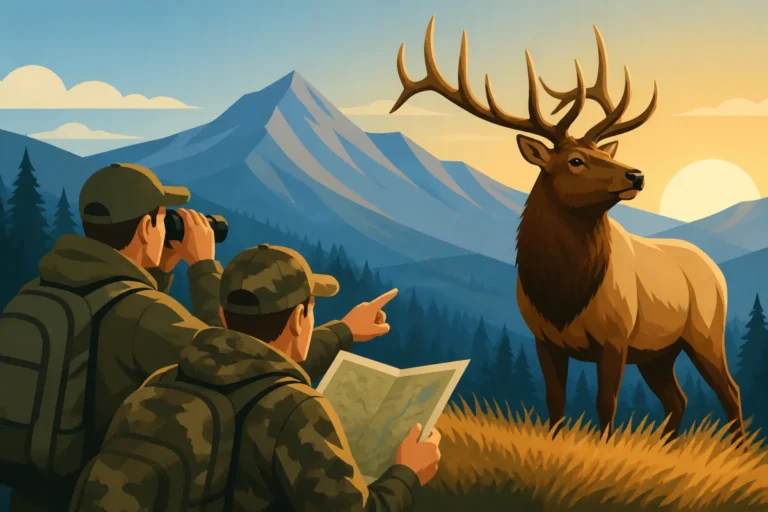
- Route Finding and Scouting: You'll be responsible for studying maps (both paper and digital like those offered by GoHunt), identifying potential elk or deer habitat, and planning your daily routes from camp. Outfitters might offer general advice about the area, but they won't accompany you.
- Game Locating and Stalking: From glassing ridge lines at dawn to still-hunting through timber, all the tactics are up to you. You'll need to know How to Call Elk in Montana if that's your preferred method, or how to execute a successful spot-and-stalk if you're after mule deer.
- Game Care and Packing Out: If you're successful, you'll be quartering your animal in the field, likely alone or with your hunting partners. The outfitter will pack the meat out from the camp, but getting it back to camp is your responsibility. This is a physically demanding task, especially with an elk. Having durable game bags and a sturdy pack frame is critical. How to Pack Out an Elk in Montana elaborates on this strenuous process.
Important Considerations for Your Drop Camp
- Communication with Outfitter: Before booking, have a clear, detailed conversation about what is explicitly included and what is not. Ask about weight limits for gear on the pack horses, food storage, water sources, and emergency procedures.
- Hunt Planning: Since you're hunting independently, thorough pre-scouting and planning are paramount. Use tools like those from GoHunt to analyze terrain, access points, and potential game concentrations.
- Physical Fitness: Backcountry hunting in Montana is physically demanding. You'll be hiking steep terrain, at elevation, potentially for many miles a day, carrying heavy gear. Being in excellent physical condition will significantly increase your enjoyment and chances of success. Read How to Physically Prepare for a Montana Elk Hunt for more insight.
Selecting Your Ideal Montana Drop Camp Adventure
With a clear understanding of what a drop camp entails, the next step is finding the right one for your specific hunting goals. This isn't a one-size-fits-all scenario, and careful consideration will help you maximize your investment and experience.
Matching Your Hunt Goals to Outfitter Offerings
Not all drop camps are created equal, and they cater to different types of hunters and different species.
- Target Species and Season: Are you dreaming of a big bull elk during the rut with a bow, or a late-season mule deer buck? Some outfitters specialize in certain species or operate in areas known for particular game. For instance, an outfitter operating out of the Bob Marshall Wilderness might focus primarily on elk, while one on the Eastern Plains might offer drop camps for antelope. You'll also need to align with Montana's specific hunting seasons, such as Montana Archery Season Dates or Montana General Rifle Season Dates.
- Terrain and Accessibility: Do you want to be deep in grizzly country, miles from the nearest road, or in an area that's a bit more accessible for daily hunts? Drop camps range from truly remote wilderness locations to areas a few miles off a forest service road. Consider your comfort level with solitude and ruggedness.
- Camp Amenities vs. Bare Bones: Some outfitters provide more creature comforts, like cots with foam pads, a larger cooking tent, or even a small generator for charging devices (though less common in truly remote camps). Others offer a more minimalist approach. Decide what level of "roughing it" you're comfortable with.
Researching and Booking Your Drop Camp
Finding a reputable outfitter is crucial for a positive experience. You're entrusting them with your safety and the success of your hunt.
- Online Research and Directories: Start by searching reputable online directories and forums. Platforms like BookYourHunt allow you to browse various outfitters, read reviews, and compare packages. This can give you a broad overview of what's available across Montana.
- Referrals and Reviews: Personal referrals from trusted friends or fellow hunters are invaluable. Failing that, look for detailed, recent reviews from past clients. Pay attention to comments about communication, camp quality, and reliability.
- Licensing and Insurance: Always confirm that the outfitter is properly licensed by the state of Montana and carries appropriate insurance. This protects both you and them. The Montana Outfitters and Guides Association can be a good resource to verify credentials.
- Contract and Communication: Get everything in writing. A clear contract should outline inclusions, exclusions, pricing, cancellation policies, and emergency procedures. Don't hesitate to ask specific questions about gear limits, the camp's exact location (within reason for proprietary knowledge), and contingency plans for bad weather or unforeseen circumstances. Transparency is key. You can learn more about finding reputable operators in How to Choose a Montana Hunting Outfitter.
A Comparative Look at Drop Camp Inclusions
To help clarify, here's a table summarizing common inclusions and exclusions for Montana drop camps. Remember, this is a general guide, and specific outfitters may vary.
| Feature / Service | Typically Included by Outfitter | Typically Provided by Hunter |
|---|---|---|
| Transportation | Pack-in/out to camp | Getting to/from trailhead |
| Camp Shelter | Wall tent(s), possibly cots | Personal sleeping bag, pillow |
| Heat Source | Wood stove (sometimes firewood) | Personal hand warmers |
| Cooking Area | Designated space, table | All food, snacks, drinks |
| Cooking Utensils | Basic pots, pans, plates | Specific cooking gear (e.g., specialized coffee maker), personal cutlery |
| Water | Camp near source, basic filter | Personal water filter/purifier |
| Game Handling | Pack-out meat from camp | Field quartering, packing to camp |
| Hunting Guidance | General area advice | All navigation, scouting, stalking |
| Personal Gear | None | All hunting gear, clothing, boots, first aid, comms |
| Food Storage | Coolers, bear-resistant containers | Ice/dry ice (if applicable) |
Choosing a Montana drop camp offers an incredible opportunity to experience the thrill of a backcountry hunt with essential logistical support. It allows you to focus your energy on the actual hunting, giving you a chance to truly immerse yourself in the wild landscapes and challenging pursuit of game. By understanding what's included and what's expected of you, you can confidently plan an unforgettable Montana adventure.
Disclaimer
This article is for general informational purposes only and does not constitute professional advice. Laws, prices and regulations vary by location and change over time. Consult a qualified professional for guidance on your specific situation.