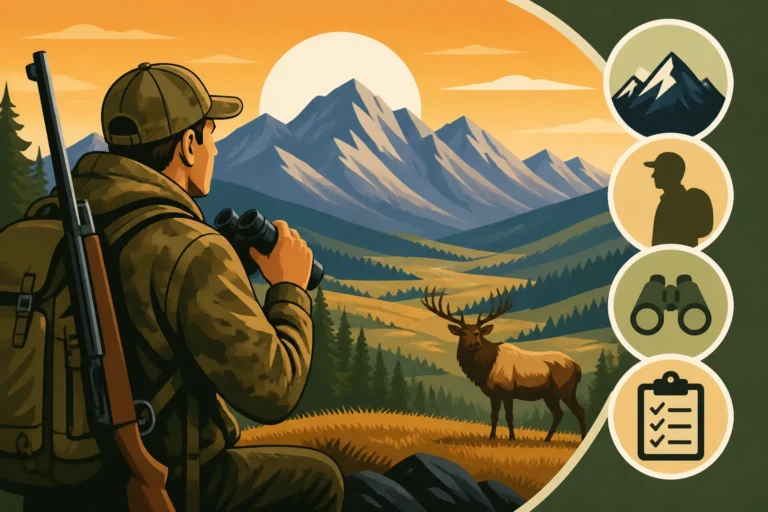
Montana Hunting Outfitters Near Bozeman
Hunting in the rugged, breathtaking country near Bozeman, Montana, is a dream for many, but the sheer scale of the landscape and the complexity of accessing prime hunting grounds can feel incredibly daunting. You've dreamt of a successful hunt, of bringing home some of Montana's incredible game, but figuring out where to start, what regulations apply, and how to navigate the vast public lands can turn that dream into a stressful maze. This guide is here to cut through that confusion, offering a realistic look at how a hunting outfitter near Bozeman can be your most valuable asset, transforming a challenging endeavor into an unforgettable experience.
Why Consider an Outfitter Near Bozeman?
Southwestern Montana, particularly the area surrounding Bozeman, is a hunter's paradise, but it's also famously challenging. The terrain is demanding, the weather can be unpredictable, and the game can be elusive. Many hunters, especially those traveling from out of state or those new to mountain hunting, find themselves overwhelmed by the sheer logistics. This is precisely where a knowledgeable outfitter steps in, acting as your local expert, guide, and support system. They don't just point you in the right direction; they often walk with you every step of the way, helping you overcome obstacles you might not even anticipate.
The Allure of Southwestern Montana's Hunting Grounds
The mountains and valleys around Bozeman are home to some of Montana's most sought-after big game, including trophy elk, robust mule deer, and even black bears. The landscape itself is part of the draw – think towering peaks of the Gallatin, Madison, and Tobacco Root ranges, interspersed with vast tracts of national forest and wilderness areas. It's truly a wild place, offering an authentic backcountry hunting experience that's hard to replicate anywhere else. However, this beauty comes with inherent challenges. The elevations are high, the trails can be steep and rugged, and the sheer amount of country means that finding game requires not just effort, but intimate knowledge of their habits and movements within specific drainages and seasonal ranges.
Many hunters come here with visions of pristine wilderness and abundant game, and while that certainly exists, it often takes significant time and effort to locate those sweet spots without prior experience. A good outfitter has spent years, sometimes decades, learning these mountains. They understand how different weather patterns affect game movement, where the animals go under hunting pressure, and where the secret pockets of feed and cover are located. This localized wisdom is something you simply can't gain from staring at maps in your living room, no matter how much you e-scout.
Navigating Complex Terrain and Regulations
Montana's hunting regulations can be a bit of a labyrinth, especially for non-residents. There are general licenses, limited entry permits, various season dates, and specific rules for different hunting districts. Trying to decipher all of this while also planning travel, gear, and actual hunting strategy can quickly become overwhelming. An outfitter not only understands these regulations inside and out but also operates within specific hunting districts where they hold permits and extensive knowledge. They can advise you on the best tags to apply for, helping you navigate the sometimes-confusing draw system and ensuring you're legally compliant every step of the way.
Beyond the regulations, the physical terrain itself presents significant hurdles. You're not just walking through flat timber; you're often climbing thousands of feet in elevation, traversing steep slopes, and navigating dense timber or open sagebrush country. An outfitter provides the logistical support, from packing in camp supplies and gear, potentially with horses or mules, to knowing the safest and most efficient routes through treacherous landscapes. This means you can focus more on the hunt itself and less on getting lost or injured, or worrying about how you're going to pack out an elk from miles deep in the backcountry. For those looking for a truly immersive experience, a Montana backcountry hunting guide can make all the difference.
Maximizing Your Chances with Local Expertise
Let's be honest, everyone wants to punch their tag. While there are no guarantees in hunting, an outfitter significantly increases your odds of success, especially for species like elk or mule deer. Their local expertise is invaluable. They know where to find elk in Montana dark timber during the heat of the day, or how to locate a silent Montana bull after the rut when they're less vocal. They spend countless hours scouting before the season, monitoring game cameras, and tracking animal movements, all so that when you arrive, they have a solid plan in place.
Furthermore, an outfitter often has access to private land or leases that can offer less pressured hunting opportunities. While Montana is famous for its public land hunting, these private land options can be a game-changer, especially during rifle season when public land pressure can be intense. They also understand how to use the wind hunting Montana elk and how to use thermals in Montana elk country, critical skills for getting close to game without being detected. This deep well of knowledge and proactive preparation translates into a much more efficient and potentially successful hunt for you.
What to Look for in a Bozeman-Area Outfitter
Choosing the right outfitter is paramount to the success and enjoyment of your hunt. It's not just about finding someone with an open spot; it's about finding a partner whose approach aligns with your expectations, hunting style, and physical capabilities. A poor fit can lead to disappointment, so taking the time to thoroughly research and interview potential outfitters is a crucial step in your planning process.
Experience and Specialization
Not all outfitters are created equal, and many specialize in certain types of hunts or particular species. Some might be renowned for their Montana archery elk hunting guide services, excelling at calling in rutting bulls, while others might focus on Montana rifle elk hunting guide trips, specializing in spotting and stalking or knowing late-season migration routes. If your heart is set on a specific type of hunt, like a high-country mule deer adventure or a spring bear hunt, make sure the outfitter has a proven track record in that niche. Ask about their years of experience operating specifically in the Bozeman area's hunting districts. How long have they been in business? What specific areas do they hunt? Do they focus on particular species, like elk, mule deer, or black bear?
You'll want to inquire about their guides' experience as well. Are they long-time locals who truly know the country, or newer hires? A seasoned guide who understands the nuances of local game behavior, weather patterns, and terrain features can make all the difference. Platforms like BookYourHunt can sometimes offer detailed profiles of outfitters, showcasing their specialties and client reviews, which can be a valuable starting point for your research.
Services Offered: Fully Guided vs. Drop Camp
Outfitters typically offer a range of services, from fully guided hunts to drop camps, and understanding the differences is key to choosing what's right for you. A fully guided hunt is often the most comprehensive option, including a guide who accompanies you daily, all meals, lodging (which could be a comfortable lodge or a backcountry tent camp), and usually field dressing and packing out your game. This is often the best choice for first-time Western hunters or those who prefer a more hands-off approach to logistics. For a truly immersive experience, you might explore outfitters offering Montana backcountry hunting guide services.
On the other hand, a drop camp service typically involves the outfitter packing you and your gear into a remote location, setting up a basic camp, and then leaving you to hunt independently. They then return on a pre-determined date to pack you out, hopefully with your harvested game. This option is generally more budget-friendly and suits experienced hunters who are confident in their abilities but need help accessing remote areas or packing heavy gear. Some outfitters might also offer semi-guided options, which fall somewhere in between. Be very clear about what is included and what is not. For instance, knowing What a Montana Drop Camp Includes can help you determine if it aligns with your comfort level and hunting style.
Reputation and References
The best way to gauge an outfitter's quality is through their reputation and by speaking with past clients. Don't be shy about asking for references, and make sure you call them. Ask specific questions: What was the guide's demeanor like? How physically demanding was the hunt? Were the accommodations as described? Was the food good? How did they handle unexpected challenges, like bad weather or difficult game recovery? A reputable outfitter will be happy to provide contact information for recent clients.
Also, check online reviews and forums, but take them with a grain of salt, as individual experiences can vary wildly. Look for consistent themes in positive or negative feedback. An outfitter's licensing and membership in professional organizations, like the Montana Outfitters and Guides Association, can also be indicators of professionalism and adherence to ethical standards. Researching How to Choose a Montana Hunting Outfitter thoroughly will help you vet potential candidates and ensure you have a clear understanding of their operations.
Planning Your Hunt: Logistics and Expectations
Once you've narrowed down your choices and picked an outfitter, the real planning begins. This isn't just about showing up; it's about understanding the financial commitment, the booking timeline, and the physical demands of hunting in Montana's challenging environment. Proper preparation will ensure you get the most out of your investment and enjoy a safe, rewarding hunt.
Understanding Costs and Inclusions
Montana guided elk hunt costs can vary widely depending on the duration, species, level of service (fully guided vs. drop camp), and the reputation of the outfitter. When you receive a quote, make sure it's itemized. What exactly is included in the base price? Are licenses and tags separate? What about meat processing, taxidermy, or shipping fees for your trophy? Some outfitters might include all meals and lodging, while others might expect you to bring your own sleeping bag for a spike camp. Don't forget to factor in travel expenses, tips for your guide and camp staff, and any pre-hunt gear purchases you might need.
It's crucial to clarify these details upfront to avoid any unwelcome surprises. For instance, a basic drop camp will be significantly different in price and inclusions than a luxurious lodge-based, fully guided experience. Make sure you understand the payment schedule, deposit requirements, and cancellation policies. Knowing How Much Is a Guided Elk Hunt in Montana is a critical first step, but understanding what that price covers is even more important. Some outfitters might have different pricing structures for specific hunts, like Montana guided archery elk hunts versus rifle hunts, due to varying demands and success rates.
The Booking Process and Key Questions
Booking a guided hunt, especially for popular species like elk, often needs to happen well in advance, sometimes a year or two out. Montana hunting seasons explained and specific dates can affect availability. Outfitters book up quickly, particularly during prime rut periods for elk or general rifle season for deer. Once you've chosen an outfitter, be prepared to put down a deposit to secure your dates.
Before committing, prepare a comprehensive list of questions. Here’s a quick table to help you organize your thoughts:
| Category | Key Questions to Ask |
|---|---|
| Hunt Details | What specific hunting districts do you operate in? What are the typical success rates for my desired species and weapon choice in that area? What is the average size of game harvested? What's the typical weather during the hunt dates? What's a typical day's schedule like? How many hunters per guide? Are hunts 1:1, 2:1? What is your policy if I harvest early? If I don't harvest? |
| Logistics | What type of lodging is provided (lodge, wall tent, spike camp)? What kind of food is served, and can you accommodate dietary restrictions? How will we travel to/from hunting areas each day (vehicle, horse, foot)? What gear do I need to bring, and what do you provide? How do you handle meat care in the field and transport it? What about caping for taxidermy? What's your emergency plan in case of injury or severe weather? |
| Costs & Admin | What is the total cost, and what exactly is included/excluded? What are the payment terms (deposit, final payment due date)? What is your cancellation and refund policy? Do I need to purchase specific licenses or tags in advance, and can you help with the application process? What are the typical gratuity expectations for guides and camp staff? What is your policy on wounded but unrecovered animals? |
| Outfitter Cred | How long have you been operating in this area? Can you provide recent references (past 1-2 seasons)? Are you licensed and insured in Montana? Do you have any affiliations with professional hunting organizations? |
Answering these questions comprehensively will give you a clear picture of what to expect on your trip. Resources like GoHunt can provide detailed information on specific hunting units, which might help you formulate even more targeted questions about an outfitter's reported operating areas. For a more detailed look, check out What to Expect on a Guided Montana Elk Hunt.
Physical Preparation for a Mountain Hunt
Montana hunting is not a stroll in the park; it's physically demanding. The mountains around Bozeman, while beautiful, require a serious level of fitness. Whether you're chasing elk through steep timber or glassing for mule deer across expansive ridges, you'll be covering miles on foot, often at high elevations, with varying weather conditions. Many hunters underestimate this aspect and find themselves physically exhausted, which can severely impact their enjoyment and success.
Start a fitness regimen well in advance of your hunt. Focus on cardiovascular endurance, leg strength, and core stability. Hiking with a loaded pack, hitting the stair stepper, or doing challenging incline walks can mimic the demands of mountain hunting. Don't forget about proper footwear; breaking in good quality hunting boots is non-negotiable. Discuss the typical physical demands of the hunt with your outfitter so you can tailor your preparation accordingly. An outfitter can tell you, for example, if you'll primarily be hunting from horseback with short hikes, or if you should expect multi-mile, strenuous climbs each day. For comprehensive advice, consult a guide on How to Physically Prepare for a Montana Elk Hunt.
Disclaimer
This article is for general informational purposes only and does not constitute professional advice. Laws, prices and regulations vary by location and change over time. Consult a qualified professional for guidance on your specific situation.