Montana Hunting District 652 Overview
Choosing a hunting district in Montana can feel like sifting through a mountain of information, especially when you're trying to figure out if a specific unit fits your hunting goals. District 652, nestled in a unique corner of southeastern Montana, presents its own set of characteristics and challenges that can make or break a hunting trip. This comprehensive guide is designed to cut through the confusion, offering a realistic, in-depth look at what you can expect when you set your sights on Montana Hunting District 652, from its diverse landscapes to its species and strategic considerations.
Understanding Hunting District 652: The Basics
Hunting District 652 is one of those units that often flies under the radar for many, but for those who know it, it offers a distinct blend of terrain and hunting opportunities. It's not the high-alpine wilderness of western Montana, nor is it purely the vast plains of the east; it's a fascinating mix that demands a versatile approach from hunters.
Geographical Boundaries and Terrain
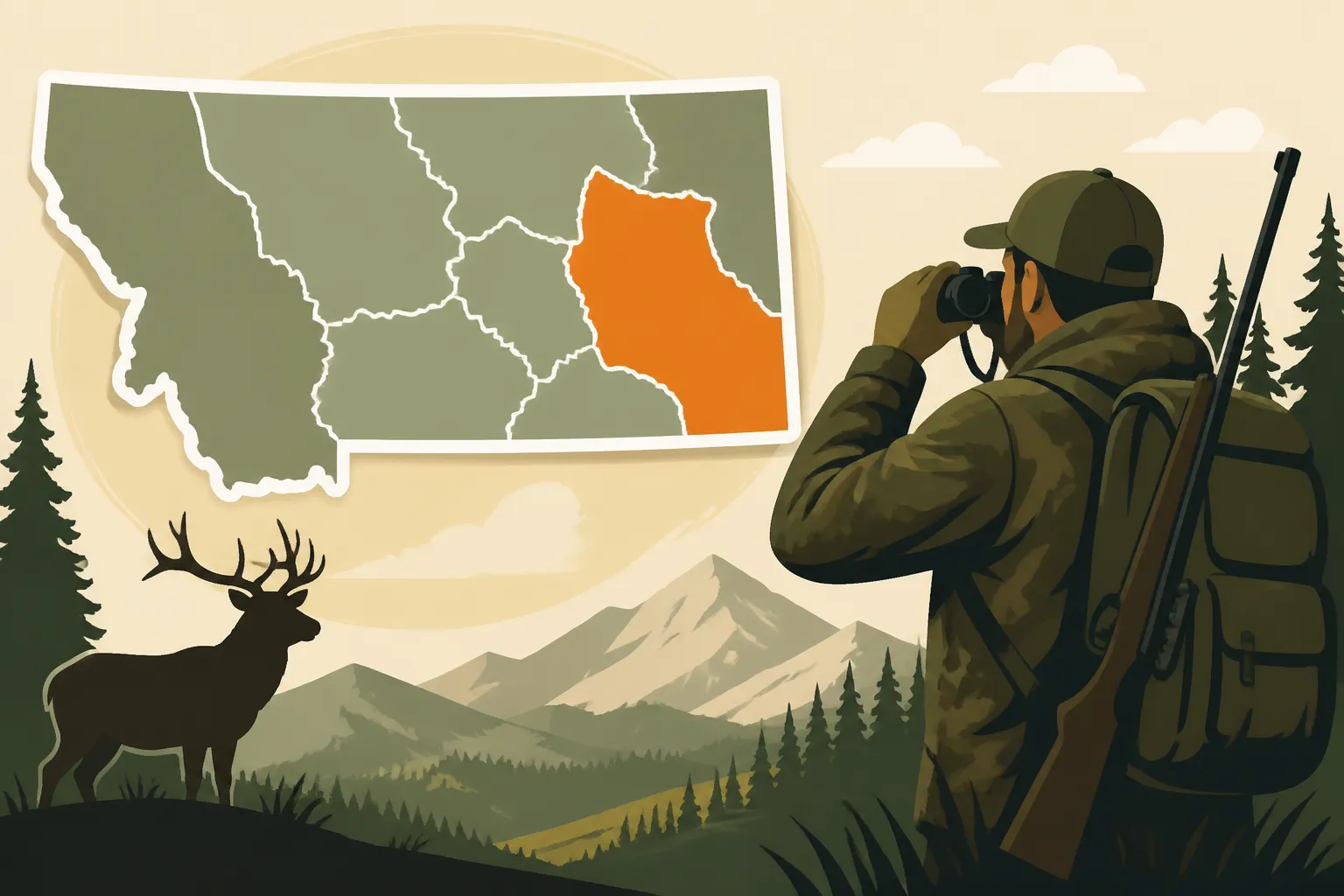
District 652 is primarily situated in south-central Montana, encompassing a significant portion of the Pryor Mountains, which are a true island range rising out of the plains. Its boundaries generally stretch from the Yellowstone River to the north and east, and extend south toward the Wyoming border, with the Crow Indian Reservation forming a substantial western boundary. This creates a geographically isolated yet rich ecosystem.
The terrain within HD 652 is incredibly diverse. You'll find everything from rugged, timbered mountain slopes and steep canyons in the heart of the Pryors, giving way to rough breaks and eventually rolling sagebrush and grassland plains. Elevations can vary dramatically, from around 3,500 feet near the river bottoms to over 8,800 feet at the highest peaks of the Pryors. The timbered areas are dominated by Douglas fir and ponderosa pine, offering dense cover for elk, while the lower elevations feature juniper, mountain mahogany, and expansive sagebrush flats that mule deer favor. Expect rocky outcroppings, hidden springs, and plenty of challenging ups and downs, especially if you venture into the core of the mountain range. This varied topography means different hunting strategies will be necessary depending on where you focus your efforts.
Access and Public Land Availability
Access is a critical consideration in District 652, as it is with much of Montana. While there's a good chunk of public land, including parts of the Custer Gallatin National Forest, Bureau of Land Management (BLM) acreage, and some State Trust Lands, navigating the patchwork of ownership can be complex. The Pryor Mountains Wild Horse Range, managed by the BLM, is a prominent feature within the district, offering public access but with specific regulations you'll need to understand.
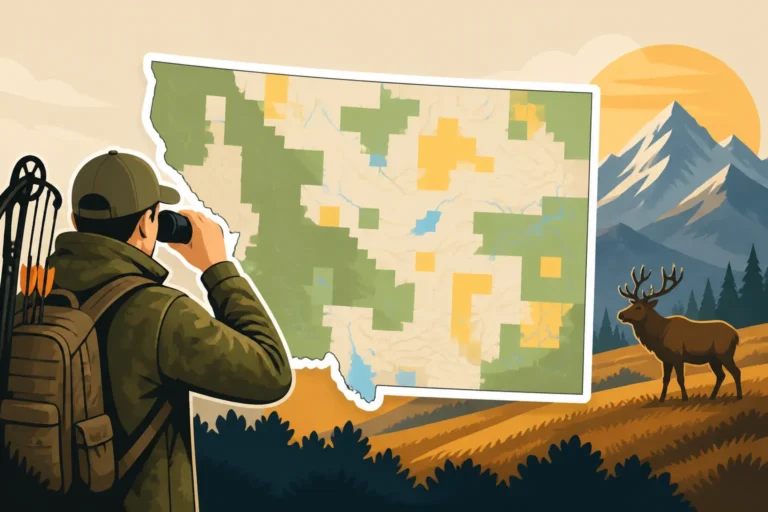
Many of the lower elevations and surrounding areas are comprised of private ranchland, which can make accessing public parcels tricky due to checkerboard land ownership. This is where tools like onX Hunt become invaluable, allowing you to clearly see property boundaries and identify public land pockets, easements, and access points. Don't underestimate the challenge of finding unencumbered access to public ground; a good map and thorough e-scouting are paramount. Additionally, Block Management Areas (BMAs) can offer crucial access to private lands, but these vary year to year and require checking the Montana Fish, Wildlife & Parks (FWP) Block Management Atlas. For a deeper dive into accessing these private lands, explore How to Use Block Management for DIY Hunts.
Target Species and Their Habitats
District 652 is perhaps best known for its populations of elk and mule deer, drawing both resident and nonresident hunters. However, it also holds a small, highly coveted population of bighorn sheep, though drawing a tag for them is incredibly rare.
- Elk: These magnificent animals are typically found in the more rugged, timbered sections of the Pryor Mountains. During the early seasons, they'll stick to higher elevations, seeking the cooler temperatures and dense cover of the Douglas fir and pine forests. As hunting pressure builds or winter weather sets in, they may descend into the lower, brushier breaks or even onto private lands adjacent to public ground. Knowing how to locate elk on Montana Public Land is key here, often requiring hunters to put in the miles away from roads. Look for north-facing slopes, dark timber pockets, and areas with water sources during the archery season.
- Mule Deer: Mule deer are more widely distributed across the district, favoring the broken country, sagebrush flats, and juniper-covered hillsides. You'll find them in the canyons and coulees that cut through the lower elevations, where they can browse on various shrubs and find thermal cover. They are often found outside the heaviest timber that elk prefer, often utilizing rimrock country and draws.
- Bighorn Sheep: The bighorn sheep in HD 652 are part of a smaller, distinct herd in the Pryors. These tags are extremely difficult to draw, often requiring many years of applying for Montana bonus points and immense luck. If you're fortunate enough to draw, expect a demanding, high-country hunt in steep, rocky terrain.
Navigating Regulations and Seasons in HD 652
Montana's hunting regulations can be a labyrinth, and District 652 has its own specific rules that hunters must understand thoroughly before planning a trip. Ignorance of the law is never an excuse, and FWP wardens are serious about compliance.
General Elk and Deer Regulations
For many years, District 652 has been a general hunting district for both elk and mule deer for those holding the appropriate general license. This means that if you draw a general elk or deer license for Montana, you can typically hunt in HD 652 without needing a separate, limited-entry permit for that species.
- Elk: The general elk season typically includes an archery-only period followed by a general rifle season. The specific dates for these seasons vary slightly year to year, so it’s crucial to consult the current Montana Elk Season Dates Guide. Often, HD 652 falls under the broader Region 5 general regulations. Antlerless elk opportunities may exist, usually tied to specific B-licenses or general regulations that allow for either-sex elk harvest at certain times or areas. Check the most recent regulations for any specific antler point restrictions that might apply to bull elk.
- Mule Deer: Similar to elk, mule deer hunting typically follows an archery and general rifle season. While a general deer license usually allows you to hunt mule deer, there might be specific antler point restrictions or limitations on antlerless harvest depending on population management goals. Always verify if any "Mule Deer B Private Land Restrictions" are in effect, though 652 often offers public land opportunity.
- Weapon Restrictions: Standard archery and rifle regulations apply. Muzzleloader hunting generally falls within the general rifle season dates.
Special Permits and Drawing Odds
While elk and mule deer are often general, special permits are definitely a factor for other species and sometimes for specific types of elk or deer in certain limited areas.
- Bighorn Sheep: This is the big one. Drawing a bighorn sheep permit for District 652, or anywhere in Montana, is akin to winning the lottery. It's a highly sought-after, limited-entry permit, and hunters accumulate bonus points over many years in hopes of drawing. If you're interested in pursuing sheep, understanding how Montana Bonus Points Work is essential, and be prepared for a long game.
- Elk B-Licenses: Occasionally, FWP will offer antlerless elk B-licenses in districts to manage populations. These are typically drawn permits and allow for the harvest of an antlerless elk in addition to a general bull tag. Whether these are available in HD 652 depends on population objectives and hunter pressure in a given year.
- Understanding Odds: To gauge your chances for any drawn permit, resources like
GoHuntprovide valuable insights into draw odds based on historical data. This can help you decide if applying for a specific permit in HD 652 is a realistic goal or more of a long shot. Knowing How to Read Montana Draw Odds is an important skill for any serious applicant.
Important Considerations for Nonresidents
For out-of-state hunters, planning a trip to Montana, especially to a unit like 652, involves a few extra layers of complexity. The Montana Nonresident License Draw Explained details the process, but here's a quick rundown:
- Combination Licenses: Nonresidents typically apply for a Nonresident Combination License, such as the Big Game Combo (elk and deer) or the Elk Combo. These are lottery drawings, and while odds vary, drawing a combo license can be competitive.
- Preference Points: Montana uses a preference point system for its combination licenses. These points increase your odds in the drawing but don't guarantee a tag. You can purchase a preference point without applying for a license, which is a common strategy for building points over time. For more information, read How to Build Preference Points in Montana.
- Application Timelines: Pay close attention to the Montana Big Game Draw Deadlines. Applications typically open in January and close in April for most big game species. Missing a deadline means missing the opportunity for that year.
- Cost: Nonresident licenses are significantly more expensive than resident tags. Be sure to budget accordingly. Montana Nonresident Combination License Guide gives an overview of options and costs.
Strategic Hunting Approaches for District 652
Successfully hunting District 652, especially for elk, often boils down to a blend of preparation, persistence, and adapting to the unique terrain and animal behavior. It's not a unit where you can simply show up and expect animals to jump in front of your truck.
Scouting and E-Scouting Best Practices
Pre-season scouting is paramount. With the mixed public and private land, understanding where you can legally hunt and where animals are likely to be is half the battle.
- E-Scouting: Before you ever set foot in the district, spend significant time e-scouting using mapping applications like
onX Hunt. Look for:- Public/Private Boundaries: Identify accessible public land, including National Forest, BLM, and State Trust Lands. Pay close attention to easements and potential landlocked parcels.
- Terrain Features: Identify potential bedding areas (dense timber, north slopes), feeding areas (open parks, sagebrush flats), and water sources (springs, creeks).
- Access Roads/Trails: Map out all legal access points, existing trails, and potential routes for a pack-out. Note any road closures or motorized restrictions. For more on this, check out How to E-Scout Montana Hunting Units.
- On-the-Ground Scouting: If possible, visit the district before the season. Even a quick trip to drive roads and hike a few miles can give you invaluable insight into the terrain, vegetation, and current animal sign. Look for rubs, tracks, scat, and active game trails. Note pressure points from other hunters.
- If you're looking for elk, focus on areas away from roads and known access points. Elk in heavily pressured areas quickly become nocturnal or move into thick cover.
- For mule deer, glass from vantage points, focusing on draws, coulees, and the edges of timber.
Effective Hunting Methods for the Terrain
The varied landscape of HD 652 lends itself to several different hunting methods, and successful hunters often employ a combination.
- Spot-and-Stalk: This is a highly effective method for both elk and mule deer in District 652. The open, broken country in the lower and mid-elevations is perfect for long-range glassing. Find a good vantage point, use high-quality optics (binoculars, spotting scope) to meticulously pick apart hillsides, and locate animals before planning your approach. The Pryor Mountains themselves offer plenty of elevation for glassing. For mule deer, learning How to Spot-and-Stalk Montana Mule Deer is invaluable.
- Still-Hunting Timber: In the denser timbered areas of the Pryors, especially where elk seek refuge, still-hunting can be productive. This involves moving incredibly slowly and deliberately through the woods, taking a few steps, then pausing to observe, listen, and scan for any sign of movement. The key is stealth and patience. Understanding How to Still-Hunt Montana Timber can improve your chances significantly.
- Calling (Elk): During the archery season and the early part of the rifle season, especially during the rut, calling can be an extremely effective tactic for elk. Cow calls and bugles can be used to locate bulls or draw them into shooting range. However, understand that heavy pressure can make bulls call-shy. For successful calling, learn How to Call Elk in Montana.
- Hunting Water Sources: Especially during early archery season or in dry years, knowing How to Hunt Elk Water Holes in Montana can be a game-changer. Elk and deer need water daily, and identifying secluded springs or stock ponds can reveal consistent travel patterns.
Managing Hunter Pressure and Success
Like many general units in Montana, District 652 does experience hunter pressure, especially during the general rifle season and on easily accessible public lands.
- Finding Solitude: To escape the crowds and find less-pressured animals, you'll almost certainly need to venture deeper into the backcountry. This means hiking further, getting off established trails, and being willing to climb. Target areas that require significant effort to access, as most hunters won't go there. Consider packing into the more remote portions of the Custer Gallatin National Forest or further into the BLM wilderness study areas. Read How to Beat the Crowds on Montana Public Land for more strategies.
- Realistic Expectations: While District 652 offers opportunities, it's generally not considered a "trophy unit" for elk or mule deer in the same way some permit units are. Success rates can vary widely depending on weather, hunter effort, and animal distribution. For general units, a successful hunt might mean harvesting a cow elk for meat or a respectable buck, rather than a Boone & Crockett contender. However, persistent and knowledgeable hunters do find impressive animals.
- Weather's Impact: Early season can be warm and dry, making elk hunting challenging as animals will be higher and spread out. A cold front or early snow can significantly improve hunting by pushing animals to lower elevations and concentrating them. Learn How Weather Moves Montana Elk to leverage these patterns.
Essential Gear and Logistics for a HD 652 Hunt
Being properly equipped and having your logistics sorted can make your hunt in District 652 much more enjoyable and successful. The diverse terrain and variable weather demand careful planning.
Recommended Gear for the Diverse Terrain
Hunting in HD 652 requires reliable gear that can withstand rugged use and unpredictable weather.
- Footwear: Sturdy, broken-in hunting boots with good ankle support are non-negotiable. You'll be traversing rocky slopes, climbing steep inclines, and likely covering many miles. Waterproofing is a must, as you might encounter wet creek crossings or early morning dew. Consider a boot with a stiff sole for side-hilling comfort. Check out the Best Boots for Montana Elk Hunting for ideas.
- Optics: High-quality binoculars (10x or 12x) are essential for glassing the open country. A spotting scope (20-60x or similar) on a tripod will greatly aid in identifying animals at long distances, especially in the breaks and open hillsides.
- Clothing: Layering is key in Montana. Expect wide temperature swings, from frosty mornings to warm afternoons. Pack moisture-wicking base layers, insulating mid-layers (fleece or puffy jacket), and a waterproof/windproof outer shell. Camouflage patterns should blend with the sagebrush and timber.
- Navigation: A reliable GPS device or a smartphone with a mapping app like
onX Huntis crucial for navigating public/private boundaries, tracking your movements, and marking waypoints. Always carry a physical map and compass as a backup. - Backpack: A comfortable day pack is sufficient for single-day hunts, but if you plan on going deep or doing a spike camp, a larger pack capable of hauling meat is necessary. You'll want a pack that fits well and distributes weight effectively. Consider the Best Backpack for a Montana Elk Hunt.
- Survival Gear: Always carry essentials like a first-aid kit, fire starter, headlamp, water filter/purifier, and emergency shelter, especially if you venture into remote areas. Cell service can be spotty to non-existent.
Local Resources and Accommodations
While District 652 itself is rural, there are towns nearby that can serve as a base of operations or for resupply.
- Nearby Towns: The closest towns to parts of HD 652 include Bridger, Edgar, and Pryor. These small communities offer basic services like gas, a limited selection of groceries, and perhaps a small diner. For more extensive supplies, lodging options, or specialized hunting gear, you'll likely need to head to Billings, which is Montana's largest city and about an hour's drive from some parts of the district.
- Lodging: Options range from motels in Billings to smaller, independently owned establishments in the closer towns. If you're looking for a true hunting camp experience, public land camping is available in the Custer Gallatin National Forest (check specific regulations for dispersed camping) and on some BLM lands. Setting up a Montana Elk Camp could involve anything from wall tents to smaller backpacking tents, depending on your style.
- Meat Processing: Plan ahead for meat processing. In the event of a successful harvest, especially an elk, you'll need to get the meat to a processor quickly, especially during warmer early seasons. Billings will have several options, but smaller towns might have a local butcher if you ask around. Knowing How to Quarter an Elk in the Montana Backcountry is crucial if you're far from a road.
District 652 presents a challenging but rewarding hunting experience. Its diverse habitats support healthy populations of elk and mule deer, requiring hunters to be adaptable and persistent. With careful planning, thorough scouting (both e-scouting with tools like onX Hunt and on-the-ground recon), and a good understanding of the regulations, this southeast Montana unit can provide a memorable hunt.
Key Hunting District 652 Features Summary
| Feature | Description |
|---|---|
| Location | South-central Montana, primarily encompassing the Pryor Mountains and surrounding plains/breaks. |
| Primary Terrain | Diverse: Rugged, timbered mountains (Douglas fir, ponderosa pine), steep canyons, rough breaks, juniper-covered hillsides, rolling sagebrush flats, and river bottom drainages. |
| Public Land Access | Significant, including parts of Custer Gallatin National Forest, BLM lands (Pryor Mountains Wild Horse Range), and State Trust Lands. Private land interspersed, requiring careful navigation (e.g., onX Hunt). Block Management opportunities are often available. |
| Primary Species | Elk, Mule Deer. Bighorn Sheep (permit-only, extremely difficult draw). |
| Elk Regulations | Generally a general unit for archery and rifle seasons, but always check current FWP regulations for specific dates and any antlerless opportunities (B-licenses). |
| Deer Regulations | Generally a general unit for archery and rifle seasons. Check FWP for current dates, antler restrictions, and antlerless opportunities. |
| Special Permits | Bighorn Sheep (highly competitive draw, often requiring many preference/bonus points). Occasional Elk B-licenses. Use resources like GoHunt to check draw odds. |
| Key Challenges | Navigating public/private land ownership, hunter pressure in accessible areas, rugged terrain in the mountains, potentially warm early season weather. |
| Nearby Amenities | Limited in immediate vicinity (Bridger, Edgar, Pryor for basics). Billings offers full services (lodging, groceries, gear, meat processors). |
Disclaimer
Please remember that hunting regulations, season dates, and land access can change frequently. Always consult the most current Montana Fish, Wildlife & Parks (FWP) regulations and maps before planning and executing your hunt in District 652. This guide is intended for informational purposes only and should not be considered a substitute for official FWP resources.