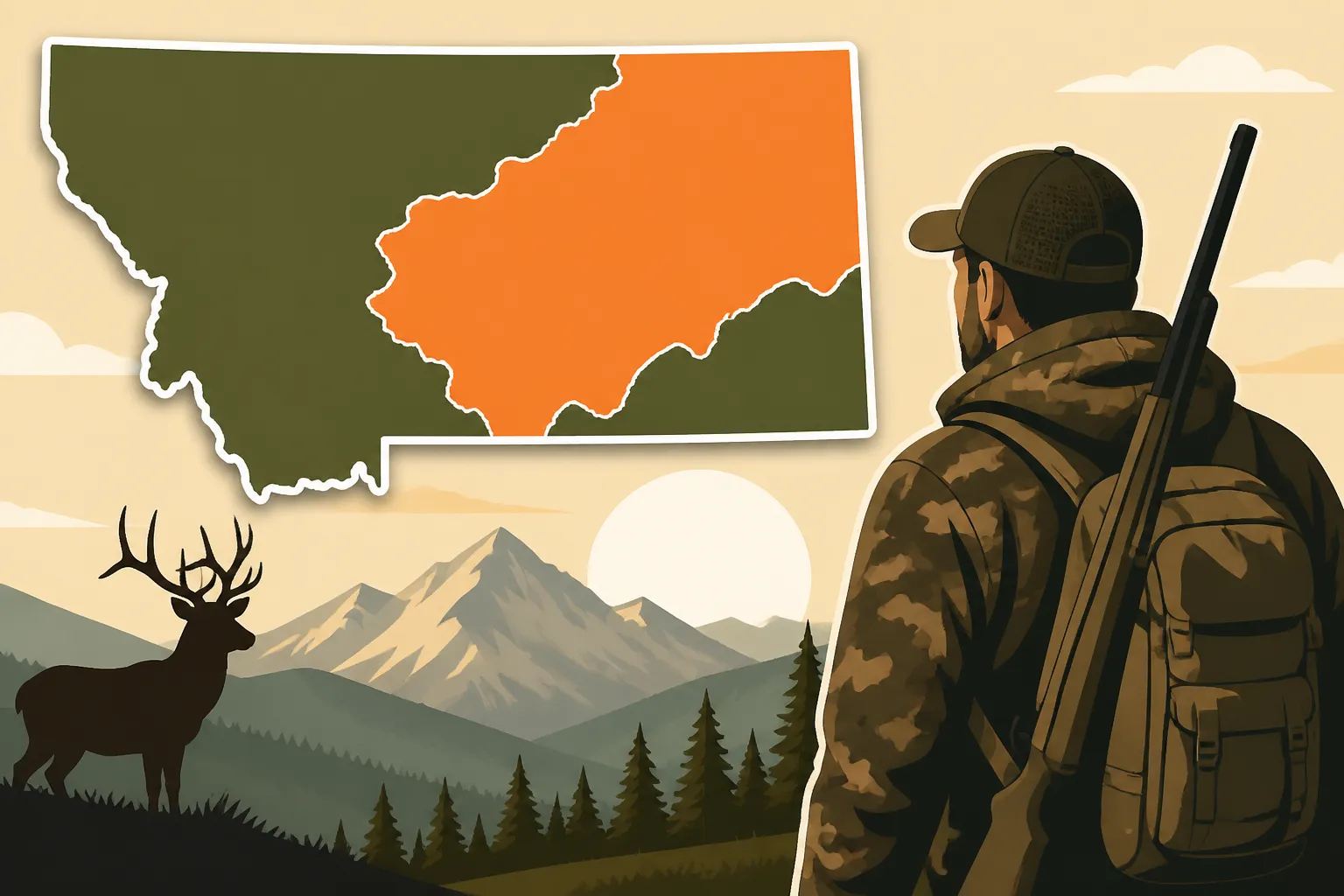
Montana Hunting District 502 Overview
Deciphering the maze of Montana's hunting districts can feel like trying to read a topo map in the dark. For many, the sheer number of options and the nuances of each unit create a significant hurdle, making it tough to confidently plan a successful hunt. This comprehensive guide is designed to illuminate the specifics of Montana Hunting District 502, offering a detailed look at its unique landscape, wildlife, and the practical considerations you'll need to navigate its opportunities.
An Overview of Montana Hunting District 502
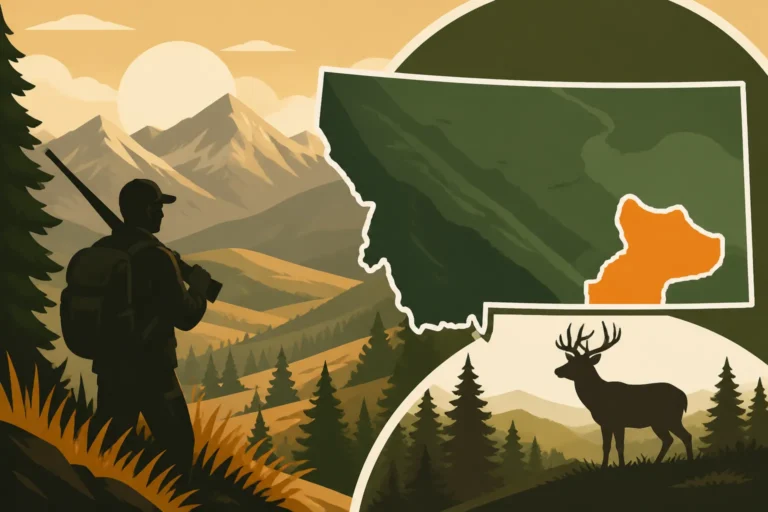
Hunting District 502 is one of those classic southwestern Montana units that often gets overlooked in favor of more "trophy" districts, but it offers a robust hunting experience for those willing to learn its intricacies. Located primarily within the Beaverhead-Deerlodge National Forest, this district is a fantastic example of diverse, accessible public land, though it comes with its own set of challenges, as all good hunting grounds do. It’s a place where big game abounds, but it demands effort and smart strategy.
Geographic and Ecological Profile
HD 502 stretches across a significant portion of southwestern Montana, encompassing a varied landscape from vast sagebrush foothills to steep, timbered mountainsides and high-elevation alpine basins. It's situated within the Big Hole Valley area, extending into mountain ranges like the Pioneer Mountains. This district truly offers a taste of Big Sky Country's diverse ecosystems, providing critical habitat for multiple species. You'll find everything from open grazing lands to dense conifer forests, all contributing to a rich wildlife tapestry. The district's boundaries are generally well-defined by major rivers and highways, but using a robust mapping tool like onX Hunt is absolutely essential to confirm property lines when you're on the ground.
Primary Big Game Species
When you're thinking about hunting HD 502, elk and mule deer are undoubtedly the stars of the show. This district consistently holds healthy populations of both, making it a popular choice for many hunters, especially those looking to utilize general season tags.
Elk Populations and Opportunities
Elk in HD 502 utilize the varied terrain, often moving between high-elevation summer ranges in the dense timber and lower, more sheltered areas as hunting pressure increases and winter approaches. During the early archery seasons and the peak of the rut, you can often find bulls bugling in the higher basins and along timbered ridges. As the general rifle season kicks in, these animals tend to push deeper into the dark timber or onto private lands if accessible. The district offers good opportunities for general elk tags, meaning most hunters with a valid combination license can pursue them here. Understanding how to locate elk on Montana public land is key in this unit.
Mule Deer Presence and Habits
Mule deer are another strong draw in HD 502. They tend to prefer the more open, sagebrush-covered hillsides and the edges of timber, particularly in the lower and mid-elevations. While not typically known as a "trophy" mule deer unit in the same vein as some eastern Montana districts, HD 502 can certainly produce solid bucks for persistent hunters. Their movements are highly influenced by forage availability, pressure, and weather, especially during the later rifle seasons when snow can push them into more accessible areas. For detailed insights, consult a comprehensive guide like the Montana Mule Deer Hunting Guide.
Other Huntable Species
Beyond elk and mule deer, HD 502 also offers opportunities for black bear. Spring bear season can be a productive time, as bears emerge from hibernation and forage on green-ups on south-facing slopes. Fall bear season coincides with deer and elk seasons, offering a chance to fill another tag if you’re prepared. Additionally, you might find whitetail deer in the river bottom areas along the Big Hole River drainage, though they are less prevalent than mule deer in the higher country. Always check the specific regulations for each species, as tags and seasons can vary significantly.
Terrain, Habitat, and Access in HD 502
Montana Hunting District 502 is a tapestry of public and private land, characterized by dramatic elevation changes, diverse vegetation, and a network of roads that range from well-maintained highways to barely-there two-tracks. Understanding this mix is paramount to planning any hunt here.
Navigating Public and Private Land
The vast majority of HD 502 consists of public lands, primarily the Beaverhead-Deerlodge National Forest, interspersed with some Bureau of Land Management (BLM) acreage and state lands. This abundance of public access is a huge advantage for DIY hunters. However, there are also significant parcels of private land, particularly in the valley bottoms and lower foothills, often used for ranching and agriculture. These private lands can act as important winter range or sanctuary areas for game, especially when hunting pressure builds on public ground. It’s crucial to be intimately familiar with land ownership boundaries before heading out. Tools like onX Hunt are indispensable here, providing real-time land ownership data right on your phone, preventing accidental trespasses and helping you find those tricky landlocked public parcels. For a deeper dive, check out our Montana Public Land Hunting Guide.
Forest Service Roads and Trail Systems
Within the national forest, you'll find an extensive network of Forest Service roads. Some are well-graded and easily passable by most vehicles, while others require high-clearance 4×4 or are seasonal and gated. These roads provide crucial access to trailheads, backcountry camping spots, and areas where you can begin your foot-slogging. Knowing which roads are open and which are closed for the season (often due to snow or wildlife closures) is vital. Many drainages have designated motorized travel restrictions, pushing hunters further on foot or horseback, which often correlates with finding less pressured animals. Backpacking into these areas is often the key to success, as detailed in our Montana Backcountry Hunting Guide.
Wilderness and Roadless Areas
HD 502 borders or contains significant roadless and wilderness study areas within the Beaverhead-Deerlodge National Forest. These areas offer pristine, unpressured hunting experiences but demand a higher level of physical fitness, navigation skills, and self-sufficiency. You won't find any motorized access here, meaning everything goes in and out on your back or via pack stock. For those seeking true solitude and a challenging hunt, these zones can be incredibly rewarding, often holding older age-class animals that have learned to avoid road hunters. Planning a multi-day spike camp is often the most effective strategy in these remote areas.
Diverse Habitat Types
The varied topography of HD 502 creates a rich mosaic of habitats, each attracting different species and requiring different hunting tactics.
High Elevation Timber and Basins
At higher elevations, particularly above 7,000 feet, you'll encounter dense stands of lodgepole pine, Douglas fir, and subalpine fir, often broken up by open parks, rocky outcroppings, and high alpine basins. This is prime summer and early-season habitat for elk, especially during archery season when they are less pressured and more vocal. Mule deer also use these areas, seeking cover in the timber and feeding in the grassy openings. These environments can be physically demanding, with steep climbs and unpredictable weather, but they often yield excellent results for hunters willing to put in the work. Learning how to hunt elk in Montana's Wilderness areas often means focusing on these high-country zones.
Mid-Elevation Slopes and Drainages
As you descend, the landscape transitions to more mixed conifer forests, aspen groves, and grassy, brushy hillsides. This mid-elevation zone is critical transition habitat and is heavily utilized by both elk and mule deer throughout the season. North-facing slopes often hold dense timber, providing bedding cover, while south-facing slopes can offer better forage and catch more sun, making them preferred feeding areas in cooler weather. Major drainages often funnel game, providing natural travel corridors. Understanding how to use thermals in Montana elk country becomes particularly important in these varied slopes.
Lower Elevation Sagebrush and River Bottoms
In the lower elevations, particularly closer to the Big Hole River, you’ll find expansive sagebrush flats, agricultural fields, and riparian zones along creeks and rivers. While less dominant in HD 502 than in some other districts, these areas are important for mule deer and whitetail deer, especially as winter approaches or during periods of heavy hunting pressure in the mountains. Antelope might also be found in the more open, prairie-like sections. Access to these lower private lands can be challenging, but understanding Block Management Areas can open up opportunities.
Hunting Strategies and Considerations for HD 502
Successfully hunting HD 502 isn't about one single tactic; it's about adaptability, preparedness, and understanding how game animals use its diverse landscape. Whether you're chasing elk during the rut or looking for a mule deer buck in the late season, a thoughtful approach is essential.
Elk Hunting Tactics
Elk hunting in HD 502 can be incredibly rewarding, but it demands specific strategies tailored to the season and the terrain.
Early Season Archery Strategies
During the archery season, typically in September, elk are often vocal and responsive to calling, especially during the rut. Focus your efforts on the high-elevation basins, timbered ridges, and north-facing slopes where bulls are gathering cows and establishing their dominance. Aggressive calling, using a mix of cow calls, chuckles, and bugles, can be highly effective. Still-hunting through dark timber in the early mornings and late evenings, or setting up on well-used trails between bedding and feeding areas, are also productive tactics. Understanding Montana Archery Elk Hunting Guide principles is critical for this period. Be prepared for rapidly changing weather, from warm Indian summer days to early snow showers.
Rifle Season Approaches
Once the general rifle season opens in late October, elk behavior shifts significantly due to increased hunter pressure. Animals will often retreat into thicker timber, deeper canyons, or move onto private lands for refuge. This is when patience and strategic still-hunting become paramount. Covering ground quietly through dense timber, focusing on areas with fresh tracks and droppings, can pay dividends. Glassing open parks at first light and last light from a vantage point can also reveal animals moving between cover. Don't be afraid to put on miles and get away from roads, as pressured elk will push into the most remote corners of the district. Learn more about Montana Rifle Elk Hunting Guide strategies.
Mule Deer Hunting Tactics
Mule deer in HD 502 offer diverse opportunities, from high-country bucks to those found in more open, rolling terrain.
Spot-and-Stalk in Open Country
For mule deer, especially in the more open, sagebrush-dotted hillsides and high alpine parks, spot-and-stalk is a highly effective method. This involves getting to a high vantage point before dawn, using quality optics (binoculars and a spotting scope) to systematically glass all visible terrain. Mule deer often bed down on hillsides, blending in remarkably well, so keen observation is key. Once a buck is spotted, careful planning of an approach, considering wind direction, terrain features for cover, and potential escape routes, is critical. This is a classic western hunting method that works exceptionally well here. For detailed techniques, refer to our guide on How to Spot-and-Stalk Montana Mule Deer.
Hunting Timber and Transition Zones
While mule deer often prefer more open country than elk, they also utilize timbered areas for cover, especially during the middle of the day or when pressured. Focus on the edges where timber meets open sagebrush, or within patchy timber stands on slopes. Still-hunting through these transition zones, moving slowly and deliberately, pausing frequently to glass ahead, can surprise bedded bucks. During the rut, typically in November, bucks become more active and can be found cruising for does in various habitat types.
Dealing with Hunter Pressure and Logistics
HD 502 is a general draw unit for elk and deer, meaning it sees its fair share of hunters, especially during the opening week of rifle season. Successfully hunting here often means developing strategies to mitigate this pressure.
Getting Away from Roads
The most effective way to deal with pressure is to get away from roads. Most hunters don't venture more than a mile or two from their vehicles, so pushing deeper into the backcountry, whether on foot or horseback, significantly increases your chances of finding unpressured animals. This might mean planning a multi-day trip with a spike camp or dedicating full days to hiking deep into roadless areas. Early morning starts, getting to your hunting area before daylight, can also give you an edge.
E-Scouting and Physical Preparation
Before you even set foot in HD 502, thorough e-scouting is crucial. Using tools like onX Hunt allows you to identify public land access points, potential bedding and feeding areas, water sources, and travel corridors from home. You can mark waypoints, plan routes, and even identify potential glassing knobs. This detailed pre-season preparation saves valuable time once you're on the ground. Additionally, the mountainous terrain of HD 502 demands a good level of physical fitness. Long days of hiking at elevation, often with steep climbs, will test your endurance. A solid Montana Elk Hunt Fitness Plan is highly recommended.
| Species | Typical Tag Type | Primary Habitat | Opportunity Level (General) | Notes |
|---|---|---|---|---|
| Elk | General Elk Combo (A Tag) | High timber, alpine basins, mid-slopes | Good | Requires effort; animals push deep with pressure; calling effective. |
| Mule Deer | General Deer Combo (A Tag) | Sagebrush hills, timber edges | Good | Spot-and-stalk strong; can find good bucks if persistent. |
| Black Bear | Over-the-counter or Permit | Timbered slopes, stream bottoms | Fair | Spring & Fall seasons; spot-and-stalk or still-hunt. |
| Whitetail | General Deer Combo (A Tag) | River bottoms, riparian zones | Limited | Primarily found in lower elevation creek drainages. |
Regulations, Tags, and Important Dates for HD 502
Navigating Montana's hunting regulations can be daunting, but understanding the specifics for Hunting District 502 is crucial for a lawful and successful hunt. It's not just about having a license; it's about understanding season dates, tag requirements, and special restrictions.
General Season Structure
Hunting District 502 is predominantly a general hunting district for both elk and mule deer. This means that hunters who draw a Montana nonresident combination license, such as the "Big Game Combo" (elk and deer) or the "Deer Combo," will typically have a valid general A tag for this unit. Residents also use their general licenses here. This general status makes HD 502 a popular and accessible option for many hunters. However, "general" doesn't mean "easy." It just means you don't need to draw a specific limited-entry permit for your primary tag. Always confirm your specific license allows you to hunt in HD 502 before you go afield. Our Montana Hunting Seasons Explained guide provides a broader context for these regulations.
Elk Tags and Seasons
For elk, HD 502 generally falls under the statewide general archery season (typically early September to mid-October) and the general rifle season (late October through late November). While the general A tag allows you to pursue bull elk, antlerless elk (cow) tags in HD 502 often require a specific "Elk B" license, which is a limited-entry permit that you must apply for in the draw. These B licenses are district-specific, and their availability and draw odds can vary year to year. If you're hoping to fill the freezer with a cow, be sure to check the Montana FWP regulations carefully and apply for the correct "Elk B" permit during the application period. Understanding Montana Elk Season Dates Guide is essential for planning.
Deer Tags and Seasons
Mule deer and whitetail deer in HD 502 are also primarily hunted with general A tags during the statewide archery and rifle seasons. Similar to elk, antlerless deer opportunities (Deer B licenses) may be available, but they are often limited-entry permits specific to certain districts or types of land (e.g., private land). For example, some districts might offer antlerless Mule Deer B licenses, while others might only have antlerless Whitetail B licenses. Always cross-reference the annual hunting regulations for specific hunt codes and their associated rules within HD 502. If you're a nonresident, you'll want to understand the Montana Nonresident Combination License Guide as this is usually your entry point.
Application Process and Draw Odds
While HD 502 is a general district for A tags, understanding the overall Montana draw process is crucial, especially if you're a nonresident or if you plan to apply for any limited-entry Elk B or Deer B licenses.
Preference Points and Bonus Points
Montana utilizes a preference point system for nonresident combination licenses and a bonus point system for limited-entry permits (like Elk B tags). For the nonresident Big Game Combo, preference points accumulate year over year, increasing your odds of drawing the general license. For limited-entry permits, bonus points give you additional "chances" in the random draw. While you don't need to draw a specific permit to hunt HD 502 with a general tag, applying for preference points or bonus points is a long-term strategy that can open doors to other districts or specific antlerless opportunities in the future. Learn more about Montana Preference Points vs Bonus Points.
Checking Draw Odds and Application Deadlines
Even for general units, it’s wise to understand the overall demand. If you're planning to apply for any limited-entry permits for HD 502, research past draw odds. Resources like GoHunt provide excellent, data-driven draw odds and application strategies that can help you make informed decisions. Pay close attention to the application deadlines, which are typically in March for most big game species. Missing a deadline means missing out on the entire season's draw. Consult the Montana Big Game Draw Deadlines to stay on track.
Important Regulations and Considerations
Beyond tags and seasons, several other regulations and practical considerations are important for hunting in HD 502.
Hunter Orange and Firearm Restrictions
During the general rifle season, Montana requires hunters to wear at least 400 square inches of hunter orange above the waist, visible from all sides. This is a critical safety measure, especially in heavily timbered areas or during periods of high hunter activity. Always be aware of firearm restrictions; certain areas, like within city limits or designated safety zones, may have specific rules regarding discharge of firearms. If you are hunting during archery-only seasons, hunter orange is not required, but many hunters still choose to wear it for visibility when traversing roads or high-traffic areas.
Access Rules and Road Closures
Always verify current Forest Service and BLM road conditions and closures before heading out. Seasonal closures due to snow, mud, or wildlife migration are common, particularly in the higher elevations of HD 502. Respecting these closures is not only about legal compliance but also about ethical hunting and protecting wildlife. Some roads may also be closed to motorized vehicles but open to foot, bike, or horseback traffic, offering great opportunities to escape pressure. Check the Forest Service and BLM websites for the specific area you plan to hunt. Additionally, always review our Montana General vs Permit Tags Explained guide for overall strategy.
Block Management Areas (BMAs)
While HD 502 is primarily public land, keep an eye out for Block Management Areas (BMAs) if they are present within or adjacent to the district. These are private lands enrolled in a voluntary program with Montana Fish, Wildlife & Parks (FWP) to provide public hunting access. BMAs can vary greatly in size and rules, from sign-in boxes at the gate to advance permission required. They can offer fantastic additional opportunities, especially for deer, but require careful adherence to specific rules. Check the FWP website for a map and details on Block Management Areas in the area you plan to hunt.
Remember, the Montana FWP website is your ultimate authority for all current regulations. Regulations can change annually, so always consult the most recent pamphlet before your hunt.
Disclaimer
Please note that hunting regulations, season dates, and access rules can change. Always consult the most current Montana Fish, Wildlife & Parks (FWP) regulations and local land management agency rules before planning and undertaking any hunting trip. This guide is for informational purposes only and should not be considered legal advice.