How to Hunt Elk in Montana’s Wilderness
Hunting elk in Montana's vast, untamed wilderness is a dream for many, but the sheer scale and remoteness of these areas can be intimidating, leaving even experienced hunters feeling overwhelmed about where to start or how to effectively navigate such challenging terrain. This guide is designed to demystify the process, offering practical advice and in-depth strategies to help you plan, prepare for, and successfully execute a wilderness elk hunt in Big Sky Country.
Understanding Montana’s Wilderness Elk Habitat
Montana boasts some truly incredible wilderness areas, offering a chance to escape the crowds and immerse yourself in raw, unforgiving, yet incredibly rewarding hunting grounds. But knowing where these areas are, what makes them unique, and how elk utilize them is the first step toward success.
Defining Montana’s Wilderness Areas
When we talk about “wilderness” in Montana, we’re not just talking about any old public land that’s a bit of a walk. We’re referring to designated Wilderness Areas, often managed by the U.S. Forest Service or other federal agencies, where motorized vehicles and mechanical transport (like bicycles) are strictly prohibited. Think big mountains, dense forests, deep valleys, and sprawling drainages, all accessible only by foot or horseback. Iconic examples include the Bob Marshall Wilderness Complex, the Absaroka-Beartooth Wilderness, and parts of the Scapegoat Wilderness. These are places where you truly earn every step, and every glimpse of wildlife feels like a profound privilege. The scale alone can be daunting, with countless square miles of rugged terrain stretching as far as the eye can see.
These areas represent the last bastions of wildness, providing critical, undisturbed habitat for elk, mule deer, and a host of other wildlife. Hunting in these zones isn't just about bagging an animal; it's about embracing a profound experience, challenging yourself physically and mentally, and connecting with nature on its most primal terms. The regulations in these areas are often more stringent, focused on preserving their pristine nature, so understanding the nuances of travel, camping, and even fire restrictions is paramount before you ever set foot on the trail.
Where Elk Seek Refuge in Remote Backcountry
Elk, being the intelligent and adaptable creatures they are, gravitate towards these wilderness areas precisely because of the lack of human pressure and abundant feed and cover. During the hunting season, especially once the general rifle season opens and pressure mounts on more accessible public lands, elk will often “migrate” deeper into the wilderness, seeking out the darkest timber, the steepest slopes, and the most remote basins. These are often their traditional sanctuaries, places they know offer security.
You'll typically find elk in high-elevation basins with a mix of timbered north-facing slopes for bedding and south-facing slopes or open parks for feeding. Water sources are crucial, so focus on areas with consistent springs, small creeks, or wallows. Don't overlook bench systems within steep mountainsides, as these can provide excellent travel corridors and bedding areas that are challenging for hunters to access. Understanding their seasonal movements, especially how they react to hunting pressure and snowfall, is key. Early season might find them higher, while late-season snows can push them lower, though still within the relative safety of the wilderness boundary.
Navigating Regulations and Permit Systems
Hunting in Montana’s wilderness areas isn’t just about packing your gear; it’s about understanding the complex web of regulations that govern these special places. Each wilderness area, and sometimes even specific hunting districts within them, can have unique rules on top of the statewide Montana hunting regulations. For instance, some areas might have specific rules regarding food storage to prevent bear encounters, or restrictions on group sizes and length of stay in certain camps. It’s not uncommon for specific limited-entry permits to be required for certain hunting districts that encompass large wilderness tracts. Knowing the deadlines for the Montana Nonresident License Draw Explained and understanding how the Montana Preference Points vs Bonus Points system works is crucial if you’re targeting one of these highly sought-after permit areas.
Before you even dream of stepping foot in a particular wilderness area, you need to thoroughly research the specific hunting district regulations through the Montana Fish, Wildlife & Parks (FWP) website. This includes checking season dates, weapon restrictions, and any permit requirements. Don't just skim the general regulations; delve into the specifics for the district you plan to hunt. Using tools like GoHunt's Insider platform can be invaluable here, as they often compile this information in an accessible way, alongside draw odds and unit breakdowns, helping you identify potential areas and understand the necessary licensing. Missing a critical permit deadline or unknowingly violating a wilderness-specific rule can swiftly derail your hunt and potentially lead to fines.
Essential Preparations for a Wilderness Elk Hunt
A successful wilderness elk hunt hinges on meticulous preparation. This isn’t a casual weekend trip; it’s an expedition that demands peak physical condition, the right gear, and comprehensive pre-season planning.
Physical Conditioning for Rugged Terrain
Let’s be real: Montana’s wilderness will chew you up and spit you out if you’re not ready. The terrain is brutal—steep ascents, treacherous descents, thick timber, and often unpredictable weather. You’ll be carrying a heavy pack, likely covering miles each day, often at elevations well over 7,000 feet. This isn’t just walking; it’s a full-body workout that requires endurance, strength, and mental fortitude. Trying to hunt elk when you’re sucking wind after the first ridge will severely limit your effectiveness and enjoyment. You need to be able to hike steep grades with a 40-50 pound pack, recover quickly, and then be steady enough to make an ethical shot.
A dedicated fitness plan is non-negotiable. Start months in advance with a mix of cardiovascular training (running, rucking, cycling), strength training focused on your legs and core, and, crucially, hiking with a weighted pack on varied terrain. Mimic the conditions you'll face: find the steepest hills in your area and climb them repeatedly. Don't forget flexibility and balance exercises, as navigating downed timber and rocky slopes demands agility. Consult resources like "Montana Elk Hunt Fitness Plan" for structured routines designed specifically for the demands of the backcountry. This physical preparation isn't just about hunting harder; it's about minimizing the risk of injury and ensuring you can safely get yourself and your game out of the mountains.
Packing the Right Gear for Extended Backcountry Stays
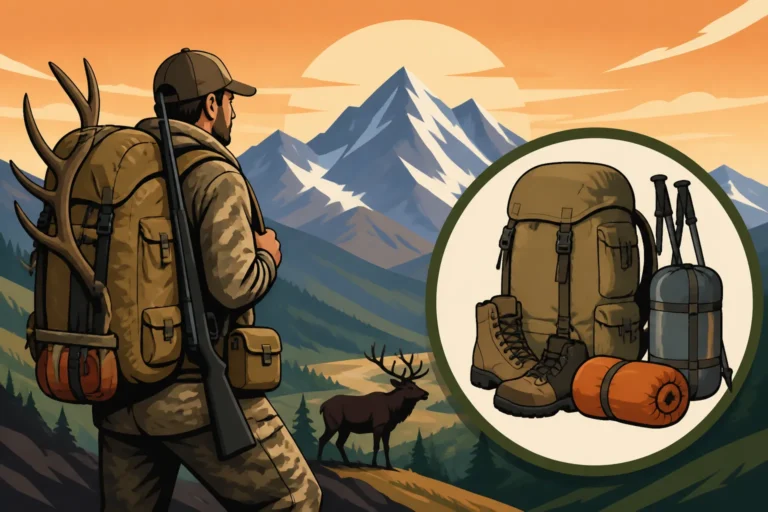
Your gear is your lifeline in the wilderness. Every item needs to be meticulously chosen for its functionality, durability, and weight. The goal is to be self-sufficient for multiple days, potentially a week or more, without unnecessary bulk. A good pack is paramount; look for a robust internal frame pack (like those from Mystery Ranch or Stone Glacier) capable of comfortably hauling 80-100+ pounds. Your shelter needs to be lightweight but robust enough to withstand high winds, rain, or early snows; a quality backpacking tent or a Kifaru tipi with a stove can be game-changers for comfort and morale. A reliable sleep system (sleeping bag and pad) rated for temperatures well below what you expect is also critical, as nights can get surprisingly cold, even in early archery season.
Beyond the big three (pack, shelter, sleep system), think about navigation (GPS, map, compass, and the knowledge to use them), cooking system (small stove, fuel, dehydrated meals), water filtration, first-aid, headlamps, and appropriate clothing layers. Remember that layers are key in Montana's mountains, allowing you to adapt to rapidly changing conditions. And don't skimp on quality optics, as glassing is a primary method for finding elk in expansive terrain. A good pair of binoculars (10×42 or 12×50) and a spotting scope can make all the difference, especially when you're trying to How to Glass Montana's Big Country. The mantra for wilderness gear is: "buy once, cry once." Invest in quality, field-proven equipment.
| Gear Category | Essential Items | Key Considerations |
|---|---|---|
| Shelter & Sleep | Lightweight tent/tarp, sleeping bag, sleeping pad | Weather resistance, warmth rating, packability, weight |
| Navigation | GPS device, topo maps, compass, satellite communicator | Battery life, waterproofing, redundancy, wilderness area specific maps |
| Clothing | Base layers, mid-layers, outer shell, puffy jacket, gloves, hat | Layering system, moisture-wicking, weather protection, durability, quiet fabrics |
| Optics | Binoculars (10-12x), spotting scope, rangefinder | Clarity, light gathering, field of view, stability (tripod for spotting scope) |
| Cooking & Water | Backpacking stove, fuel, pot, water filter/purifier | Fuel efficiency, reliability, capacity, spare filters |
| Safety & First Aid | Comprehensive first aid kit, bear spray, whistle, fire starter, repair kit | Wilderness-specific items, personal medications, multi-tool |
| Hunting Specific | Weapon, ammunition, knife, game bags, headlamp, calls | Reliability, sharpness, appropriate caliber, extra batteries, diverse calls |
E-Scouting and Pre-Season Planning for Remote Units
Even if you can’t physically scout a wilderness area, the advent of powerful e-scouting tools has revolutionized pre-season planning. Programs like OnX Hunt, Gaia GPS, and GoHunt allow you to dissect potential hunting units from the comfort of your home. Start by identifying designated wilderness areas and then zoom in on the specific hunting districts. Look for areas away from roads and trails, focusing on basins with north-facing slopes, dense timber pockets, and proximity to water sources. Identify natural funnels, saddle crossings, and distinct benches where elk might travel or bed. Pay close attention to elevation changes and potential escape routes.
Overlay historical data like fire scars, which often create new growth and excellent forage, attracting elk in subsequent years. Use satellite imagery to find hidden meadows or open areas within dense timber. Beyond terrain, research game densities and success rates for the specific districts you're considering. Understand that draw odds for trophy units might be low, but general tags in less-pressured wilderness areas can offer fantastic opportunities for those willing to work hard. Resources like "How to E-Scout Montana Hunting Units" can walk you through the specifics of leveraging these tools to their fullest potential. The more informed you are before you go, the less time you'll spend searching aimlessly in the vastness of the wilderness.
Strategies for Locating and Hunting Wilderness Elk
Once you’re physically prepared and your gear is dialed, the real work begins: finding and hunting elk in their wild domain. This requires patience, keen observation, and the ability to adapt to the unpredictable nature of the backcountry.
Mastering Spot-and-Stalk in Big Country
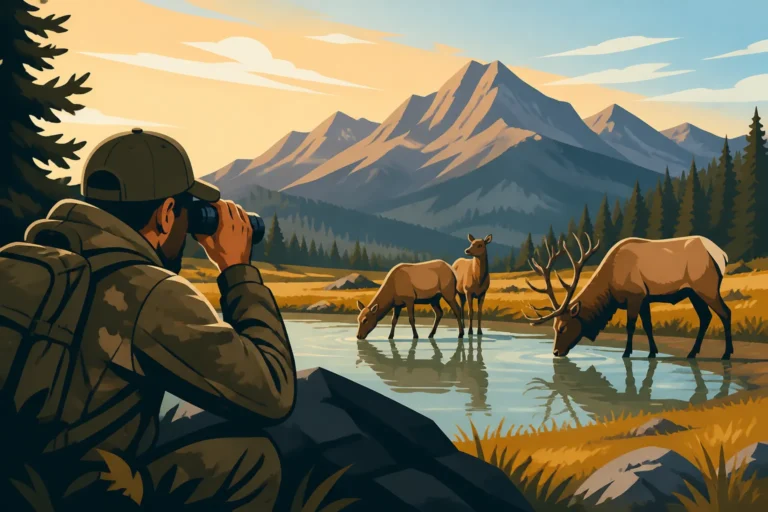
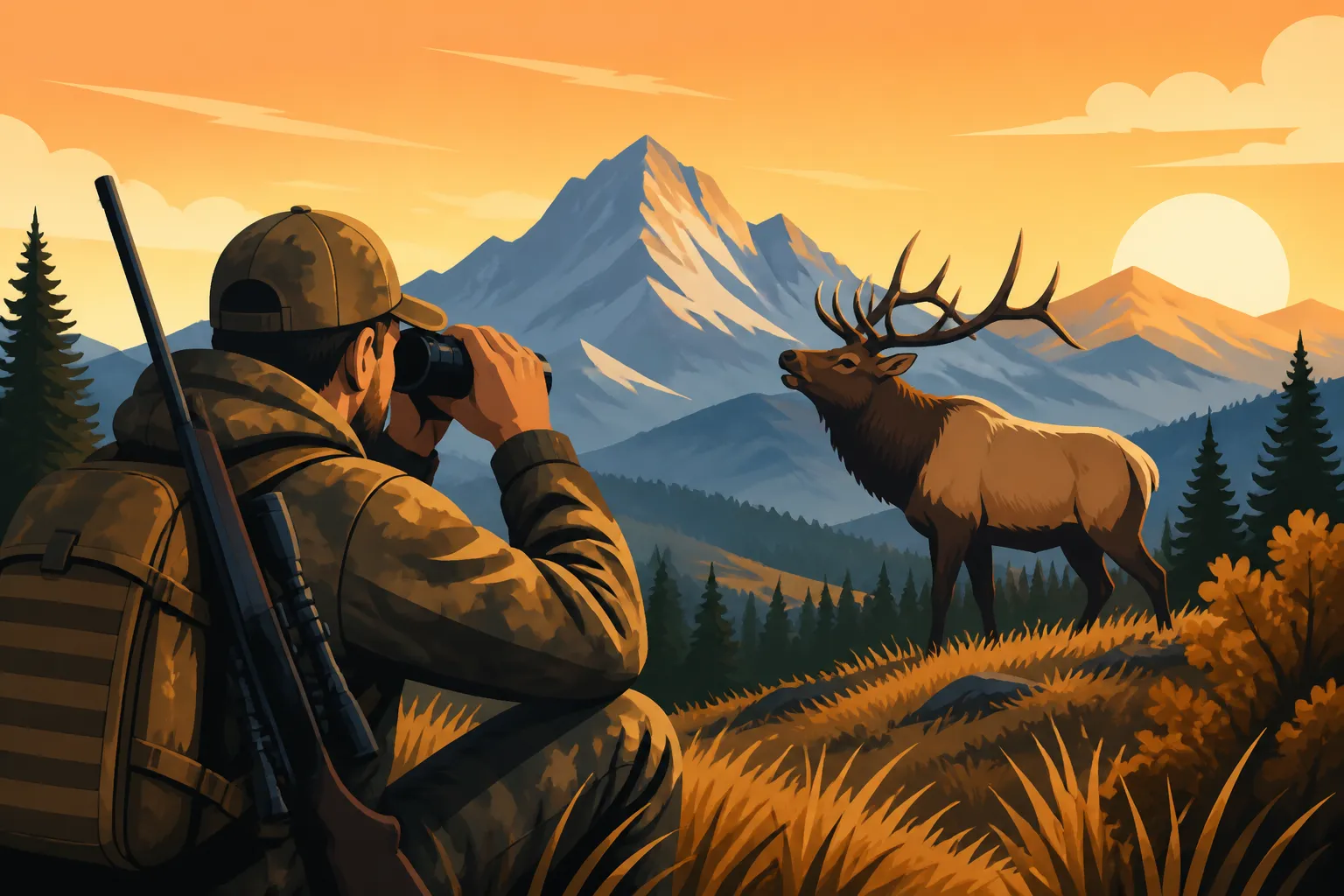
In Montana’s expansive wilderness, particularly during the early archery or general rifle seasons when elk are still relatively spread out, spot-and-stalk is often the most effective method. This involves finding high vantage points, often referred to as “glassing knobs,” and methodically sweeping the landscape with your binoculars and spotting scope. Look for subtle movements, a flash of antler, or the tell-tale horizontal line of an elk’s back against vertical timber. The key is patience; spend hours, not minutes, meticulously picking apart distant hillsides, dark timber fringes, and open parks at dawn and dusk. Learning How to Glass Montana’s Big Country effectively will be one of your most valuable skills.
Once you spot elk, the stalk begins. This is where your physical conditioning and stealth come into play. Plan your approach carefully, using terrain features and wind direction to your advantage. Avoid skylining yourself and move slowly, pausing frequently to listen and observe. The wind is your absolute best friend or worst enemy in the mountains, constantly swirling and changing. Always be aware of thermals—air currents that flow uphill in the morning as the sun warms the earth and downhill in the evening as it cools. A successful spot-and-stalk often involves hours, sometimes an entire day, of careful maneuvering for a few moments of opportunity.
Effective Calling Tactics in Expansive Wilderness
While spot-and-stalk is often a primary tactic, elk calling remains an indispensable tool, especially during the rut (mid-September to early October) for archery hunters. The vastness of the wilderness means elk might be widely dispersed, and calling can help you locate them or draw them closer. Bugling, cow calls, and calf mews all have their place. During the rut, a challenging bugle can provoke a bull into revealing his location, or even draw him in, especially if you set up an ambush point with a caller and a shooter. Understanding “How to Call Elk in Montana” is critical, as calling too aggressively or at the wrong time can sometimes spook a wary bull.
Outside of the peak rut, subtle cow calls can still be effective for locating scattered herds or encouraging a hesitant bull to step into the open. Using locator bugles can help pinpoint where elk are bedded in thick timber, allowing you to then plan a more precise still-hunt or spot-and-stalk. Always consider your setup: position yourself with good cover, an escape route, and pay attention to the wind. Sometimes, less is more with calling. A few well-placed, realistic calls can be far more effective than a cacophony of sound that alerts every animal in the drainage. Remember, elk in the wilderness are often less accustomed to human interaction, and their reactions to calls can be more genuine, but also more sensitive if they detect something is amiss.
Understanding Elk Behavior and Movement Patterns
Elk are creatures of habit, but those habits are heavily influenced by environmental factors like weather, forage availability, and hunting pressure. In the wilderness, their patterns tend to be more natural. They’ll typically feed in open parks or fringes of timber during early morning and late evening, then retreat to dense, secure cover (often north-facing slopes with mature timber) for bedding during the day. Water sources are critical, and they’ll visit them regularly. Learning to identify fresh tracks, droppings, rubs, and wallows is like reading a newspaper, telling you where and when elk have been in the area.
Thermals play a huge role in elk movement and security. As the morning sun warms the valleys, air currents rise, carrying your scent uphill. In the evening, as the air cools, thermals drop, carrying your scent downhill. Smart hunters use these predictable air currents to their advantage, planning their movements to keep their scent away from potential elk bedding or feeding areas. Heavy weather, like significant snowfall, can also dramatically shift elk patterns, often pushing them to lower elevations or into sheltered drainages. Continually observe, adapt, and learn from the elk themselves. Every sign, every sound, and every shift in the wind offers clues to their whereabouts.
Navigating Logistics and Safety in the Backcountry
Beyond the hunt itself, the logistics of living and surviving comfortably in the wilderness are paramount. Neglecting these aspects can turn a challenging hunt into a dangerous ordeal.
Establishing a Secure and Functional Elk Camp
Your elk camp is your base of operations, your sanctuary in the wild. Choosing the right location is critical. Look for a flat, level spot near a reliable water source, ideally with some protection from wind and weather (think dense timber or a natural depression). Consider your access in and out – you want to be able to get to your hunting grounds efficiently but also discreetly. Good drainage is a must to avoid waking up in a puddle. In designated wilderness areas, there might be specific rules about how close you can camp to water sources or trails, so always check those regulations.
Setting up camp efficiently means having a system. Erect your shelter first, then organize your sleeping area, cooking area, and gear storage. Bear safety is non-negotiable in Montana; use bear-resistant containers or hang your food and scented items well away from your sleeping area. Keep a clean camp, pack out all your trash, and leave no trace. Your camp should be a place where you can dry out gear, rehydrate, refuel, and recharge for the next day's efforts. A well-placed camp can greatly enhance morale and energy levels throughout your hunt. Resources like "How to Set Up a Montana Elk Camp" offer more detailed guidance.
Water Sourcing, Filtration, and Food Management
Water is life in the backcountry, and you can’t carry enough for a multi-day wilderness hunt. You’ll need a reliable way to source and purify water. Springs, creeks, and melting snow are common sources. Invest in a high-quality water filter or purification system (such as Sawyer Squeeze, Katadyn BeFree, or a SteriPEN) and always carry backup purification tablets. Know how much water you consume daily for drinking and cooking, and plan your routes to hit reliable water sources. Always purify *all* water you drink, no matter how clean it looks, to prevent giardia or other waterborne illnesses.
Food management involves planning lightweight, calorie-dense meals that provide sustained energy. Dehydrated meals are popular, but you can also pack staples like instant oatmeal, nuts, dried fruit, jerky, and energy bars. Portion everything beforehand to minimize waste and ensure you have enough for the duration of your trip, plus an extra day or two's worth in case of unexpected delays. Remember, you'll be burning a lot of calories, so prioritize foods that fuel your body efficiently. And as mentioned, store all food and scented items securely away from your sleeping area to prevent attracting bears.
Wilderness Safety, Navigation, and Emergency Preparedness
Safety in the Montana wilderness cannot be overstated. You are often hours, if not days, from any form of assistance. Always carry a reliable navigation system, which should include a GPS device, physical maps, and a compass, and know how to use them independently. Tell someone your detailed hunt plan, including your exact entry and exit points, intended route, and expected return date. Carry a satellite communication device (like a Garmin inReach or Zoleo) for emergency messaging, even if you don’t plan to use it for daily check-ins. Cell service is virtually non-existent in these remote areas.
Beyond navigation, be prepared for wildlife encounters (especially bears – carry bear spray and know how to use it), sudden weather changes, and potential injuries. A comprehensive first-aid kit is crucial, along with knowledge of basic wilderness first aid. Be aware of your surroundings, listen to your body, and know when to turn back. Don't push yourself or your hunting partners to the point of exhaustion or recklessness. Learning about "Montana Backcountry Hunting Safety Tips" is a critical step before any wilderness adventure. Your life, and the lives of your hunting partners, could depend on your preparedness and good judgment.
Post-Harvest Processing and Pack Out Challenges
Successfully harvesting an elk in the wilderness is only half the battle. The real work, the true test of your planning and endurance, often begins once the animal is down.
Field Dressing and Meat Care in Remote Locations
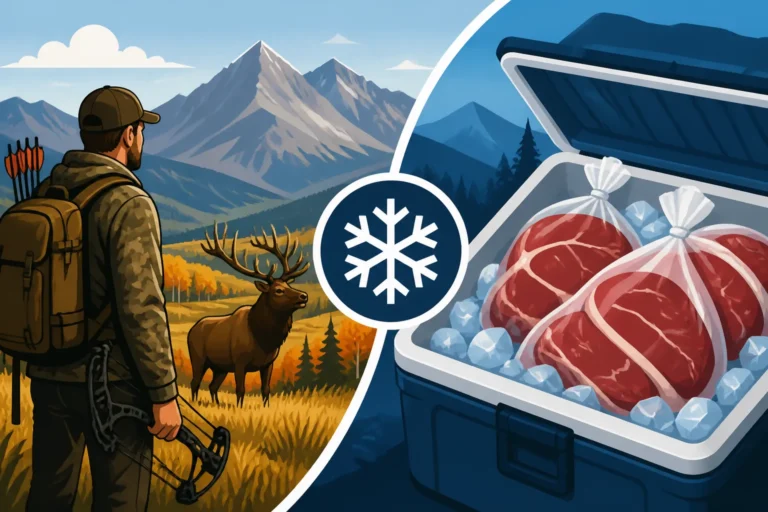
You’ve done it. A magnificent Montana elk is on the ground. Now the clock starts ticking, especially if the weather is warm. Swift and efficient field dressing is paramount to preserving the meat. Your goal is to get the hide off, gut the animal, and break it down into manageable pieces as quickly as possible to allow the meat to cool. The “gutless method” is often favored in the backcountry because it avoids the messy process of opening the body cavity and allows you to quarter the animal in place, leaving the guts largely undisturbed. You’ll need sharp knives, a bone saw, and plenty of strong, breathable game bags (synthetic or cotton are best) to protect the meat from flies and dirt.
Once the meat is quartered and bagged, get it hung in the shade, off the ground, to cool. If temperatures are warm, you might need to bone out the meat immediately to maximize cooling and reduce weight. In cold weather, you have a bit more leeway, but cooling is always the priority. Remember, every ounce of effort you put into meat care now will pay off in delicious, unspoiled table fare later. Neglecting proper care, especially in warm conditions, can lead to spoiled meat, a tragic waste of a magnificent animal. Familiarize yourself with "How to Quarter an Elk in the Montana Backcountry" long before you ever leave home.
The Dauntless Task of Packing Out an Elk Solo or with a Partner
This is where the physical preparation truly pays off. Packing out an elk from the wilderness is arguably the hardest part of the hunt. An average adult elk can yield 150-250 pounds or more of boned-out meat, plus the hide and antlers. Even if you’re hunting with a partner, it’s typically a multi-trip affair, often spanning miles of rugged, steep terrain. You’ll need a stout pack that can handle heavy loads. Load your pack carefully, ensuring the heaviest weight is close to your back and high on your frame for optimal balance. Don’t overload yourself to the point of injury; make multiple trips if necessary.
If you're hunting solo, the challenge is even greater. You'll likely be making several trips back and forth, caching meat along the way. Planning your pack out route immediately after the animal is down is crucial. Look for the path of least resistance, even if it adds a bit of distance. Consider the terrain, elevation changes, and any obstacles like thick timber or water crossings. This is where your mental toughness will be tested, pushing through fatigue, muscle soreness, and often dwindling daylight. Having good quality hunting boots is absolutely essential for stability and comfort on these long, heavy hauls. The feeling of finally getting that last load of meat back to camp or the trailhead is one of the most rewarding moments in hunting.
Respecting the Resource and Leaving No Trace
A core principle of wilderness hunting is leaving no trace. This means minimizing your impact on the environment and respecting the wildness of the place. Pack out everything you pack in, including all trash, spent casings, and any uneaten food. Where possible, use existing campsites to minimize new impact. When you’re field dressing an animal, try to spread the gut pile out to allow scavengers to access it, and move it away from water sources.
Beyond the physical act of cleaning up, it's about an attitude of stewardship. Hunting in Montana's wilderness is a privilege, not a right. We have a responsibility to preserve these wild places for future generations of hunters and wildlife. Your actions reflect on the entire hunting community. By being respectful, ethical, and diligent in your backcountry practices, you contribute to the ongoing legacy of conservation and wilderness appreciation.
Disclaimer
Hunting involves inherent risks, including but not limited to adverse weather conditions, wildlife encounters, and rugged terrain. Always prioritize safety, understand and adhere to all local, state, and federal hunting regulations, and be adequately prepared for your chosen hunting environment. The information provided here is for educational and informational purposes only and should not replace professional advice or official regulations.