Hunting Eastern Montana for Antelope
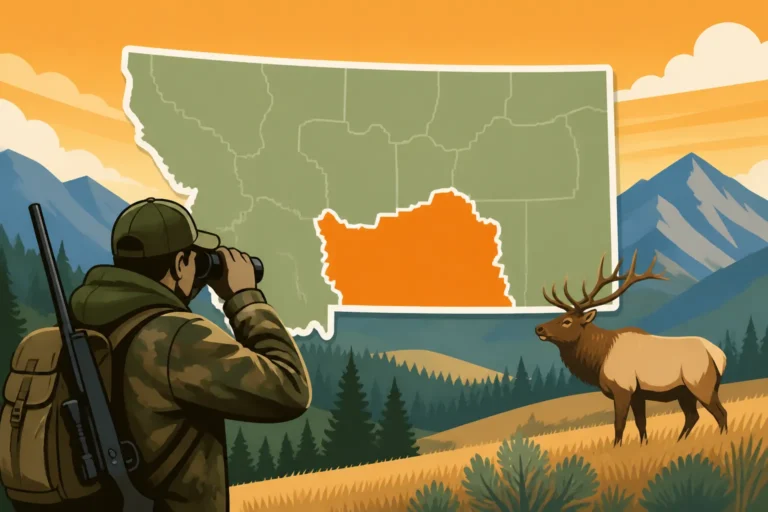
The vast, sprawling plains and rolling badlands of Eastern Montana call to many hunters, but the thought of chasing those notoriously wary antelope across endless miles of open country can feel utterly overwhelming. It’s a completely different ballgame than hunting timbered elk country or even river bottom whitetails. The challenge of finding those tiny specks, closing the distance, and beating their incredible eyesight is what makes it so captivating, and this guide is here to walk you through exactly how to tackle hunting Eastern Montana for antelope.
Understanding the Eastern Montana Landscape and its Unique Challenges
Eastern Montana is a world unto itself, characterized by a seemingly infinite horizon, subtle changes in elevation, and a distinct lack of dense cover. This isn't your typical mountainous big game hunt, and approaching it with the wrong mindset or gear will lead to a lot of frustration and very few opportunities.
The Sheer Scale and Diverse Topography
One of the first things that hits you when you drive across Eastern Montana is just how big it is. We're talking about immense tracts of land that can feel daunting. But within that vastness lies a surprising diversity of terrain. You'll find everything from open grasslands and sagebrush flats that stretch for miles, to deep, winding coulees that offer critical cover, and areas of highly eroded badlands that are incredibly rugged and dissected. There are also significant amounts of agricultural land, including dryland wheat fields and CRP (Conservation Reserve Program) ground, which can hold surprising numbers of antelope. Understanding these micro-habitats is crucial because antelope will utilize them differently depending on the time of day, weather, and hunting pressure.
Imagine driving for an hour and seeing nothing but prairie dogs and distant cows, only to suddenly drop into a network of hidden coulees teeming with wildlife. That's Eastern Montana. These subtle dips and rises, often called "breaks" or "coulees," become your best friend when it comes to breaking up an antelope's line of sight. They are the arteries of the plains, providing not just cover for stalking but also often harboring valuable water sources and richer forage. The flat, featureless sections, while beautiful, offer little in the way of concealment, demanding a completely different approach to your hunt. Knowing how to effectively use tools like onX Hunt to identify these topographical features and plan your approach beforehand is absolutely critical.
Navigating Public and Private Land Access
Another significant challenge in Eastern Montana is the patchwork nature of land ownership. You'll encounter a mix of private property, Bureau of Land Management (BLM) land, State Trust Land, and crucial Block Management Areas (BMAs). Unlike the expansive national forests in the western part of the state, public lands here are often interspersed with private holdings, creating a "checkerboard" effect. This can make access tricky, and it's not uncommon to find public land that is effectively landlocked by private property with no legal access points.
The key to unlocking successful hunting opportunities in this mosaic is meticulous research and a respectful approach. The Block Management Program is a lifesaver for hunters in Montana, providing free public access to millions of acres of private land for hunting. However, these areas often have specific rules, such as sign-in requirements, designated parking, or limits on hunter numbers, which you must follow. Many hunters find tremendous success utilizing these programs, and understanding how to use Block Management Areas effectively is paramount. Always, always have up-to-date maps on hand, like those provided by onX Hunt, which clearly delineate property boundaries and show land status in real-time. Without them, you're essentially walking blind, and trespassing, even unintentionally, can lead to severe consequences and give all hunters a bad name. Remember, treating private landowners with respect is not just about avoiding trouble; it’s about preserving access for future generations.
Antelope Behavior and Habitat on the Plains
Antelope are truly unique creatures, perfectly adapted to their open, often harsh environment. Understanding their natural tendencies and preferred habitats is the cornerstone of any successful hunt in Eastern Montana.
The Masters of Spot-and-Stalk
Let's be blunt: antelope have an unfair advantage. Their eyesight is legendary, often compared to that of an 8x binocular, allowing them to spot movement from incredibly far distances. This, combined with their incredible speed (they are the fastest land animal in North America), makes them incredibly difficult to get close to in open country. They are built for speed and evasion, preferring to rely on their vision and open terrain to detect threats long before they become a danger, then simply outrunning them. This is why a simple "walk and shoot" approach is almost guaranteed to fail.
Their reliance on speed means they prefer open, flat, or gently rolling terrain where they can see for miles. This allows them to detect predators and take off well before you're within range. When they do encounter danger, they don't typically try to hide; they simply run, often stopping to look back at an impressive distance. This behavior dictates that hunters must become masters of the spot-and-stalk, using every tiny bit of cover, the wind, and careful, patient movement to close the distance. Learning how to Spot-and-Stalk Antelope in Montana is not just a tactic; it's practically a philosophy.
Water Sources and Feeding Patterns
Even in the arid environment of Eastern Montana, antelope need water, and these sources can be absolute magnets for them, especially during the warmer early season hunts. During hot, dry stretches, water holes, stock tanks, and even seep springs can concentrate antelope herds, offering excellent ambush opportunities. They often visit water in the mornings and evenings, making these prime times to set up a blind or plan a strategic approach. Learning how to Sit Water for Montana Antelope can be a highly effective tactic, particularly for archery hunters seeking a closer shot.
Beyond water, understanding their feeding patterns is crucial. Antelope are primarily browsers, preferring forbs, sagebrush, and various grasses. They're not particularly picky but will move to areas with the freshest growth. Agricultural fields, particularly those with alfalfa or winter wheat, can draw them in like a magnet. CRP fields also provide excellent forage and a bit more cover than open prairie. During the early morning and late afternoon, you'll often find them actively grazing, making them slightly less vigilant than when bedded down in the middle of the day. A quick scout of fields and coulees around dawn or dusk can reveal preferred feeding areas.
Rut and Post-Rut Behavior
The antelope rut typically kicks into high gear from late September through early October. During this period, dominant bucks become incredibly territorial, constantly herding their does and chasing off rivals. This hyper-aggressive behavior can sometimes be exploited by hunters. A well-executed decoying strategy, where a hunter uses an antelope decoy to mimic a challenging buck, can draw an territorial buck right into range. Learning How to Decoy Antelope in Montana requires precision and patience, but the rewards can be incredible.
After the rut, as winter approaches and temperatures drop, antelope often band together in larger herds for protection and to find better forage. These larger groups can be more challenging to approach, as there are many more eyes and ears to contend with. However, finding these larger herds can indicate good winter range. Late-season hunting often requires focusing on sheltered areas, south-facing slopes that catch the sun, and areas with more substantial forage. The Montana Antelope Season Dates and Tags will give you a clear picture of when these different behaviors are most pronounced.
Essential Hunting Strategies for Eastern Montana Antelope
Hunting antelope successfully in Eastern Montana requires a blend of patience, persistence, and a willingness to adapt. Forget what you know about hunting dense timber; this is a game of open spaces and keen observation.
Mastering the Art of Glassing
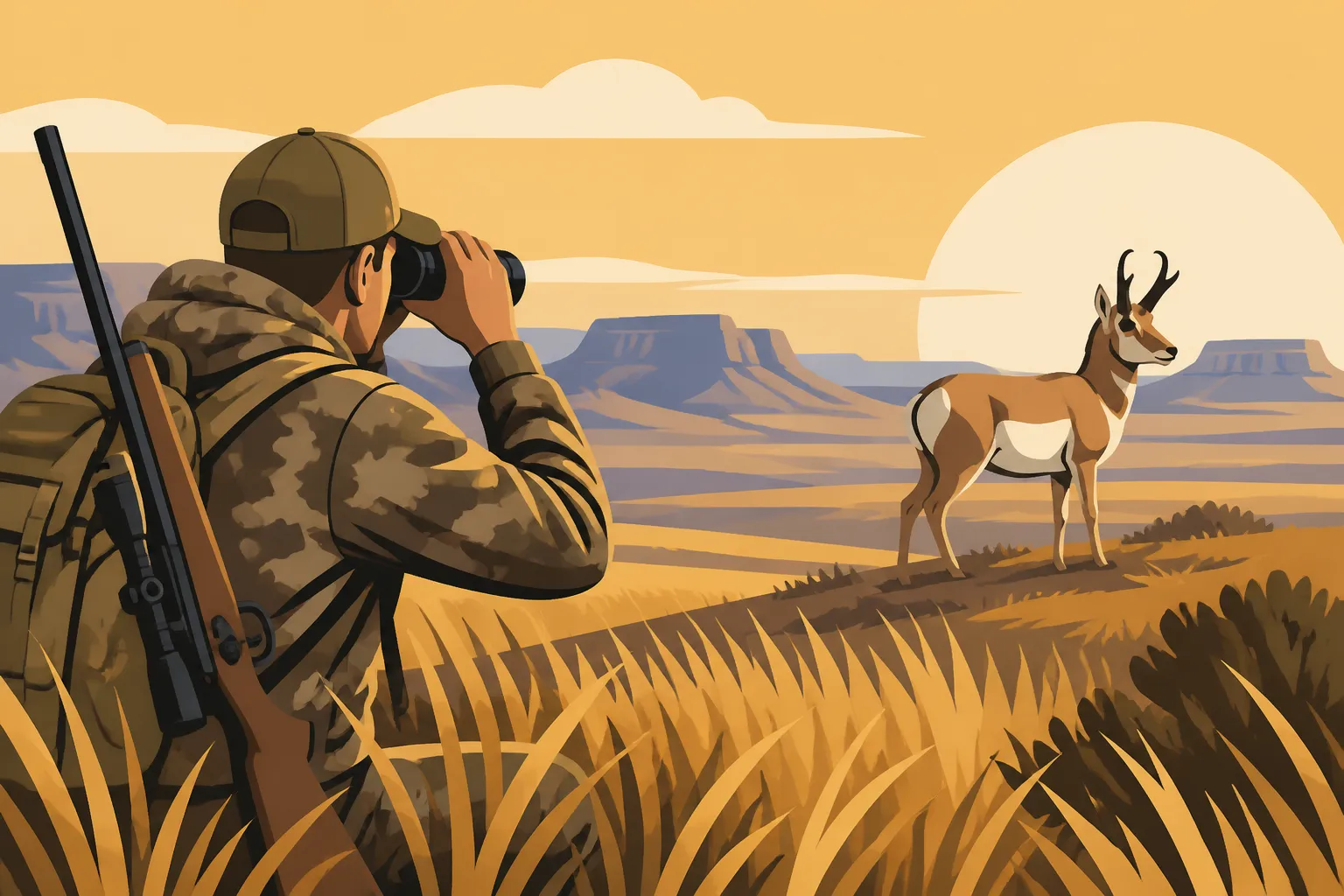
In Eastern Montana, your binoculars and spotting scope are not just tools; they are your primary weapon. You cannot effectively hunt antelope without quality optics. You'll spend far more time glassing than walking, covering vast swaths of country from elevated positions. Find a high point—a hilltop, a slight rise, even the roof of your truck if it's safe and legal—and settle in. Systematically grid the landscape, looking for any anomaly: a flash of white, a horizontal line in a vertical world, a faint movement. Don't just scan; truly pick apart the landscape. Many hunters make the mistake of glassing too quickly, missing the subtle signs of antelope.
A good pair of 10x binoculars is a minimum, but a high-quality spotting scope (20-60x or higher) is invaluable for confirming species, judging horns, and planning a stalk from miles away. Combine this with a solid tripod for steady viewing, and you're set. Remember, the goal isn't just to find antelope; it's to find huntable antelope in a position where a stalk is even remotely possible. This means noting their exact location, the terrain features between you and them, and the wind direction. For more on selecting the right tools, check out our guide on Best Optics for Montana Big Game.
The Patience of the Stalk
Once you've spotted antelope you want to pursue, the real work begins: the stalk. This is where most antelope hunts are won or lost. Unlike elk or deer, where timber offers consistent cover, you'll be using every ripple in the landscape, every patch of sagebrush, and every dry creek bed to conceal your approach.
Here are a few critical considerations:
- Use Topography: This is your best friend. Even a foot-deep ditch or a slight roll in the prairie can offer crucial concealment. Plan your route carefully, often adding significant mileage to stay out of sight. Studying your onX Hunt maps for subtle elevation changes is crucial.
- Wind Direction: Antelope have a decent sense of smell, and the wind will carry your scent far in open country. Always stalk with the wind in your favor, or at least crosswind. Never approach directly downwind.
- Slow and Steady: Your movements must be excruciatingly slow and deliberate. Any sudden, jerky motion in open country will be immediately picked up. If you need to peek over a rise, do so slowly, keeping a low profile, and preferably with a natural backdrop behind you.
- Camouflage: While not as critical as breaking up your outline and staying still, good camouflage that blends with the sagebrush and dry grasses of Eastern Montana can certainly help.
- Last Cover: Identify your "last cover" point, the final bit of concealment before you're in a shooting position. This might be a lone bush, a small knoll, or a fold in the ground. Plan to get to this point, then carefully assess the final approach or shot opportunity.
Many stalks will fail. You'll get busted. Antelope will move. That’s part of the game. The key is to learn from each attempt and maintain a positive attitude. The more you try, the better you'll become at judging distances, reading terrain, and executing silent movements.
Decoys and Ambush Tactics
While spot-and-stalk is the classic method, sometimes the terrain just doesn't allow for it, or you encounter a buck during the rut that's too focused on his does to be stalked. This is where decoying and ambush tactics come into play. As mentioned, during the rut, a well-placed antelope decoy can be incredibly effective, especially for archery hunters. A full-size buck decoy, positioned correctly to mimic a rival, can draw an aggressive buck right into bow range. Success often hinges on having a spotter to watch the antelope's reaction and guide the decoyer.
Another effective ambush tactic, especially during hot weather or in areas with limited water, is to stake out a waterhole. Antelope, like all animals, need to drink, and if you can find a secluded water source they frequent, setting up a ground blind can provide an excellent opportunity. This requires patience and a good understanding of when antelope typically water in that specific area. Remember that blinds need to be set up well in advance to allow animals to become accustomed to them. For those interested in archery, How to Hunt Montana Antelope with a Bow often revolves around these precise, static ambush scenarios.
Here's a quick comparison of these primary tactics:
| Tactic | Best For | Pros | Cons | Key Considerations |
|---|---|---|---|---|
| Spot-and-Stalk | All season, especially on rolling terrain | Highly engaging, adaptable, covers large areas | Physically demanding, high failure rate, requires excellent patience and map reading skills | Elite optics, knowledge of terrain, wind awareness, slow movement, long-range shooting |
| Decoying | Rutting bucks (late Sept-early Oct) | Can draw bucks into close range, exciting for archery | Highly situational, requires specific buck behavior, often needs a two-person team, can spook other animals | Quality decoy, wind direction, aggressive buck, good cover for the hunter |
| Waterhole Sit | Hot, dry periods, limited water sources | High probability of animals visiting, good for static hunting | Requires patience, weather dependent, animals can be wary, limited shot opportunities if not set right | Ground blind, scouting for active waterholes, wind direction, early setup |
Navigating Regulations and Access in Eastern Montana
Understanding the rules and securing the proper tags are non-negotiable for a successful and legal hunt in Eastern Montana. The Montana Fish, Wildlife & Parks (FWP) has specific regulations that hunters must adhere to.
Tagging and Draw Odds
Antelope tags in Montana are primarily allocated through a draw system, making research and strategic application crucial. Non-residents typically apply for the Non-Resident Deer/Elk/Antelope Combination License if they want to hunt multiple species, but specific antelope tags are also available. The "900 series" tags are particularly important for Eastern Montana, as these typically refer to either-sex or doe/fawn only tags that allow for hunting in broad regions, often with better draw odds than specific limited-entry unit tags. However, even these can be highly sought after.
Draw odds can vary wildly from year to year and by district, so researching historical data is paramount. Websites like GoHunt provide excellent tools for analyzing draw odds and unit breakdowns, giving you a statistical edge in your application process. It’s a good idea to build preference points if you plan on hunting Montana regularly, as this will improve your chances over time. Understanding Montana Antelope Draw Odds Explained is a foundational step for any aspiring Eastern Montana antelope hunter. Don't just apply blindly; have a strategy based on data and your hunting goals. For some districts, you might even find leftover or surplus tags, but these are rare and typically for less desirable areas or specific doe/fawn hunts.
Leveraging Block Management Areas
As discussed, Block Management Areas (BMAs) are a fantastic resource in Eastern Montana. These are tracts of private land that FWP leases for public hunting access. They are managed in cooperation with landowners, and rules vary greatly from one BMA to another. Some are "Type 1" which allow self-serve sign-in at kiosks, while others are "Type 2" requiring advanced permission or sign-up.
Before you even leave home, download the FWP Block Management Atlas, which becomes available each August. This atlas will show you where BMAs are located, what game species are available, and the specific rules for each one. Cross-reference this with your onX Hunt maps to understand the terrain and access points. Remember, failure to follow BMA rules can lead to citations, loss of hunting privileges, and, most importantly, the closure of these invaluable access points for all hunters. Being a good steward of these lands means following every rule, parking in designated areas, closing gates, and respecting the landowner's property.
Private Land Etiquette and Permission
While public lands and BMAs offer ample opportunities, a significant portion of Eastern Montana is private land. Gaining permission to hunt private property can unlock incredible opportunities, often with less pressure. However, it requires a respectful and polite approach. Simply showing up on opening day and knocking on a rancher's door is often too late and rarely successful.
Instead, consider reaching out well in advance of the season, perhaps in late summer or early fall. Be prepared to introduce yourself, explain your intentions clearly, and offer to share some of your game meat if successful. Always ask about specific rules (e.g., "Are there any areas you'd prefer I avoid?" or "Are ATVs allowed?"). A "no" is just a "no," and badgering a landowner will only ensure you never get permission. Building relationships with landowners can take years, but it's a worthwhile endeavor for consistent access. Never assume access, always ask, and if granted, treat their land as if it were your own.
Hunting Eastern Montana for antelope is an experience unlike any other. It’s a test of patience, observation, and physical endurance, all set against a backdrop of breathtaking, wide-open spaces. With the right preparation, a solid understanding of antelope behavior, and a deep respect for the land and its rules, you can absolutely find success chasing these magnificent speed goats across the prairie.
Disclaimer
Hunting involves inherent risks, including but not limited to, those associated with firearms, archery equipment, wildlife, and natural terrain. Always prioritize safety, follow all local, state, and federal regulations, and obtain proper licenses and permits. The information provided in this guide is for informational purposes only and should not be considered a substitute for professional guidance or official hunting regulations. Always consult the most current Montana Fish, Wildlife & Parks regulations before planning any hunt.