Hunting the Snowy Mountains
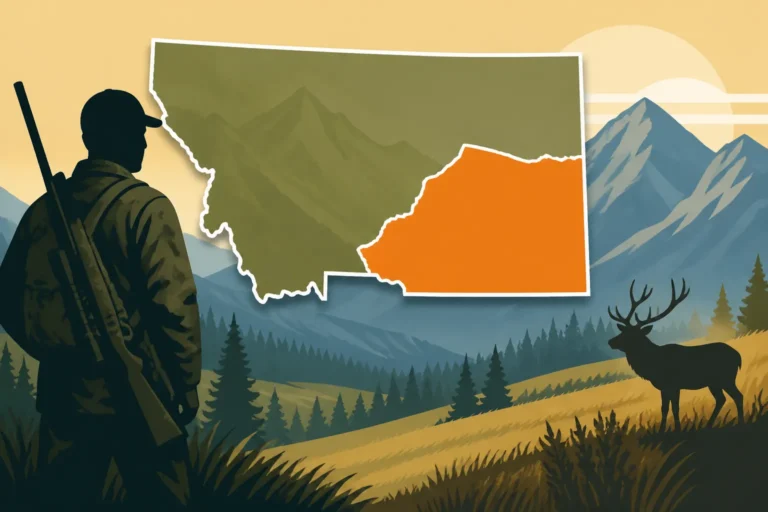
Hunting in Montana can feel like trying to solve a complex puzzle, especially when you're looking at a distinct "island range" like the Snowy Mountains, which rises dramatically from the plains. It's tough to know where to start, how to get access, and what to expect when the terrain shifts so quickly. This guide is here to break down everything you need to know about successfully hunting the Snowy Mountains, from understanding its unique geography to implementing effective hunting strategies and navigating regulations.
The Unique Landscape of the Snowy Mountains for Hunting
The Snowy Mountains are unlike many of Montana's vast, continuous mountain ranges. Instead, they stand as an isolated "island range" in the central part of the state, punching up from the surrounding agricultural and ranch lands. This geological characteristic creates a micro-ecosystem that holds significant appeal for hunters, offering a distinct set of challenges and rewards. Understanding this unique topography is the first step to unlocking its hunting potential.
Geographical Features and Habitat
Rising sharply from the plains, the Snowy Mountains reach elevations over 8,500 feet, creating a dramatic transition from prairie grasslands to dense conifer forests and alpine meadows in a relatively short distance. The lower slopes often consist of open ponderosa pine parks mixed with grassy draws, transitioning into more robust Douglas fir, spruce, and subalpine fir forests as you climb higher. This varied vegetation provides critical habitat for a diverse array of wildlife, offering different food sources and cover types across various elevations.
For elk and mule deer, this island range means they often utilize different zones throughout the year. During the warmer months, they might disperse into the higher, cooler timbered slopes and open parks, feeding on lush forbs and grasses. As hunting pressure or colder weather sets in, they may retreat into the dense timber or move to south-facing slopes to catch the sun and find less snow. The edges where the timber meets the open sagebrush and agricultural fields on private land are also crucial transition zones that often hold animals, especially during migration or when seeking refuge from disturbance. These unique habitat transitions make scouting with tools like onX Hunt absolutely essential to understand property boundaries and elevation changes.
Hunting Pressure and Accessibility
Given its reputation for solid elk and deer numbers and its relatively isolated position, the Snowy Mountains can experience significant hunting pressure, especially during the general rifle season. Hunters often come from nearby towns like Lewistown, but folks travel from much farther too, drawn by the prospect of a good hunt without the deep backcountry commitment of larger ranges. Most of the huntable land is within the Helena-Lewis and Clark National Forest, which offers extensive public access. However, the private lands surrounding the national forest present both barriers and opportunities.
Access points are generally well-defined, with forest service roads penetrating into many areas, though some roads may be seasonally closed or require high-clearance vehicles. This road access, while convenient, can concentrate hunters in certain drainages. To truly get away from the crowds, you often need to be willing to hike off the beaten path, climbing into steeper, less-traveled basins. It’s a classic trade-off: easier access often means more company. When planning your hunt, consider strategies to beat the crowds on Montana public land, such as targeting weekdays or pushing deeper into the wilderness.
Key Game Species in the Snowy Mountains
The Snowy Mountains are primarily known for their big game hunting, with elk and mule deer being the main attractions. However, don't overlook opportunities for black bear and even mountain lions, which thrive in this kind of diverse, rugged terrain. Each species requires a slightly different approach, tailored to their habits and the specific environment of this unique mountain range.
Elk Hunting Opportunities
Elk hunting in the Snowy Mountains is a perennial draw for good reason. The combination of dense timber, open parks, and varying elevations provides ideal habitat for elk herds. While the general elk population might not be as high as in some of Montana's premier units, the quality of hunting can be excellent, particularly for those willing to put in the effort. Bulls here are often good representatives of mountain elk, and cows are regularly harvested for meat.
During the archery season, the deep timbered draws and north-facing slopes can be prime locations for calling in bulls. As the rut peaks, listening for bugles in the early morning or late evening across the expansive basins can reveal their whereabouts. During the general rifle season, elk often become more elusive, retreating to thick timber or moving onto adjacent private lands. This requires hunters to adopt a more strategic approach, perhaps focusing on how to still-hunt Montana timber or setting up ambushes along known travel corridors. Being prepared for varying conditions, from crisp autumn days to early winter snow, is crucial for success. For a deeper dive into tactics, consider reviewing our Montana Elk Hunting Guide.
Mule Deer and Black Bear
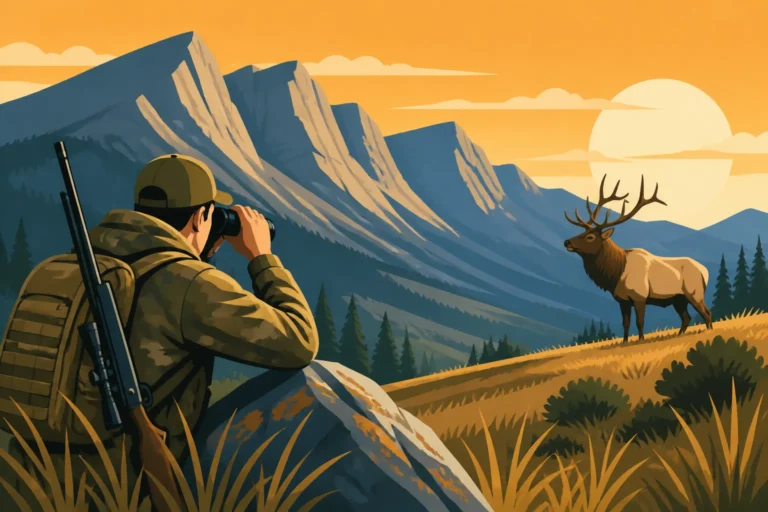
Mule deer are another significant species found throughout the Snowy Mountains. They prefer the more open, sagebrush-dotted slopes and timber edges, though bucks will often seek refuge in thick timber during hunting season. Spot-and-stalk is a highly effective method for mule deer in this terrain, using high vantage points to glass vast areas. The rolling hills and breaks surrounding the main mountain mass also offer fantastic mule deer habitat, often requiring hunters to master how to glass Montana's big country. Early archery season or late general season can be productive times to target mature bucks when they are more visible or during the pre-rut.
Black bears are also present in the Snowy Mountains, offering spring and fall hunting opportunities. They thrive in the mixed forest and open areas, feeding on berries, grasses, and carrion. Spring bear hunting often focuses on south-facing slopes where green-up occurs early, or near natural food sources like elk calving grounds. Fall bear hunting can coincide with deer and elk seasons, providing a multi-species opportunity. It’s important to remember that bear hunting often requires patience and keen observation, with many hunters opting for spot-and-stalk methods or baiting (where legal). For more information, consult our Montana Black Bear Hunting Guide.
Navigating Access and Regulations in the Snowy Mountains
Understanding where you can hunt and what rules apply is paramount for a successful and legal hunt in the Snowy Mountains. Montana's hunting regulations can be complex, and the mix of public and private land in this particular region adds another layer of consideration.
Public Land and Block Management Areas
The vast majority of huntable public land in the Snowy Mountains falls within the Helena-Lewis and Clark National Forest. This means that with a valid Montana hunting license, you generally have access to designated forest service lands. However, knowing the exact boundaries is crucial. Private property often borders or even checkerboards public land, and inadvertently trespassing can lead to serious consequences. This is where tools like onX Hunt become invaluable, overlaying private and public land boundaries directly onto your GPS or phone. It allows you to confidently navigate and ensure you’re always on legal ground.
Additionally, Montana's Block Management Program (BMP) can be a game-changer for accessing private land that's opened to public hunting. These areas are voluntary agreements between landowners and Montana Fish, Wildlife & Parks (FWP), designed to provide public hunting access while managing impacts to the landowner. While the Snowy Mountains are surrounded by private ranches, specific BMP opportunities can vary year to year. Checking the FWP website for current Block Management Areas Explained before your hunt is highly recommended, as some require sign-in at kiosks, while others might require reservations. Don't assume access; always verify the current status of any Block Management Area.
Understanding Hunting District Regulations
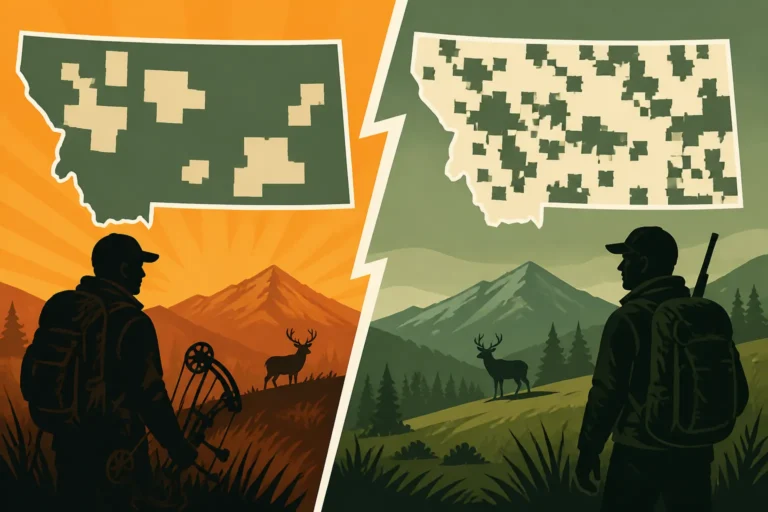
The Snowy Mountains fall within specific hunting districts (HDs) established by Montana FWP. These districts dictate everything from season dates and bag limits to weapon restrictions and special permit requirements. For example, most of the Snowy Mountains are within HD 410, which is generally a solid district for elk and deer. However, regulations can change annually, and specific permits (like 410-00, 410-01, etc.) might be required for antlerless elk or specific seasons, even if you hold a general tag.
It's absolutely critical to consult the most current Montana Hunting Seasons Explained booklet published by FWP well in advance of your hunt. This booklet will detail whether your general elk or deer tag is valid in that specific district, if any antler restrictions apply (e.g., "brow tined bull only"), or if special permits are required that you would have needed to draw in advance. Ignoring these details can quickly turn a dream hunt into a legal headache. Websites like GoHunt also provide excellent resources for breaking down draw odds, unit information, and regulatory summaries, which can be particularly helpful for non-residents or those new to hunting Montana.
Strategies for Successful Hunting in the Snowy Mountains
Hunting this island range successfully requires a blend of preparation, strategic thinking, and adaptability. The relatively compact nature of the mountains means animals can move between public and private land quickly, and hunter pressure can be a significant factor. Here’s how to set yourself up for success.
Effective E-Scouting and Pre-Season Planning
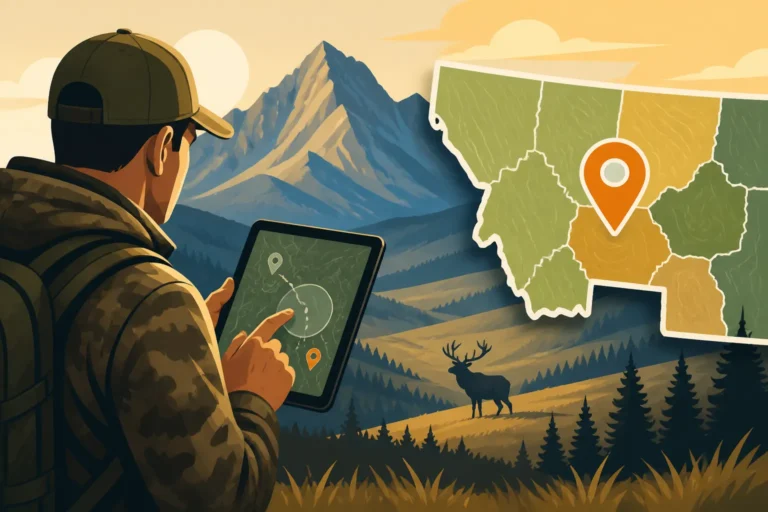
Before you even set foot in the timber, effective e-scouting is your best friend. Utilize digital mapping tools like onX Hunt to study the topography, identify potential bedding areas, feeding zones, water sources, and likely travel corridors. Pay close attention to north-facing slopes (which hold snow longer and offer cooler bedding), south-facing slopes (good for sunning and early green-up), and saddles or benches that connect different drainages. Look for changes in timber density, clear-cuts (old and new), and any natural features that might funnel animal movement. Our comprehensive guide on How to E-Scout Montana Hunting Units offers invaluable tips for this crucial preparatory phase.
Pre-season planning extends beyond just maps. Research historical weather patterns for the area, understand the typical timing of the rut for elk and deer, and be aware of any recent events like large forest fires that might have altered habitat. If possible, a physical scouting trip can confirm your e-scouting observations, helping you identify fresh sign, water sources, and potential ambush points. Without a solid understanding of the terrain from the comfort of your home, you'll be starting from scratch in the field, which wastes valuable hunting time.
In-Field Tactics and Adaptability
Once you’re boots on the ground, adaptability is key. The Snowy Mountains can be steep and rugged, so physical preparation for a Montana elk hunt is essential. You'll likely be covering significant elevation changes, traversing dense timber, and potentially navigating deadfall. Early season often calls for quieter movement and focused glassing. As the rut heats up for elk, calling tactics become more effective. Learning How to Call Elk in Montana can be the difference between seeing a bull and simply hearing one. Later in the season, particularly during the Montana general rifle season, elk and deer will be highly sensitive to pressure. This means:
- Hunting the Dark Timber: Don't shy away from the nastiest, thickest timber. This is often where pressured animals go to hide. Moving slowly and quietly, often referred to as still-hunting, can be incredibly productive.
- Utilizing Thermals and Wind: Understanding how thermals rise in the morning and fall in the evening is critical in mountain hunting. Always hunt with the wind in your favor, especially when approaching bedding areas. Our article on How to Use Thermals in Montana Elk Country provides a deep dive into this often-overlooked strategy.
- Glassing: Despite the timber, there are always openings, clear-cuts, and open hillsides. Find a good vantage point, set up your optics, and patiently glass, especially during the first and last hours of daylight. Binoculars and a spotting scope can help you pick apart distant hillsides.
- Targeting Transition Zones: Pay close attention to where public land abuts private land. Animals frequently cross these boundaries, especially at dawn and dusk. Setting up an ambush point near these transition zones can be highly effective.
| Species | Primary Habitat | Recommended Season | Primary Method | Notes |
|---|---|---|---|---|
| Elk | Dense timber, high mountain parks | Archery, General Rifle | Calling, Spot-and-Stalk | Often move to private land under pressure; utilize thermals. |
| Mule Deer | Open slopes, timber edges, lower elevations | Archery, General Rifle | Spot-and-Stalk, Glass | Bucks seek thick cover; use optics extensively. |
| Black Bear | Mixed conifer forests, berry patches | Spring, Fall | Spot-and-Stalk | Focus on early green-up in spring; berries in fall. |
| Mountain Lion | Rugged, timbered terrain with abundant prey | Winter | Hounds (special permit) | Opportunistic; often follows prey species. |
Remember, the Snowy Mountains, like all of Montana's incredible hunting grounds, demand respect and thorough preparation. Don't be afraid to put in the miles, learn from your experiences, and adapt your approach as the hunt unfolds. That's the true spirit of hunting in Big Sky Country!
Disclaimer
Hunting is an inherently dangerous activity. This guide provides general information and should not replace official regulations, professional instruction, or your own sound judgment. Always consult the most current Montana Fish, Wildlife & Parks regulations before planning any hunt. Ensure you have proper safety gear, know your limits, and respect the land and wildlife.