Snowy Mountains Hunting Guide
Hunting in Montana can feel like an overwhelming puzzle, trying to piece together where to go, what tags you need, and how to even begin deciphering the vast public lands. For many, the dream of a challenging, rewarding hunt in Big Sky Country gets tangled up in finding truly wild, less-pressured areas. If you're looking to escape the crowds and immerse yourself in a rugged, beautiful landscape that tests your mettle, then setting your sights on the Snowy Mountains for your next Montana adventure might just be the answer you've been searching for. This guide will walk you through what makes the Snowies special and how to approach hunting this unique island range.
The Unique Appeal of Hunting Montana's Snowy Mountains
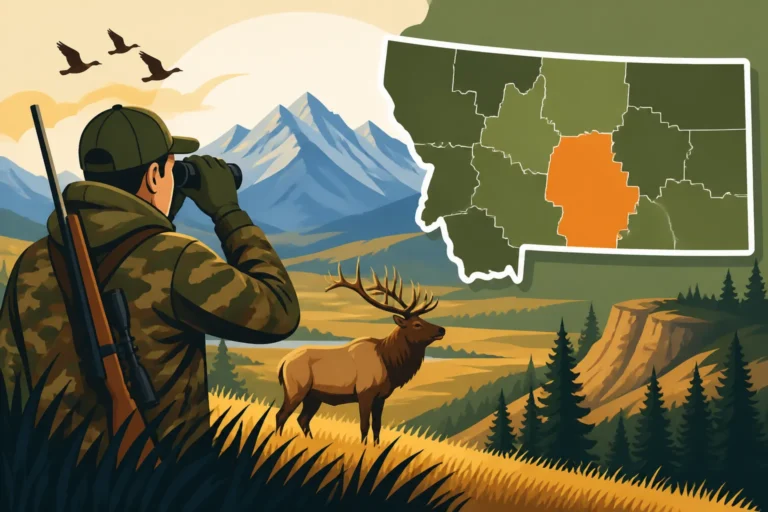
The Snowy Mountains, tucked away in central Montana near Lewistown, stand as an isolated "island range," completely separate from the state's more prominent mountain chains like the Rockies. This geographical solitude is precisely what gives them their distinctive character and appeal for hunters seeking a truly authentic, backcountry experience. It's not a place you stumble into; you make a deliberate choice to hunt here, and that dedication is often rewarded with solitude and robust game populations.
Geographical Isolation and Terrain Challenges
Imagine a mountain range rising dramatically out of the rolling prairie—that's the Snowy Mountains. This isn't your typical high-alpine, granite-peak hunting. Instead, you'll encounter a captivating mix of steep limestone cliffs, deep, timbered canyons choked with Douglas fir and spruce, and surprisingly open, grassy meadows that cling to the higher elevations. The highest point, Judith Peak, tops out at just over 8,700 feet, offering commanding views of the surrounding plains. What this unique geology means for hunting is a constantly varied landscape that demands adaptability. Elk and mule deer can quickly disappear into thick timber on one side of a ridge and then be seen feeding in an open park on the other. The topography is rugged, with countless drainages and saddles that funnel game, but also make travel arduous. This is a place where you'll quickly learn the importance of using thermals to your advantage, as swirling winds can carry your scent in unpredictable ways.
Limited Access and Backcountry Rewards
One of the biggest advantages—and challenges—of the Snowy Mountains is its limited road access. Unlike some of Montana's more accessible hunting units, the Snowies require a commitment to foot travel. While there are some Forest Service roads, particularly on the lower flanks, much of the range quickly transitions into roadless areas and designated wilderness study areas. This barrier to entry naturally filters out many casual hunters, leaving the interior largely undisturbed for those willing to earn it. For a truly immersive experience, many hunters will consult a Montana Backcountry Hunting Guide before heading out. This means you'll spend more time hiking, more time glassing remote slopes, and likely encounter far fewer other hunters than in more heavily trafficked districts closer to population centers. The effort involved in packing into these areas, perhaps setting up a spike camp, translates directly into a higher likelihood of finding unpressured animals. It's a place where you can truly feel like you're earning your game, far from the road system.
Rustic Hunting Experience and Wildlife Interaction
The Snowy Mountains offer a deeply rustic hunting experience. Without constant vehicle noise or endless ATV trails, the sounds you hear are the rustle of leaves, the calls of birds, and perhaps the distant bugle of an elk. This immersion into the natural world is a huge draw. You'll not only be hunting but also experiencing the ecosystem in its rawest form. Bear sightings, glimpses of mountain lions, and the constant presence of various bird species add to the wilderness feel. The sense of accomplishment when you locate an animal in this rugged, beautiful landscape is unparalleled. It's a quiet hunt, demanding patience and keen observation, where the challenge isn't just about bagging an animal, but about truly connecting with the wildness of Montana.
Prime Game Species and What to Expect
While the Snowy Mountains might not be as famous as some of Montana's trophy districts, they hold healthy populations of several sought-after big game species. For the DIY hunter, understanding the behavior and habitat preferences of these animals within this unique range is key to a successful hunt.
Elk Hunting in the Snowies
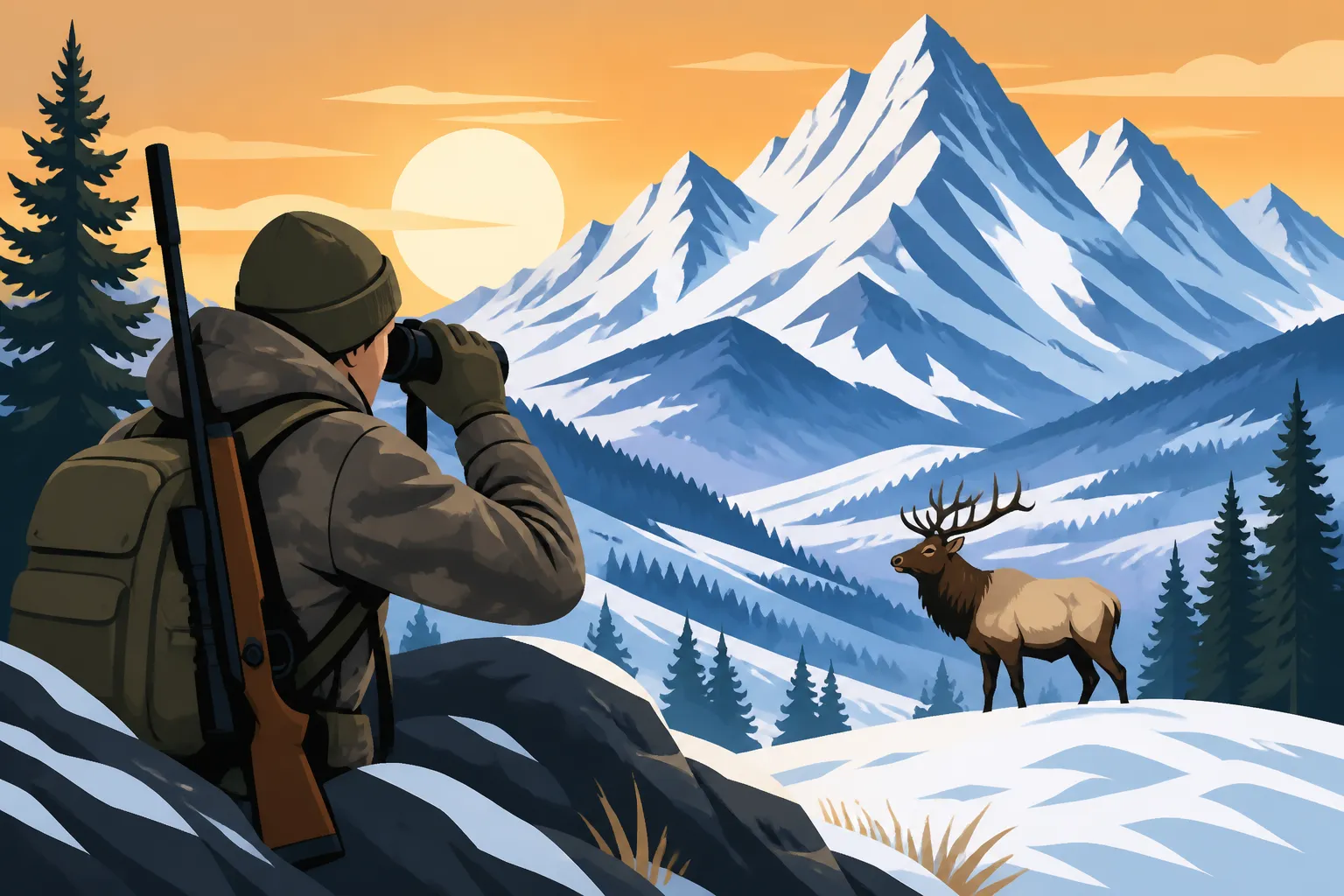
Elk are the primary draw for many hunters venturing into the Snowy Mountains, and for good reason. The mix of dense timber for cover, secluded meadows for feeding, and rugged topography for escape routes creates ideal elk habitat. During the archery season, you'll often find bulls bugling in the timbered draws, especially in early mornings and late evenings. Learning how to call elk in Montana effectively can be a game-changer here, as bulls can be responsive in the right conditions. As rifle season progresses, elk tend to move into the thickest timber and gravitate towards north-facing slopes, which offer cooler temperatures and denser cover.
- Finding Elk: Focus on the transitions between dense timber and open parks. Elk will often feed in the parks during low-light hours and then retreat into the dark timber during the day. Water sources, especially during drier periods, are also critical. E-scouting beforehand using tools like onX Hunt can help you pinpoint these transition zones and potential bedding areas. Look for fresh sign—tracks, droppings, rubs—along game trails.
- Hunting Methods: Still-hunting through the timber, moving slowly and deliberately, is often highly effective. This allows you to cover ground quietly and detect animals before they detect you. Another potent method involves glassing open slopes and parks from a distance, especially at dawn and dusk. Once an animal is spotted, a well-executed spot-and-stalk approach can be your best bet. Remember, packing out an elk in this steep country is no small feat, so prepare physically and mentally for the monumental task of How to Pack Out an Elk in Montana.
Mule Deer Opportunities
Mule deer thrive in the mixed habitat of the Snowy Mountains. They often prefer the more open, brushy slopes and rimrocks compared to elk, though they will certainly use the timber for cover. The Snowies offer a great opportunity to pursue these iconic Western deer, particularly for those who enjoy glassing expansive landscapes. For a more general overview, a Montana Mule Deer Hunting Guide can provide excellent context.
- Where to Look: Mule deer will frequent the edges of timber, especially where it breaks into brushy draws or grassy hillsides. Look for them feeding in the mornings and evenings, and bedding down in sheltered areas during the day. The rimrock areas and cliff bands also offer excellent security cover and vantage points for bucks.
- Glassing and Stalking: This is prime country for glassing. Position yourself on a high point at first light and systematically grid the opposite slopes. Quality optics are paramount here. Once you've located a buck, planning your approach is crucial. The broken terrain can offer excellent stalking cover, but the wind is always a factor. Focus on using terrain features to conceal your approach and minimize the distance you need to cover in the open.
Black Bear Encounters
Black bears are also residents of the Snowy Mountains, offering additional hunting opportunities, particularly in the spring and fall. While not the primary target for most hunters here, it's good to be aware of their presence and understand how to approach hunting them.
- Seasonal Behavior: In spring, bears are often found on south-facing slopes, where early green-up provides their first food sources after hibernation. They'll also frequent areas with abundant berry crops in late summer and fall. Remember that Montana Black Bear Season Dates should always be checked, as they vary.
- Hunting Strategies: Bear hunting often involves a lot of glassing, similar to mule deer hunting, with an emphasis on food sources. Spot-and-stalk can be effective, but caution is always advised when pursuing bears in dense cover. Always carry bear spray and know how to use it, regardless of whether you're actively hunting bears or other game.
Strategies for a Successful Snowy Mountains Hunt
Hunting the Snowy Mountains isn't just about showing up with a rifle; it requires meticulous planning, physical conditioning, and smart on-the-ground tactics. The rewards are immense, but they are directly proportional to the effort you put in.
E-Scouting and Physical Preparation
Before you even set foot in Montana, a significant portion of your hunt planning should happen from your home.
- Leveraging Technology for E-Scouting: Tools like onX Hunt are invaluable for dissecting the Snowy Mountains. You can identify public land boundaries, national forest designations (the Snowies are part of the Helena-Lewis and Clark National Forest), and private land. Map out potential access roads, identify prominent ridge lines, analyze timber density, and mark promising water sources or historical game crossings. This digital reconnaissance is crucial for understanding the lay of the land, figuring out How to E-Scout Montana Hunting Units, and minimizing surprises once you arrive.
- Physical Fitness is Non-Negotiable: This is not a hunt for the faint of heart or the out of shape. The steep grades, dense timber, and elevation changes will test your endurance. Start a rigorous fitness regimen months in advance, focusing on cardio, strength training, and especially hiking with a weighted pack. Simulating the demands of the mountain will make your hunt far more enjoyable and increase your chances of success. Good physical preparation also means selecting the Best Boots for Montana Elk Hunting and understanding how to pack for a Montana Backcountry Hunt effectively.
Effective On-the-Ground Tactics
Once you're in the Snowies, your tactics need to match the environment. Patience, stealth, and an understanding of animal behavior will be your greatest assets.
- Playing the Wind and Thermals: The wind in mountainous terrain is notoriously tricky. However, understanding thermals—the rising air in the morning and falling air in the evening—is critical. Elk and deer often move with the thermals, so positioning yourself to have the wind in your favor, or at least neutral, is paramount. Learning How to Use Thermals in Montana Elk Country will significantly increase your success. Always check localized wind patterns with a wind checker.
- Navigating Dense Timber and Openings: The Snowies have a lot of dark timber. When moving through it, practice still-hunting: take a few steps, stop, look, and listen. Use your binoculars in the timber to pick apart shadows and look for horizontal lines (an animal's back) in a vertical world. When you encounter openings or parks, take advantage of them by glassing thoroughly before entering. Remember that elk in timber often rely on their ears, so moving quietly is key. If you're focusing on deer, knowing How to Still-Hunt Montana Timber can be applied, though their movements might differ slightly.
- Patience and Observation: Don't rush. The Snowy Mountains reward those who are willing to sit, watch, and listen. Find a good vantage point, especially in the early morning or late evening, and spend an hour or two glassing. Learning How to Glass Montana's Big Country is a skill developed through practice and patience. Animals will often appear seemingly out of nowhere, so continuous, careful observation is vital.
Packing and Gear Considerations
Your gear choices can make or break a hunt in such rugged country. Comfort, durability, and functionality are paramount.
- Essential Gear List: Beyond your weapon, quality optics (binoculars, spotting scope, rangefinder) are a must. A reliable GPS device or a smartphone with onX Hunt maps downloaded for offline use is crucial for navigation. A Best Backpack for a Montana Elk Hunt that can comfortably carry heavy loads is essential for packing in supplies and potentially packing out meat. Don't skimp on rain gear, layers of clothing suitable for unpredictable mountain weather, and a reliable headlamp.
- Meat Care: Given the backcountry nature of many Snowy Mountain hunts, having a plan for meat care is vital. Bring game bags, paracord, and a sharp knife. Learning How to Keep Elk Meat Cool in Montana's Early Season is crucial, especially if you're hunting during warmer periods.
Permit and Tag Strategy
For most big game in the Snowy Mountains, hunters typically operate under Montana's general license structure, meaning you’ll need to understand Montana General vs Permit Tags Explained. The hunting districts that encompass the Snowies (primarily 410, 441, 442) are often general units for elk and deer, meaning you can hunt them with a basic general tag if you draw one.
- General Elk and Deer Tags: Non-residents will apply for the highly competitive Montana Elk Season Dates Guide and deer combination licenses. Residents can purchase their general tags over-the-counter. Always double-check the current Montana FWP regulations for specific district rules, as these can change annually.
- Researching Draw Odds: While these units are often general, understanding overall draw odds and hunter success rates can give you a clearer picture. Resources like GoHunt provide valuable insights into draw statistics, allowing you to make informed decisions about where to focus your efforts and how many points you might need for specific permits if they ever become limited entry.
- Block Management: Keep an eye out for Block Management Areas around the periphery of the National Forest lands in the Snowies. These private land access programs can offer additional hunting opportunities, often for deer or sometimes elk migrating off the mountains, and can provide valuable access points to public land that would otherwise be difficult to reach. Always respect landowner rules and check the FWP Block Management Atlas.
Comparing Species Opportunities in the Snowy Mountains
To help you visualize the different hunting experiences within the Snowy Mountains, here's a quick comparison:
| Feature | Elk | Mule Deer | Black Bear |
|---|---|---|---|
| Primary Habitat | Dense timber, north-facing slopes, secluded parks | Brushy slopes, timber edges, rimrock, open areas | Timbered canyons, berry patches, south slopes |
| Hunting Method | Still-hunting, calling, spot-and-stalk | Glassing, spot-and-stalk | Glassing, spot-and-stalk |
| Physical Demand | Very High (steep terrain, heavy pack-out) | High (steep terrain, long walks) | Moderate to High (seasonal variation) |
| Optimal Optics | Good binoculars, reliable rangefinder | High-power binoculars, spotting scope | Good binoculars, reliable rangefinder |
| Challenge Level | High (elusive, rugged terrain, pack-out) | Medium-High (good glassing skills needed) | Medium (seasonal and access dependent) |
| Pack-Out | Extremely demanding | Demanding | Manageable |
This table highlights that while all species demand effort, elk hunting in the Snowies is arguably the most physically demanding due to their size and preferred habitat.
Ultimately, hunting the Snowy Mountains offers a chance to step back in time, to experience a Montana hunt that rewards grit, preparation, and a deep appreciation for the wild. It’s a challenge, yes, but one that leaves you with memories and meat for the freezer, forged in some of the state's most unique and underappreciated terrain.
Disclaimer
Please be aware that hunting regulations, season dates, and access can change. It is every hunter's responsibility to consult the most current Montana Fish, Wildlife & Parks (FWP) regulations and obtain all necessary licenses and permits before planning and undertaking any hunting activity. Always prioritize safety, ethical hunting practices, and respect for wildlife and private property.