Montana Bighorn Sheep Rams Explained
Montana bighorn sheep rams feature permanent horns, distinct growth rings, and rugged mountain habitats that dictate field aging and legal harvest rules.
Know what you’re after.
Big game, small game, upland birds, and waterfowl — identification, behavior, rut and migration timing, and how each species moves through the season.
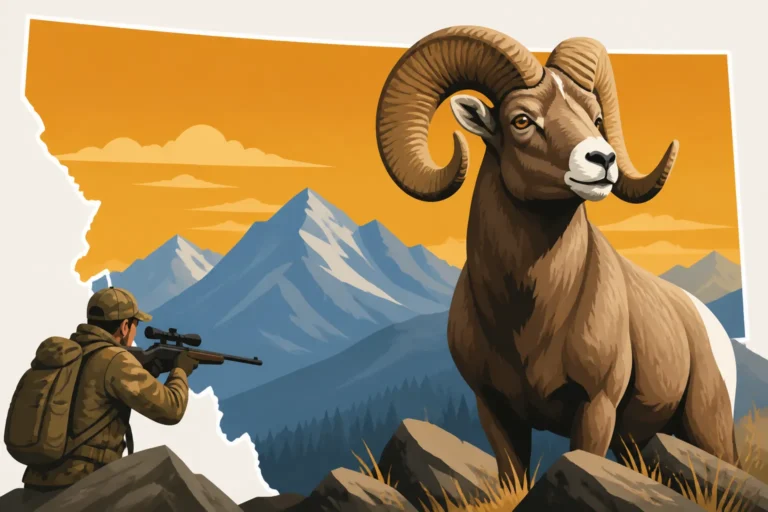
Montana bighorn sheep rams feature permanent horns, distinct growth rings, and rugged mountain habitats that dictate field aging and legal harvest rules.

Montana moose behavior and safety guidelines explain how to recognize warning signs, maintain safe distances, and handle unexpected animal charges.

Montana black bear color phases span black, cinnamon, brown, and blonde, requiring careful identification to prevent misidentification with grizzly bears.
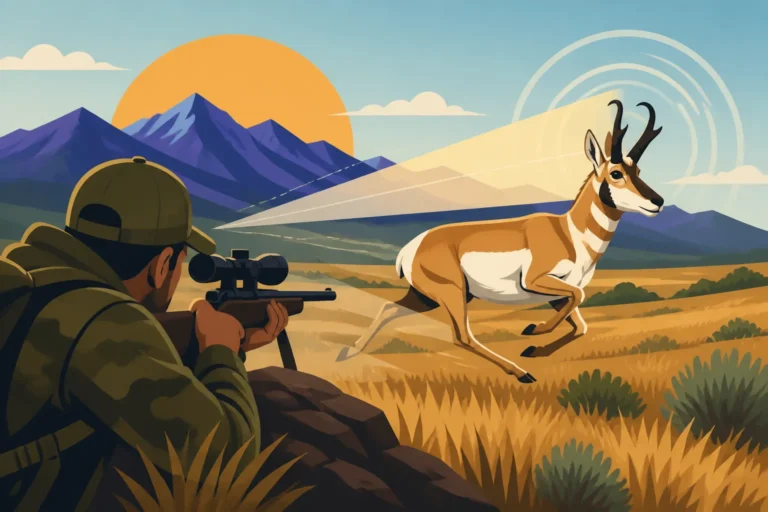
Montana pronghorn possess incredible speed and keen vision, allowing them to spot hunters from miles away and outrun predators across open plains.

Montana Epizootic Hemorrhagic Disease outbreaks cause severe whitetail deer die-offs and force hunters to adapt strategies and report cases.

Pronghorn, whitetail deer, mule deer, and elk represent the best Montana species for a first-time Western hunter to pursue.

Montana mule deer feeding patterns change seasonally, with diets shifting from protein-rich forbs in summer to sagebrush during harsh winter months.
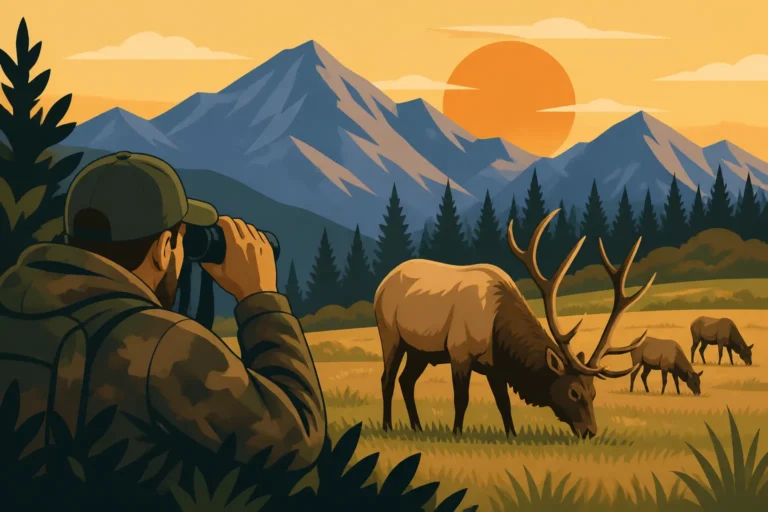
Montana elk feeding patterns change seasonally, shifting from protein-rich spring grasses to calorie-dense fall forage and winter survival foods.
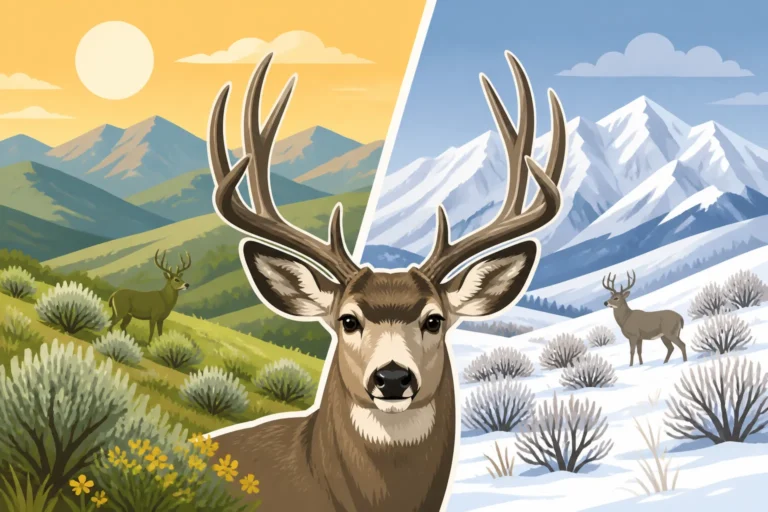
Montana mule deer seasonal ranges span high alpine summer areas and low winter habitats, shaping annual migrations and hunting strategies.

Montana elk shifting locations between high alpine summer pastures and lower elevation fall ranges depend on weather, forage quality, and hunting pressure.