How to Hunt Mule Deer in Montana
Hunting mule deer in Montana presents a unique set of challenges and rewards, often leaving hunters feeling overwhelmed by the vast, rugged terrain and the elusive nature of these magnificent animals. It’s easy to get lost in the sheer scale of the landscape or frustrated by a lack of sightings, wondering where to even begin. This guide will walk you through the essential knowledge and strategies you need to successfully hunt mule deer across Montana's diverse and challenging environments, from the high mountains to the rolling plains.
Understanding Montana Mule Deer Behavior
Mule deer are creatures of habit, but their habits are incredibly adaptive to their environment and the seasonal changes. Understanding their patterns is the cornerstone of any successful hunt in Montana. You're not just looking for a deer; you're looking for a pattern, a routine, a predictable response to their world.
Seasonal Movements and Rutting Behavior
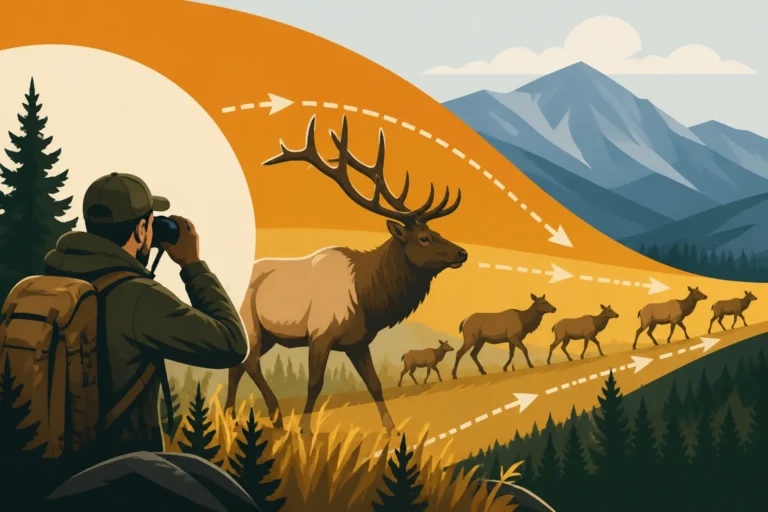
Mule deer in Montana exhibit distinct seasonal migrations and behaviors that are crucial for hunters to understand. In spring and summer, they typically move to higher elevations, seeking out lush forage and cooler temperatures. This is often where they will spend the majority of their summer, growing their antlers and raising fawns in relative seclusion. As autumn approaches and hunting seasons open, many deer begin a gradual descent to lower elevations, following the snow line and seeking out more accessible food sources. This migration is often triggered by significant weather events, like early snowfalls in the high country.
The rut, which usually peaks in November, is perhaps the most anticipated time for mule deer hunters. During this period, bucks become far more active and less cautious as they pursue does. This heightened activity can make them more visible and vulnerable, often leading them into areas they might otherwise avoid. For hunters targeting a mature buck, understanding the specific timing of the rut in your chosen hunting district can be a game-changer. This is a time when even wary old bucks might expose themselves in search of a receptive doe. However, it's also a time of increased hunter pressure, so knowing how to navigate crowded public lands during this peak can be just as important.
Feeding and Bedding Habits
Mule deer are primarily browsers, meaning they prefer to eat shrubs, forbs, and young tree shoots over grass, though they will graze on grasses, especially during certain times of the year or in specific habitats. Their diet changes with the seasons, adapting to what's available. In the high country, they might favor aspen sprouts, willow, or serviceberry. In lower, drier areas, sagebrush, bitterbrush, and various forbs become critical. Identifying these key food sources within your hunting area is vital for locating deer. They will often feed in the cooler hours of dawn and dusk, moving into open areas or sparse cover, and then retreat to bedding areas during the day.
Bedding areas are typically chosen for security and comfort, offering thermal regulation and a clear view of approaching danger. In mountainous terrain, this often means south-facing slopes in winter for warmth or north-facing timbered slopes in summer for shade. They frequently bed near escape routes, such as thick timber, steep canyons, or rock slides. Learning to identify these patterns – where they feed and where they bed – allows you to predict their movements. For instance, if you locate a prime feeding ground, scouting for nearby bedding areas, especially on benches or saddles overlooking the feeding zone, can reveal excellent ambush points or starting locations for a well-planned stalk. Understanding these behaviors is key to effectively locating deer, especially when you are trying to How to Pattern Montana Elk Movement.
Key Montana Mule Deer Habitats
Montana is a vast state with incredibly diverse landscapes, and mule deer can be found in almost all of them, though their concentrations and habits will vary wildly. Pinpointing the right habitat for the time of year and the type of hunt you're planning is crucial.
High Mountain Basins and Timbered Slopes
For many, the image of Montana mule deer hunting conjures up vast, rugged mountains. This isn't just a scenic backdrop; it's prime mule deer country, especially during the early archery and early rifle seasons. High mountain basins, often above timberline or just below it, provide summer and early fall range. These areas offer nutritious forage, relatively few predators compared to lower elevations, and the solitude mule deer often seek. Look for basins with a mix of open sagebrush, scattered timber, and rocky outcrops. These features provide food, cover, and vantage points for deer.
As the season progresses, and particularly with the first significant snow, deer will begin to descend to timbered slopes at lower elevations. These south-facing slopes, often dotted with ponderosa pine or mixed conifer stands, offer crucial thermal cover and forage as winter approaches. Hunting these timbered slopes requires a different approach than the open basins, often demanding slower, quieter still-hunting tactics as deer can be hidden in thick cover. Understanding how the deer utilize these slopes during different weather conditions, like finding them bedded on sun-drenched patches after a cold night, is a skill honed over many seasons.
Foothills, Breaks, and River Bottoms
Moving away from the high peaks, the foothills and "breaks" country of Montana offer another excellent habitat for mule deer. These areas, characterized by rolling hills, deep coulees, and badland formations, often have a mosaic of sagebrush, juniper, and scattered pockets of timber. The Missouri Breaks, for example, is famous for its mule deer populations. Deer here thrive on the abundant browse found in the draws and on the slopes, utilizing the broken topography for cover and escape. Hunting these areas often involves extensive glassing from elevated positions to spot deer moving through the complex terrain, followed by careful stalk planning. If you want to know more about the specifics of hunting a particular area, a good resource to consult would be a Montana Hunting Districts Explained guide.
River bottoms, though often associated with whitetail deer, can also hold good numbers of mule deer, especially where the river corridors transition into more open, mule deer-preferred terrain. These areas often provide critical water sources and a different mix of forage, particularly during drought conditions. Deer found in river bottoms might be transitioning between higher summer ranges and lower wintering grounds, or they may be resident populations that have adapted to the riparian environment. Learning how to Hunt the Missouri Breaks for Mule Deer can give you insights into navigating this challenging yet rewarding habitat.
Agricultural Edges and Private Lands
While many hunters focus on public lands, it's undeniable that agricultural areas and private ranches across Montana can offer exceptional mule deer hunting opportunities. Mule deer often congregate near crop fields, particularly during the late season when other forage becomes scarce. They will use the cover of adjacent timber blocks, coulees, or river breaks as bedding areas, moving into fields to feed during the low light hours. Gaining access to these private lands often involves securing permission from landowners, which can be challenging but incredibly rewarding.
It’s important to remember that even on private land, understanding deer behavior remains paramount. Deer that feed in fields during the night will likely retreat to dense cover during the day, making them challenging to approach. However, the consistent food source can make their patterns more predictable. Additionally, Block Management Areas (BMAs) can provide access to private agricultural lands for public hunting. You should explore How to Use Block Management for DIY Hunts to see how these programs might open up new opportunities for you. Always respect private property, follow land access rules, and be a good ambassador for hunters.
Essential Hunting Tactics for Mule Deer
Hunting mule deer in Montana demands patience, keen observation skills, and a willingness to adapt. Unlike whitetails, which often rely on thick cover, mule deer typically utilize topography and vast distances to their advantage. Therefore, your tactics need to match their environment.
Spot and Stalk Mastery
The spot-and-stalk method is arguably the most iconic and effective tactic for hunting mule deer in Montana's expansive landscapes. This technique capitalizes on the mule deer's tendency to live in open or semi-open country, where they can be spotted from a distance. The core idea is simple: find them from afar, and then approach undetected. But the execution is anything but. It requires hours, sometimes days, behind your optics, patiently scanning vast expanses of terrain. Once a deer or group of deer is located, the real work begins.
A successful stalk involves meticulous planning. You need to assess the wind direction, the topography between you and the deer, and the available cover. Every step must be deliberate, slow, and quiet. You'll often find yourself using every ridge, draw, and clump of sagebrush to your advantage, sometimes crawling hundreds of yards to get into shooting range. One wrong move, a sudden gust of wind, or an exposed silhouette can send your quarry bounding away. It's physically demanding and mentally taxing, but the reward of executing a perfect spot and stalk on a wise old buck is unparalleled. For a deeper dive into this, check out Montana Mule Deer Hunting: Spot-and-Stalk Tactics.
Effective Glassing Strategy
Before you can spot and stalk, you have to spot. This is where your optics become your most valuable tool. Effective glassing isn't just casually scanning the landscape; it's a systematic and patient approach to breaking down vast areas. You need quality binoculars (10x to 15x are common choices) and a spotting scope (20-60x or more) mounted on a sturdy tripod. Find a vantage point that offers a panoramic view of potential mule deer habitat – a ridge, a high point, or even the top of your vehicle if hunting in more open plains.
Start by systematically gridding the landscape. Pick a section, often the farthest point you can clearly see, and slowly work your way across, then down, then back across. Look for anything out of place: an antler tip, the horizontal line of a deer's back against vertical terrain, a patch of different colored fur, or a flick of an ear. Don't just look for whole animals; look for parts of animals. Deer often blend incredibly well with their surroundings. Take breaks, let your eyes rest, and then resume. The GoHunt app can be incredibly useful here, allowing you to mark potential bedding areas, food sources, and travel corridors on a map, guiding your glassing efforts to the most promising terrain. Learning How to Glass for Montana Mule Deer is a skill that will pay dividends across all your Western hunts.
| Habitat Type | Typical Terrain Features | Preferred Mule Deer Activity | Key Hunting Tactic |
|---|---|---|---|
| High Mountains | Steep slopes, rocky outcrops, alpine basins, scattered timber | Summer range, early season feeding, rutting in high country | Extensive spot-and-stalk, long-range glassing |
| Foothills/Breaks | Rolling hills, deep coulees, badlands, sagebrush, juniper | Year-round habitat, transition zones, rutting activity | Glassing, spot-and-stalk, still-hunting draws |
| River Bottoms | Cottonwoods, thick brush, agricultural edges | Water source, escape cover, late-season feeding | Ambush, still-hunting, tracking |
| Agricultural Edges | Crop fields, CRP, adjacent timber/coulees | Late-season feeding, winter range | Ambush near fields, tracking |
E-Scouting and Pre-Season Preparation
In today's hunting world, effective E-scouting can save you countless hours and miles in the field. Before you even set foot in Montana, you can leverage tools like satellite imagery, topographic maps, and hunting regulation apps to narrow down your focus. The GoHunt platform, for instance, provides detailed unit breakdowns, draw odds, and filtering tools that can help you select a promising hunting district (HD). You can identify potential access points, public land boundaries, water sources, natural funnels, and areas with good bedding cover. Pay close attention to north-facing slopes for thermal cover, south-facing slopes for winter sun, and saddle points or benches that might serve as travel corridors.
Beyond E-scouting, physical preparation is paramount, especially if you're venturing into Montana's mountainous regions. Mule deer hunting often involves significant hiking over steep, uneven terrain at higher altitudes. A solid fitness regimen, focusing on cardio and leg strength, will greatly enhance your endurance and overall enjoyment of the hunt. Practice shooting from various positions – prone, kneeling, and off a pack – to prepare for real-world hunting scenarios. Understanding Montana Mule Deer Draw Odds Explained can also help you manage expectations and refine your unit choices for future applications.
Essential Gear and Considerations
Having the right gear won't guarantee success, but it will certainly make your hunt more comfortable, safer, and increase your chances. Montana weather can be notoriously fickle, so being prepared for anything is key.
Optics and Rangefinding
As discussed, optics are non-negotiable for mule deer hunting. A good pair of 10x binoculars is your primary tool for scanning. For serious long-range glassing, especially in open country, a 15x binocular like the Vortex Kaibab or a high-quality spotting scope from brands like Swarovski or Kowa will be invaluable. Remember to mount them on a sturdy tripod for stability; even the slightest shake will blur your image when zoomed in. Investing in quality optics is one of the most important decisions you'll make, as they are your eyes in the vast Montana landscape.
A reliable rangefinder is also absolutely critical. Mule deer country often presents optical illusions, making it difficult to accurately judge distance, especially when shooting across canyons or up/down steep slopes. A rangefinder with angle compensation is highly recommended. Practice ranging objects at various distances and angles before your hunt so you can quickly and confidently range your target when the moment of truth arrives. You might also want to explore How to Use Optics for Montana Mule Deer for more detailed recommendations.
Weaponry and Ammunition
When it comes to firearms, reliability and accuracy are paramount. Common rifle calibers for Montana mule deer include .270 Winchester, .30-06 Springfield, .308 Winchester, and various magnum cartridges like 7mm Remington Magnum or .300 Winchester Magnum. The choice often comes down to personal preference, recoil tolerance, and the ranges you anticipate shooting. Ensure your rifle is zeroed correctly for your chosen ammunition, and practice shooting at varying distances, especially if you anticipate longer shots across open country. A rifle with a clear, crisp trigger and a quality scope is essential.
For archers, a reliable bow set up for accuracy and capable of delivering sufficient kinetic energy is key. Broadhead selection is also crucial, with many hunters preferring fixed-blade broadheads for their penetration and reliability on larger game like mule deer. Regardless of your chosen weapon, extensive practice at varying distances and from different shooting positions is critical. Understand your limitations and stick to ethical shot distances. This is especially true if you are employing Montana Elk Hunting: Archery Tactics, where precise shot placement is even more critical.
Clothing, Footwear, and Navigation
Montana's weather can shift from warm sunshine to driving snow in a matter of hours, even in early fall. Layering is not just a recommendation; it's a necessity. Start with a moisture-wicking base layer, add insulating mid-layers (fleece or puffy jackets), and top it with a waterproof and windproof outer shell. Bring quality rain gear, even if the forecast looks clear. Good quality hunting boots, broken in and waterproof, are essential for covering rugged terrain and protecting your feet. Pay attention to ankle support and traction.
For navigation, a GPS device or a smartphone app like onX Hunt (often used in conjunction with GoHunt for research) is indispensable. Download offline maps of your hunting area, as cell service is often nonexistent in the backcountry. A compass and paper map are also vital backups. Always tell someone where you're going and when you expect to return, especially if hunting solo. Safety should always be your top priority when exploring the vastness of Montana's hunting grounds. Finally, knowing the Montana Mule Deer Season Dates and Tags will ensure you're in the right place at the right time, legally and ethically.
Disclaimer
The information provided in this guide is for informational purposes only and is not a substitute for official regulations. Hunters are responsible for understanding and adhering to all current Montana Fish, Wildlife & Parks (FWP) hunting regulations, laws, and licensing requirements. Always consult the most recent FWP regulations pamphlet before planning or undertaking any hunt. Hunting carries inherent risks, and safety should always be the highest priority.