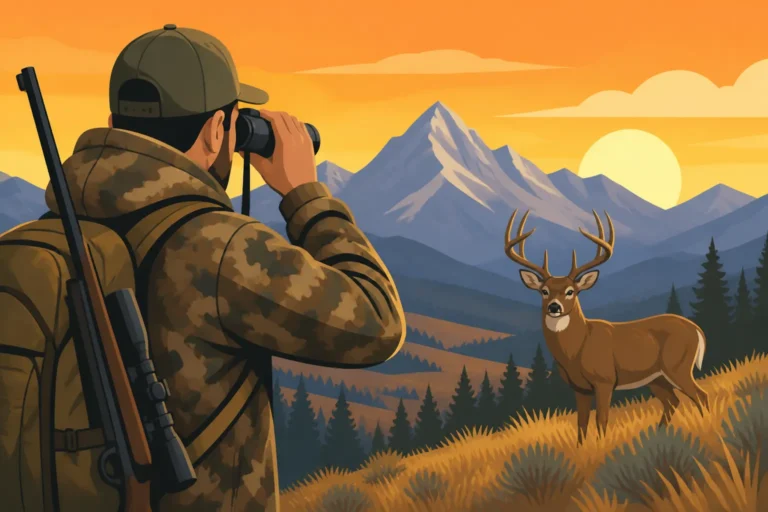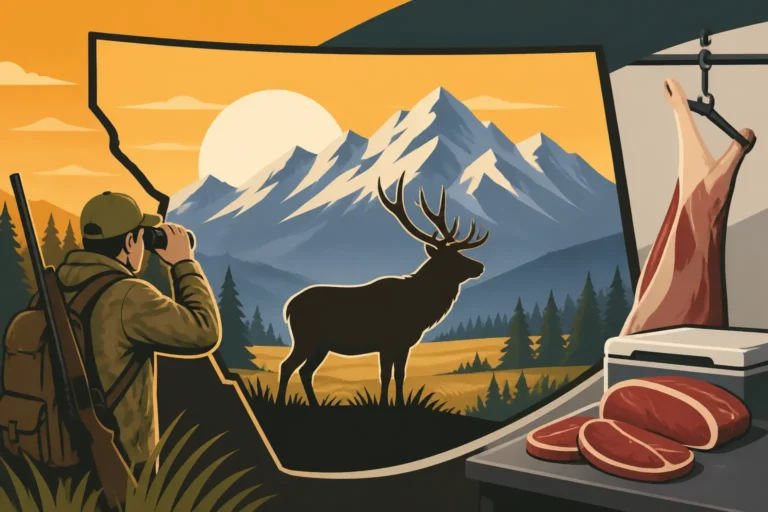
Best Montana Outfitters for Rifle Hunters
Deciding to book a guided rifle hunt in Montana can feel overwhelming, especially with so many options and the high stakes of a Big Sky country adventure. Many hunters wrestle with the fear of choosing the wrong outfitter or not knowing what questions to ask to ensure a successful and ethical experience. This guide is here to walk you through the essential steps and considerations for selecting the best Montana outfitters specifically for rifle hunters, helping you make an informed decision for your next big game pursuit.
Why Choose a Guided Rifle Hunt in Montana?
Montana’s vast landscapes, rugged mountains, and expansive plains offer unparalleled hunting opportunities, but they also present significant challenges. For a rifle hunter, a guided trip can be the difference between a frustrating week and a memorable, successful experience. It's not just about finding game; it's about understanding the terrain, the animal's behavior during rifle season, and having the logistical support to make the most of your time in the field.
Maximizing Success and Minimizing Stress
Let’s be honest, planning a DIY hunting trip to a new state, especially one as diverse and challenging as Montana, is a monumental task. You have to worry about licenses, navigating unfamiliar public lands, scouting, packing heavy gear, setting up camp, and then the actual hunting. A guided hunt, particularly for rifle season, cuts through a lot of that stress. Outfitters have years, often decades, of experience in their specific hunting districts. They know the elk and deer patterns, where they’re likely to be during the general rifle season, and how they react to pressure. They handle the logistical headaches, from camp setup to meals and game retrieval, allowing you to focus purely on the hunt. This can be especially appealing if you're traveling a long distance or have limited time to scout.
Imagine stepping off the plane, meeting your guide, and knowing that the camp is already set up, the horses are ready, and your experienced guide has spent countless hours scouting the exact areas you’ll be hunting. This peace of mind is invaluable. You won’t waste precious hunting days trying to locate animals or figure out access points. The guide's knowledge of the local game movement, escape routes, and bedding areas during the cooler, often snowier rifle season is a huge advantage.
Navigating Montana's Diverse Terrain with Rifle Expertise
Montana’s terrain is legendary, from the steep, timbered slopes of the western mountains to the rolling coulees and plains of the east. Each presents unique challenges for a rifle hunter. In the mountains, you might be dealing with long-range shots across drainages, while on the plains, wind and cover become major factors. A seasoned outfitter will have intimate knowledge of their operating area and understand how to position you for the best rifle shot opportunities.
Consider hunting the dense timber of the Bitterroot National Forest versus the open expanses of the Missouri Breaks. A guide operating in the Bitterroot will be adept at still-hunting strategies, knowing how to move quietly through heavy cover and anticipate close-range encounters. In contrast, an outfitter in the Breaks will specialize in glassing vast country, spotting animals from miles away, and planning strategic stalks that account for wind and topography, often leading to longer shot opportunities. They understand how different weather conditions, especially early season snow or late-season freezes, push game into specific drainages or onto south-facing slopes. Their expertise translates directly into putting you in a position where your rifle skills can truly shine.
The Rifle Hunter's Edge: What Outfitters Offer Specifically for Rifle Season
Rifle season in Montana is often characterized by colder weather, potentially snow, and animals that are sometimes less vocal but perhaps more concentrated than during the archery rut. Outfitters specializing in rifle hunts understand these nuances. They know that shot distances can vary wildly from thick timber to open ridges, and they're prepared to adapt.
Many outfitters have designated areas they hunt with rifles, often private land leases or specific public land permits, where they've learned the migration patterns and habits of local herds. They also consider the impact of hunter pressure, which can be significant during general rifle season. A good outfitter will have strategies to avoid or navigate crowded areas, often by accessing remote regions via horses or by hunting during times when others are less active. They can help you prepare for Montana Long-Range Shooting Considerations if that's the nature of your hunt, or guide you in strategies for tighter, faster shots in timber. They also provide insight into Best Rifle Calibers for Montana Elk or other species, ensuring your gear is appropriate for the conditions and the game you're pursuing.
Key Considerations for Selecting a Rifle Hunting Outfitter
Finding the right outfitter isn't just about finding an outfitter. It's about aligning your expectations, hunting style, and budget with an operation that genuinely excels in rifle hunting in Montana. This requires a bit of homework and knowing what specifics to look for.
Experience and Specialization
When you're looking for a rifle outfitter, you want someone who lives and breathes rifle season. Ask about their specific experience with rifle hunting. Do they primarily guide rifle hunts, or is it just a sideline to their archery operations? A true rifle specialist will understand how game changes behavior once bows are put away and rifles come out. They'll know the subtle signs of elk or deer moving into winter range, or how a fresh snowfall can create prime tracking conditions.
Look for an outfitter who focuses on the species you're after. Some outfitters are elk specialists, others excel at mule deer or antelope. An outfitter who guides Montana Guided Rifle Elk Hunts specifically will have deep knowledge of elk habitat, movement, and how to approach them with a rifle. They should be able to articulate their rifle hunting strategies, whether it’s primarily still-hunting timber, glassing vast slopes, or setting up ambushes near feeding and bedding areas. Don't be afraid to ask about their success rates over the past few years, always taking those numbers with a grain of salt, of course, as many factors contribute to success.
Hunt Style and Logistics
Montana offers a spectrum of guided hunt styles, each with different logistical implications for a rifle hunter.
- Base Camp Hunts: Often involve comfortable wall tents or cabins, daily trips out via truck or ATV, and then hiking from trailheads. These are typically less physically demanding and can be a good option for hunters who want some comforts of home while still getting into good country. Your outfitter might have access to a remote cabin or use a reliable wall tent setup that can handle Montana's unpredictable fall weather.
- Wilderness Pack-in Hunts: These are for the more adventurous. You'll pack deep into designated wilderness areas, often on horseback, and establish a spike camp. These hunts get you away from roads and other hunters, but they are physically demanding and require a higher level of preparedness. For a rifle hunter, this means being comfortable carrying your rifle and all your gear for long distances and being prepared for varying shot distances in remote terrain. Check out How to Pack Into the Montana Backcountry for an idea of what's involved.
- Day Hunts/Ranch Hunts: Some outfitters focus on private land hunting, often day hunts from a lodge or ranch house. These can offer higher success rates due to controlled access and limited pressure, but they typically come at a higher price point. If your priority is a comfortable stay and a strong chance at a specific animal, a ranch hunt could be a great fit.
Understanding what's included in the price is critical. Does it cover food, lodging, transportation in the field, guiding fees, and game handling? Be sure to clarify any hidden costs or things you're expected to provide.
Tag Allocation and Draw Odds
Montana's tag system can be complex, especially for non-residents. Many outfitters operate on public land, which means you'll need to draw your own tags through the state's lottery system. This often involves applying for a combination license and potentially specific permits. Sites like GoHunt can be invaluable resources for researching draw odds for particular units and species, helping you understand your chances of drawing a tag in the areas an outfitter operates.
Some outfitters have access to outfitter-sponsored tags. These are sometimes available through a different draw process or allocation, and while they don't guarantee a tag, they can increase your chances of hunting with a specific outfitter, especially for highly sought-after permits. Montana Outfitter-Sponsored Tags Explained delves into this process. Be sure to understand if the outfitter’s advertised hunts rely on you drawing a general license, a specific permit, or if they offer options with higher tag certainty. This is a crucial distinction, as drawing a tag can often be the biggest hurdle.
What to Ask Potential Montana Rifle Outfitters
Once you’ve identified a few promising outfitters, it’s time to start asking the tough questions. Don’t hold back; a reputable outfitter will appreciate your thoroughness. This due diligence ensures both parties have clear expectations.
Practical Questions About the Hunt Itself
These questions help you understand the actual hunting experience and how it caters to rifle season.
- "What are your typical shot distances for rifle hunters in this area?" This is crucial. Some areas might average 100-200 yards, while others consistently require 300-500 yard shots. Knowing this helps you prepare your rifle and practice accordingly. You don't want to show up only to find the terrain demands skills you haven't honed.
- "How do you handle game retrieval in this terrain?" For rifle hunters, especially those pursuing elk, game retrieval can be a major undertaking. Will horses be used? Is it manual packing? What happens if an animal goes down in a deep canyon? This is a critical logistical detail, especially in rugged Montana country. How to Pack Out an Elk in Montana is a good read if you're not familiar.
- "What kind of physical shape should I be in for this particular rifle hunt?" A frank discussion about the physical demands is essential. "Easy" for a seasoned guide might be "exhausting" for you. Be honest about your fitness level and ask for specifics: "Will we be hiking 5 miles a day with elevation gains?" "Are there steep climbs involved?"
- "What’s the average group size for hunters with one guide?" Some prefer one-on-one guiding, while others don't mind a 2:1 or even 3:1 ratio. This impacts how much personalized attention you'll receive.
- "What's the plan if the weather turns bad, or if game isn't in the usual spots?" A good outfitter has contingency plans. Montana weather is famously unpredictable. You want to know they can adapt to heavy snow, high winds, or unexpected animal movements.
Logistics and Costs
Understanding the financial and practical framework of the hunt is paramount to avoid surprises.
- "What exactly is included in the hunt price, and what expenses are extra?" This covers everything from licenses and tags, lodging, meals, field transportation, caping/quartering, and even taxidermy/meat processing services. Be diligent in getting a detailed breakdown. Montana Nonresident Elk Combo Cost or Montana Nonresident Deer Combo Cost are good starting points for understanding tag expenses.
- "What are the payment schedule and cancellation policy?" Outfitters typically require deposits well in advance. Understand when payments are due and what happens if you need to cancel, or if the outfitter cancels for unforeseen circumstances.
- "What gear should I bring, and what does the outfitter provide?" This often includes a detailed packing list. Knowing whether you need to bring a sleeping bag, specific optics, or specialized clothing for cold weather is important. Your rifle, ammunition, and personal hunting gear are always your responsibility. Montana Backcountry Hunting Gear List might offer some ideas.
- "How is game meat handled after the kill?" This is often overlooked. Will they quarter it? Pack it to a cooler? Take it to a processor? If you’re traveling a long distance, how will you get your meat home?
References and Licensing
Never skip this step. Trust, but verify.
- "Can you provide references from rifle hunters you’ve guided in the last 1-2 years?" Speaking to past clients is invaluable. Ask them about the guide's demeanor, the realism of the hunt, the quality of the camp, and their overall satisfaction. This is where you get the real scoop.
- "Are you licensed and insured to operate in Montana?" All legitimate Montana outfitters must be licensed. You can often verify their license through the Montana Board of Outfitters website. This ensures they operate legally and adhere to state regulations.
- "What hunting districts do you primarily operate in, and are they general or permit-only for rifle season?" Knowing the specific hunting districts (HDs) helps you cross-reference regulations and draw odds. For example, Which Montana Districts Are General for Elk is good information to have, as general districts don't require an extra permit draw beyond the statewide license.
Finding and Vetting Montana Rifle Outfitters
The process of finding a great outfitter for a Montana rifle hunt can feel like a treasure hunt. But with the right approach, you can narrow down your options and make a confident choice.
Online Resources and Platforms
The internet is a fantastic starting point for your research. Several platforms aggregate outfitter listings and reviews.
- BookYourHunt is one such platform that connects hunters with outfitters globally. You can filter by species, method (rifle), location (Montana), and even hunt style. These platforms often include reviews from previous clients, which can be a valuable initial filter.
- GoHunt is another excellent resource, particularly for draw odds and unit research. While not an outfitter booking platform per se, it provides critical information about specific hunting districts, which can help you understand the quality of the areas an outfitter operates in. You might use GoHunt to research the success rates and public land access for a specific district an outfitter mentions, for example.
- Outfitter websites and social media: Don't just rely on third-party sites. Visit the outfitter's official website. Look for updated photos, hunt reports, and details about their specific rifle hunting programs. Their social media presence can also offer a glimpse into their day-to-day operations and recent successes.
- Forums and online communities: Hunting forums dedicated to Montana or Western hunting can be a goldmine of candid opinions and recommendations. Just remember to approach these with a critical eye, as personal biases can exist.
Evaluating Reputation and Reviews
Reviews, whether on a booking platform or a forum, offer insights into an outfitter’s reliability, guiding quality, and overall client experience.
- Look for consistency: A pattern of positive feedback across multiple platforms is a good sign. Be wary of operations with only a handful of glowing reviews, especially if they are all very recent.
- Read between the lines: Pay attention to what people praise or criticize. Was the guide patient? Were the camps clean? Was the food good? Did they accurately describe the hunt's difficulty?
- Address negative reviews: Don't immediately dismiss an outfitter based on one or two negative reviews. See how the outfitter responded (if they did). Sometimes, a respectful and professional response to criticism can actually be a positive indicator.
- Check for red flags: Vague descriptions of hunts, lack of contact information, insistence on cash-only payments, or refusal to provide references are all major red flags. Also, be wary of outlandish success rate claims that seem too good to be true. Red Flags When Booking a Montana Outfitter provides a more comprehensive list of what to watch out for.
The Importance of a Good Fit
Beyond skills and logistics, the personality and communication style of an outfitter and guide can profoundly impact your hunting experience. A hunting trip, especially a multi-day guided hunt, means spending a lot of time with your guide. You want someone you can communicate openly with, who understands your hunting goals, and with whom you feel comfortable.
During your conversations, pay attention to how they respond to your questions. Are they patient and thorough, or do they seem rushed or dismissive? Do they genuinely sound enthusiastic about helping you achieve your hunting goals, or do they just seem to be going through the motions? A good outfitter will make you feel like a valued client, not just another number. This personal connection is often what truly makes a guided hunt exceptional, turning a good trip into an unforgettable adventure.
Here's a comparison of different guided rifle hunt styles:
| Hunt Style | Description | Pros for Rifle Hunters | Cons for Rifle Hunters |
|---|---|---|---|
| Base Camp | Comfortable lodging (cabin, large wall tent), daily trips out from camp via vehicle, then foot. Returns to base nightly. | Less physically demanding, comfortable amenities, good for diverse terrain accessibility, hot meals. | May experience more hunter pressure, travel time to hunting grounds, limited deep wilderness access. |
| Wilderness Pack-in | Pack deep into roadless areas, often by horse/mule, establish a spike camp. Remain in spike camp for several days. | Access to remote, less-pressured areas, truly immersive backcountry experience, excellent for spot-and-stalk opportunities. | Highly physically demanding, rustic accommodations, significant commitment to the wilderness, long retrieval if successful. |
| Private Ranch | Hunt exclusively on private land with limited access, often day hunts from a lodge or ranch house. | Potentially higher success rates due to controlled pressure, comfortable amenities, easier logistics, often larger game. | Higher cost, less "wild" experience, limited public land skill transfer, may be less physically challenging. |
| Semi-Guided | Outfitter provides camp, equipment, and general area knowledge, but hunters are largely responsible for their own daily hunting and finding game. | More affordable than fully guided, offers a blend of support and independence, good for experienced DIYers. | Requires strong self-reliance and navigation skills, success depends heavily on hunter's own efforts. |
Choosing the right outfitter for your Montana rifle hunt is a significant decision that will shape your entire experience. By thoroughly researching, asking targeted questions, and understanding what each outfitter brings to the table, you can greatly increase your chances of a rewarding and successful adventure in Big Sky Country. Whether you’re dreaming of a trophy bull or simply filling your freezer, the right outfitter can help make that dream a reality.
Disclaimer
This article is for general informational purposes only and does not constitute professional advice. Laws, prices and regulations vary by location and change over time. Consult a qualified professional for guidance on your specific situation.