Best Montana Outfitters for Antelope
Finding the right outfitter for your Montana antelope hunt can feel like an overwhelming task. With so many options promising the hunt of a lifetime, it's easy to get lost in the shuffle and worry about making the wrong choice. This comprehensive guide is designed to cut through the noise, helping you understand what truly makes an antelope outfitter exceptional and how to select one that perfectly matches your hunting aspirations.
Understanding What Makes a Great Antelope Outfitter
Antelope hunting in Montana is a unique experience, vastly different from chasing elk in timber or mule deer in the high country. The wide-open plains and specific behaviors of these speed demons demand a particular set of skills and resources from an outfitter. It’s not just about having a guide; it’s about having the right guide in the right place with the right approach.
Experience and Reputation
When you're looking for an antelope outfitter, "experience" isn't just about how many years they've been in business. It's about their specialized knowledge of antelope behavior, their familiarity with the specific terrain, and their track record of success with antelope hunters. An outfitter who primarily guides elk hunts in the mountains might know the land well, but if their antelope expertise is limited to a few hunts a year, they might not be the best choice.
Consider an outfitter like "Prairie Buck Adventures" – they might not be the biggest operation, but they've been guiding hunters specifically for antelope on the eastern plains of Montana for decades. They understand the nuances of the landscape, from the subtle dips and coulees that offer cover for a stalk, to the seasonal water sources that draw thirsty herds. Their guides can read the plains like a book, predicting where antelope will be grazing, watering, or bedding down based on wind direction, time of day, and recent weather patterns. They've built a reputation not just on kill rates, but on providing an authentic, challenging, and rewarding plains hunting experience. They know how to handle the inevitable high winds and bright sun that define an antelope hunt. Don't just ask about their general hunting experience; probe into their specific antelope guiding history and success stories.
Access to Quality Private Land
Antelope are creatures of habit and often thrive on vast, privately owned ranch lands. While Montana offers incredible public land hunting opportunities, especially through programs like Montana Block Management Areas Explained, securing consistent access to prime private ground can significantly increase your chances of a successful and high-quality antelope hunt. Many of the biggest bucks and most consistent opportunities are found where there is less pressure.
Outfitters who have established long-standing relationships with landowners in productive antelope areas are gold. This isn't just about paying for access; it's about mutual respect and trust built over years. These landowners often manage their properties with wildlife in mind, offering a more stable environment for antelope herds. Think about it: an outfitter with exclusive access to a 50,000-acre private ranch with consistent water sources and prime forage is going to offer a very different experience than one relying solely on smaller, more pressured public parcels. They can manage hunter numbers, ensure minimal disturbance, and often have a better understanding of the resident antelope populations. This access can mean the difference between seeing a handful of distant antelope and having multiple opportunities on mature bucks throughout your hunt.
Specialization in Antelope Hunting
Just like you wouldn't hire a heart surgeon to fix your broken leg, you wouldn't necessarily hire an elk outfitter for your dream antelope hunt. The best Montana outfitters for antelope hunting often specialize in this unique species. Their gear, their methods, their scouting, and their entire approach are tailored to pronghorn.
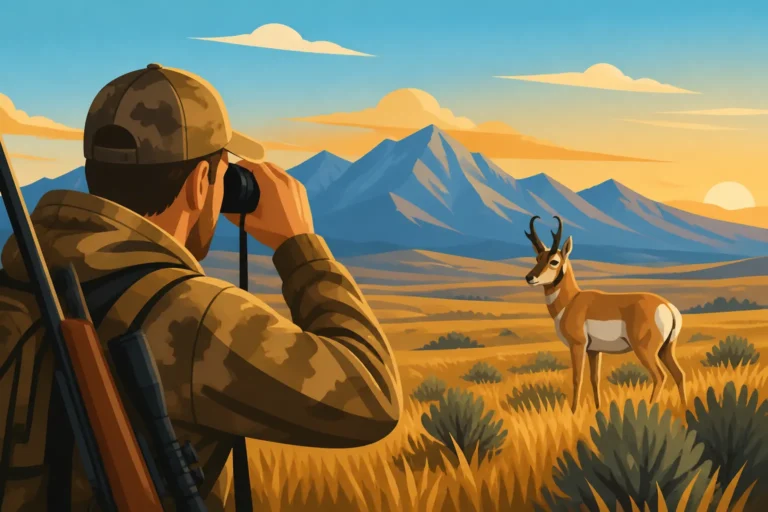
An antelope specialist knows the best times of year to hunt based on behavior – early season for spot-and-stalk before they get too spooky, or during the rut when bucks are distracted. They'll know the best optics for glassing miles of prairie, the specific crawling techniques needed for a close approach, and the most effective decoys for luring in curious bucks. They understand that a "trophy" antelope often means a buck with a good length of horn and significant mass, with pronounced prongs. This kind of nuanced understanding doesn't come overnight; it's developed through years of dedicated focus on the species. When an outfitter lives and breathes antelope hunting, their passion and expertise translate directly into a better experience for their clients.
Key Factors to Consider When Choosing Your Outfitter
Once you understand what generally makes an outfitter stand out for antelope, it's time to dig into the specifics that will ensure they align with your personal hunting style and expectations. Every hunter is different, and the "best" outfitter is ultimately the one that’s best for you.
Hunt Style and Preferences
Antelope hunting offers a few distinct styles, and not every outfitter is proficient in all of them. Do you dream of an intense, long-distance How to Spot-and-Stalk Antelope in Montana across the open prairie, testing your patience and crawling skills? Or do you prefer the strategic waiting game from a ground blind overlooking a crucial water hole? Maybe the excitement of decoying a wary buck right into bow range is what gets your heart racing.
A good outfitter will be upfront about their primary methods. If you're an archery hunter, you'll want an outfitter with extensive experience in setting up blinds for How to Hunt Montana Antelope Water Holes or mastering the art of the antelope decoy. How to Decoy Antelope in Montana is a skill, and not all guides have it. For rifle hunters, spot-and-stalk is often the bread and butter, covering vast amounts of ground. Discuss your preferred hunting method in detail with potential outfitters. Ask about their success rates for that specific style of hunting. Some outfitters might be fantastic at rifle spot-and-stalk but rarely offer bow blind hunts, while others excel at both. Ensuring their approach aligns with yours will make for a far more enjoyable and successful trip.
Inclusions and Exclusions
Nothing sours a hunting trip faster than unexpected costs or misunderstandings about what's included. Before booking, get a crystal-clear understanding of the outfitter's package. Is lodging provided? What kind? Tent camp, ranch house, or motel? What about meals – are they home-cooked, or do you need to pack your own? Transportation during the hunt is crucial; will they pick you up from the nearest airport? Will they transport you to and from hunting areas daily?
Consider the field care of your animal. Will the guide cape your buck for a taxidermist? Do they assist with quartering and packing out the meat? How to Quarter an Elk in the Montana Backcountry gives you an idea of the physical demands, and while antelope are smaller, the principle of proper field care is the same. Remember, the license and tag costs are almost always separate from the outfitter's fee. Make sure you understand the requirements for Montana Antelope Season Dates and the application process. Some outfitters might offer "sponsored tags" or assist with the draw, but it’s critical to clarify all these details upfront to avoid any unwelcome surprises.
Success Rates and Hunter Testimonials
Evaluating an outfitter's "success rate" requires a bit of detective work. Some outfitters report "opportunity rates," meaning hunters had a shot at a legal animal, which is different from a "harvest rate," which indicates the percentage of hunters who actually took an animal. Neither is inherently better or worse, but understanding the distinction is important. Also, consider what kind of success they measure: is it any legal antelope, or are they focused on trophy-class bucks?
GoHunt, for example, often compiles detailed statistics and insights that can help shed light on an outfitter's performance in certain areas. It's a great tool for initial research. However, always supplement data with personal testimonials. Ask for a list of recent references – ideally hunters from the past year or two – and actually call them. Ask detailed questions: Were the guides knowledgeable? Was the food good? Was the lodging comfortable? Were there hidden fees? Did they feel safe? Would they hunt with this outfitter again? Look for consistency in positive feedback, and pay attention to how outfitters address any negative comments. An outfitter who owns up to challenges and explains how they've improved is often more trustworthy than one with only glowing, generic reviews.
How to Research and Vet Potential Outfitters
The internet has made the initial search for an outfitter much easier, but it has also added a layer of complexity. Separating genuine, reputable operations from less reliable ones requires a systematic approach. Don't just pick the first one you see; invest the time to truly vet your options.
Online Platforms and Directories
Start your search on reputable online hunting directories. Websites like BookYourHunt serve as excellent starting points, compiling listings for numerous outfitters and often including initial client reviews, photos, and contact information. These platforms can quickly give you a sense of the available options, their general location within Montana (such as eastern plains versus central Montana), and the types of hunts they offer.
While these platforms are fantastic for discovery, remember they are just the first step. Think of them as a well-organized catalog rather than a definitive endorsement. Use them to create a shortlist of potential outfitters. Pay attention to how long they’ve been listed, the quality of their descriptions, and the overall impression they give. Many outfitters also have their own dedicated websites and social media pages, which can provide more in-depth information, including photo galleries of past hunts, detailed itineraries, and frequently asked questions. Don't hesitate to spend time exploring all these avenues.
Direct Communication and Questions
Once you have a few outfitters on your radar, the next crucial step is direct communication. Don't rely solely on email; pick up the phone and talk to the outfitter or their booking agent. This personal interaction is invaluable for gauging their responsiveness, their knowledge, and their general demeanor. Prepare a list of specific questions before you call to ensure you cover all your bases.
Here are some examples of questions to ask:
- "What specific hunting districts do you operate in, and how do you access them (private land, Block Management, etc.)?" Knowing the general areas can help you cross-reference with Montana Antelope Draw Odds Explained or Best Montana Districts for Antelope Bucks if you're looking for specific areas.
- "What is your typical guide-to-hunter ratio?" A lower ratio generally means more personalized attention.
- "What percentage of your clients are repeat hunters?" High repeat business is a great sign of satisfaction.
- "Can you describe a typical day on an antelope hunt with your operation?" This helps set expectations.
- "What happens if bad weather rolls in, or if I don't get an opportunity at a buck?" Understand their contingency plans.
- "What gear do you recommend I bring, specifically for antelope hunting?" (e.g., knee pads for crawling, specific optics).
- "How far out do you recommend I book a hunt, and what is your deposit and cancellation policy?"
This conversation isn't just about getting answers; it's about building a relationship and assessing if this is someone you'd enjoy spending several days in the field with. Remember, these are some of the Questions to Ask a Montana Outfitter before you commit.
Checking References and Licenses
Never, ever skip this step. A reputable outfitter will gladly provide a list of recent hunter references, usually from the past year or two. When you call these references, ask candid questions about their experience. Did the outfitter deliver on their promises? Was the camp comfortable? Did they feel safe and well-cared for? Was the guiding effective? Were there any unexpected issues, and how were they handled?
Equally important is verifying the outfitter's licensing and insurance. In Montana, all hunting outfitters must be licensed by the state. You can usually confirm their status through the Montana Board of Outfitters website. This ensures they meet professional standards and carry the necessary liability insurance. Don't be afraid to ask for their license number. A legitimate outfitter will have no problem providing it, and it gives you peace of mind that you're dealing with a professional operation. This step, while seemingly minor, is a critical safeguard for your investment and safety. Always confirm Montana Outfitter Licensing Explained to make sure they are operating legally and ethically.
Setting Expectations for Your Montana Antelope Hunt
Antelope hunting, like all hunting, is about more than just harvesting an animal. It's about the experience, the challenge, and connecting with the wild landscape of Montana. Going into your hunt with realistic expectations will greatly enhance your enjoyment, regardless of the outcome.
Realistic Trophy Expectations
Montana offers fantastic opportunities for antelope, but "trophy" can be a subjective term. While there are certainly areas known for producing larger bucks, and some outfitters cater specifically to that pursuit, not every buck you see will be a record book contender. Most hunters consider a mature buck with good length and mass to be a successful "trophy." Outfitters who promise guaranteed giant bucks should raise a red flag.
Be clear with your outfitter about your goals. Are you focused purely on taking a mature animal, or is the experience of the hunt, regardless of horn size, more important to you? Understanding How to Field Judge a Montana Pronghorn in the field is a valuable skill that your outfitter can help you develop. They can point out key characteristics that determine age and potential horn score. Focus on the quality of the hunt, the challenge, and the adventure. If a P&Y or Boone & Crockett buck crosses your path, that's a bonus, but don't let it be the sole measure of success for your trip. Embrace the entire journey of chasing these incredible animals.
Physical Demands and Preparation
While antelope country might look flat and easy, don't be fooled. A successful spot-and-stalk antelope hunt often involves covering significant distances on foot, sometimes in challenging heat, and usually includes a fair bit of crawling through cactus and sagebrush. You'll be spending long hours glassing, followed by intense, often quick, movements.
Don't underestimate the physical preparation needed. Even though it's not mountain hunting, you'll benefit immensely from good cardiovascular fitness and core strength. Being able to walk several miles comfortably, get up and down quickly, and crawl for extended periods will make a huge difference in your comfort and success. Practice shooting from various positions – prone is common for antelope, but kneeling or sitting might be necessary too. Your outfitter can advise on the specific terrain and typical distances, but generally, showing up in good physical condition will ensure you can fully participate in every aspect of the hunt. Consider looking at articles like How to Physically Prepare for a Montana Elk Hunt for general fitness advice that can be adapted for any big game hunt.
Weather and Environmental Considerations
Montana's weather is notoriously unpredictable, especially on the wide-open plains where antelope roam. Early season hunts can be scorching hot with relentless sun, leading to mirage issues and heat exhaustion if you're not prepared. Later in the fall, fierce winds can appear suddenly, making spotting difficult and stalks even more challenging. Rain, and even early snow, are always possibilities.
A good outfitter will be well-prepared for these variables. They'll have strategies for hunting in high winds, advice for staying hydrated in the heat, and contingencies for sudden changes in weather. Ask your outfitter about typical weather patterns during your chosen hunt dates and what clothing and gear they recommend. Layering is always key, even in seemingly warm conditions, as temperatures can fluctuate dramatically between dawn and midday. Being mentally prepared for anything Mother Nature throws your way, from dust storms to bright sunshine, will help you maintain a positive attitude and focus on the hunt.
Disclaimer
This article is for general informational purposes only and does not constitute professional advice. Laws, prices and regulations vary by location and change over time. Consult a qualified professional for guidance on your specific situation.