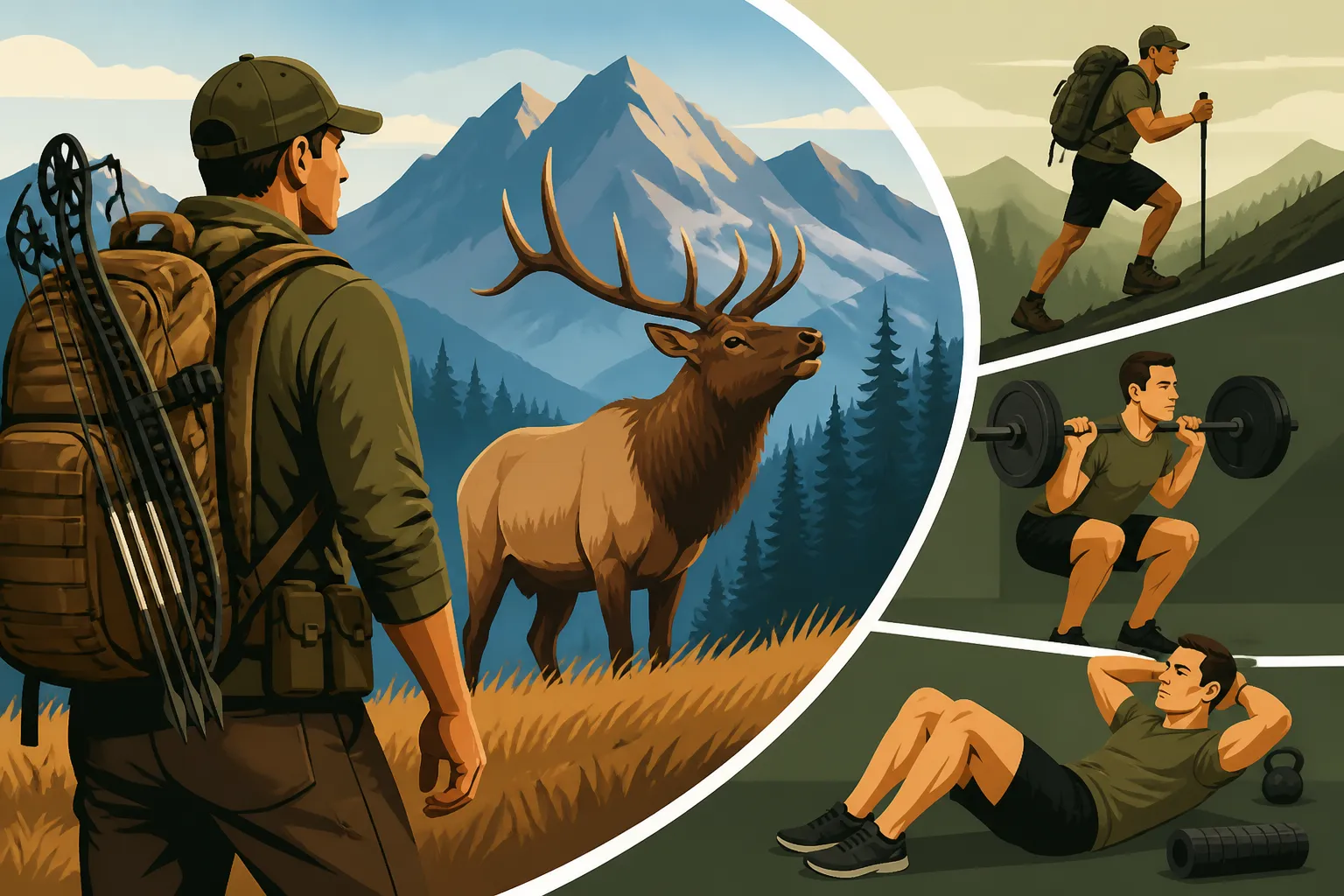
How to Physically Prepare for a Montana Elk Hunt
Heading into the rugged mountains or vast plains for a Montana elk hunt isn't just about drawing a coveted tag or having the right rifle; it's an intense physical challenge that can break even the most seasoned individuals. Many hunters underestimate the sheer physical toll, leading to exhaustion, missed opportunities, or even injuries. This guide is here to walk you through a realistic, comprehensive plan for physically preparing your body and mind for the demands of chasing elk in Big Sky Country, ensuring you're ready for whatever the mountains throw at you.
Understanding the Demands of Montana Elk Hunting
Let's be real: Montana elk hunting isn't a walk in the park. It's a grueling endeavor that will test every fiber of your being. You're not just hiking; you're often navigating incredibly steep, uneven terrain, pushing through dense timber, and carrying substantial weight at elevations many aren't accustomed to. Understanding these core challenges is the first step in formulating an effective preparation strategy.
The Terrain and Elevation Challenges
Montana's elk country is diverse, but whether you're in the mountainous western regions or the rolling hills further east, steep climbs and descents are par for the course. Picture this: you've been e-scouting for months, using tools like GoHunt to analyze terrain and potential bedding areas, but nothing truly prepares you for the relentless vertical ascent when you're actually on the ground. You might start your day at 5,000 feet, only to find yourself scrambling up to 8,000 or 9,000 feet by midday, often off-trail, pushing through brush and over deadfall. This isn't just taxing on your lungs; it puts immense strain on your quads, hamstrings, and calves, not to mention your ankles and knees as you navigate loose rock and scree.
The elevation itself presents a significant challenge, especially for those coming from sea level. The air is thinner, meaning less oxygen is available with each breath. This can lead to shortness of breath, fatigue, headaches, and even nausea if you're not properly acclimatized. A flatlander hitting the Montana high country without prior conditioning or at least a few days to adjust can quickly find themselves sidelined, unable to keep up with the demands of the hunt. It’s a common frustration many hunters face when their ambition meets the stark reality of mountain hunting.
The Rigors of Backcountry Travel
Beyond the immediate terrain, the nature of backcountry travel itself demands a unique kind of endurance. You’re often carrying a heavy pack – think 30-50 pounds, even before you add meat – containing all your essentials for the day, or even for multiple days if you’re on a spike camp hunt. This includes water, food, optics, survival gear, and extra layers for unpredictable mountain weather. Each step with that weight feels magnified on steep slopes, turning a simple hike into a full-body workout.
Then there's the often-overlooked challenge of navigating dense timber or thick brush. It's not always open alpine meadows; often, the elk are hiding in the darkest, thickest cover imaginable. Pushing through this type of vegetation can be exhausting, requiring strength, balance, and patience. It’s a constant battle against snags and resistance, adding another layer of physical exertion to an already demanding activity. If you're planning a multi-day trek, our guide on how to pack into the Montana backcountry can offer more specific advice on what gear to carry and how to distribute weight effectively.
The Physical Toll of Packing Out Meat
This is arguably the most demanding aspect of a successful elk hunt, and it's where many hunters fall short in their preparation. Congratulations, you’ve put down a bull! Now the real work begins. An average bull elk can weigh anywhere from 500 to 700 pounds or more, and you’re often several miles, and thousands of vertical feet, from the nearest trailhead. This means quartering the animal and making multiple trips, each with 80-100+ pounds of meat and bone strapped to your back.
Imagine hauling two front quarters, each weighing 60-80 pounds, plus your rifle, optics, and personal gear, up and down steep, uneven terrain, sometimes in the dark, through snow or rain. This isn't just about brute strength; it requires incredible core stability, mental grit, and specialized gear. If you haven't prepared for this level of load-bearing, you risk injury, exhaustion, or worse, spoiled meat. Many hunters dream of the harvest but don't adequately prepare for the pack-out, which can quickly turn a triumph into a suffer-fest. Knowing how to pack out an elk in Montana effectively is crucial, and it heavily relies on your physical readiness.
Building a Foundation: Cardiovascular Endurance
When it comes to elk hunting, your lungs and heart are your best friends. Without solid cardiovascular endurance, those steep climbs will leave you gasping for air, slowing you down, and draining your energy before you even get to prime elk country. Think about it: you need to be able to hike for miles, climb thousands of feet, and then still have enough wind to make a quick stalk or set up on a bugling bull.
High-Intensity Interval Training HIIT for the Mountains
HIIT is fantastic for building the kind of explosive power and recovery needed for mountain hunting. Imagine you’re on a ridge, and suddenly, you spot an elk herd moving into a basin, or you hear a bull bugle a half-mile away. You need to close the distance quickly, moving fast through varied terrain, then recover your breath to make a shot. That's where HIIT shines. Incorporate sprints, stair climbing (or a stair master), hill repeats, or even weighted step-ups into your routine.
A great way to do this is to find a steep hill near you. Sprint up for 30-60 seconds, then walk or jog back down for 60-90 seconds. Repeat this for 20-30 minutes. You want to push your heart rate into that anaerobic zone and then recover, mimicking the stop-and-go, surge-and-recover nature of hunting. Doing this 2-3 times a week will dramatically improve your ability to handle those bursts of effort in the mountains.
Long-Duration, Steady-State Cardio
While HIIT prepares you for short bursts, steady-state cardio builds the foundational endurance for those all-day pushes. This is your bread and butter for covering miles in elk country. Think long hikes, jogging, or cycling at a moderate intensity where you can hold a conversation but are still working. The goal here is to increase your aerobic capacity, allowing your body to efficiently use oxygen over extended periods.
Aim for 60-90 minute sessions, 3-4 times a week. If you can, do these with a weighted pack on. Start with 15-20 pounds and gradually increase the weight as your fitness improves, working up to 40-50 pounds. This not only builds cardiovascular stamina but also strengthens your core and stabilizer muscles under load, directly translating to better performance on the mountain. Walking hills or using a treadmill at a high incline are excellent substitutes if you don't have access to rugged outdoor terrain.
Integrating Elevation into Your Training
If you live at lower elevations, preparing for Montana's thinner air is crucial. While you can't magically move your home to a higher altitude, you can simulate some of the effects. One method is to increase the intensity and duration of your cardio as the hunt approaches, pushing your body harder than it might initially feel comfortable. Some hunters also experiment with altitude masks, though their effectiveness is debated; the primary benefit often comes from the added resistance to breathing, which can strengthen respiratory muscles.
The best solution, if possible, is to arrive in Montana a few days early. This gives your body a chance to begin acclimatizing to the higher elevation, reducing the risk of altitude sickness and allowing you to perform better when the season opens. Even a couple of days can make a noticeable difference in how you feel and perform during those first crucial days of the hunt. This is a common strategy discussed in our guide on how to prepare for high-country Montana hunting.
Strength and Power for the Field
Cardio gets you there, but strength and power are what get you through the hunt, especially when the going gets tough or you're wrestling with a heavy pack full of meat. Forget the beach muscles; we're talking about functional strength that matters in the field.
Leg Strength for Ascents and Descents
Your legs are your primary engine in elk country. You need robust leg strength to power up steep inclines, control your descent on unstable ground, and maintain stability with a heavy pack. Squats and lunges are your best friends here, mimicking the movements you’ll make on the mountain. Incorporate variations like Bulgarian split squats, step-ups onto a high box, and weighted carries (like farmer’s carries or sandbag carries) to build real-world strength.
Don't just focus on pushing up; controlled descents are equally important. Eccentric strength (the lowering phase of a movement) helps prevent knee pain and keeps you stable when heading downhill. Try doing slower, controlled negatives on your squats and lunges. Hiking with a pack downhill on uneven terrain is also excellent practice. Remember, every step downhill takes a toll on your joints, so strong leg muscles act as natural shock absorbers.
Core and Upper Body Strength for Packs
While your legs do most of the work, a strong core and resilient upper body are essential for carrying a heavy backpack comfortably and safely. Your core acts as the bridge between your upper and lower body, providing stability and transferring power. Exercises like planks, side planks, Russian twists, and medicine ball slams will build a strong, stable core. Don't neglect your back muscles either; rows, pull-ups, and deadlifts will strengthen your lats and traps, which are critical for supporting heavy pack straps.
Your shoulders also take a beating when carrying weight for hours on end. Incorporate overhead presses and shoulder stability exercises. A strong, balanced upper body will prevent fatigue from setting in early and help you avoid those nagging aches and pains that can derail a hunt. Think about the strain on your body as you're pushing through dense brush with a pack, or using trekking poles to brace yourself; that’s where this comprehensive strength comes into play. If you're looking for guidance on the right pack, check out our insights on the best backpack for a Montana elk hunt.
Functional Movements for Hunting
Beyond isolated exercises, integrating functional movements that mimic actual hunting scenarios will elevate your preparation. Think about the various positions you find yourself in: kneeling, crawling, holding a rifle steady for extended periods, or lifting heavy objects onto your back. Combine movements: a lunge into a step-up, followed by a simulated lift. Practice getting up and down quickly from various positions with a pack on.
Carrying awkward loads, such as a weighted sandbag or a heavy dumbbell in one hand, helps simulate the uneven weight distribution you might experience during a pack-out. Balance exercises, like standing on one leg or using a wobble board, are also incredibly beneficial for navigating unstable terrain. The goal is to train your body to move efficiently and powerfully in the unpredictable environment of the backcountry, ensuring your Montana elk hunt fitness plan is as realistic as possible.
Flexibility, Mobility, and Injury Prevention
It's easy to get caught up in building brute strength and endless cardio, but neglecting flexibility and mobility is a surefire way to invite injuries and discomfort. A stiff, immobile body is prone to strains, pulls, and aches, which can quickly put an end to your hunt. Proper stretching and mobility work are crucial for longevity in the field.
Stretching and Foam Rolling Routines
Incorporating a regular stretching routine into your training is non-negotiable. Focus on major muscle groups used in hunting: hamstrings, quads, hip flexors, glutes, calves, and your back and shoulders. Dynamic stretches (like leg swings and arm circles) are great before a workout or hunt to warm up muscles, while static stretches (holding a stretch for 20-30 seconds) are best for cool-downs or on rest days to improve overall flexibility.
Foam rolling is another powerful tool for releasing muscle tightness and improving tissue quality. Spend time rolling out your quads, IT bands, glutes, calves, and upper back. This helps break up adhesions in your fascia and promotes better blood flow, reducing muscle soreness and improving your range of motion. Think of it as giving yourself a deep tissue massage to keep everything moving smoothly.
Addressing Common Hunter Injuries
Elk hunting can be tough on the body, and certain injuries are particularly common. Knees often bear the brunt of steep descents, especially with a heavy pack. Strengthening the muscles around the knee (quads, hamstrings, glutes) and ensuring good ankle mobility can help. Ankle sprains are also frequent due to uneven terrain; incorporating balance exercises and strengthening ankle stabilizers can mitigate this risk.
Back pain is another common complaint, often stemming from weak core muscles or improper lifting techniques when packing out meat. This highlights the importance of core strength and practicing proper lifting mechanics even in training. Shoulder and neck pain can arise from ill-fitting packs or carrying heavy loads for prolonged periods. Regularly assessing your pack fit and ensuring balanced weight distribution is key. If you experience persistent pain, don't hesitate to consult a physical therapist; addressing issues early can prevent them from derailing your hunt.
The Importance of Rest and Recovery
You can train as hard as you want, but without adequate rest and recovery, you're only digging yourself into a hole. Muscles grow and adapt during rest, not during workouts. Overtraining leads to fatigue, decreased performance, increased injury risk, and a rundown immune system – the last thing you want before or during a big hunt. Ensure you're getting 7-9 hours of quality sleep each night.
Active recovery, like light walks, swimming, or gentle yoga, can also aid in blood flow and muscle repair without adding significant stress. Listen to your body; if you're feeling constantly drained or sore, it might be a sign you need an extra rest day or to scale back intensity. A smart training plan incorporates progressive overload with planned deload weeks to allow for recovery and adaptation. Don't sacrifice recovery for an extra workout; it's a crucial part of the process.
Nutrition and Hydration Strategies
Your body is like a high-performance engine, and just like a good engine needs the right fuel, your body needs proper nutrition and hydration to perform optimally in the demanding environment of a Montana elk hunt. What you eat and drink directly impacts your energy levels, endurance, and recovery.
Fueling Your Body for Peak Performance
Start weeks or months before your hunt by focusing on a balanced diet rich in whole foods. Prioritize lean proteins for muscle repair and growth (chicken, fish, lean beef, beans), complex carbohydrates for sustained energy (oats, sweet potatoes, whole grains), and healthy fats for long-burning fuel (avocado, nuts, olive oil). Limit processed foods, excessive sugar, and unhealthy fats that can lead to energy crashes and inflammation.
During the hunt itself, your nutritional strategy needs to be practical for the backcountry. Pack dense, calorie-rich foods that are easy to eat on the go. Think trail mix, energy bars (like Clif Bars or RXBARs), dehydrated meals, jerky, and dried fruit. A good breakfast, high in protein and complex carbs, is critical to start your day strong. Lunch might be an opportunity for a quick sandwich or more bars, while dinner can be a warm, rehydrated meal to replenish spent energy stores. GoHunt often features articles on planning for hunts, which sometimes touch on these practical nutrition strategies.
Hydration Before and During the Hunt
Dehydration can severely impair physical performance, mental clarity, and even increase the risk of altitude sickness. Start hydrating well in advance of your hunt, aiming for at least 80-100 ounces of water daily. Increase this intake as you train harder. Don't wait until you're thirsty in the field; by then, you're already partially dehydrated.
In the field, water sources can be scarce or require filtration. Carry a reliable water filter or purification tablets (like Sawyer filters or Katadyn BeFree) and know where potential water sources are on your map. Aim to drink consistently throughout the day, even if you don't feel thirsty. Electrolyte supplements can be beneficial, especially on hot days or during strenuous activity, to replenish salts lost through sweat. A general rule of thumb for mountain hunting is to carry at least 2-3 liters of water, and more if you know water sources are limited. Understanding how to use thermals in Montana elk country might also inform your hydration strategy, as certain microclimates can lead to quicker dehydration.
Meal Planning for Backcountry Adventures
Effective meal planning for a multi-day backcountry hunt is an art. It’s a balance between caloric density, weight, taste, and ease of preparation. Layout your meals for each day, ensuring you have enough calories to support extreme exertion. A good estimate is 3,000-5,000 calories per day, depending on your body size and activity level.
Consider packing compact, high-energy snacks for quick boosts. Small packets of nut butter, chocolate, or even instant coffee can be morale boosters. For dinners, a good dehydrated meal is hard to beat for convenience and calorie count. Brands like Mountain House or Peak Refuel offer a wide variety that can be prepared with just boiling water. Don't forget a small stove and fuel! Having a well-thought-out meal plan can significantly impact your physical and mental state when you're deep in the wilderness.
Mental Fortitude and Acclimatization
Physical preparation is only half the battle; the mental game is just as crucial, especially when facing the relentless challenges of a Montana elk hunt. The mountains have a way of testing your resolve, and being mentally prepared can often make the difference between success and giving up.
Building Mental Toughness
Montana elk hunting demands perseverance. There will be days when the weather turns nasty, the elk are nowhere to be found, or your body aches in ways you didn't know possible. This is when mental toughness kicks in. You need to be able to push through discomfort, stay positive in the face of adversity, and maintain focus. Visualization is a powerful tool; mentally rehearse difficult scenarios, such as a grueling climb or a long pack-out, and imagine yourself successfully overcoming them.
Practice mindfulness and develop strategies to deal with frustration or self-doubt. Breaking down big challenges into smaller, manageable steps can also help. Instead of thinking about the 10 miles back to the truck, focus on reaching the next ridge, then the next timberline. Cultivating a resilient mindset during your training will pay dividends when you're actually on the mountain and facing real physical and mental hurdles.
Simulating Hunt Conditions
The more closely your training mimics actual hunting conditions, the better prepared you'll be. Don't just run on a flat treadmill; find hills, uneven trails, and off-trail terrain. Hike with your actual hunting pack, loaded with the weight you expect to carry. If you plan on wearing your hunting boots, train in them to break them in and identify any potential hot spots. Our guide on the best boots for Montana elk hunting offers excellent advice on choosing footwear.
Practice shooting your bow or rifle after a strenuous climb to simulate the elevated heart rate and fatigue you'll experience in a real hunting scenario. This helps you understand how your breathing and muscle control are affected and gives you a chance to develop strategies for quick recovery and accurate shooting under pressure. The more you simulate, the fewer surprises you'll have in the field.
Altitude Acclimatization Considerations
As mentioned earlier, altitude can significantly impact performance. If you can't arrive early, at least understand the symptoms of altitude sickness (headache, nausea, dizziness, fatigue) and know how to respond. The best advice is to take it easy on your first day or two, avoid overexertion, and stay well-hydrated. If symptoms worsen, descending to a lower elevation is often the only real cure.
Some hunters also use supplements like Rhodiola or Acetazolamide (prescription required) to aid acclimatization, but always consult a doctor before taking any medication. The key is to respect the altitude and give your body time to adjust. Even slight discomfort can compound the physical strain of hunting, so managing this aspect is vital for a successful, enjoyable hunt.
A Sample Training Schedule for Elk Hunting
This is a general guideline; adjust it to your current fitness level and the time you have before your hunt. Aim for a 12-16 week program, starting gradually and progressively increasing intensity and duration.
| Week | Monday (Strength) | Tuesday (Cardio) | Wednesday (Strength) | Thursday (Cardio) | Friday (Active Recovery/Mobility) | Saturday (Long Hike) | Sunday (Rest) |
|---|---|---|---|---|---|---|---|
| 1-4 (Foundation) | Full Body: Squats, Lunges, Push-ups, Rows, Planks (3 sets of 10-12 reps) | 30 min brisk walk/jog, light pack | Full Body: Same as Monday | 30 min brisk walk/jog, light pack | Stretching, Foam Rolling, light walk | 60-90 min hike with 15-20lb pack on moderate terrain | Complete Rest |
| 5-8 (Building Endurance/Strength) | Lower Body: Heavy Squats, Deadlifts, Step-ups. Core work (3 sets of 8-10 reps) | 45-60 min run/bike/stair master (HIIT intervals) | Upper Body/Core: Rows, Pull-ups, Overhead Press, Heavy Carries (3 sets of 8-10 reps) | 45-60 min run/bike/stair master (steady state, moderate pack) | Stretching, Foam Rolling, light yoga | 2-3 hour hike with 25-35lb pack on varied terrain, include hills | Complete Rest |
| 9-12 (Peak Performance) | Lower Body: Explosive movements (box jumps), Heavy Lunges, Squats (3 sets of 5-8 reps) | 60-75 min run/bike/stair master (mix of HIIT & steady state, heavy pack) | Upper Body/Core: Functional movements, Heavy Carries, Pull-ups, Farmers Walks (3 sets of 5-8 reps) | 60-75 min run/bike/stair master (steady state, heavy pack, increased incline) | Dynamic Stretching, targeted foam rolling | 3-4+ hour hike with 40-50lb pack on challenging, steep terrain | Complete Rest |
| 13-16 (Taper/Maintenance) | Full Body: Lighter weights, focus on form, maintenance (2 sets of 10-12 reps) | 30-45 min light cardio, no pack or light pack | Full Body: Same as Monday | 30-45 min light cardio, no pack or light pack | Gentle Stretching, Foam Rolling | 1-2 hour easy hike, light pack | Complete Rest |
- Progressive Overload: Gradually increase weight, reps, sets, duration, or intensity over the weeks.
- Listen to Your Body: If you're overly sore, take an extra rest day or reduce intensity.
- Simulate Conditions: Incorporate actual hunting boots and backpack during your long hikes, especially during weeks 9-12.
- Altitude Acclimatization: If traveling from low elevation, try to arrive in Montana 2-3 days before the hunt to adjust.
This comprehensive approach, combining diverse training methods and smart recovery, will significantly boost your chances of having a successful and enjoyable Montana elk hunting experience. For more specific training advice, you might find our article on a Montana Elk Hunt Fitness Plan particularly helpful. Remember, preparation isn't just about the hunt; it's about making sure you can fully enjoy the incredible experience Montana has to offer.
Disclaimer
The information provided in this guide is for general informational purposes only and does not constitute professional medical, fitness, or hunting advice. Always consult with a qualified healthcare professional or certified fitness trainer before starting any new exercise program or making changes to your diet, especially if you have pre-existing medical conditions. Hunting involves inherent risks, and proper safety precautions should always be followed.