Best Fly-In or Pack-In Montana Hunts
The dream of truly escaping the crowds and finding untouched wilderness, where the only sounds are the wind and the call of the wild, is a powerful one for any hunter. But let's be honest, getting deep into Montana's vast backcountry can feel like an insurmountable challenge, especially if you're not from the area or don't own a string of horses. This guide is here to demystify fly-in and pack-in hunts in Montana, helping you understand the unique appeal, the rigorous planning involved, and how to successfully embark on one of these unforgettable wilderness adventures.
What Exactly are Fly-In and Pack-In Hunts?
When we talk about fly-in or pack-in hunts in Montana, we're talking about getting off the beaten path, far from roads, trailheads, and often, other hunters. These aren't your typical truck-to-timber hunts; they involve significant logistical efforts to access remote wilderness areas. They promise unparalleled solitude and often, access to game that sees little human pressure, but they also demand a higher level of preparation and self-reliance.
The Appeal of True Wilderness Hunting
There's something deeply primal and incredibly rewarding about a hunt where you're truly immersed in the wilderness, relying solely on your skills and what you can carry. The sheer scale of Montana's backcountry offers an escape from the daily grind and the ever-increasing pressure on easily accessible public lands. Hunters are often drawn to these areas because they offer a chance at a mature animal that hasn't been pressured by human interaction for generations, or simply for the profound experience of being self-sufficient in a wild landscape.
Imagine hiking for days, finally setting up a spike camp under a blanket of stars, and knowing that for miles in every direction, it's just you and the wildlife. That sense of accomplishment, that feeling of truly earning your experience, is what keeps many hunters coming back to these challenging but incredibly fulfilling pursuits. It's a true test of grit, mental fortitude, and hunting prowess, far from the conveniences of modern life.
Distinguishing Between Fly-In and Pack-In Methods
While both methods aim to get you deep into the wilderness, their execution and specific challenges differ significantly.
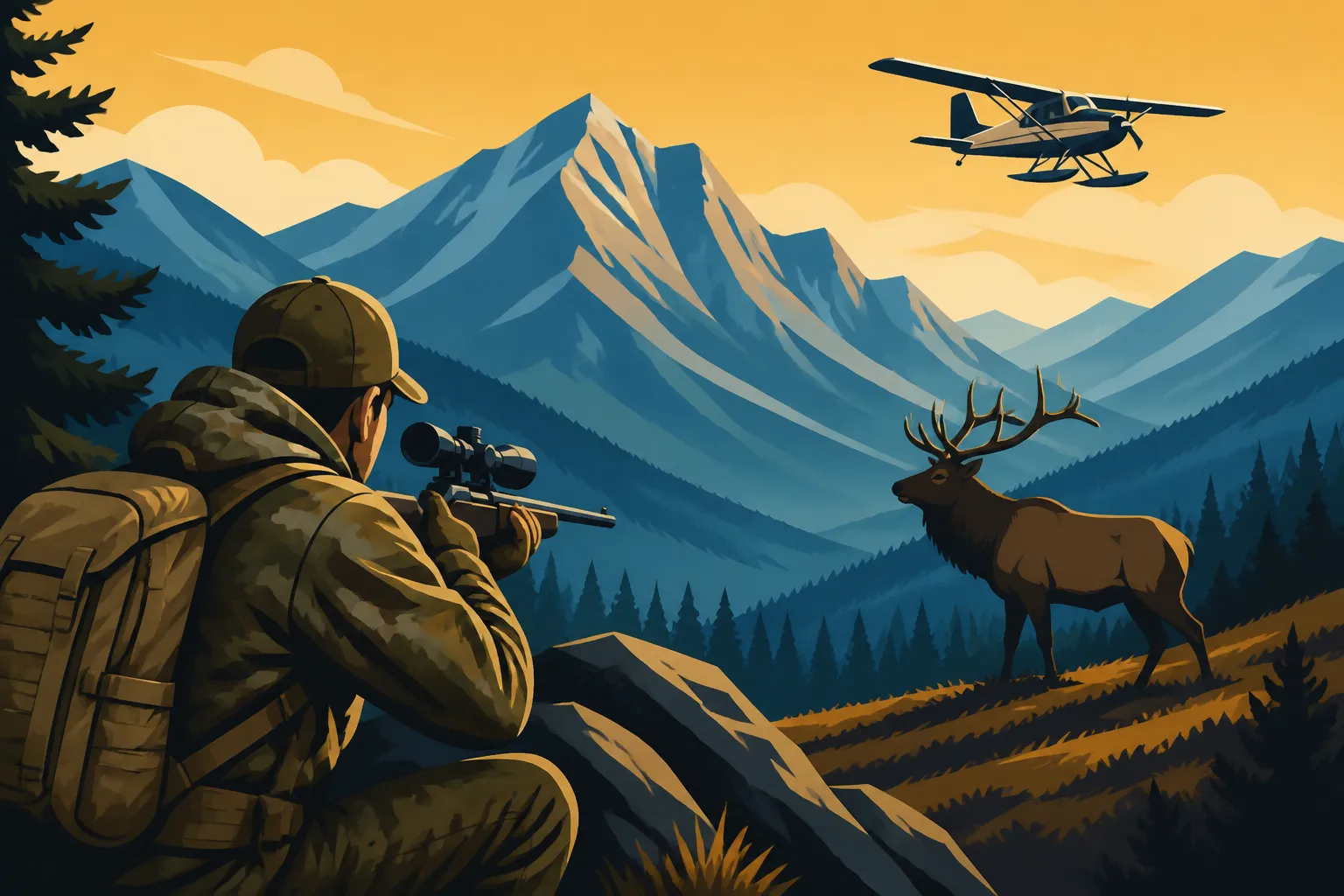
Fly-In Hunts: These involve using a small bush plane to transport you and your gear to a remote airstrip or lake within a designated wilderness area. The plane drops you off, and you're essentially on your own until a pre-arranged pickup. This method allows you to cover vast distances quickly and access areas that might take days or even weeks to reach on foot or horseback.
The primary advantage is speed and access to truly isolated locations. However, you are entirely dependent on weather conditions for your flights, and your gear is limited by the plane's cargo capacity and weight restrictions. You also need to be acutely aware of emergency plans, as help can be a long way off. Areas like the Bob Marshall Wilderness Complex, with its designated backcountry airstrips, are prime candidates for fly-in adventures, offering a unique opportunity to hunt deep within its vast reaches.
Pack-In Hunts (Horseback or Foot): These are perhaps the more traditional image of a Western backcountry hunt. You either hike in yourself, carrying all your gear, or you hire an outfitter with a string of packhorses or mules to haul your camp and supplies. This method, while slower, offers more flexibility in terms of where you can go (within reason) and how much gear you can bring.
Hiking in, often referred to as a "backpack hunt," is the ultimate test of physical endurance and minimalist planning. Every ounce counts. Hiring a pack string provides a much more comfortable base camp once you get there, but it comes with a significantly higher cost and requires coordinating with an experienced outfitter. Both methods allow for a gradual immersion into the landscape, offering intimate knowledge of the terrain as you progress. For those interested in a full backcountry experience, reading our guide on how to pack into the Montana backcountry can provide invaluable insights.
Here's a quick comparison of the two primary methods:
| Feature | Fly-In Hunt | Pack-In Hunt (Horseback) | Pack-In Hunt (Backpack/DIY) |
|---|---|---|---|
| Access Speed | Very Fast | Moderate | Slow (but flexible) |
| Gear Capacity | Limited by plane weight/size | High, allows for comfortable camp | Very Limited, minimalist approach |
| Cost | Moderate to High (charter cost) | High (outfitter fees for horses/mules) | Low to Moderate (gear investment) |
| Physical Demands | Moderate (once at camp, but hunt demands are high) | Moderate (riding, but hunt demands are high) | Very High (carrying everything, hunting hard) |
| Isolation Potential | Very High | High | High |
| Flexibility | Low (tied to flight schedule) | Moderate (can move camp if needed) | Very High (can spike out from base camp easily) |
| Outfitter Involvement | Often involves bush pilot service, sometimes outfitter for logistics | Often involves a fully guided or drop-camp outfitter | Minimal to None (true DIY) |
Planning Your Remote Montana Hunt
Embarking on a fly-in or pack-in hunt is a substantial undertaking that requires meticulous planning. It's not a spur-of-the-moment trip; successful wilderness hunts are built on months, sometimes years, of preparation. From drawing the right tags to understanding the regulations, every detail matters.
Navigating Licenses and Regulations
First and foremost, you need to understand Montana's complex licensing and draw system. As a nonresident, obtaining a coveted elk or deer tag often requires playing the preference point game. For specific trophy animals like moose or bighorn sheep, the draw odds can be incredibly long, sometimes taking decades of bonus points. Our guide on Montana nonresident license draw explained can help you decipher this critical first step.
Beyond the general big game licenses, many wilderness areas, particularly those managed by the US Forest Service, might have specific regulations or permit requirements for camping, fire, or even group size. Always check the local Forest Service district office regulations for the exact area you plan to hunt. Moreover, if you're using an outfitter, ensure they are properly licensed by the Montana Board of Outfitters. A reputable outfitter will be transparent about their credentials and the permits they operate under. When choosing a Montana hunting outfitter, it's crucial to ask the right questions.
E-Scouting and Route Planning
Before you even think about setting foot on Montana soil, you need to become an expert on your chosen hunting district from afar. This is where modern technology truly shines. Platforms like onX Hunt are indispensable for e-scouting. You can identify public and private land boundaries, potential elk or deer bedding areas, travel corridors, water sources, and escape routes. Look for north-facing slopes with dark timber for bedding, south-facing slopes for feeding in colder weather, and saddles or ridges that connect different drainages.
Utilize tools like GoHunt for detailed draw odds and unit breakdowns. They often provide valuable insights into specific hunting districts, including success rates and hunter pressure, which are vital for remote hunts. When planning your route, don't just look at the straight line distance; consider elevation changes, potential creek crossings, dense timber, and natural barriers. Remember, a mile in the mountains is very different from a mile on flat ground. Always plan for contingencies, identifying multiple access and egress points if possible, and mentally mapping out emergency rendezvous locations. Understanding how to e-scout Montana hunting units will give you a significant advantage.
Outfitter Considerations and DIY Logistics
Deciding between a fully DIY hunt or hiring an outfitter is a critical choice, often dictated by budget, experience, and the specific nature of your desired hunt.
Hiring an Outfitter: If you're new to remote Western hunting, or if your physical limitations prevent you from hauling heavy loads, an outfitter can be invaluable. They provide the logistical support—horses, guides, camp setup, and often the specialized knowledge of the local terrain and animal behavior. For fly-in hunts, they can coordinate the bush plane drops and pickups. For pack-in hunts, they’ll handle the stock and transport your entire camp deep into the wilderness. This can range from a full-service guided experience where everything is provided, to a "drop camp" where they pack you in, set up a basic camp, and leave you to hunt independently, returning on a pre-determined date. While a guided Montana elk hunt cost can be significant, the value in terms of safety, success odds, and comfort can be worth it for many.
DIY Logistics: For the truly adventurous, a DIY fly-in or pack-in hunt offers the ultimate challenge and reward. This path requires a higher degree of self-sufficiency, experience, and rigorous planning. You're responsible for every aspect: food, shelter, navigation, first aid, meat care, and extraction. For fly-in DIY, you'd coordinate directly with a bush pilot service. For pack-in DIY, you're hiking in with everything on your back. This means every piece of gear must be carefully considered, and you need robust skills in navigation, wilderness first aid, and game processing in remote conditions. Detailed knowledge of the area, potentially gained from earlier scouting trips or extensive e-scouting, is paramount. Remember, if you go the DIY route, you are literally your own rescue party for most minor mishaps.
Essential Gear and Preparation for Backcountry Success
A remote Montana hunt isn't just a physical challenge; it's a mental one. Your gear is your lifeline, and your preparation, both physical and mental, will dictate your success and safety. Cutting corners here is simply not an option.
Physical and Mental Conditioning
Let's be blunt: Montana's mountains are unforgiving. Whether you're flying in and then hunting steep terrain or packing in on foot for days, you need to be in peak physical condition. Think beyond just "being active." This means dedicated training that mimics hunting conditions:
- Cardio: Long hikes with a weighted pack (30-60 lbs) on varied terrain, including steep ascents and descents. Stair climbing, running, and cycling are great supplements. Aim for workouts that challenge you for hours, not just minutes.
- Strength: Focus on core strength, legs, and back. You'll be carrying heavy loads, quartering animals, and navigating difficult terrain.
- Flexibility and Balance: Essential for avoiding injuries on uneven ground.
Beyond the physical, mental toughness is crucial. You'll face discomfort, bad weather, fatigue, and potential setbacks. The ability to stay positive, make sound decisions under pressure, and persevere when things get tough is often the difference between a successful hunt and a miserable one. Simulate these conditions in your training, if possible, to build resilience. Our guide on how to physically prepare for a Montana elk hunt offers a deeper dive into this critical aspect.
Crucial Gear for Wilderness Survival and Hunting
Your gear list for a remote hunt needs to be comprehensive, yet minimalist. Every item must serve a purpose and be reliable. Here’s a breakdown of critical categories:
- Shelter: A lightweight, durable tent or tarp designed for mountain weather. Consider a four-season tent if hunting late in the season. For a more comfortable base camp with an outfitter, a wall tent camp in Montana can provide excellent shelter.
- Sleep System: A high-quality sleeping bag rated for temperatures well below your expected lows, and an insulated sleeping pad. Hypothermia is a real threat.
- Navigation: A reliable GPS device (like your phone with onX Hunt maps downloaded offline), a compass, and physical topographic maps. Do not rely solely on electronics. Always know how to use a map and compass.
- Optics: High-quality binoculars are non-negotiable for glassing vast Montana landscapes. A spotting scope is often necessary for identifying distant animals, especially for a Best Method to Hunt Montana Mule Deer or How to Spot-and-Stalk Montana Bighorn Sheep.
- Clothing: Layering is key. Moisture-wicking base layers, insulating mid-layers (fleece or puffy jacket), and a waterproof/windproof outer shell. Bring extra socks! For your feet, investing in the best boots for Montana elk hunting is essential.
- Food & Water: Lightweight, high-calorie food. Water filter or purification tablets/drops. You'll need more calories than you think.
- First Aid Kit: A comprehensive kit with personal medications, pain relievers, blister treatment, trauma dressing, and a tourniquet. Consider wilderness first aid training.
- Fire Starting: Multiple methods: waterproof matches, lighter, fire starter.
- Knife: Sharp, reliable knife for field dressing.
- Headlamp/Flashlight: With extra batteries.
- Communication: Satellite messenger (Garmin inReach, Zoleo) for emergency communication and checking in with loved ones. Cell service is non-existent in much of the backcountry.
- Hunting Specific: Rifle/bow, ammunition/arrows, calls, rangefinder, game bags, meat saw, paracord, small tarp for meat care, bear spray.
- Backpack: A sturdy, comfortable backpack with a good suspension system, capable of hauling heavy loads. Our Montana backcountry hunting gear list has more specifics.
Handling Game in Remote Conditions
This is where many hunters, especially those new to remote hunting, can get into trouble. If you're fortunate enough to harvest an animal deep in the backcountry, you're faced with the monumental task of processing and packing it out.
Field Processing: You'll need to be proficient at quartering an animal in the field. This means breaking it down into manageable pieces, often bone-in, to fit into game bags. Getting the hide off and the meat cooling quickly is crucial, especially in warmer early season hunts.
Packing It Out: This is the most physically demanding part. Depending on the size of the animal, you'll be making multiple trips with heavy packs. An adult elk can yield 150-200+ pounds of boned-out meat, plus cape and antlers. This will require several trips, especially if you're hunting solo or with a small group. Having a sturdy external frame pack and good game bags is paramount. Knowing how to quarter an elk in the Montana backcountry and how to pack out elk meat solo in Montana are skills you must have before you go.
Prime Montana Locations for Wilderness Adventures
Montana is blessed with vast tracts of wilderness, offering countless opportunities for those willing to venture deep. While specific hunting districts and regulations change, certain wilderness areas consistently offer the remote experiences sought by fly-in and pack-in hunters.
The Bob Marshall Wilderness Complex
Often called "The Bob," this immense wilderness complex in northwestern Montana is one of the crown jewels of the National Wilderness Preservation System. Comprising the Bob Marshall, Great Bear, and Scapegoat Wilderness areas, it totals over 1.5 million acres. This is prime habitat for elk, mule deer, bighorn sheep, and even moose in certain drainages. The rugged mountains, dense timber, and vast roadless areas make it an ideal destination for pack-in hunts, particularly by horseback.
For fly-in hunts, The Bob is unique because it contains several backcountry airstrips (e.g., Schafer, Spotted Bear, Gates Park). These strips are remnants of a bygone era, maintained for administrative and limited recreational use, offering a rare opportunity to fly deep into a true wilderness area. Hunters can charter flights into these strips, then pack further on foot or with rented pack stock from an outfitter. The remote valleys and high basins of The Bob are legendary for their elk herds, though hunting here is incredibly demanding. If you're looking for a comprehensive overview, check out our Montana elk hunting guide.
Anaconda-Pintler Wilderness
Located in southwestern Montana, straddling the Continental Divide, the Anaconda-Pintler Wilderness offers nearly 160,000 acres of rugged peaks, alpine lakes, and deep canyons. It's less known than The Bob, which often translates to fewer crowds, but no less challenging. Access is primarily on foot or horseback from trailheads, making it a classic pack-in destination.
Hunters here pursue elk and mule deer in challenging, high-elevation terrain. The dense timber and steep drainages require significant effort, but the rewards can be substantial. The "A-P" is characterized by its dramatic glacially carved landscapes and abundant water sources, which can hold game. Planning a hunt here involves careful attention to physical conditioning and navigating some truly difficult country, but the solitude and beauty are unparalleled.
Absaroka-Beartooth Wilderness
Situated north of Yellowstone National Park, the Absaroka-Beartooth Wilderness spans over 940,000 acres, boasting Montana's highest peak, Granite Peak. This is an extremely rugged and high-elevation wilderness, characterized by vast plateaus, deep canyons, and challenging weather. It is primarily a pack-in destination, accessible via numerous trailheads.
The Beartooths offer excellent opportunities for high-country mule deer, bighorn sheep, and mountain goats. While elk are present, they are often widely dispersed and found in more timbered, lower elevation pockets compared to the high alpine. Hunting the Beartooths demands exceptional physical fitness, advanced navigation skills, and robust gear capable of withstanding extreme weather fluctuations. The sheer scale and difficulty mean that success here is hard-won, but the experience of hunting in such a spectacular, untamed landscape is unforgettable. If you are targeting goat or sheep, consider consulting our Montana Mountain Goat Hunting Guide or Montana Bighorn Sheep Hunting Guide.
Other Notable Wilderness Areas
Montana is rich with other wilderness areas that offer similar remote hunting opportunities, albeit on a smaller scale or with different logistical considerations:
- Lee Metcalf Wilderness: Located south of Bozeman, this area offers diverse habitats from sagebrush foothills to alpine peaks. It's a popular choice for elk and mule deer, offering classic pack-in terrain relatively close to amenities.
- Mission Mountains Wilderness: Northwest of Missoula, this area is known for its steep, glaciated peaks and abundant water. It's physically demanding but offers opportunities for mule deer, elk, and even some resident mountain goats and bighorn sheep in specific areas.
- Great Bear Wilderness: Part of the Bob Marshall Complex, but often considered separately due to its distinct character. It features heavily timbered river valleys and rugged mountains, providing excellent cover for elk. Access is typically via long hikes or horseback.
Choosing the right wilderness area depends on your target species, physical capabilities, and desired level of remoteness. Remember to thoroughly research specific hunt codes and regulations for any district you consider, as even within a wilderness complex, rules can vary. For a broader look at public land hunting, our Montana public land hunting guide is a great resource.
Disclaimer
Hunting is an inherently dangerous activity. The information provided in this guide is for informational purposes only and does not constitute professional advice. Always adhere to all local, state, and federal hunting regulations. Prioritize safety, be prepared for emergencies, and respect the wilderness. The author and publisher assume no responsibility for any accidents, injuries, or legal issues that may arise from using this information. Always hunt responsibly and ethically.