Sapphire Mountains Hunting Guide
The Sapphire Mountains, with their rugged peaks and dense timber, often feel like a true wilderness experience, a welcome challenge for any hunter. But let's be honest, staring at a topo map of this vast range can feel pretty overwhelming, especially when you're trying to figure out where the critters actually live and how on earth you're going to get to them. This comprehensive guide is designed to cut through that initial frustration, giving you a clear roadmap to understanding the Sapphire Mountains' unique hunting opportunities, the best strategies for pursuing game, and how to prepare for a successful and safe hunt in this stunning part of Montana.
Understanding the Sapphire Mountains' Unique Terrain and Access
The Sapphire Mountains are a substantial range in western Montana, primarily nestled between the Bitterroot Valley to the west and Rock Creek drainage to the east. This isn't your open, rolling prairie; it's a land of elevation changes, thick forests, and some seriously wild country. Knowing its geographical quirks is your first step to unlocking its hunting potential.
Geographic Features and Habitat Zones
When you look at the Sapphire Mountains, you'll immediately notice the dramatic elevation shifts. You've got the relatively lush, lower-elevation river valleys on either side, gradually climbing through mixed conifer forests like Douglas fir, ponderosa pine, and lodgepole pine, eventually giving way to subalpine zones with more open larch and fir, and even some high-elevation basins and peaks. This diverse landscape directly dictates where different game species thrive. For instance, the steep, north-facing slopes often hold dense, dark timber that elk love for bedding and security, particularly as hunter pressure increases or the weather turns warm.
Conversely, south-facing slopes, especially lower down, tend to have more open stands and scattered pockets of brush, which can be ideal for deer to browse and soak up sun during colder months. The numerous creeks and drainages, carving their way through the mountains, create natural travel corridors and provide essential water sources. Think about how these drainages act as highways for animals moving between bedding and feeding areas, especially during the rut or when escaping pressure. Understanding these subtle habitat shifts – from a dense timber patch to an open park, or a brushy draw along a creek – is paramount to effective scouting and hunting.
Public Access Points and Road Systems
Access into the Sapphire Mountains is predominantly managed by the U.S. Forest Service, meaning you'll be navigating a network of Forest Service roads and countless trailheads. On the western flank, access often originates from the Bitterroot Valley, with roads climbing up into the range from towns like Hamilton, Darby, and Corvallis. On the eastern side, access points stem from the Rock Creek drainage, often off Highway 12, providing a different set of entry options. Many of these roads are well-maintained gravel, but don't be surprised to encounter rougher tracks that require high clearance or even 4×4, especially deeper into the range or after significant weather events.
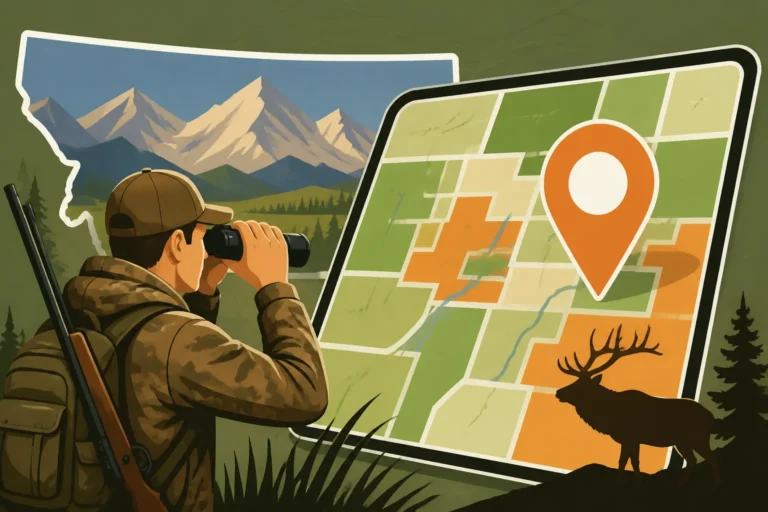
It's crucial to distinguish between active roads, seasonal closures, and designated wilderness areas where motorized access is strictly prohibited. For example, some roads might be open during certain parts of the hunting season but closed for wildlife management or during the shoulder seasons due to snow. Using a reliable mapping tool like onX Hunt becomes absolutely indispensable here; it clearly delineates public land boundaries, private inholdings, roads (and their statuses), and trails, helping you avoid accidental trespass and plan your approach. This E-Scouting Montana Hunting Units strategy saves invaluable time and prevents frustrating dead ends in the field, allowing you to identify potential parking areas, trailheads, and areas that might funnel game.
Top Game Species and How to Hunt Them in the Sapphires
The Sapphire Mountains are a big game hunter's paradise, offering excellent opportunities for elk, mule deer, and whitetail deer, along with a healthy population of black bears. Each species demands a slightly different approach, but understanding their habits within this specific terrain is key.
Elk Hunting Strategies
Elk are arguably the most sought-after species in the Sapphires, and for good reason—this range consistently produces opportunities. When hunting elk in the Sapphire Mountains, you need to think about their relationship with cover, water, and elevation. In the early archery season, especially during the rut, bulls are often vocal, and knowing how to call elk in Montana can be incredibly effective. Focus your efforts on north-facing slopes, where the timber is usually thicker and holds moisture, providing cooler bedding areas. These areas also often feature benches and subtle terrain features that elk use to navigate the steep country.
As the season progresses and hunter pressure mounts, elk will readily retreat into the deepest, nastiest dark timber and roadless areas. This is where your fitness and willingness to get off the beaten path truly pay off. Spot-and-stalk tactics can be highly effective, especially in more open parks or subalpine burns, but often you'll find yourself still-hunting slowly through timber. Understanding thermals—how air moves up and down drainages with the rising and setting sun—is critical when How to Use Thermals in Montana Elk Country to avoid busting wary elk. The Sapphire Mountains offer excellent opportunities for a Montana Backcountry Hunting Guide adventure if you're prepared for the physical demands.
Mule Deer and Whitetail Deer Tactics
The Sapphire Mountains provide diverse habitat for both mule deer and whitetail deer, often within the same general area, though their preferred niches differ. Mule deer typically inhabit the higher, more open ridges, sun-drenched south-facing slopes, and scattered timber patches throughout the mid to upper elevations. They are creatures of wide-open spaces and often rely on their eyesight to detect danger, making spot-and-stalk Montana Mule Deer Hunting: Spot-and-Stalk Tactics a primary strategy. You'll spend a lot of time glassing these slopes, looking for the tell-tale horizontal line of a deer's back or the glint of an antler among the trees. During the late season, as snow pushes them down, they may concentrate in lower, brushier south-facing slopes to conserve energy.
Whitetail deer, on the other hand, are more commonly found in the lower elevations, particularly along the fertile river bottoms of the Bitterroot and Rock Creek drainages, and in the timbered draws and brushy creek bottoms adjacent to agricultural fields. They prefer dense cover and often use thickets and riparian zones for bedding and security. Hunting whitetail in these areas often involves still-hunting slowly through timber, setting up tree stands, or utilizing ground blinds along known travel corridors or pinch points. If you're hunting in the lower river bottoms, understanding How to Hunt Whitetail in Montana River Bottoms can significantly increase your odds.
Black Bear and Other Opportunities
Black bears are also prevalent throughout the Sapphire Mountains, offering exciting hunting opportunities, particularly during the spring and fall. In the spring, bears emerge from hibernation and seek out the first green-ups on south-facing slopes, often at lower to mid-elevations. These green pockets, where new grasses and forbs appear, are prime areas to glass for bears. Hunting Montana Spring Black Bear often involves long hours behind binoculars, patiently scanning these slopes.
In the fall, bears transition to feeding on berries, acorns, and other mast crops, which can be found across various elevations. Focus on areas with huckleberry bushes or other fruit-bearing shrubs. Beyond bears, the Sapphires are home to ruffed and blue grouse, providing a fantastic upland bird opportunity if you want to extend your hunt or bring a shotgun. While less common and requiring special limited-entry permits, there are also opportunities for mountain lions and even very limited moose tags in certain hunting districts within or adjacent to the Sapphires. Always check the current Montana Hunting Seasons Explained for regulations specific to these less common species.
Essential Preparation for a Sapphire Mountains Hunt
Hunting in the Sapphire Mountains is a rewarding experience, but it demands thorough preparation. This isn't a casual stroll; it's a commitment to rugged country, and being ready for anything is what separates a successful, enjoyable hunt from a miserable one.
Gear and Physical Fitness
The Sapphire Mountains will test your gear and your body. First and foremost, invest in high-quality, broken-in hunting boots. You'll be covering miles over uneven, steep, and potentially wet or snowy terrain. Blisters or inadequate ankle support can quickly end a hunt. Layered clothing is non-negotiable, as weather can shift dramatically from crisp mornings to warm afternoons, or from sunshine to sudden snow squalls. Think moisture-wicking base layers, insulating mid-layers, and a waterproof/windproof outer shell. A reliable backpack, ideally 45-65 liters for day hunting or even larger for multi-day backcountry trips, is essential for carrying your essentials, optics, food, water, and hopefully, meat. A Montana Backcountry Hunting Gear List is a must-have checklist before you even leave home.
Equally important is your physical condition. The elevation changes in the Sapphires are constant and unforgiving. You'll be climbing steep grades, dropping into drainages, and navigating thick timber, often at elevations ranging from 4,000 to over 8,000 feet. Start a fitness regimen months before your hunt, focusing on cardiovascular endurance, leg strength, and carrying a weighted pack up and down hills. If you're coming from sea level, give yourself a day or two to acclimate to the higher elevation before tackling strenuous climbs. Consider a dedicated How to Physically Prepare for a Montana Elk Hunt plan to ensure you're ready for the rigors of mountain hunting.
Navigation and E-Scouting
In a vast and often roadless area like much of the Sapphire Mountains, reliable navigation is paramount. A GPS device or a smartphone with a robust hunting app like onX Hunt is essential. Don't solely rely on cell service; download offline maps before you go. These apps allow you to view public/private land boundaries, topographical maps, forest service roads, and trails, helping you plan your route, mark points of interest, and stay found. Many experienced hunters also carry a traditional compass and paper map as a backup, especially when heading deep into wilderness areas.
Before you ever set foot in the mountains, dedicate significant time to e-scouting. Use satellite imagery on your chosen mapping platform to identify potential bedding areas (dark timber), feeding areas (open parks, clearcuts, south-facing slopes), water sources, and natural travel corridors like saddles and creek bottoms. Look for areas with a good mix of cover and forage, and think about how animals would move through the terrain given different winds and hunter pressure. Websites like GoHunt provide valuable insights into specific hunting districts, including draw odds, harvest statistics, and detailed maps, helping you narrow down your focus and develop a targeted plan. E-Scouting Montana Hunting Units can save you days of unproductive hiking once you're on the ground.
Understanding Regulations and Season Dates
Montana has a complex but well-structured set of hunting regulations, and it's critical to understand them thoroughly before your Sapphire Mountains adventure. Each year, Montana Fish, Wildlife & Parks (FWP) publishes a new hunting regulations booklet, which is available online and at license vendors. You need to identify the specific hunting districts that encompass the areas you intend to hunt within the Sapphire Mountains. These districts dictate everything from season dates (archery, general rifle, muzzleloader), legal species, antler restrictions (e.g., "brow-tined bull" or "either-sex" tags), and any special permit requirements.
For non-residents, drawing a Montana Combination License Explained is often the first step, and understanding the application timelines and preference point system is vital. Some areas within the Sapphires might require specific limited-entry permits for certain species or antlerless opportunities, which are acquired through a separate draw. Always double-check general season dates for rifle and archery, ensuring your hunt aligns with legal periods. Be aware of any special rules for Block Management Areas if you plan to utilize them. Ignorance of the law is no excuse, so invest the time to read the regulations cover-to-cover and clarify any uncertainties with FWP directly.
Navigating Challenges and Maximizing Success
Hunting in the Sapphire Mountains is never without its challenges. From dealing with other hunters to unpredictable weather, a successful trip often comes down to how well you anticipate and respond to these variables.
Dealing with Hunter Pressure
Given the reputation for quality hunting, particularly for elk, the more accessible areas of the Sapphire Mountains can see significant hunter pressure, especially during the opening week of the general rifle season and throughout the elk rut in archery season. This can be a real buzzkill, but it doesn't mean your hunt is over. Wary elk and deer will quickly adapt to pressure by moving into thicker cover, going deeper into roadless areas, or shifting their activity patterns to nighttime.
To combat this, be prepared to walk further than most. Consult your onX Hunt app or paper maps to identify roadless blocks or areas with difficult access that might deter casual hunters. Often, getting just a mile or two off a main road or popular trail can significantly reduce the competition. Consider hunting during weekdays if possible, as weekends often see a spike in activity. Employing strategies like How to Hunt Montana Public Land Pressure means being willing to go where others aren't, often translating into more undisturbed animals and better opportunities.
Weather Variability and Safety
The weather in the Montana mountains is famously unpredictable, and the Sapphire Mountains are no exception. A clear, crisp morning can quickly turn into a full-blown snowstorm, even in September or October. Expect radical temperature swings, rain, snow, and strong winds. Always pack for the worst-case scenario, even if the forecast looks mild. This means having extra layers, waterproof outerwear, emergency shelter (like a bivy sack), fire starting tools, and enough food and water for an extra day or two.
Beyond weather, mountain hunting inherently carries risks. Be bear aware; both black bears and grizzlies are present in various parts of Montana. Carry bear spray and know how to use it. Be mindful of steep terrain, loose rock, and crossing swollen creeks. Always let someone know your detailed hunting plan, including your intended route, expected return time, and a bail-out plan. A satellite communication device like a Garmin inReach or Zoleo is a wise investment for communicating out of cell service and for emergency signaling. Your safety is paramount.
Field Care and Pack Out
Harvesting an animal in the rugged Sapphire Mountains is just the beginning of the real work. Proper field care is critical to preserving the meat, especially during warmer early seasons. Learn how to quarter an animal efficiently and quickly in the field. Removing the hide, gutting, and quartering the animal helps it cool down rapidly, preventing spoilage. If you're hunting solo, understanding How to Pack Out Elk Meat Solo in Montana is vital, as you'll likely be making multiple trips with heavy loads over challenging terrain.
Having game bags is a non-negotiable item for protecting your meat from flies and debris. Plan your pack-out route carefully, considering terrain, water sources, and the easiest path back to your vehicle or camp. This is another area where a good map and GPS come in handy, allowing you to mark the kill site and plot a strategic return. The effort involved in packing out a bull elk from a steep drainage can be immense, but the reward of filling your freezer with wild game is more than worth it.
| Game Species | Typical Habitat | Primary Hunting Methods | Best Time to Hunt | Key Challenges |
|---|---|---|---|---|
| Elk | Steep, timbered slopes; north-facing dark timber; subalpine basins | Spot-and-stalk, calling, still-hunting | Archery Rut (Sept-Oct), General Rifle | Deep timber, pressure, physical demand |
| Mule Deer | Open ridges, south-facing slopes, scattered timber, high country | Spot-and-stalk, glassing, still-hunting | Early Archery, General Rifle, Late Season | Eyesight, difficult to approach |
| Whitetail Deer | River bottoms, lower elevation timber, brushy creek bottoms | Still-hunting, tree stands, ground blinds | General Rifle (especially during rut) | Dense cover, less visible |
| Black Bear | South-facing green-ups (spring); berry patches (fall) | Spot-and-stalk, glassing | Spring (May-June), Fall (Sept-Nov) | Locating food sources, dense cover |
Disclaimer
Please note that hunting regulations, season dates, and access can change. Always consult the most current Montana Fish, Wildlife & Parks (FWP) regulations and local land management agency rules before planning any hunting trip. This guide is for informational purposes only and does not replace official regulations.