Gravelly Range Hunting Guide
The Gravelly Range in Montana presents a truly unique challenge for hunters, often feeling like a vast, unyielding wilderness where finding reliable information can be as tough as scaling a steep ridge. Many folks are drawn to its promise of big game, especially elk and mule deer, but they quickly discover that success here isn't handed out easily. This guide aims to cut through the noise, offering an in-depth look at how to approach hunting the rugged Gravelly Range, from understanding its complex landscape to mastering effective strategies and preparing adequately for a rewarding hunt.
Understanding the Gravelly Range Hunting Landscape
The Gravelly Range, nestled in southwestern Montana, isn't just another mountain range; it's a vast expanse of high-elevation plateaus, timbered draws, and open sagebrush parks that demands respect and a solid plan. For many hunters, just understanding where to begin can be the biggest hurdle. This is public land hunting at its finest, but it comes with its own set of navigational and strategic challenges.
Geographic Overview and Access Points
The Gravelly Range is part of the Beaverhead-Deerlodge National Forest, sprawling roughly 40 miles north to south between the Ruby and Madison Valleys. Its distinct high-country plateaus, often sitting above 9,000 feet, gradually descend into lower elevation timber and brush. Accessing these areas can be tricky. While the main Gravelly Range Road (Forest Road #100) cuts through the heart of it, offering a backbone for exploration, many of the best hunting spots require venturing off this well-traveled path. Side roads, often rough and requiring high-clearance 4×4 vehicles, lead into drainages and offer starting points for foot or horseback travel.
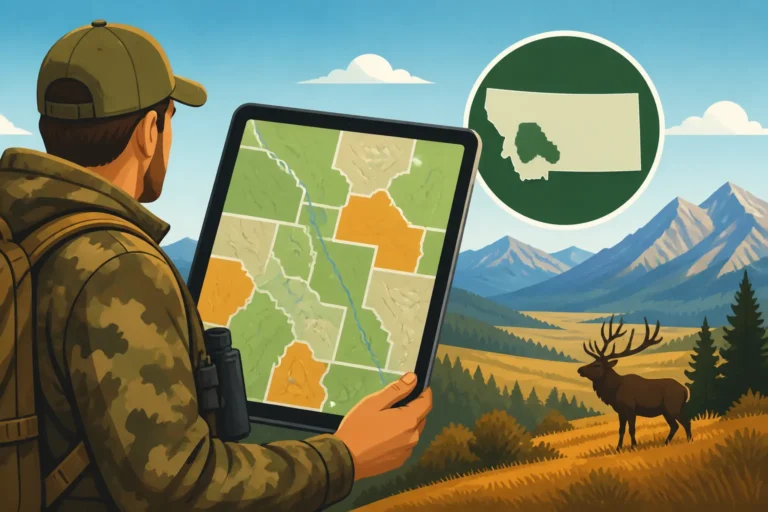
You’ll find trailheads scattered along these roads, leading into designated wilderness study areas or simply deeper into roadless sections of the national forest. Knowing these entry points is crucial. For example, some of the eastern slopes drop into the Madison Valley, while the western side often leads into the Ruby Valley. It’s a mosaic of terrain, from open, windswept ridges perfect for glassing to thick, north-facing timber pockets where elk seek refuge. Understanding the lay of the land, especially during different seasons, is paramount. Hunters frequently utilize mapping apps like onX Hunt to identify roads, trails, and public land boundaries, which are constantly shifting in their accessibility depending on snowpack and seasonal closures.
Primary Game Species and Their Habitat
When you talk about hunting the Gravelly Range, you're primarily talking about elk and mule deer, though black bears are also present. The habitat diversity within the range creates specific challenges and opportunities for each species.
Elk in the Gravelly Range are often found higher up during the early archery season, frequenting the timbered pockets bordering open parks on the plateaus. As hunting pressure mounts or snow pushes in, they’ll move into denser timber, seeking cover and security. Later in the season, you might find them migrating down to lower elevations, utilizing more sheltered valleys and south-facing slopes. These animals are masters of using the terrain to their advantage, often disappearing into the dark timber only to reappear miles away. Their movements are often dictated by feed, water, and most importantly, pressure. Knowing how to locate elk on Montana public land means understanding these patterns deeply.
Mule deer, on the other hand, are often more visible in the open sagebrush and scattered timber of the foothills and lower elevations, especially during the general rifle season. However, big bucks will also seek out high-elevation pockets of timber and steep, rocky terrain for sanctuary. Their seasonal movements are also influenced by forage availability and weather, with many bucks moving into lower winter ranges as snow deepens. You’ll spend a lot of time glassing for mule deer in Montana, scanning vast expanses with your optics. Both species require different approaches, but a common thread is their reliance on rugged, difficult-to-access terrain to escape human activity.
Navigating Public vs. Private Land
Montana is known for its vast public lands, and the Gravelly Range is no exception, being largely composed of national forest. However, a hunter’s frustration can quickly mount when encountering checkerboard land ownership. Interspersed with the public lands are private ranch holdings, which can complicate access and navigation. While the national forest offers incredible opportunities, knowing exactly where you stand is critical to avoid trespassing.
This is where detailed mapping tools become invaluable. While traditional paper maps are a good backup, digital resources like onX Hunt are essential for real-time boundary identification. These apps clearly delineate public land (typically National Forest, BLM, or State Trust Land) from private property, often showing landowner names. Many hunters leverage the Block Management Program in Montana, which provides public hunting access to private lands, often in areas adjacent to or intermingled with the Gravelly Range. While not directly within the high-country national forest, these areas can be crucial for accessing lower-elevation game or for hunters who didn't draw a premium permit. Understanding how to use Block Management for DIY hunts can significantly expand your hunting opportunities beyond the pure national forest. Always double-check current year regulations and access details, as these can change annually.
Strategies for Hunting Elk and Deer in the Gravelly Range
Hunting the Gravelly Range isn't about walking around until you bump into an animal. It's a strategic game of chess against intelligent prey in unforgiving terrain. Your approach needs to adapt not only to the species you're pursuing but also to the specific season and conditions.
Early Season Tactics: Archery and Muzzleloader
Early season in the Gravellys, typically covering archery and muzzleloader seasons, is a completely different beast than the general rifle season. The weather can be hot, the ground dry, and the elk are often still in their summer patterns, frequently higher up. For those looking at a Montana Archery Elk Hunting Guide, this time of year offers unique challenges and rewards.
During archery season, the primary tactic for elk is often a combination of listening for bugles (especially as the rut approaches) and strategic spot-and-stalk hunting. Bulls might be vocal in the pre-rut, allowing you to locate them, but closing the distance in open country can be brutal. You'll want to focus on timbered edges, saddles, and water sources where elk might be moving between feeding and bedding areas. Knowing how to call elk in Montana, especially cow calls and subtle social sounds, can be highly effective in drawing a bull closer if you can get into position. The thick timber on north-facing slopes provides excellent bedding areas, and often the cooler temperatures in these spots are what hold the elk during warmer parts of the day.
For mule deer during the early season, glassing is your best friend. Bucks are often still in velvet, in bachelor groups, and can be found in more open country or high alpine bowls. You’ll want to get to a high vantage point before first light and spend hours systematically picking apart the landscape with quality optics. Once a buck is spotted, a well-executed Montana Mule Deer Hunting: Spot-and-Stalk Tactics approach is key. The dry conditions mean you need to be extra careful with scent and noise, as the forest floor can be crunchy underfoot.
General Rifle Season Approaches
The general rifle season transforms the Gravelly Range. More hunters descend upon the mountains, and elk and deer become significantly warier. This is when game animals become experts at disappearing into the densest cover. Your Montana Rifle Elk Hunting Guide strategies need to shift dramatically.
For elk, the early part of the rifle season might still see some rut activity, but it quickly dissipates. Now, it's about finding sanctuary areas. Elk will often retreat into the thickest, darkest timber pockets on north-facing slopes, especially areas with limited road access or within wilderness study boundaries. Hunters need to be prepared for deep dives into these areas, often several miles from the nearest road. Still-hunting through timber, moving slowly and deliberately, pausing frequently to listen and observe, becomes a vital skill. Also, identifying escape routes and natural funnels where elk might travel under pressure can provide ambush opportunities. Hunting the Gravelly Range during the general season means understanding how to hunt elk in Montana's wilderness, utilizing patience and physical endurance to access less-pressured areas.
Mule deer during general rifle season in the Gravellys might be found in diverse habitats. Early snows can push them down from the highest elevations into lower timbered draws or sagebrush flats. Glassing remains crucial, but covering ground effectively and strategically positioning yourself to intercept deer moving between bedding and feeding areas is also important. Knowing the bedding habits of big mule deer bucks, such as where they prefer to hide on steep, broken terrain, will significantly increase your chances. The increase in hunter traffic means that deer that were once visible will now be using every dip and swale for cover.
Late Season Opportunities
While the Gravelly Range doesn't have an extended late rifle season like some areas, understanding the dynamics of late-season opportunities within the existing framework is crucial. This typically refers to the tail end of the general rifle season or any specific late-season antlerless opportunities that might arise.
As winter truly sets in, often with significant snowfall, elk and mule deer will begin their migration to lower winter ranges. These movements can offer incredible hunting opportunities, but they are highly weather-dependent. A sudden, heavy snowfall can push animals off the high plateaus and into more accessible areas. However, these movements are often quick, and being in the right place at the right time requires diligent scouting and monitoring of weather patterns. Focusing on lower elevation winter ranges, especially south-facing slopes that melt off quicker and offer forage, can be productive. Keep an eye on the transition zones between high summer range and winter range. This time of year often requires specialized gear for colder weather, and the ability to pack out an elk in Montana can become even more challenging with snow and ice. Always check the Montana Elk Season Dates Guide to ensure you're hunting within legal timeframes and specific unit regulations for any late opportunities.
Essential Gear and Preparation for a Gravelly Range Hunt
Hunting the Gravelly Range is not for the ill-prepared. The terrain is rugged, the weather unpredictable, and the distances can be deceiving. Having the right gear and being physically ready are just as important as your hunting strategy. This isn't a walk in the park; it's a test of endurance and preparation.
Optics and Navigation Tools
Quality optics are not just a luxury; they are a necessity in the vast landscapes of the Gravelly Range. A good pair of binoculars (10×42 or 12×50 are popular choices) with a comfortable harness is critical for hours of glassing. You'll want a spotting scope (20-60x or 15-45x) paired with a sturdy tripod for picking apart distant hillsides and confirming species and antler size. Rangefinders are also indispensable for accurate shot placement in this mountainous terrain, especially for hunters trying to judge distance in Montana's mountains. Investing in top-tier glass from brands like Swarovski, Zeiss, or Vortex will pay dividends.
For navigation, a reliable GPS unit or a smartphone with a robust hunting app is non-negotiable. As mentioned earlier, onX Hunt is almost universally used by serious hunters in Montana. It provides detailed satellite imagery, topo maps, land ownership boundaries, and records your tracks, helping you avoid getting lost and staying on public land. Downloading offline maps is crucial, as cell service is nonexistent in many parts of the Gravelly Range. A traditional compass and paper map, especially a detailed topographical map of the specific hunting district, should always be carried as a backup. Understanding how to E-Scout Montana Hunting Units before you even leave home will give you a significant advantage, identifying potential bedding areas, water sources, and travel corridors from your couch using these same digital tools.
Physical Conditioning and Backcountry Readiness
The Gravelly Range is physically demanding. You'll be climbing steep slopes, navigating uneven terrain, and potentially covering many miles with a heavy pack. Physical conditioning is not just about comfort; it's about safety and success. Start a rigorous fitness plan months before your hunt. This should include cardiovascular exercises like hiking with a weighted pack, stair climbing, and strength training focused on your legs and core. Check out a detailed Montana Elk Hunt Fitness Plan for specific routines.
Beyond physical fitness, mental toughness and backcountry readiness are vital. This includes knowing basic first aid, how to signal for help, and carrying appropriate survival gear. A well-stocked Montana Backcountry Hunting Gear List is essential, including items like a water filter, fire starter, emergency shelter, and sufficient food. You need to be prepared to spend an unexpected night out if something goes wrong. Understanding how to pack for a Montana backcountry hunt will ensure you have what you need without overpacking, which can lead to unnecessary fatigue.
Camp Setup and Logistics
Your camp setup in the Gravelly Range will vary depending on your hunting style and duration. For hunters venturing deep into the backcountry for several days, a lightweight spike camp or a true backpacking setup is usually the way to go. Tents need to be durable and able to withstand strong winds and potential snowfall, even in early archery season. A good sleeping bag rated for colder temperatures than you expect is a wise investment, as mountain nights can drop quickly.
For those planning to hunt closer to roads or utilizing base camps, more comfortable options are available. Many hunters use wall tents or truck campers at accessible trailheads. Even with a base camp, you'll still need a day pack for your daily forays into the field. Think about water sources; while many creeks run through the Gravellys, some areas can be dry, especially in late summer. Plan to carry enough water or have reliable filtration. Food, cooking gear, and lighting are also important considerations. Remember, the goal is to be comfortable enough to recover each night, but light enough to be mobile and effective during the day.
Overcoming Challenges and Maximizing Success
Hunting the Gravelly Range is rarely easy, but recognizing common challenges and having strategies to overcome them can drastically improve your chances of success. It's about being adaptable, resilient, and always learning.
Dealing with Hunter Pressure
One of the biggest frustrations in popular hunting areas like parts of the Gravelly Range is hunter pressure. Especially during the general rifle season, you'll encounter other hunters, ATVs, and vehicles on main roads and popular trailheads. This pressure often pushes game into harder-to-reach, denser cover.
To combat this, you need to be willing to go where others won't. This often means embracing a Montana Backcountry Hunting Guide mentality – physically getting miles away from roads and popular access points. If you encounter ATV traffic, consider it a sign to lace up your boots and head deeper. Focusing on wilderness study areas or units with difficult terrain and limited road access can provide a sanctuary for animals and less competition for you. Using your onX Hunt app to identify remote drainages and roadless areas is a fantastic start. Sometimes, simply hunting during the week instead of on weekends can significantly reduce pressure. Remember that elk and deer, particularly big bulls and bucks, learn to avoid easy-access areas very quickly.
Weather Considerations and Adaptability
Montana weather, especially in the mountains, is notoriously unpredictable. A warm, sunny morning can quickly turn into a freezing rain or snowstorm. This variability demands adaptability and preparation. Always check the forecast before heading out, but be prepared for anything.
Carry appropriate layers of clothing, including waterproof outerwear, even if the forecast looks clear. Hypothermia is a real danger in the mountains. Wind is another significant factor in the Gravellys, especially on the exposed plateaus, making effective glassing challenging and increasing wind chill. Use terrain features for shelter when glassing or setting up for a stalk. Early season heat can spoil meat quickly, requiring immediate field dressing and cooling. Later in the season, snow can either make tracking easier or make travel incredibly difficult. Pay close attention to thermals in Montana elk country, as shifting winds can quickly give away your position. Having a flexible hunting plan that can adapt to sudden weather changes is crucial for safety and success.
Post-Harvest Logistics
Harvesting an elk or large mule deer in the rugged Gravelly Range is only half the battle; getting the animal out is often the more demanding part. Many hunters underestimate the physical toll and logistical challenges of packing out an animal from remote, steep terrain.
First, you need to know how to quarter an elk in the Montana backcountry efficiently and hygienically. This involves breaking down the animal into manageable pieces, often bone-in quarters, backstraps, and tenderloins. Plan to bring game bags to protect the meat from dirt and flies. Having a strong, comfortable pack designed to handle heavy loads is non-negotiable. If hunting solo, consider how to pack out elk meat solo in Montana – it's a monumental task often requiring multiple trips. If hunting with a partner or group, divide the load strategically. For very remote kills, calling for a packer with horses might be an option, but this needs to be pre-arranged and is often costly. Keeping the meat cool is also vital, especially during early season hunts. Knowing your route back, even if it's arduous, is paramount.
Gravelly Range Hunting Overview
| Factor | Early Archery/Muzzleloader Season (Late Aug – Mid Sep) | General Rifle Season (Late Oct – Late Nov) |
|---|---|---|
| Primary Target | Elk (bugling/rut), Mule Deer (bachelor groups) | Elk (timbered cover), Mule Deer (transitioning) |
| Key Tactics | Spot-and-stalk, calling, high-country glassing | Still-hunting, ambush, finding sanctuary areas, glassing |
| Habitat Focus | High elevation timber/parks, water sources, saddles | Thick timber, north-facing slopes, lower elevation draws |
| Hunter Pressure | Lower, but increasing with pre-rut activity | High, especially near roads and accessible areas |
| Weather | Warm days, cool nights; potential for early snow | Cold, snow, wind; highly variable |
| Access Needs | Foot/horseback for deep access, high-clearance roads | Foot/horseback for deep access, high-clearance roads |
| Gear Focus | Lightweight camp, quality optics, calls, game bags | Layered clothing, durable boots, heavy-duty pack, optics |
Disclaimer
Always consult the official Montana Fish, Wildlife & Parks (FWP) regulations for the most current and accurate information regarding season dates, licensing requirements, and specific hunting district rules. Regulations can change annually, and it is the hunter's responsibility to be fully informed before heading afield.