Montana Region 2 Hunting Guide
Navigating the vast and varied landscapes of Montana for hunting can feel like deciphering an ancient map, especially when you're trying to pinpoint specific opportunities within a designated region. It’s easy to get overwhelmed by the sheer size and the seemingly endless regulations. This guide is here to break down everything you need to know about hunting in Montana's Region 2, also affectionately known as the Western Region or Region Two, making your planning less daunting and your time in the field more productive.
Understanding Montana's Region 2 Geography and Habitat
Region 2, often referred to as the Missoula/Bitterroot region by those of us who live and hunt here, is a truly spectacular and incredibly diverse part of Montana. For many hunters, it embodies the classic image of "Big Sky Country" – rugged mountains, vast forests, and crystal-clear rivers. But it's also a region that demands respect and thorough preparation.
Geographic Boundaries and Key Cities
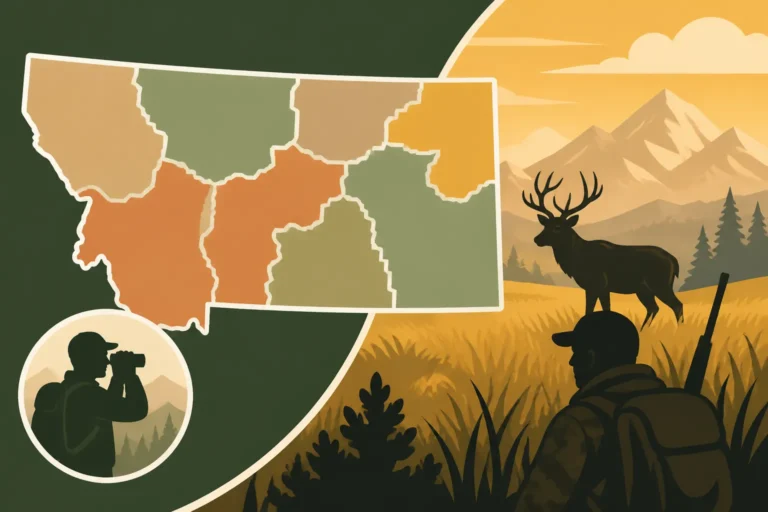
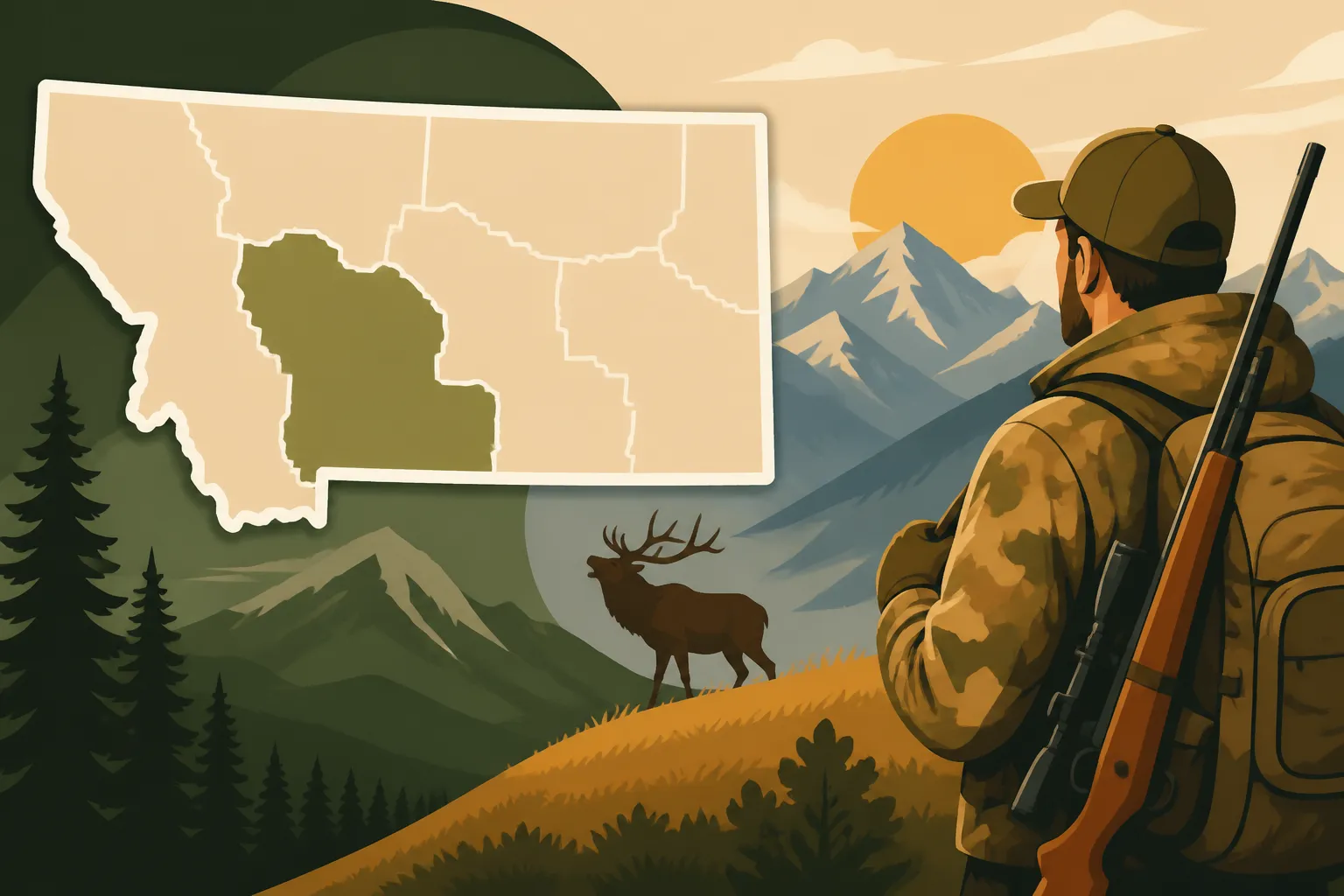
Montana Fish, Wildlife & Parks (FWP) Region 2 is primarily located in the western part of the state. It stretches from the Continental Divide westward to Idaho and from the Idaho border north to the Canadian border, roughly encompassing the southwestern quarter of Montana. This means we're talking about a significant chunk of land that includes counties like Missoula, Ravalli, Lake, Mineral, Sanders, Lincoln, and parts of Flathead County.
The major cities and towns you'll likely encounter or use as a base camp in Region 2 include Missoula, Hamilton, Kalispell, Libby, Thompson Falls, and Polson. Missoula, in particular, often serves as a central hub for hunters due to its access to various hunting districts and services. When you look at a map, you'll immediately notice the prominent mountain ranges that define this area: the Bitterroot Mountains along the Idaho border, the Sapphire Mountains to the east of the Bitterroot Valley, the Mission Mountains near Flathead Lake, and the vast expanses of the Cabinet Mountains and Salish Mountains further north. These aren't rolling hills; these are serious, steep, timbered mountains, often with elevations climbing well over 8,000 feet. Understanding these geographic markers is your first step in learning how to choose a Montana hunting district in this challenging but rewarding region.
Diverse Habitats and Ecosystems
The habitat diversity in Region 2 is what makes it so rich for hunting, but also what makes it so complex. You'll find everything from dense, dark timber stands of lodgepole pine, Douglas fir, and spruce in the higher elevations to open, grassy parks and clear-cuts. As you descend, you’ll encounter mixed conifer forests, aspen groves, and eventually riparian zones along the major rivers like the Bitterroot, Clark Fork, and Flathead, which are characterized by cottonwood, willow, and thick brush.
The higher elevations and north-facing slopes often hold mature timber, providing crucial thermal and security cover for elk and deer. These areas can be incredibly challenging to navigate, with steep grades, downed timber, and thick undergrowth, but they are also where the big game often seeks refuge, especially as hunting pressure mounts. Lower elevations, particularly around the river bottoms and agricultural interfaces, provide different opportunities, especially for whitetail deer who thrive in these environments. The large tracts of wilderness and national forest within Region 2 mean that understanding these varied ecosystems is critical for successful big game hunting.
Big Game Hunting Opportunities in Region 2
When it comes to big game, Region 2 is a dream for many, but it's not a walk in the park. The sheer size of the public land holdings means there's ample room to roam, but success often comes down to hard work, patience, and knowing where to look.
Elk Hunting in Region 2
Elk hunting in Region 2 is truly a testament to the rugged, wild spirit of Montana. This region boasts some strong elk populations, particularly in the vast national forests like the Lolo National Forest, Bitterroot National Forest, and Flathead National Forest. However, these aren't your typical open country, spotting-and-stalking elk hunts often associated with other parts of the West. Here, elk are predominantly timber animals. They live in thick cover, often at higher elevations, and their ability to vanish into a maze of trees is legendary.
Hunters often employ methods like still-hunting, slow methodical pushes through timber, and calling tactics, particularly during the archery season. If you're planning an archery hunt, being proficient at calling elk in Montana is a huge advantage. Expect steep climbs, dense brush, and physical exertion. Many of the prime elk hunting districts in Region 2 are permit-only for antlered elk, especially for bulls, making drawing a coveted tag a significant challenge for both residents and nonresidents. However, general antlerless elk tags are often available in some districts, offering excellent meat hunting opportunities. If you're looking for a serious challenge and a truly wild elk experience, this region delivers. You'll want to check out our detailed Montana Elk Hunting Guide for broader strategies, but specific to Region 2, expect heavy timber and a need for excellent woodsmanship.
Deer Hunting in Region 2: Mule Deer and Whitetail
Region 2 offers fantastic deer hunting for both mule deer and whitetail, each thriving in distinct habitats.
Whitetail Deer Hunting
The river bottoms and lower-elevation agricultural areas are whitetail heaven. The thick cover provided by cottonwood galleries, willow thickets, and dense riparian vegetation along the Bitterroot, Clark Fork, and Flathead Rivers creates perfect habitat for these cunning creatures. Whitetail here can grow impressively large, and their elusive nature makes them a thrilling quarry. Hunting methods often involve sitting in strategic locations near food sources or travel corridors, still-hunting through river breaks, or slow drives in thick cover. Understanding whitetail deer behavior, especially their tendency to stick to heavy cover, is key. Our Montana Whitetail Deer Hunting Guide provides more general tactics that are highly applicable to Region 2's river bottoms. Many districts in Region 2 offer general whitetail tags, both antlered and antlerless, making them a more accessible option compared to some elk tags.
Mule Deer Hunting
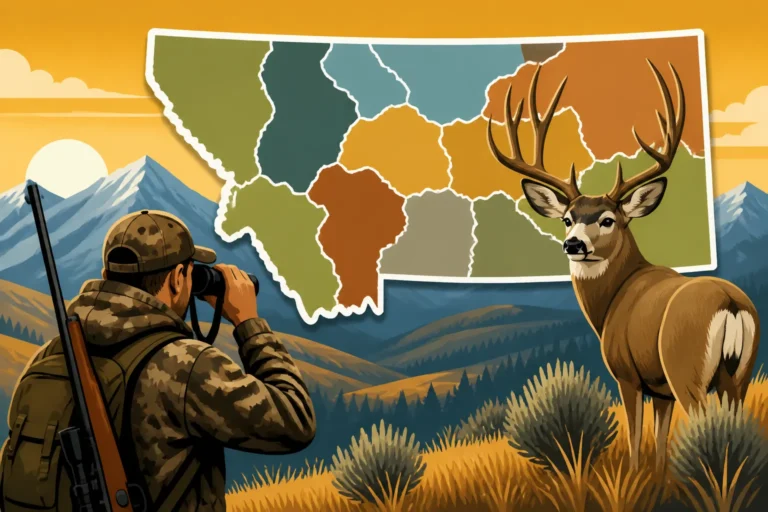
While whitetail dominate the lower elevations, mule deer are typically found higher up, in the more open, broken country, often interspersed with pockets of timber. They favor the steep, rocky slopes, sagebrush draws, and subalpine forests. Finding mule deer in Region 2 often involves a lot of glassing from high points, covering vast areas with quality optics, and then executing a precise spot-and-stalk approach.
Hunting the high country for mule deer requires physical fitness and a keen eye for spotting deer camaflouged against rugged terrain. While there are some general mule deer opportunities, some of the trophy mule deer districts might require special permits, particularly for bucks. For a deeper dive into hunting these majestic animals, you might want to read our Montana Mule Deer Hunting Guide, keeping in mind that the terrain in Region 2 adds an extra layer of difficulty to any western hunt.
Other Species: Bear, Moose, and Mountain Lion
Region 2 also offers opportunities for other impressive big game species, though often with much stricter regulations or more challenging hunts.
Black Bear Hunting
Black bear hunting is popular in Region 2, with both spring and fall seasons. Bears are abundant in the heavily timbered drainages and mountainous areas, often seeking out berry patches in the fall or fresh green growth in the spring. Hunters typically pursue bears by spot-and-stalk tactics in open clear-cuts or by baiting, where legal. Keep in mind that specific licenses are required, and quotas can apply. Our Montana Black Bear Hunting Guide can give you a head start on planning for these hunts.
Moose Hunting
Moose are a true trophy species in Montana, and Region 2 does hold populations, particularly in the northern parts of the region and in the high country. However, moose tags are extremely difficult to draw, often requiring many years of accumulated bonus points. It's truly a once-in-a-lifetime hunt for most. If you're interested in pursuing this majestic animal, you'll need to understand the nuances of the draw system, as detailed in our Montana Moose Hunting Guide.
Mountain Lion Hunting
Mountain lion hunting is another challenging but rewarding pursuit in Region 2. Lions thrive in the same rugged, timbered terrain that holds deer and elk, as these are their primary prey. Most lion hunts are conducted with hounds, though some brave souls attempt spot-and-stalk or calling methods. Tags are available over the counter, but harvest quotas are managed carefully within specific hunting districts, and seasons can close abruptly once quotas are met. For those seeking this ultimate predator, researching our Montana Mountain Lion Hunting article is a great starting point.
Navigating Public Land and Access in Region 2
One of the greatest appeals of hunting in Montana, and especially in Region 2, is the sheer amount of public land available. However, knowing how to navigate it and effectively access it is paramount.
National Forests and Wilderness Areas
Region 2 is dominated by vast tracts of national forest land, including the Lolo National Forest, Bitterroot National Forest, and Flathead National Forest. These lands are largely open to public hunting and offer incredible opportunities for backcountry hunting. They contain vast roadless areas and designated wilderness areas, such as significant portions of the Bob Marshall Wilderness and the northern reaches of the Selway-Bitterroot Wilderness.
Hunting in these wilderness areas means embracing a true backcountry experience. You’ll need to be self-sufficient, capable of navigating challenging terrain, and prepared for pack-in, pack-out hunts. This often involves horseback hunting or extended backpacking trips, demanding specialized gear and a high level of physical fitness. Our Montana Backcountry Hunting Guide dives deep into what it takes to tackle these remote areas. Relying on paper maps, a GPS, and digital mapping apps like onX Hunt is absolutely critical for staying on track and understanding land ownership boundaries. These tools help identify not only public land but also potential access points, trailheads, and terrain features that could hold game.
Block Management and State Lands
While national forests are the backbone of public access in Region 2, don't overlook Block Management Areas (BMAs) and State Trust Lands. Block Management is a cooperative program between FWP and private landowners, opening up private lands to public hunting. While the more timbered, mountainous areas of Region 2 might have fewer BMAs compared to the eastern plains, they can still offer excellent opportunities, particularly for deer and sometimes elk, especially during the general rifle season.
It's crucial to check the FWP website for the most up-to-date BMA maps and rules, as they change annually. Some BMAs require sign-in at a kiosk, while others require advance permission or a specific hunting schedule. Similarly, Montana State Trust Lands are generally open to public hunting with a valid State Land Use License (often included with your hunting license), but it's important to understand the specific rules and access points, as some parcels can be landlocked or have unique stipulations. Knowing how to use Block Management Areas effectively can unlock additional prime hunting territory.
Essential Tools for Access
In a region as vast and diverse as Region 2, modern technology is your best friend. Gone are the days of relying solely on paper maps, though a physical map is always a good backup. Digital mapping applications like onX Hunt are indispensable for navigating these landscapes. With onX Hunt, you can instantly see property boundaries, identify public vs. private land, locate roads, trails, and water sources, and even scout terrain features from your phone or GPS device. This is particularly vital when you're hunting near the edges of national forest or state lands, ensuring you stay legal and respectful of private property.
Another valuable resource, especially for nonresidents trying to understand draw odds and unit specifics, is GoHunt. Their Insider membership provides detailed draw odds, unit analyses, and harvest data that can significantly aid in planning your application strategy for those coveted limited-entry permits in Region 2. For hunters committed to DIY success, these tools transform uncertainty into actionable intelligence.
Season Dates, Licenses, and Draw Considerations for Region 2
Understanding the licensing and draw system for Montana, and specifically how it impacts Region 2, is perhaps the most challenging aspect for many hunters. Montana's system has its quirks, and Region 2 is no exception.
General vs. Permit Units
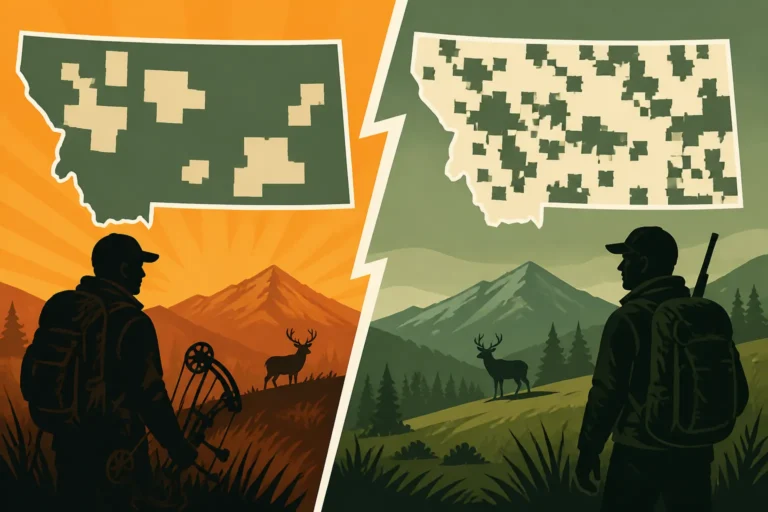
Montana operates on a system where some hunting districts are "general" units, meaning you can hunt them with a general hunting license, while others are "permit" units, requiring a successful draw for a specific limited-entry permit. In Region 2, many of the most desirable elk hunting units, especially for bulls, operate under a permit system. This is often due to managing herd health, trophy potential, or hunter crowding.
This distinction is critical. If you're a nonresident applying for a combination license, you'll get a general elk tag, but that general tag might only be valid in a handful of limited opportunity districts within Region 2, or for antlerless elk only in other general districts. To hunt the "premier" bull units, you'll need to apply for a separate permit, which is a gamble with often very long odds. Our Montana General vs Permit Tags Explained guide offers a broader perspective on this system. It's vital to research the specific hunt codes for the districts you're interested in to understand exactly what type of tag is required and what your chances are.
Nonresident Considerations and Draw Odds
For nonresident hunters, Montana's draw system can be particularly complex and competitive. Nonresidents typically need to apply for a nonresident combination license (Elk Combo, Deer Combo, or Big Game Combo), which includes a base license, conservation license, and an elk and/or deer tag. The deadline for these applications is usually April 1st.
To increase your chances of drawing a limited-entry permit, Montana uses a preference point system for deer and elk licenses and a bonus point system for other species like moose and sheep. In Region 2, drawing a limited-entry bull elk permit as a nonresident often requires many accumulated preference points. For instance, some of the highly sought-after districts for trophy bulls might require 10+ preference points, while others might be obtainable with fewer. Understanding how Montana preference points work is crucial for long-term planning.
This is where resources like GoHunt become invaluable. Their draw odds calculator and detailed unit information allow you to analyze historical data, understand point creep, and strategize your applications more effectively. Instead of simply guessing, you can make informed decisions about where to apply and how many points you might need. The competition is stiff, but a well-thought-out strategy can certainly improve your odds over time.
Key Considerations for Region 2 Hunting
Here's a quick reference table for some general considerations when planning your Region 2 hunt:
| Species | Primary Habitat in Region 2 | Typical Tag Type (Generalization) | Draw Difficulty (Nonresident) | Notes |
|---|---|---|---|---|
| Elk | Dense timber, high mountains | Often permit for bulls, general for cows | Moderate to Very High | Challenging timber hunting. Physical fitness crucial. Many highly desired units are permit-only. |
| Whitetail | River bottoms, agricultural fringe | General | Low | Excellent opportunities, especially in valleys. |
| Mule Deer | Higher open slopes, broken country | General, some permit for bucks | Low to Moderate | Spot-and-stalk often effective. |
| Black Bear | Timbered mountains, clear-cuts | General | Low | Spring and Fall seasons. Quotas apply. |
| Moose | High country, dense forest | Limited Permit | Extremely High | Tags are rare, require many bonus points. |
| M. Lion | Rugged, timbered terrain | Over-the-counter with quotas | Low (if quotas allow) | Best with hounds. Quotas close units quickly. |
Remember, this table provides generalizations. Always refer to the current Montana FWP regulations for specific district details, season dates, and tag requirements for your chosen hunting district.
Disclaimer
The information provided in this guide is for informational purposes only and is not a substitute for official regulations. Hunting laws and regulations in Montana can change annually. Always consult the most current Montana Fish, Wildlife & Parks (FWP) regulations and official resources before planning and executing any hunting trip.