Montana Waterfowl Hunting
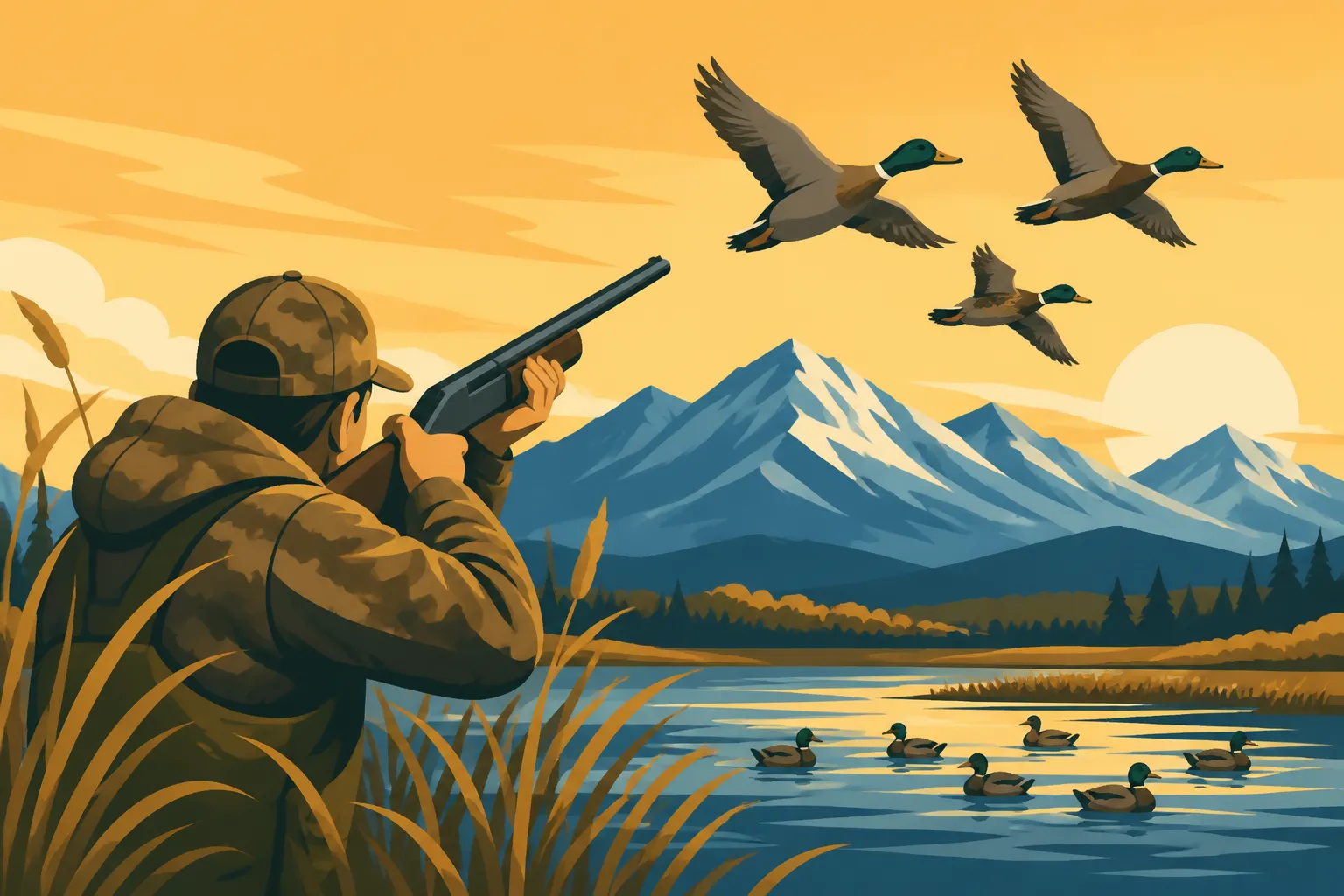
Hunting waterfowl in Montana is an experience unlike any other, offering vast landscapes and diverse opportunities, but it's also fraught with its own set of challenges. From fickle weather patterns that can shift from mild to bone-chilling in hours to finding accessible water on public land, many hunters struggle to pinpoint exactly where and when to set up for success. This comprehensive guide aims to demystify Montana waterfowl hunting, providing you with the knowledge and strategies to navigate the state's unique environment, understand key species, and maximize your time afield.
Understanding Montana's Waterfowl Landscape and Regulations
Montana is a big state, and its diverse geography means a huge variety in waterfowl hunting experiences. You've got the vast plains and agricultural lands of Eastern Montana, crisscrossed by major rivers like the Yellowstone and Missouri, where ducks and geese stage during migration. Then there are the mountain valleys and lakes of Western Montana, offering different types of hunting altogether. Knowing the lay of the land, coupled with understanding the complex state regulations, is your first crucial step toward a successful hunt.
The Dynamics of Montana's Flyways
Montana sits right in the path of the Central Flyway and the Pacific Flyway, making it a critical migratory corridor for a huge number of ducks and geese. This unique position means hunters often get shots at birds coming from different breeding grounds, offering a truly diverse bag. However, this also means bird movements are heavily influenced by weather patterns to the north and south. A warm spell can hold birds up in Canada, while a sudden cold front can push a massive migration through the state in a matter of days. It's a constant puzzle, trying to predict these movements.
On the eastern side of the state, especially along the major river systems and large reservoirs like Fort Peck, you'll see a strong influence from the Central Flyway. Think huge flocks of mallards, pintails, and various geese. Farther west, the mountain valleys and big lakes like Flathead Lake or Canyon Ferry tend to draw more birds associated with the Pacific Flyway, though there's considerable overlap everywhere. Understanding these general patterns can help you narrow down your initial scouting efforts. Resources like GoHunt often provide detailed analysis of migration trends, which can be invaluable for planning.
Navigating Montana's Waterfowl Hunting Regulations
The rules and regulations for waterfowl hunting in Montana can feel like a labyrinth, and staying compliant is paramount. Montana Fish, Wildlife & Parks (FWP) sets the season dates, bag limits, and specific rules for different zones within the state. Unlike big game, waterfowl hunting falls under federal regulations as well, meaning you need both state and federal licenses. You'll need a valid Montana Conservation License, a Base Hunting License, a Migratory Bird License, and the Federal Duck Stamp. Don't forget your Montana AIS Prevention Pass if you're bringing any watercraft into the state, which is a common requirement for waterfowl hunters.
It's absolutely critical to consult the most current Montana Waterfowl Season Dates and regulations pamphlet each year. These can change based on population surveys and management objectives. Pay close attention to unit-specific or species-specific bag limits, as well as shooting hours, which are typically from one-half hour before sunrise to sunset. There can also be special seasons, youth hunts, or specific restrictions on certain refuge areas. Always make sure your shotgun is plugged to hold no more than three shells, as this is a federal requirement for migratory bird hunting.
Key Waterfowl Species and Their Habitats
Montana is a waterfowl paradise, hosting a wide array of species throughout the season. From the ubiquitous mallard to the majestic Canada goose, each species has its preferred habitats and behaviors, which you need to understand to be a successful hunter. It's not just about what you can shoot, but where and how to find them.
Ducks: Puddle vs. Diver Strategies
Ducks are broadly categorized into two groups based on their feeding habits: puddle ducks and diving ducks. This distinction isn't just academic; it dictates where you'll find them and how you'll hunt them.
Puddle ducks, also known as dabbling ducks, feed in shallow water by tipping up, with their tails often visible above the surface. Species like mallards, pintails, wigeon, teal, and gadwall fall into this category. They prefer shallow marshes, flooded fields, river backwaters, and smaller ponds. Hunting puddle ducks often involves setting up decoys in shallow water or on the edge of flooded grain fields. Mallards are arguably the most common and sought-after duck in Montana, often found in large concentrations along river bottoms and feeding in agricultural fields. Their consistent flight patterns and responsiveness to calling make them a favorite. Early season teal hunts, particularly for blue-winged teal, can be fast and furious, especially on the eastern plains near smaller stock ponds or ephemeral wetlands. Understanding how to call them in and where they'll naturally land is key.
Diving ducks, such as canvasbacks, redheads, scaup (bluebills), and goldeneyes, feed by diving completely underwater to find aquatic vegetation and invertebrates. They prefer larger, deeper bodies of water like big lakes, reservoirs, and wide rivers. Hunting divers often requires larger decoy spreads, typically set far from shore, and a sturdy boat capable of handling rough water. These birds are less likely to come into shallow, small water and prefer open expanses. A hunt for canvasbacks on a large reservoir like Canyon Ferry or Fort Peck can be an exhilarating experience, often requiring specialized tactics to lure these fast-flying birds into range. Setting up blinds that blend seamlessly with the rocky shores or using layout boats are common strategies.
Geese: From Honkers to Snows
Montana is home to several species of geese, each offering a distinct hunting challenge. The most common and widely hunted are Canada geese, often referred to as "honkers." You'll find them almost everywhere, from remote river stretches and large reservoirs to feeding in stubble fields right outside major towns like Billings or Great Falls. Canada geese are known for their intelligence and wariness, making them a formidable quarry. Large spreads of decoys, careful blind concealment, and masterful calling are usually necessary for consistent success. Scouting is absolutely paramount when hunting Canada geese; finding their exact flight paths and feeding locations can make or break your hunt.
Snow geese and Ross's geese are also present, particularly during peak migration periods in the eastern part of the state. These birds migrate in massive flocks, often numbering in the thousands, creating spectacular aerial displays. Hunting snow geese is a different beast entirely. It often involves huge spreads of white decoys, electronic callers (where legal, typically during conservation seasons), and intense field preparation. Success usually comes down to intercepting their migratory patterns and being exactly where they want to feed. Light goose conservation orders sometimes allow for expanded hunting opportunities and methods to help manage their populations, which can be an incredible, albeit challenging, experience.
Other Migratory Birds
While ducks and geese get most of the attention, Montana also offers hunting opportunities for other migratory game birds. Sandhill cranes pass through the state, and limited draw permits are available for them in specific hunting districts. These magnificent birds provide a unique hunting experience, often found in agricultural fields. Additionally, mourning doves offer a fast-paced, early-season hunt, often found on the edges of grain fields or near water sources. These birds are an excellent way to sharpen your wing-shooting skills before the main waterfowl seasons begin. Remember, even for doves and cranes, you'll need the proper state and federal migratory bird licenses.
Essential Gear and Setup for Montana Waterfowl Hunting
Success in Montana waterfowl hunting isn't just about knowing the birds and the regulations; it's also heavily reliant on having the right gear and knowing how to set it up effectively. The harsh and often unpredictable Montana weather demands durable, reliable equipment.
Decoys and Spreads
Decoys are the cornerstone of most waterfowl hunting setups. The type, number, and arrangement of your decoys can significantly impact your success.
For ducks, a typical spread might consist of a dozen to two dozen mallard decoys, often mixed with a few pintail or wigeon decoys for added realism. Motion decoys, such as spinning-wing "mojo" decoys or jerk strings, can be incredibly effective at attracting attention from passing birds, especially on calm days. When hunting puddle ducks in shallow water or flooded fields, set your decoys to mimic a natural feeding pattern, leaving a landing zone (the "hole") in front of your blind. For diving ducks on larger water, you might need larger spreads, sometimes 50 or more decoys, often anchored in long lines or "strings" to represent rafts of birds. The key is to make your spread look as natural and inviting as possible to weary migrating birds.
For Canada geese, you'll typically need larger decoys, such as full-body shells or silhouettes, to accurately represent their size. A minimum spread might be a dozen, but many successful goose hunters run spreads of 30, 50, or even over 100 decoys when targeting large flocks in fields. Field hunting geese almost always requires full-body decoys to fool high-flying birds, often set upwind of your blind with a landing zone close by. For water-based goose hunting, large floating decoys are used. Remember that the quality of your decoys matters; sun-faded, unnatural-looking decoys can flare birds just as easily as help you.
Blinds and Camouflage
Concealment is critical for waterfowl hunting. Birds have incredible eyesight, and even a slight glint or unnatural shape can send them veering off course.
Permanent blinds are often used on private lands or popular public access points, typically constructed from natural materials like cattails, willows, or corn stalks. These offer comfort and weather protection but require significant effort to build and maintain. When using a permanent blind, ensure it's brushed in thoroughly with local vegetation so it disappears into the landscape.
For more mobile hunting, portable blinds are essential. Layout blinds are incredibly popular for field hunting geese and ducks, allowing you to lie prone and pop up to shoot when birds are in range. They must be meticulously brushed in with stubble, corn stalks, or whatever vegetation is present in the field. Panel blinds or dog blinds are useful for hiding along riverbanks or marsh edges, offering quick setup and portability. When setting up a blind, consider the sun's position – you want the sun at your back so it's in the birds' eyes, making it harder for them to see you.
Beyond the blind, your personal camouflage matters. Dress in patterns that match the environment you're hunting in. Realtree Max-5 or Mossy Oak Shadow Grass are popular wetland patterns. Face masks, gloves, and waders or waterproof boots are non-negotiable for staying warm, dry, and concealed in the often wet and cold Montana conditions.
Shotguns, Ammunition, and Other Essentials
A reliable shotgun is fundamental. Most waterfowl hunters opt for 12-gauge or 20-gauge shotguns, preferably semi-automatics or pump-actions, known for their durability and quick follow-up shots. Given federal regulations, lead shot is strictly prohibited for waterfowl. You must use non-toxic shot, such as steel, bismuth, or tungsten-based alloys. The choice of shot size and material depends on the species you're targeting and the range at which you expect to shoot. Larger shot (BB, 1, 2) is common for geese and larger ducks, while smaller shot (3, 4) works well for teal and smaller ducks.
Beyond the firearm and ammo, a few other items are critical:
- Waders and waterproof clothing: Montana weather is unforgiving. Quality chest waders and a waterproof, windproof outer shell are essential for comfort and safety.
- Calls: Learning to use duck and goose calls effectively can dramatically increase your success. Practice makes perfect!
- Dog: A well-trained retrieving dog is invaluable for finding downed birds, especially in thick cover or deep water, minimizing lost game.
- Navigation and Scouting Tools: Apps like GoHunt are indispensable for e-scouting, helping you identify public land boundaries, water features, and potential access points. They can show you Montana Hunt Planner Maps and even pinpoint productive areas based on historical data. Don't forget a physical map and compass as a backup.
- Emergency Kit: Always carry a first-aid kit, fire starter, knife, and extra layers. The backcountry can be remote, and even seemingly accessible areas can become treacherous quickly.
Strategic Approaches to Montana Waterfowl Hunting
Waterfowl hunting in Montana is rarely a sit-and-wait game; it demands strategy, adaptability, and persistence. The birds are constantly moving, influenced by food, water, and weather. Successful hunters understand how to read the landscape, interpret bird behavior, and adjust their tactics accordingly.
Scouting and E-Scouting for Success
Scouting is, without a doubt, the most important element of successful waterfowl hunting. You can have the best gear and calling skills, but if you're not where the birds want to be, you won't kill anything.
E-scouting is your first line of defense. Before you even leave the house, spend time on aerial imagery and topographic maps. Tools like GoHunt or onX Hunt are incredibly valuable here. Look for:
- Water sources: Rivers, oxbows, lakes, reservoirs, stock ponds, and even flooded agricultural fields.
- Food sources: Grain fields (corn, wheat, barley, peas), particularly those recently harvested. Birds will typically feed early in the morning and late in the afternoon.
- Roosting areas: Large, protected bodies of water where birds feel safe to spend the night. These are often large reservoirs or secluded river stretches.
- Flight paths: Identifying natural funnels or consistent routes birds take between roosting and feeding areas.
- Access points: Identifying legal access to public lands, including Montana State Trust Land Hunting or Block Management Areas.
Once you have a few promising spots identified, in-person scouting is crucial. Drive or walk the areas at dawn and dusk a few days before your hunt. Look for birds feeding, flying, or loafing. Pay attention to how they approach specific fields or water bodies. Note wind direction, sun position, and potential blind locations. This hands-on observation will confirm your e-scouting and provide real-time intelligence on current bird behavior. Remember, conditions change daily, so recent scouting trumps old data every time.
Calling and Decoy Spreads
Effective calling and decoy placement are art forms honed over years.
Calling is about more than just making duck or goose sounds. It's about communicating with the birds, reassuring them, and guiding them into your kill hole. Learn the basic calls for the species you're hunting: the quack and hail call for mallards, the cluck and moan for Canada geese. Listen to real birds and try to imitate them. The biggest mistake beginners make is over-calling. Often, a few soft, reassuring calls are more effective than constant loud hailing. Call when birds are far out to get their attention, and then tone it down as they get closer, mimicking contented feeding birds. Knowing when to call and when to be silent is crucial.
Decoy spreads need to be dynamic. Adjust your spread based on the species, wind direction, and hunting pressure.
- Wind is paramount: Birds almost always land into the wind. Set your decoys so that your "kill hole" (the open water or field where you want birds to land) is directly in front of your blind, with the wind blowing towards your decoys from behind you. This forces birds to land right in your face.
- Natural patterns: Avoid perfect geometric shapes. Ducks and geese naturally congregate in loose groups while feeding or loafing. Create small family groups within your spread.
- Species-specific spreads: If you're targeting mallards, use mostly mallard decoys. If a mixed bag is likely, add a few diver decoys for depth or a few pintails for visual appeal.
- Movement: Integrate motion decoys or jerk strings. The flicker of a spinning wing or the ripple of a jerk string can be irresistible to passing birds, especially on windless days.
Weather and Migration Patterns
Montana's weather is a constant factor in waterfowl hunting. A bluebird day might be great for comfort, but a cold, blustery day with snow or rain often means better bird movement.
- Cold Fronts: Significant drops in temperature, especially from the north, will push birds south. These can lead to epic "flight days."
- Wind: A strong, consistent wind helps birds fly and can encourage them to drop into protected areas. Use the wind to your advantage for decoy placement.
- Freeze-Up: As smaller ponds and shallow waters freeze solid, birds are forced onto larger, deeper bodies of water that remain open, or they push south. This can concentrate birds, making them easier to pattern.
Keeping an eye on weather forecasts, not just locally but also hundreds of miles north in Canada, can give you a significant advantage in predicting migrations. Websites and apps dedicated to hunting often provide migration forecasts that blend weather patterns with satellite bird tracking data.
Navigating Public and Private Land Access
Access to good waterfowl hunting ground in Montana can be challenging, but the state offers a remarkable amount of public land and innovative access programs. Understanding how to utilize these resources is key to a successful DIY hunt.
Utilizing Montana Public Lands
Montana boasts an incredible amount of public land, including National Forests, Bureau of Land Management (BLM) lands, and State Trust Lands. Many of these areas contain rivers, lakes, and wetlands that offer excellent waterfowl hunting. The challenge often lies in accessing these areas and finding places away from heavy pressure.
- Rivers and Lakes: Many of Montana's major rivers, like the Missouri and Yellowstone, are navigable, and their riverbeds and adjacent public lands offer great opportunities. Public fishing access sites (FAS) often provide boat launches and access to river stretches. Large lakes and reservoirs, such as Canyon Ferry, Fort Peck, and Flathead Lake, have extensive public shorelines and provide access for boat hunting divers or setting up shore blinds for puddle ducks and geese. Always check local regulations, as some areas may have specific closures or restrictions.
- State Trust Lands: Montana State Trust Land Hunting offers significant opportunities, but these lands are managed to generate revenue for schools and other state institutions. While generally open to public hunting, they often require a State Land Use License (included with most general hunting licenses for residents, often an additional fee for non-residents). Always consult the FWP Hunt Planner maps or apps like GoHunt to confirm boundaries and specific rules for State Trust Lands. Sometimes, access to these parcels might be across private land, requiring permission.
- National Forests and BLM: While often thought of for big game, these federal lands can hold excellent waterfowl hunting, especially in areas with marshes, beaver ponds, or smaller lakes. They tend to see less pressure than river access points but might require more effort to scout and reach. Always be aware of vehicle access rules and potential wilderness boundaries.
Learning How to Beat the Crowds on Montana Public Land often involves hiking further from access points or using a boat to reach less-pressured areas. Early morning starts, especially on weekdays, can also help you find solitude.
Block Management Areas (BMAs) and Private Land
Montana's Block Management Program Explained is a fantastic initiative that provides public hunting access to hundreds of thousands of acres of private land. Landowners voluntarily enroll their property, and FWP administers access, often providing maps and rules specific to each BMA. These areas can offer some of the best waterfowl hunting in the state, particularly for field hunting geese or ducks on agricultural lands.
- How BMAs Work: Access rules vary by BMA. Some are "Type 1," allowing hunters to sign in and out at a kiosk. Others are "Type 2," requiring hunters to contact the landowner or their representative in advance to gain permission. Always follow the specific rules posted for each BMA meticulously.
- Finding BMAs: FWP publishes an annual Block Management Area Guide, and many mapping applications, including GoHunt, integrate BMA boundaries and contact information directly onto their maps. This makes identifying and researching potential hunting areas much easier.
- Private Land Permission: Beyond BMAs, directly asking landowners for permission to hunt their private land can be highly effective, especially for waterfowl. Many farmers are keen to have hunters help manage goose populations that can damage crops. Be polite, respectful, and offer to share some of your harvest. Always get permission in writing if possible, and leave the property better than you found it. Respecting private property is crucial for maintaining hunter access statewide.
Conservation and Ethical Hunting Practices
Hunting in Montana is a privilege, and with that comes the profound responsibility to uphold ethical standards and contribute to conservation. Waterfowl populations are a shared resource, and our actions directly impact their future.
Ethical Shooting and Retrieve Practices
One of the most critical aspects of ethical waterfowl hunting is ensuring clean kills and diligent retrieval. Wounded birds that are not recovered are a waste of a valuable resource.
- Know Your Limits: Understand your effective shooting range and stick to it. For most shotgun hunters, this means birds within 40-50 yards. Shooting at birds beyond this range significantly increases the chance of wounding rather than killing. Practice at a shooting range to gauge your personal limits and the effective range of your shotgun and chosen ammunition.
- Wait for the Right Shot: Patience is a virtue. Wait for birds to commit to your decoys, turn, and offer a clean shot at their vitals. Avoid "sky-busting" (shooting at birds that are too high or far), as this often results in wounded birds that fly off and are never recovered.
- Efficient Retrieval: Every effort must be made to retrieve downed birds. A good retriever dog is invaluable for this, navigating dense cover or cold water to find game. If you don't have a dog, mark where the bird falls and immediately go to retrieve it. If hunting over water, have a boat or waders ready. Don't resume shooting until all downed birds are accounted for. This not only shows respect for the animal but also ensures you stay within your legal bag limit.
Respecting Wildlife and the Environment
Responsible hunters are stewards of the land and its wildlife. Our actions afield should always reflect this commitment.
- Leave No Trace: Pack out everything you pack in, including spent shell casings, food wrappers, and anything else you bring. Even biodegradable items should be packed out. Avoid damaging vegetation, fences, or other property.
- Water Safety: Waterfowl hunting often involves boats, waders, and cold water. Always prioritize safety. Wear a life jacket when in a boat, be aware of strong currents on rivers, and understand the risks of hypothermia. Let someone know where you are hunting and when you expect to return. The Montana AIS Prevention Pass also helps ensure you're not inadvertently spreading aquatic invasive species from one water body to another.
- Report Violations: If you witness poaching or other illegal activities, report them to Montana FWP. Poachers steal from all of us and undermine conservation efforts.
- Support Conservation: The purchase of your Montana Conservation License and Federal Duck Stamp directly funds waterfowl habitat conservation projects. Additionally, supporting organizations like Ducks Unlimited or Delta Waterfowl contributes directly to ensuring healthy waterfowl populations and vibrant hunting traditions for future generations. Your contribution helps protect the very Montana Waterfowl Flyways that make hunting in this state so special.
Table: Key Montana Waterfowl Species & Typical Habitats
To help you get a quick grasp of what you might encounter and where, here's a handy table summarizing some key waterfowl species in Montana:
| Species | Primary Habitat Preference | Common Hunting Methods | Notes |
|---|---|---|---|
| Mallard | Shallow marshes, flooded fields, river backwaters, ponds | Decoys in shallow water/fields, calling | Most common, highly responsive to calling. |
| Pintail | Shallow wetlands, flooded agricultural fields, prairie ponds | Decoys in shallow water/fields | Fast flyers, often wary, less responsive to calling. |
| Gadwall | Marshes, shallow lakes, slow rivers | Decoys in shallow water | Often found with mallards, good table fare. |
| Wigeon | Shallow marshes, wet meadows, reservoirs | Decoys in shallow water | Graze on emergent vegetation, distinct "whistle" call. |
| Green-winged Teal | Shallow ponds, small marshes, flooded depressions | Decoys in small water, quick setup | Small, fast-flying, early season favorite. |
| Canvasback | Large, deep lakes and reservoirs, open bays | Large decoy spreads on open water, boats | "King of the ducks," fast and powerful flight. |
| Redhead | Deep marshes, large lakes, reservoirs | Decoys on open water | Often found with canvasbacks, respond well to diver spreads. |
| Scaup (Bluebill) | Large lakes, bays, deep rivers | Large decoy spreads on open water | Often in large rafts, active divers. |
| Canada Goose | Agricultural fields, large rivers, reservoirs | Field blinds, large decoy spreads, calling | Wary and intelligent, scouting is essential. |
| Snow Goose | Agricultural fields, large staging areas | Mass decoy spreads (white), e-callers | Migrate in huge flocks, challenging to hunt effectively. |
This table provides a snapshot, but each species has nuances that you'll discover through experience afield.
Montana waterfowl hunting is an endeavor that rewards preparation, persistence, and respect for the natural world. It’s a chance to connect with Montana’s incredible wildlife, witness breathtaking migrations, and create memories that last a lifetime. Whether you're a seasoned waterfowler or considering your first hunt, the Big Sky State offers an unparalleled experience.
Disclaimer
The information provided in this guide is for general informational purposes only and does not constitute legal advice. Hunting regulations in Montana are subject to change annually and can vary by species and hunting district. Always consult the most current Montana Fish, Wildlife & Parks (FWP) regulations and federal migratory bird regulations before planning any hunt. It is the individual hunter's responsibility to know and comply with all applicable laws and regulations.