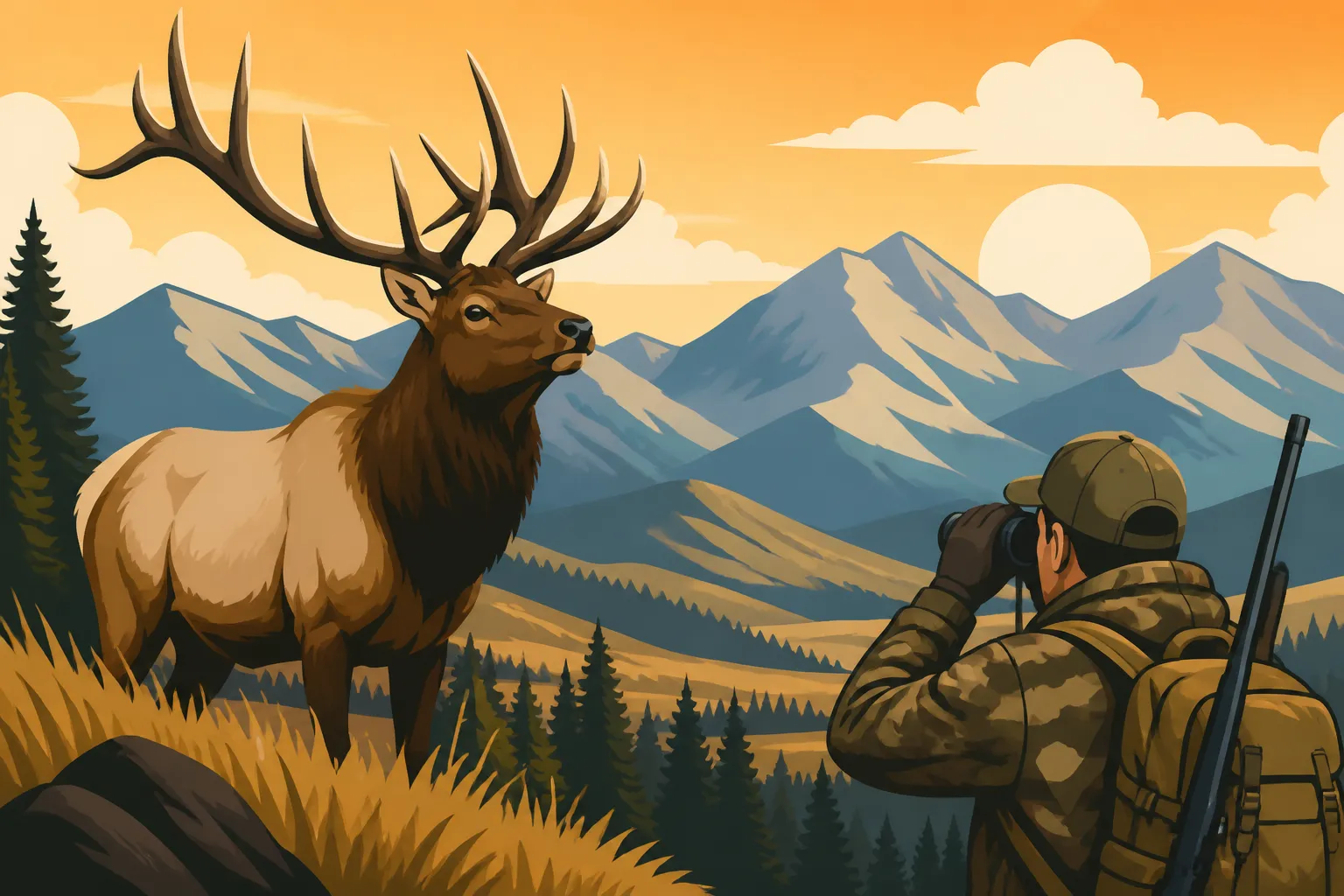
Best Montana Outfitters for a Bucket-List Elk Hunt
Embarking on a true "bucket-list" elk hunt in Montana is a dream for so many, but the sheer number of options and the uncertainty of finding the right outfitter can feel overwhelming, leading to worries about wasting time and hard-earned money. This guide is here to cut through the noise, helping you understand what makes an outfitter truly exceptional for that once-in-a-lifetime adventure and how to vet them thoroughly to ensure your Montana elk hunt lives up to every expectation.
What Makes an Elk Hunt "Bucket-List" Worthy?
When we talk about a "bucket-list" elk hunt, we're not just talking about any elk hunt. We're talking about an experience that stands out, one that etches itself into your memory forever, pushing your limits and fulfilling a lifelong aspiration. It's often defined by more than just punching a tag; it's about the adventure, the challenge, and the immersion in wild country.
Defining Your Ultimate Elk Hunting Experience
For some, a bucket-list hunt means chasing a truly giant bull, a monarch of the mountains whose antlers stretch wider than you can imagine. This pursuit often requires specific regions, deep knowledge, and sometimes, a bit of luck with genetics and conditions. It's about targeting those specific hunting districts known for their trophy potential, where the odds might be tougher, but the reward is monumental. You might be envisioning a bull that graces the pages of record books, or simply one that makes your heart pound out of your chest. This isn't just about size; it's about the culmination of years of dreaming and planning.
Others might define their ultimate hunt by the sheer wilderness experience. Picture yourself deep in a roadless area, miles from any vehicle, with nothing but the sounds of the mountains and the call of a distant bull breaking the silence. This often involves a pack-in hunt, perhaps on horseback, venturing into territories like the Bob Marshall Wilderness where the elk are wild, the country is rugged, and the challenge is immense. It's less about the size of the antlers and more about the profound connection to nature, the physical and mental test, and the satisfaction of earning every step and every sighting. This kind of hunt strips away the modern world, leaving you with an unparalleled sense of self-reliance and adventure.
Desired Habitat and Level of Challenge
The terrain you wish to hunt also heavily influences what makes a hunt "bucket-list" worthy. Do you dream of navigating dense, dark timber, tracking elk through thick cover, or spotting them across vast, open slopes? Perhaps you yearn for the high-altitude pursuit of bulls in alpine basins, testing your physical endurance at elevations where the air is thin and the views are boundless. These are the kinds of places where elk thrive, but also where hunters must be prepared for anything.
The level of challenge is another critical element. A bucket-list hunt often means stepping outside your comfort zone. This could be a physically demanding backpacking trip, requiring weeks of rigorous training beforehand. Or it might be an archery hunt during the rut, engaging in intense calling battles with bulls at close range, a true test of nerve and skill. Maybe it's a late-season rifle hunt through deep snow, where the elements are as formidable as the elk themselves. Understanding what level of challenge excites you—and what you are realistically prepared for—is crucial to selecting the perfect outfitter and ensuring your hunt matches your vision. Montana Backcountry Hunting Guide
Key Factors When Choosing a Bucket-List Outfitter
Once you have a clear vision of your dream hunt, the next step is to find an outfitter who can deliver. This isn't just about finding an outfitter, but finding the right one, especially when the stakes are high for a bucket-list experience.
Reputation and Experience in Your Desired Area
For a bucket-list hunt, an outfitter's reputation isn't just important—it's paramount. You need someone with a proven track record, not just of success, but of providing the type of experience you're seeking. Look for outfitters who specialize in the specific kind of hunt you want. If you're after a trophy bull in a specific district, find an outfitter known for consistently producing big elk in that area. If it's a deep wilderness pack-in, you want an outfitter with decades of experience navigating those remote landscapes and managing all the complex logistics involved. Don't be shy about asking for references, and actually call them! Speak to past clients about their experiences—not just their success, but the overall quality of the camp, the guides, the food, and how problems were handled.
Their experience in your desired area is non-negotiable. Elk behavior can vary wildly from one mountain range to the next, even within Montana. An outfitter who knows the local elk migration patterns, historical rutting grounds, and seasonal movements in a particular hunting district will give you a significant advantage. Ask them about their tenure operating in that specific region, how long their guides have been working there, and what their personal connection to that piece of country is. A deep, generational understanding of the land and its wildlife is often a hallmark of a truly exceptional outfitter.
Hunt Style, Logistics, and Guide-to-Hunter Ratio
The outfitter's hunt style and logistics must align perfectly with your bucket-list vision. Are you dreaming of a horseback pack-in hunt into the Bob Marshall Wilderness Hunting Guide, setting up a traditional wall tent camp? Or do you prefer a more comfortable lodge-based hunt with daily drives to different hunting grounds? Perhaps a spike camp operation, where you and your guide move deeper into the mountains each day, appeals to your sense of adventure. Ensure the outfitter's standard operating procedure matches what you're mentally prepared for and excited about. Ask about the daily schedule, the typical distances covered on foot, and the physical demands.
The guide-to-hunter ratio is another critical component, especially for a high-stakes hunt. For a truly personalized, bucket-list experience, a 1:1 guide-to-hunter ratio is often ideal. This ensures your guide can dedicate their full attention to your hunt, adapting tactics to your physical ability, preferred method, and the specific elk encountered. A 2:1 ratio can also work, but anything higher might mean less personalized attention, which can be a deal-breaker when you've invested so much into this particular hunt. Consider what level of individualized focus you need to feel confident and supported in your pursuit.
Communication and Transparency
Before, during, and after the hunt, clear and honest communication from your outfitter is vital. A reputable outfitter will be upfront about everything: what's included, what's not, the physical demands, the realistic chances of success, and potential challenges. They should be willing to answer all your questions thoroughly, patiently, and without hesitation. Pay attention to how quickly they respond to inquiries and the detail they provide. Are they enthusiastic and knowledgeable, or do they seem rushed and vague?
Transparency extends to their operations. They should be clear about their licensing, insurance, and any specific regulations pertaining to their hunting area. An outfitter who readily shares information about their business practices and ethical standards is one you can likely trust. This also includes being transparent about their booking process, payment schedules, and cancellation policies. You want an outfitter who instills confidence through their openness, making you feel secure that your investment and your dream hunt are in capable hands.
Finding and Vetting Top-Tier Montana Outfitters
So, you know what you want. Now, how do you actually find that needle in the haystack—the best outfitter for your bucket-list Montana elk hunt? It requires a bit of detective work and a lot of asking the right questions.
Leveraging Online Resources and Hunting Forums
The internet is a powerful tool for initial research. Websites like BookYourHunt can be a great starting point, allowing you to browse different outfitters, see their listed services, and get an idea of various price ranges and offerings. You can filter by species, region, and even hunt style, which can help narrow down options that align with your bucket-list criteria. While these platforms are useful for discovery, remember they are just the beginning of your vetting process.
Beyond booking platforms, dive deep into hunting forums and communities. Search for discussions about "Best Montana Elk Outfitters for Trophy Bulls" or "Wilderness Elk Hunts in Montana." Real-life experiences and testimonials from fellow hunters can provide invaluable insights that you won't find on an outfitter's polished website. Pay attention to consistent recommendations, but also to any recurring red flags. Be aware that not all online reviews are unbiased, so take everything with a grain of salt and use it as a guide for further investigation rather than gospel. Sites like GoHunt, while primarily focused on drawing tags and planning DIY hunts, often have communities or forums where discussions about outfitters and hunt quality can pop up, offering another avenue for anecdotal information. How to Read Montana Draw Odds
Essential Questions to Ask Potential Outfitters
Once you've identified a few promising candidates, it's time to get on the phone. This isn't a casual chat; it's an interview where you're seeking to entrust them with a significant investment of time and money. Here are some critical questions:
- "Can you describe a typical day on this specific hunt during the time I'd be there?" This helps paint a realistic picture and assess if it aligns with your expectations.
- "What is your philosophy on harvesting animals? Do you focus on trophy quality, meat, or a balanced approach?" This is crucial for a bucket-list hunt, especially if trophy size is a primary goal.
- "What is your current guide-to-hunter ratio, and can I be guaranteed a 1:1 experience if that's what I desire?"
- "What is your success rate for harvesting elk, and more importantly, for opportunity at elk, in the last 3-5 years for this specific hunt?" Be wary of vague answers. Ask for specifics, perhaps broken down by weapon type or bull vs. cow.
- "What are the physical demands? What kind of fitness level do you recommend?" An honest answer here can save you from a miserable experience if you're not adequately prepared. Montana Elk Hunt Fitness Plan
- "Can you provide a list of references, specifically clients who hunted with you in the past 1-2 years and ideally those who had a similar bucket-list goal?" Follow up with these references diligently.
- "What happens in a worst-case scenario (e.g., severe weather, injury, no elk sightings)? How do you handle those situations?"
- "What is your policy regarding deposits, final payments, and cancellations?" Understand the financial commitments fully.
- "How do you handle meat processing, caping, and transport of the animal after a successful hunt?" Especially for remote wilderness hunts, this logistics can be complex. How to Pack Out an Elk in Montana
Understanding Success Rates and Realistic Expectations
Outfitters will often tout their "success rates," but these numbers can be misleading if you don't dig deeper. Ask for clarification: Is it a 100% opportunity rate (meaning clients saw elk), or 100% kill rate (meaning everyone tagged out)? The latter is exceptionally rare and often indicates a preserve hunt, not a truly wild Montana experience. For most ethical outfitters operating on public land, a high opportunity rate is a better indicator of a quality hunt than a sky-high kill rate.
It’s vital to manage your own expectations. A bucket-list hunt, particularly for a trophy animal in wild country, is still hunting. There are no guarantees. Weather can turn, elk can vanish, and shots can be missed. The best outfitters provide the best opportunity and experience, but ultimately, success still depends on many variables, including your own skill and a little bit of luck. The real "success" of a bucket-list hunt often lies in the quality of the adventure, the memories made, and the challenges overcome, not just the animal harvested. Be prepared for the physical and mental grind, and understand that sometimes, the greatest hunts are the ones where you learn the most, even if you don't fill your tag. How to Physically Prepare for a Montana Elk Hunt
Planning Your Epic Montana Elk Adventure
Once you've chosen your outfitter, the real planning begins. A bucket-list hunt requires meticulous preparation to ensure every detail is covered.
Booking Timelines and Deposits
Montana's best outfitters, especially those known for delivering exceptional experiences in prime elk country, often book out years in advance. For a true bucket-list hunt, you might need to plan 2-3 years ahead, or even more for highly sought-after permits or specific seasons. Don't underestimate this timeframe. Contacting potential outfitters early is critical not just for securing a spot, but also for giving you ample time to prepare financially, physically, and mentally. Best Time to Book a Montana Elk Outfitter
Deposits are standard practice, typically a significant percentage of the total hunt cost, due at booking. Understand the payment schedule: when is the final balance due? What are the cancellation policies? Life happens, and you need to know what your options are if unforeseen circumstances force you to postpone or cancel your hunt. Some outfitters may offer insurance or have clear policies for transferring your deposit if a spot can be filled by another hunter. Always get all financial agreements in writing.
Physical and Mental Preparation
A Montana elk hunt, especially one striving for "bucket-list" status, is physically demanding. Regardless of whether you're hunting from a lodge or packing into the backcountry, you'll be covering rugged, often steep terrain at elevations that might be higher than you're accustomed to. Start your physical conditioning well in advance—months, even a year, beforehand. Focus on cardiovascular endurance, leg strength, and core stability. Practice hiking with a loaded pack on varied terrain. The better shape you're in, the more you'll enjoy the hunt and the better your chances of capitalizing on an opportunity when it arises. How to Prepare for High-Country Montana Hunting
Mental preparation is just as crucial. A bucket-list hunt can be a rollercoaster of emotions. There will be highs of stunning scenery and close encounters, and lows of missed opportunities, tough hiking, or bad weather. Develop a resilient mindset. Understand that success isn't guaranteed, and find joy in the process and the experience itself. Being mentally tough means you can push through fatigue, stay positive during slow periods, and remain focused when a shot opportunity presents itself. Talk to your outfitter and guides about what to expect psychologically on the hunt, and read up on others' experiences to temper your expectations.
Essential Gear and Packing Considerations
Your gear can make or break a high-country Montana elk hunt. This isn't the time to skimp. Invest in high-quality, reliable equipment that can withstand the elements and the rigors of the backcountry. Your outfitter will provide a detailed gear list, and it's imperative you adhere to it. Key items typically include:
- Layered Clothing System: Montana weather can be unpredictable. You need layers that can handle everything from warm afternoons to freezing mornings, rain, and snow.
- High-Quality Boots: This might be the most important item. Invest in comfortable, waterproof, well-broken-in boots suitable for steep, rocky, and potentially wet terrain. Your feet are your most valuable asset. Best Boots for Montana Elk Hunting
- Optics: Top-tier binoculars, a spotting scope, and a rangefinder are essential for locating and assessing elk in vast Montana landscapes. Best Optics for Montana Big Game
- Backpack: A comfortable, durable pack capable of carrying your daily essentials and potentially a heavy load of meat on the pack-out. Best Backpack for a Montana Elk Hunt
- Weapon: Whether rifle, bow, or muzzleloader, ensure your weapon is sighted in and you are proficient with it at various ranges. Best Rifle Calibers for Montana Elk
Always pack with the understanding that things can get wet, cold, and dirty. Bring redundant systems for critical items like fire starters and navigation. Communicate closely with your outfitter about specific gear requirements for their style of hunt, as a lodge-based hunt might have different needs than a multi-day pack-in.
Table: Outfitter Hunt Styles & Considerations for Your Bucket List
| Hunt Style | Typical Logistics | Primary Advantages | Considerations for Bucket-List Hunt |
|---|---|---|---|
| Lodge/Base Camp Hunt | Daily travel (vehicle/ATV) from comfortable lodge | Warm beds, hot showers, prepared meals, easier access | Can lack true wilderness feel, less physically demanding |
| Pack-in/Wilderness Hunt | Horseback or foot travel deep into roadless areas | Ultimate wilderness immersion, less pressure, untouched country | Highly physical, rustic camp (tent/spike), longer duration |
| Spike Camp Operations | Established base camp, smaller satellite camps moved | Allows hunters to follow game, adaptable, often deeper access than base camp | More rugged than lodge, less amenities, requires adaptability |
| Private Ranch Hunt | Lodge or cabin on private land, limited hunters | High success rates (sometimes guaranteed), larger animals, less pressure | Can be very expensive, might feel less like "wild" hunting |
| Combination Hunt (Elk/Deer) | Varies, usually involves accessing diverse habitats | Opportunity for multiple species, maximizes tag usage | Requires versatile tactics, focus can be split between species |
No matter which path you choose for your ultimate Montana elk hunt, remember that thorough preparation and clear communication with your outfitter are the cornerstones of a truly unforgettable experience.
Disclaimer
This article is for general informational purposes only and does not constitute professional advice. Laws, prices and regulations vary by location and change over time. Consult a qualified professional for guidance on your specific situation.