Montana Hunting Outfitters Near Great Falls
Trying to find the perfect hunting outfitter in Montana, especially when you're targeting a specific region like the area around Great Falls, can feel like searching for a needle in a haystack. With so many options and different types of hunts available, it’s easy to get overwhelmed trying to sift through the details and figure out who is reputable and what kind of experience they truly offer. This guide will walk you through everything you need to know to navigate the world of Montana hunting outfitters near Great Falls, helping you make an informed decision for your next big adventure.
Understanding the Diverse Hunting Landscape Near Great Falls
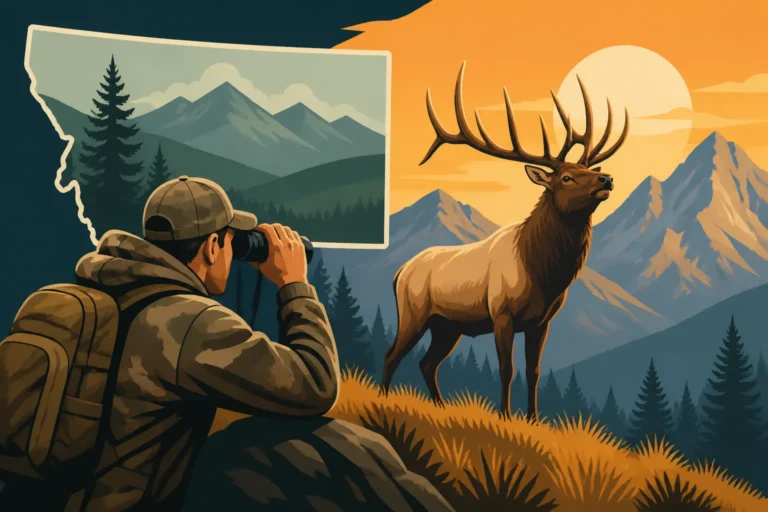
Great Falls sits in a fascinating geographic sweet spot, acting as a gateway to incredibly diverse hunting opportunities. To its west, you have the rugged Rocky Mountain Front, a dramatic transition zone where the plains abruptly meet the mountains, offering classic high-country experiences. To the east and south, the landscape opens up into vast plains, rolling hills, and river bottoms that cater to a completely different style of hunting. This unique positioning means that outfitters operating near Great Falls can offer a wide array of hunts, from challenging mountain pursuits for elk to more accessible antelope hunts on the prairie.
Major Game Species and Habitats
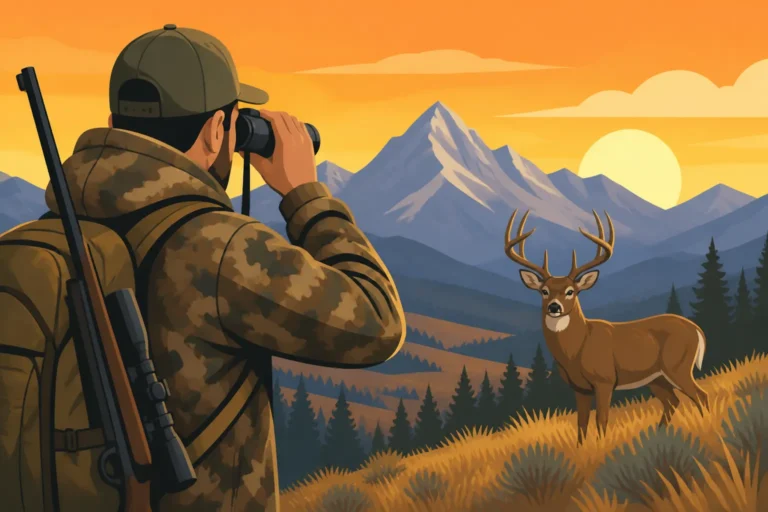
When considering outfitters near Great Falls, you'll primarily be looking at opportunities for several key big game species, each with its own habitat preferences. Elk are a major draw, often found in the timbered slopes and mountain drainages of the Rocky Mountain Front, but also surprisingly in some of the more broken prairie country where good cover and water exist. Mule deer often frequent the rougher terrain of the breaks and foothills, offering a quintessential Western hunt. Whitetail deer, while sometimes overlooked in the shadows of their mule deer cousins, thrive in the river bottoms along the Missouri River and its tributaries, often found in the agricultural fringes.
Antelope are truly a species of the open plains, and the vast expanses east of Great Falls are prime antelope country, often offering high success rates. Black bears can be found in the timbered areas of the mountains and foothills, particularly in the spring when they emerge from hibernation, though fall hunts are also popular. Mountain lions are present in the rougher, timbered country, typically pursued in winter with hounds, offering a very specialized hunting experience. Knowing what species you want to pursue will significantly narrow down your outfitter search, as many specialize in one or two primary animals. The variety here is astounding, and understanding these different environments is the first step in aligning your expectations with what an outfitter can realistically provide.
Public Versus Private Land Access
A critical aspect of hunting in Montana, and particularly when considering outfitters near Great Falls, is understanding land access. Montana is renowned for its vast stretches of public land, including national forests and Bureau of Land Management (BLM) acreage. Many outfitters operate on these public lands, requiring special use permits to guide clients. This often means a more traditional, rugged backcountry experience. However, public land can also come with more hunting pressure, especially during general season.
On the flip side, some outfitters have exclusive access to large tracts of private land, either through ownership or lease agreements. These private ranch hunts often offer higher success rates, fewer crowds, and sometimes more luxurious accommodations, but they typically come with a higher price tag. The advantage here is often better game management, as the landowners can control harvest numbers and habitat improvements. When you're looking for a Montana hunting outfitter, it's absolutely crucial to ask whether their hunts primarily take place on public or private land, as this will dramatically influence the style of your hunt, the potential for encountering other hunters, and the overall cost. For those looking to delve deeper into finding optimal spots, our guide on Montana Public Land Hunting Strategy can offer more insights.
What to Look For in a Great Falls Area Outfitter
Choosing the right outfitter is arguably as important as drawing the tag itself. A great outfitter can make a challenging hunt enjoyable and successful, while a poor one can quickly turn your dream hunt into a nightmare. Near Great Falls, just like anywhere in Montana, a reputable outfitter will possess certain key characteristics that distinguish them from the rest. This isn't just about finding someone with a license; it's about finding a partner who understands your hunting goals and can deliver a safe, ethical, and memorable experience.
Reputation and Licensing
First and foremost, any outfitter you consider must be properly licensed and insured by the state of Montana. This isn't a suggestion; it's a legal requirement and your assurance that they meet certain professional standards. Don't be shy about asking for proof of their current outfitter's license. Beyond that, a strong reputation is priceless. Look for outfitters with a long history of successful hunts, positive testimonials, and repeat clients. Online platforms like BookYourHunt can be a good starting point for finding listings and initial reviews, allowing you to gauge an outfitter's standing within the hunting community. However, don't stop there.
Ask for a list of recent references – and actually call them. Ask detailed questions about their experience: what was the success rate, what were the accommodations like, how experienced were the guides, and how transparent was the outfitter? Were there any hidden costs or surprises? A truly reputable outfitter will be happy to provide references and answer all your questions forthrightly. This due diligence is paramount. You might also find valuable insights in our article on How to Choose a Montana Hunting Outfitter.
Experience and Expertise
The best outfitters operating in the Great Falls area will have an intimate knowledge of the specific hunting districts they guide in. This means they understand the local game movements, seasonal patterns, access points, and even micro-weather conditions that can make or break a hunt. An outfitter who has guided the same areas for many years will know where the elk seek refuge when pressure mounts, where the big mule deer bucks hide during the rut, or which water sources antelope frequent in dry conditions.
Their expertise extends beyond simply finding animals. It includes knowing how to interpret sign, understanding animal behavior, having contingency plans for unexpected weather or mechanical issues, and prioritizing client safety above all else. Ask about the outfitter's and their guides' experience levels, especially regarding the specific species and type of hunt you're interested in. For example, if you're keen on an archery elk hunt, you'll want an outfitter with extensive experience in Montana Archery Elk Hunting Guide tactics and strategies, not just general hunting.
Communication and Transparency
Clear, consistent communication is a hallmark of a great outfitter. From your initial inquiry to the final goodbye, you should feel that your questions are answered promptly and thoroughly. A transparent outfitter will clearly outline what's included in the hunt package, what's not, and any potential additional costs (tag fees, meat processing, taxidermy, gratuities, etc.). There should be no surprises.
They should also be realistic about success rates and the challenges inherent in hunting wild animals in Montana. Beware of outfitters who make outlandish guarantees or promise "canned" hunts. Montana is wild country, and success is never guaranteed, no matter how good the outfitter. A good outfitter will manage your expectations honestly. They should also be transparent about their hunting style – whether they focus on spot-and-stalk, still-hunting, calling, or a combination. Your hunting preference should align with their operational style for the best experience. GoHunt, for instance, offers detailed draw odds and unit information that can help you cross-reference what an outfitter is telling you about a specific area.
Types of Hunts Offered Near Great Falls
The sheer variety of terrain and game species around Great Falls means that outfitters in the region can offer a diverse range of hunting experiences. Understanding these different types of hunts will help you choose an outfitter that matches your budget, physical capabilities, and desired level of comfort and challenge.
Fully Guided Hunts
A fully guided hunt is often what most people envision when they think of hiring an outfitter. This package typically includes everything: a dedicated guide (often one-on-one or two-on-one guide-to-hunter ratio), all meals, lodging (which can range from comfortable cabins to wall tents in a backcountry camp), and transportation in the field. The guide handles scouting, tracking, field dressing, and often helps with packing out your game. This is ideal for hunters who want a complete, immersive experience with minimal logistical worries, or for those who are new to hunting in Montana's rugged terrain.
These hunts are generally the most expensive due to the comprehensive services provided. Outfitters offering fully guided experiences near Great Falls might base out of a lodge on the edge of the Rocky Mountain Front, venturing into the mountains daily on horseback or by vehicle, or they might run remote spike camps deep in the backcountry. It's a fantastic option for those who want to focus solely on the hunt without the added stress of camp chores or navigation. You can learn more about what to expect with our guide on What to Expect on a Guided Montana Elk Hunt.
Semi-Guided and Drop Camp Hunts
For hunters looking for a balance between support and independence, semi-guided or drop camp options are excellent alternatives. A semi-guided hunt might involve the outfitter providing camp, meals, and general area advice, but the actual hunting is largely done by the client, possibly with an occasional assist or check-in from a guide. This is a more budget-friendly option than fully guided hunts, while still providing some logistical support.
Drop camps, on the other hand, are designed for the self-sufficient hunter who is comfortable navigating and hunting independently, but needs help getting into and out of remote areas. The outfitter will pack you, your gear, and sometimes horses into a pre-established camp (or a spot where you set up your own camp) in the backcountry, often in a designated wilderness area. They drop off supplies, check in periodically, and then return at a pre-arranged time to pack out you and your harvested game. This is a truly immersive experience for those who love the solitude of the backcountry, but lack the means (horses, extensive gear, local knowledge) to access it on their own. Our article on Montana Drop Camp Hunts Explained provides a deeper dive into this unique offering.
| Hunt Type | Description | Ideal Hunter | General Cost Shape |
|---|---|---|---|
| Fully Guided | All-inclusive: guide, meals, lodging, in-field transport, game recovery/field dressing. | Beginner, less experienced in Montana terrain, seeking maximum comfort and support, higher budget. | Significant investment |
| Semi-Guided | Partial support: often includes camp, meals, general area advice; hunting done largely by client. | Experienced, wants some logistical support but enjoys independent hunting, mid-range budget. | Moderate investment |
| Drop Camp | Outfitter packs hunter/gear into remote camp, provides basic camp setup, later packs out hunter/game. | Experienced, self-sufficient, enjoys solitude, physically capable, lower budget for outfitter services. | More budget-friendly |
| Private Ranch | Hunts conducted on exclusive private land; often higher success, less pressure, varied accommodations. | Seeks high success rates, prefers less public land pressure, comfortable with varying budgets. | Can be high to very high |
| Public Land | Hunts conducted on National Forest/BLM; can be rugged and challenging, more hunter pressure. | Seeks traditional Western experience, comfortable with wilderness challenges, varying budgets. | Moderate to high |
Specialized and Custom Hunts
Beyond the standard offerings, many Great Falls area outfitters can arrange specialized or custom hunts. This might include specific weapon types, like a dedicated Montana Rifle Elk Hunting Guide experience, or an archery-only hunt during the peak rut. Some outfitters specialize in trophy hunts for record-book animals, while others focus more on meat hunts, prioritizing access and opportunity over antler size.
You might also find outfitters offering multi-species packages, allowing you to pursue, for example, elk and mule deer concurrently if your tags allow. Seasonal variations are also a factor; some outfitters excel at early season archery hunts, while others are known for their late-season migrations or winter mountain lion hunts. Always communicate your specific desires and expectations upfront. A good outfitter will be upfront about what they can realistically provide and whether their operation aligns with your vision for the hunt. If you're wondering how much these tailored experiences might cost, our Montana Guided Elk Hunt Cost article delves into pricing structures.
Planning Your Hunt: Logistics and Resources
Once you've narrowed down your outfitter choices near Great Falls, the real planning begins. There's a lot more to a successful guided hunt than just showing up. From securing your tags to preparing yourself physically and mentally, proactive planning is crucial.
Tag Application and Draw Odds
Before you even think about booking an outfitter, you need to understand Montana's complex tag system, especially as a nonresident. Montana operates on a draw system for many of its most coveted big game tags, including the general elk and deer combination licenses, as well as limited entry permits for specific districts. The application deadlines are typically in spring, well in advance of the fall hunting season. You must apply for your tags independently; an outfitter cannot do this for you, although they can certainly advise you on which districts to apply for based on your goals and their hunt areas.
Many hunters use resources like GoHunt to research draw odds and strategies for different hunting districts, helping them make informed decisions on where to apply. Some outfitters might offer outfitter-sponsored tags, which is a specific program that can increase your chances of drawing a tag in a certain district, but these usually come with stricter booking requirements. It's vital to apply correctly and on time. Don't book an outfitter until you have a solid plan for securing your tags, or ideally, until you've actually drawn your tag, as refunds for outfitter deposits are often not issued if you fail to draw. For comprehensive guidance, consult our article on Montana Nonresident License Draw Explained.
Physical Preparation and Gear
Montana hunting, especially in the mountainous terrain accessible from Great Falls, can be incredibly demanding. If you're booking a backcountry elk hunt, expect long days of hiking at elevation, often in steep, uneven terrain. Even prairie hunts for antelope can involve significant walking over long distances. Your physical fitness directly correlates to your enjoyment and potential for success. Start a rigorous fitness regimen well in advance of your hunt, focusing on cardiovascular endurance, strength training, and hiking with a weighted pack.
Beyond fitness, proper gear is essential. Your outfitter will provide a detailed packing list, but generally, expect to need high-quality layering clothing, durable waterproof boots, a good backpack, optics (binoculars, spotting scope, rangefinder), and your weapon of choice. While some outfitters provide basic camp gear, you'll likely be responsible for your personal items. Don't skimp on gear; substandard equipment can quickly turn into a major headache in unpredictable mountain weather. Consider reading our How to Physically Prepare for a Montana Elk Hunt for more detailed advice.
Booking Timeline and Deposit Considerations
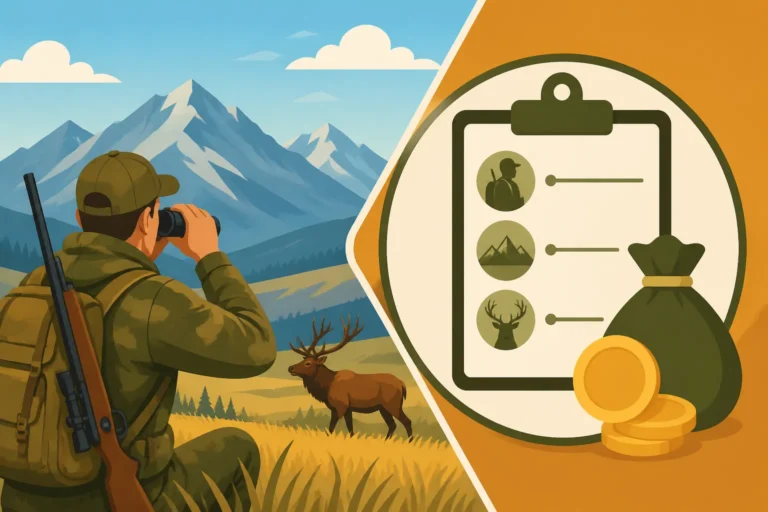
Reputable Montana outfitters, especially those with prime hunting areas near Great Falls, often book out years in advance. If you have a specific outfitter or season in mind, it's wise to reach out and inquire about availability as early as possible – sometimes 1-3 years out is not uncommon, particularly for archery elk or trophy mule deer hunts. Be prepared to pay a deposit, usually a percentage of the total hunt cost, to secure your dates.
Understand the outfitter's cancellation and refund policies before you put down any money. Life happens, and you need to know what your options are if you have to cancel or if you fail to draw your desired tag. Some outfitters offer a rollover option for deposits if you don't draw, but this varies widely. Always get all agreements, including payment schedules, inclusions, and cancellation policies, in writing. This protects both you and the outfitter and ensures a smooth planning process for your Montana hunting adventure.
Disclaimer
This article is for general informational purposes only and does not constitute professional advice. Laws, prices and regulations vary by location and change over time. Consult a qualified professional for guidance on your specific situation.