Montana Horseback Hunting Outfitters
The allure of Montana's vast wilderness often clashes with the reality of accessing its most remote hunting grounds. Many hunters dream of escaping the crowds and finding untouched country, only to realize that their own two feet can only carry them so far, and a truck can't go everywhere. This guide is dedicated to exploring the world of Montana horseback hunting outfitters, providing a deep dive into how these experienced professionals can unlock unparalleled hunting adventures and what you need to know to plan your own.
Why Choose a Horseback Hunt in Montana?
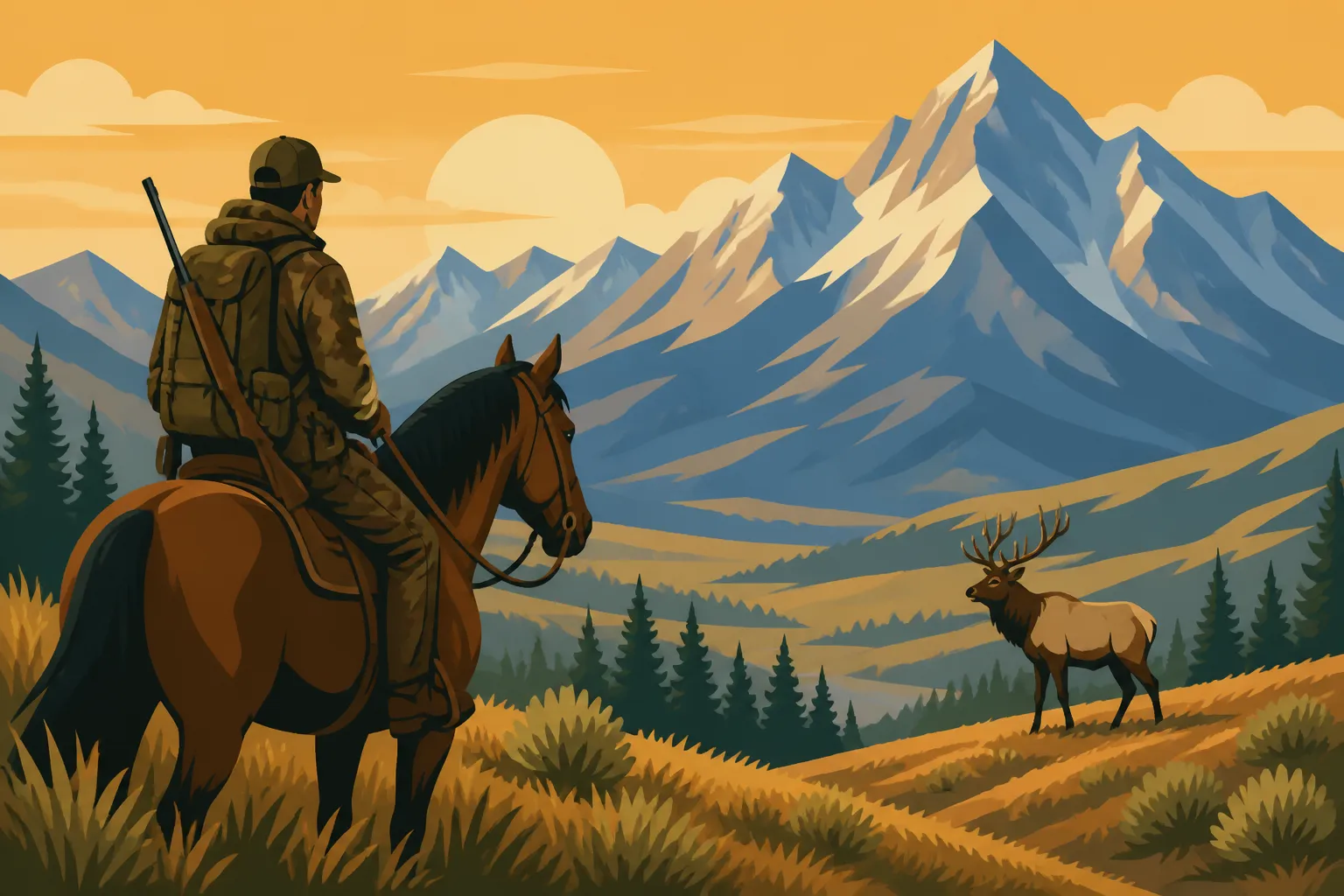
There's a reason why the image of a hunter on horseback, traversing rugged mountain trails, is so iconic in the West. It speaks to a traditional way of hunting, but beyond the romance, there are incredibly practical advantages to utilizing horses and mules for a Montana hunt. The sheer scale of Montana's landscape means that much of the best habitat, especially for prime big game, lies deep within roadless areas.
Accessing Remote, Unpressured Areas
Imagine standing on a ridge, glassing a basin where the only sign of human presence is your own breath clouding in the crisp morning air. This isn't just a fantasy; it's the reality a horseback hunt can provide. Vehicles and even ATVs are restricted in many wilderness areas and extensive national forest lands. Without the aid of horses or mules, these vast tracts of public land remain largely inaccessible to the average hunter who is limited to what they can carry on their back.
Horses allow you to cover significant distances daily, pushing past the typical day-hunter pressure zones. They can carry heavy loads of camp gear, food, and water deep into the backcountry, establishing a comfortable base camp miles from the nearest trailhead. This increased range means you can consistently reach areas where elk, mule deer, and other big game feel safer and are less disturbed by human activity. The peace and quiet of these remote spots translate directly into a more natural animal behavior and often, higher success rates for those willing to go the extra mile – or rather, let the horses do it for them. If you're looking to truly immerse yourself in the wilderness, a horseback hunt is often the key to unlocking it.
Reduced Physical Strain and Increased Stamina
Let's be honest, hunting in Montana is physically demanding. Even for those in excellent shape, covering steep, rugged terrain day after day with a heavy pack can be brutal. This is where the horses become your unsung heroes. They don't just carry your gear; they carry you. While you'll still be walking and stalking extensively once you're in prime hunting country, the hours spent traveling to and from your hunting grounds are significantly less taxing on your body.
This reduction in travel-related physical strain is a game-changer. It allows you to save your energy for the critical moments – the long stalks, the uphill climbs to get a better vantage point, and of course, the strenuous pack-out if you're successful. For hunters who might not be in peak physical condition, or those who simply want to extend their hunting career into their later years, horseback hunting makes remote wilderness accessible without risking exhaustion or injury. It means you can focus more on the hunt itself and less on sheer endurance, leading to a more enjoyable and sustainable experience.
A Traditional and Immersive Experience
There's a profound connection to the past when you travel through the mountains on horseback, much like the early explorers and hunters did. It's an experience that transcends merely hunting and becomes a journey steeped in tradition. The rhythmic clop of hooves, the creak of leather, and the panoramic views from horseback offer a unique perspective of the Montana wilderness. It slows you down, allowing you to absorb the landscape in a way that driving a vehicle or even hiking often doesn't.
Many hunters seek this deeper connection, a chance to step away from modern conveniences and engage with nature on its own terms. With a Montana horseback hunting outfitter, you're not just participating in a hunt; you're taking part in a tradition that has shaped the West for centuries. It's an opportunity to learn about horsemanship, backcountry skills, and the rhythm of the mountains from seasoned guides who live and breathe this lifestyle. This traditional approach enriches the entire adventure, making it about more than just harvesting an animal; it's about the journey, the challenge, and the unforgettable memories forged in the heart of Big Sky Country.
Types of Montana Horseback Hunting Experiences
When considering a horseback hunt in Montana, it's not a one-size-fits-all situation. Outfitters offer a variety of experiences tailored to different budgets, preferences, and levels of comfort with backcountry living. Understanding these distinctions is crucial for finding the right fit for your adventure.
Full-Service Pack-In Hunts
For many, this is the quintessential Montana horseback hunting experience. A full-service pack-in hunt involves riding deep into designated wilderness areas or remote national forest lands, often many miles from the nearest road. The outfitter provides everything: horses for riding, mules for packing all the camp gear, food, and supplies, and a fully set-up camp once you reach your destination. This typically includes wall tents, cots, wood stoves, and all necessary cooking equipment. Your guides will not only lead you to and from camp but also guide you on daily hunts, cook your meals, and assist with field dressing and packing out your animal if successful.
This is the most immersive and least demanding option from a logistical standpoint for the hunter. You're responsible for your personal gear, hunting equipment, and your own physical readiness, but all the heavy lifting of establishing and running a remote camp is handled by the outfitter. It's an ideal choice for hunters who want to focus entirely on the hunt and the wilderness experience without the stress of managing a complex backcountry camp. It’s truly a classic way to hunt the big game of Montana, offering unparalleled access to remote areas where you might otherwise never set foot. Many outfits specialize in this, providing a rich, authentic adventure. You can learn more about how to set up a Montana elk camp, but with a full-service hunt, the heavy lifting is done for you.
Drop Camps
Drop camps offer a fantastic middle ground for experienced backcountry hunters who want the benefits of horseback access to remote areas but prefer to hunt independently once in camp. With a drop camp, the outfitter provides the horses and mules to pack you and your gear into a pre-arranged, remote campsite. They'll typically set up a basic camp for you – think wall tent, wood stove, cots, and perhaps some cooking essentials – then leave you to hunt on your own for the duration of your trip. At a pre-determined date, they'll return to pack you and any game you've harvested back out to the trailhead.
This option offers more solitude and independence, often at a lower cost than a fully guided hunt. However, it requires a significant amount of self-sufficiency. You're responsible for all your own food, cooking, daily hunting decisions, navigation, and field care of any animals. It's critical to be proficient in backcountry skills, including first aid, orienteering, and game recovery. This type of hunt is perfect for a group of experienced hunters who are comfortable with self-reliance in a wilderness setting and simply need a logistical assist to get deep into prime hunting territory. It's an excellent way to experience the true Montana backcountry hunting guide experience without the full cost of a personal guide by your side every day.
Day Rides from a Base Lodge
Not all horseback hunting requires a deep dive into the wilderness for multiple nights. Some outfitters, especially those operating on private ranches or near accessible public lands, offer day hunts where you return to a comfortable lodge or cabin each evening. These hunts typically involve riding out from the lodge in the morning, hunting a specific area, and then returning at the end of the day. The horses are used primarily for covering ground efficiently, accessing areas that might be too far to walk or too rugged for vehicles, or simply for covering a wider expanse of territory.
This style of hunt combines the benefits of horseback travel with the comfort of amenities like hot showers, prepared meals, and a warm bed every night. It's an excellent option for hunters who want the horseback experience without committing to multi-day backcountry camping. It can also be a good choice for those new to horseback hunting or for families where some members might prefer less rustic accommodations. While it might not offer the same level of deep wilderness immersion as a pack-in hunt, it still provides a unique way to cover ground and access good hunting spots, especially for species like deer or antelope on the plains and foothills, or in some cases, elk in the timbered lower elevations.
What to Look for in a Montana Horseback Outfitter
Choosing the right outfitter for your Montana horseback hunt is arguably the most critical decision you'll make. It can literally make or break your trip. You're entrusting not just your hunting success but your safety and comfort to these individuals. Don't rush this process; do your homework and ask a lot of questions.
Outfitter Reputation and Experience
Experience and reputation are paramount. You want an outfitter who has been operating in your chosen area for many years, understands the local game populations, migration patterns, and terrain like the back of their hand. A long-standing presence usually means they have established routines, reliable horses, and a consistent track record of client satisfaction. Start by checking their licensing and permits with the state – a legitimate outfitter will be properly licensed and insured.
Beyond licenses, delve into reviews and testimonials. Sites like BookYourHunt or GoHunt can be invaluable resources for honest feedback from past clients. Don't just look for successful hunts, but also for comments on professionalism, safety, camp comfort, and how the outfitter handled challenging situations, like bad weather or difficult game recovery. Ask for references, and actually call them. When you speak to references, inquire about the guide-to-client ratio, the outfitter's communication style, and whether the hunt lived up to expectations. A reputable outfitter will be transparent and proud to share their history and client feedback.
Quality and Condition of Horses and Mules
The horses and mules are the backbone of a horseback hunt. Their quality, training, and condition directly impact your safety and the success of your trip. You need animals that are sure-footed, calm, and accustomed to mountain terrain, river crossings, and carrying heavy loads, including potentially dead game. Ask the outfitter about their herd: How old are the horses? Are they experienced mountain horses? How are they trained?
A good outfitter will have a well-maintained herd of horses and mules that are fit and healthy, not overworked. They should be able to match horses to riders based on experience level and physical size. If you have limited riding experience, make sure they have gentle, bomb-proof animals suitable for beginners. Inquire about their tack – clean, well-fitting saddles and bridles are essential for both rider comfort and animal welfare. A poorly conditioned or ill-suited horse can turn a dream hunt into a nightmare, leading to potential injuries or lost hunting time. When you consider a Montana backcountry hunting guide, remember that the animals are just as much a part of the team as the human guides.
Camp Logistics and Comfort
Even in the rugged Montana backcountry, a good outfitter strives to provide a comfortable and functional camp. This is especially true for full-service hunts where you’ll be spending multiple nights. Ask about the type of camp setup: Are they using durable wall tents or lighter spike camps? What kind of sleeping arrangements are provided – cots, air pads? Is there a designated cooking area and a communal dining tent?
Heating is crucial, especially for early or late-season hunts; wood stoves are standard in wall tents and make a huge difference. Inquire about water sourcing and purification, as well as waste management plans to ensure proper Leave No Trace principles are followed. A well-organized camp not only makes the hunt more enjoyable but also reflects the outfitter's professionalism and attention to detail. It shows they care about their clients' well-being and the environment. You want a camp that provides a safe, warm, and dry haven after a long day of hunting, allowing you to rest and be ready for the next day's adventure.
Planning Your Montana Horseback Hunt
Once you've narrowed down your outfitter choices, the real planning begins. There are several key factors to consider to ensure your hunt aligns with your expectations and gives you the best chance of success. From timing to tags, every detail matters in a place like Montana.
Timing Your Horseback Hunt
The timing of your hunt will heavily influence the species you pursue, the weather you'll encounter, and the overall hunting experience. Montana's hunting seasons explained are complex and vary by species and district, but generally, big game seasons run from early September through late November, with some variations.
- Early Archery Season (September): This is often when elk are in the rut, meaning active bugling and increased movement. It's a prime time for calling tactics and offers exciting, fast-paced action. However, weather can still be warm, requiring careful meat handling, and hunting pressure from other archers can be high in accessible areas. Horseback hunts excel here by getting you away from that pressure.
- General Rifle Season (October-November): This is the most popular time for elk and deer hunting. The weather becomes colder, often bringing snow to the high country, which can push animals to lower elevations. Elk will be recovering from the rut, focusing on feeding. Later in the season, migration patterns become more predictable with heavy snows. The challenge here is often dealing with increased hunter numbers, making remote horseback access even more valuable.
- Late Season Hunts (November-December): Some limited entry permits or specific general units have late seasons, often targeting specific cow elk herds. These can be very challenging due to deep snow and extreme cold, but also highly rewarding if you catch animals migrating to winter range.
Discuss these timings with your outfitter, as they'll have the best insight into specific areas and species behavior. They can help you align your preferred hunting style with the optimal time to be in the field.
Understanding Draw Odds and Tags
Montana operates on a draw system for many of its desirable big game tags, especially for nonresidents. It's not as simple as just buying a license; you need to apply for specific combinations and permits, often months in advance. The process can be daunting, but understanding it is crucial. Our guide on the Montana nonresident license draw explained can offer a much-needed breakdown.
- Combination Licenses: Nonresidents typically apply for a "Big Game Combination" (elk and deer) or a "Deer Combination" license. These are competitive and often require years of building preference points to draw.
- Limited Entry Permits: Beyond the general combinations, many specific districts or species (like moose, sheep, goat, or specific elk/deer permits) require additional, highly competitive limited entry permits. These often use a bonus point system.
- Outfitter-Sponsored Tags: Some outfitters may have a limited number of "outfitter-sponsored" tags which can increase your draw odds, but these often come with specific booking requirements. Always verify how these work and their legitimacy.
Your outfitter should be a valuable resource here, guiding you through the application process and recommending districts and tags that align with your draw history and hunting goals. It's wise to start this conversation a year or more out from your intended hunt date, as application deadlines are firm, often in March or April.
Asking the Right Questions
Before you commit to an outfitter, you need to be an active interviewer. Don't be shy about asking detailed questions. Here’s a starter list:
- Success Rates: What are their historical success rates for the species and weapon type you plan to use? Be realistic; "opportunity" rates are often more telling than "kill" rates.
- Guide-to-Hunter Ratio: What's the typical guide-to-hunter ratio? One-on-one guiding is often preferred but more expensive.
- Physical Demands: What are the expected physical demands of the hunt? How much hiking, riding, and climbing will be involved?
- Meat and Trophy Care: What is their protocol for field dressing, packing out, and keeping meat cool? Will they assist with caping and quartering? This is a critical question for how to quarter an elk in the Montana backcountry.
- Weapon Restrictions: Are there any specific weapon restrictions for the area or outfitter?
- Communication: How often and what type of communication can you expect leading up to the hunt?
- Cancellation Policy: Understand their cancellation and refund policy clearly.
- Emergency Procedures: What are their emergency protocols, including satellite communication, first aid, and evacuation plans? This is essential for Montana backcountry hunting safety tips.
- What to Bring: Get a detailed gear list from them. What equipment do they provide, and what do you need to bring? This can help you with your Montana backcountry hunting gear list.
A good outfitter will welcome these questions and provide clear, honest answers. If they are evasive or seem annoyed, that’s a red flag. Remember, you're investing a significant amount of time and money into this trip, and you deserve to have all your questions answered thoroughly. You can also review our general guide on how to choose a Montana hunting outfitter for even more detailed questions.
Cost and Budgeting for a Horseback Hunt
Let's talk about the elephant in the room – or rather, the elk in the mountains – cost. Montana horseback hunting is an investment, but with proper planning, it can be a realistic dream. Understanding the various components of the overall expenditure will help you budget effectively and avoid any unwelcome surprises.
Breaking Down the Expenses
The cost of a Montana horseback hunt isn't just the outfitter's fee. It's a composite of several factors that, when added together, paint the full financial picture.
- Outfitter Fees: This is often the largest single expense. For full-service guided hunts, these fees can vary significantly based on the duration of the hunt (e.g., 5-day, 7-day), the guide-to-hunter ratio (1×1, 2×1), the species targeted, and the remoteness/quality of the hunting area. Drop camps are generally less expensive than fully guided options because you're doing much of the work yourself. Always get a clear breakdown of what's included in their stated price, as we discuss further in our Montana guided elk hunt cost article.
- Licenses and Tags: As mentioned earlier, Montana's nonresident licenses and permits are a substantial cost. You'll have a base hunting license, potentially a conservation license, and then the specific big game combination license or individual species tags. These are separate from the outfitter's fees and must be acquired through the state's draw system.
- Travel Expenses: Consider the cost of airfare or fuel if driving to Montana. Don't forget ground transportation once you're there – a rental car to get to the outfitter's rendezvous point, or shuttle services if offered.
- Pre-Hunt Gear: This can be a significant hidden cost. You'll need quality hunting clothing, optics, a rifle or bow, boots, and personal camping gear if doing a drop camp. While you might already own some items, be prepared to invest in high-quality, durable gear suited for rugged mountain conditions.
- Meat Processing and Shipping: If you're successful, you'll have the cost of processing your game (butchering, packaging) and potentially shipping it home, especially if flying. This can add several hundred dollars, depending on the animal and where you send it. Many local butchers in gateway towns like Bozeman, Missoula, or Dillon offer these services.
Each of these categories needs to be factored into your overall budget. Don't underestimate the smaller, ancillary costs, as they can quickly add up. For example, a hunt with BookYourHunt might show an initial price, but remember to add these other considerations.
What's Included (and What Isn't)
This is where reading the fine print and asking explicit questions pays off. Different outfitters include different services in their base price.
Typically Included in Full-Service Hunts:
- Guides: Professional hunting guides.
- Horses/Mules: For transportation and packing.
- Camp: Wall tents, cots, cooking gear, wood stoves, fuel.
- Meals: All food and non-alcoholic beverages in camp.
- Field Care: Assistance with field dressing, quartering, and packing out game to the trailhead.
- Basic First Aid: Guides often carry basic first aid supplies.
Often Not Included:
- Licenses and Tags: These are always purchased directly from the state.
- Travel to and from the Trailhead/Rendezvous: You're responsible for getting yourself to their meeting point.
- Personal Gear: Your rifle/bow, ammunition, hunting clothes, sleeping bag, personal toiletries.
- Gratuities/Tips: This is an important part of a guide's income (more on this below).
- Meat Processing and Shipping: Usually an additional cost.
- Taxidermy: If you plan to mount your trophy, that's a separate expense.
- Alcoholic Beverages: BYOB is typically the rule.
- Satellite Communication Devices: While guides often have them, you might want your own.
For drop camps, significantly less is included. You'd typically get the pack-in/pack-out service, a basic camp setup (tent, stove), and maybe some water containers. Everything else, from food to sleeping gear, is usually your responsibility. Make sure you get a written agreement or detailed list from your outfitter to avoid any misunderstandings.
Tipping Etiquette
Tipping your guide and camp staff is a customary and expected part of a guided hunting experience in Montana, much like in other service industries. These individuals work incredibly hard, often for long hours in challenging conditions, to ensure your hunt is safe, enjoyable, and successful. Their wages often rely heavily on gratuities.
The general rule of thumb for tipping a hunting guide is around 10-20% of the total hunt cost. For example, if your hunt cost is in the mid-range for a Montana guided elk hunt, your tip could be a significant amount. This percentage can be adjusted based on the level of service, effort, and whether you were successful. Even if you don't harvest an animal, a guide's effort in putting you on game, making the experience enjoyable, and ensuring your safety warrants a tip. It's often recommended to tip the head guide directly, who will then typically distribute a portion to the other camp staff (cooks, wranglers) if they were part of your support team. Always bring cash for tips, as it's often preferred and easier in remote areas. Consider this a mandatory part of your budget, not an optional extra.
Preparing for Your Horseback Hunting Adventure
A successful Montana horseback hunt doesn't just happen; it's the result of diligent preparation. From getting your body ready to packing the right gear, every step you take before leaving home will contribute to a more enjoyable and effective hunt.
Physical Conditioning for Mountain and Horseback Hunting
Even though horses do much of the heavy lifting, a horseback hunt is still physically demanding. You'll be spending long days in the saddle, often over uneven terrain, and once you dismount to hunt, you'll be hiking steep slopes at elevation. Preparing your body beforehand is crucial. A dedicated Montana elk hunt fitness plan can make a huge difference.
- Cardiovascular Endurance: Focus on activities that build stamina, such as hiking with a weighted pack (mimicking the weight of your daypack), running, cycling, or stair climbing. Aim for workouts that challenge you for sustained periods.
- Strength Training: Emphasize core strength, leg strength, and back muscles. These are essential for stability in the saddle, climbing, and packing out game. Lunges, squats, planks, and deadlifts are great exercises.
- Flexibility and Balance: Being flexible will help prevent stiffness from long hours in the saddle. Balance exercises will be beneficial when moving on uneven terrain.
- Simulate Conditions: If possible, hike hills or mountains near your home. Wear your hunting boots during training to break them in and identify any potential hot spots.
The better shape you're in, the more you'll enjoy the hunt and the more effective you'll be when it counts. Don't underestimate the physical demands, especially if you're coming from a lower elevation.
Essential Gear and Packing Considerations
Packing smart for a Montana horseback hunt is key, as space on the mules is often limited and weight is always a factor. Your outfitter will provide a detailed Montana backcountry hunting gear list, but here are some universal considerations:
- Clothing: Layering is paramount. Think merino wool or synthetics for base layers, fleece or puffy insulation for mid-layers, and a waterproof/windproof outer shell. Bring enough changes, but avoid overpacking. A good pair of gaiters is invaluable for wet or snowy conditions.
- Footwear: Invest in high-quality, broken-in hunting boots that offer excellent ankle support and are waterproof. A lighter pair of camp shoes or moccasins will be a welcome relief in the evenings.
- Sleeping System (for drop camps or when specified): A warm sleeping bag rated for well below freezing temperatures is essential for mountain nights. A comfortable sleeping pad will insulate you from the cold ground.
- Optics: Binoculars are indispensable for glassing the vast Montana landscapes. A spotting scope can also be very useful for judging animals at long distances. Our guide on best optics for Montana big game provides more details.
- Navigation: While your guide will lead the way, it’s always wise to carry your own map, compass, and a reliable GPS device or a mapping app like onX maps on your phone, along with a portable charger.
- Personal First Aid Kit: Beyond what the outfitter provides, bring a compact personal first aid kit with any prescription medications, blister care, pain relievers, and any specific items you might need.
- Hydration: Bring a water bottle and a reliable water filter or purification tablets. Hydration is critical at elevation.
Remember, everything you bring will be packed on a horse or mule, so use durable, waterproof duffel bags rather than rigid suitcases. Pack essential items you absolutely can't do without in a separate small bag that you can keep with you on your riding horse.
Horsemanship and Safety Tips
Even if you have minimal riding experience, a good outfitter will have horses suitable for beginners. However, brushing up on basic horsemanship can boost your confidence and make the ride more enjoyable.
- Basic Riding Skills: Learn how to mount and dismount, hold the reins, and understand basic commands to steer and stop. Your guide will provide instruction, but any prior exposure will help.
- Sitting the Saddle: Long hours in the saddle can be tough. Wear comfortable, durable pants (not jeans with thick seams) and practice sitting for extended periods. Your leg muscles might be sore the first few days!
- Horse Behavior: Learn to understand basic horse behavior. Approach horses calmly, don't make sudden movements, and always pay attention to your guide's instructions.
- Safety First: Always follow your guide's instructions regarding horses and safety protocols. Maintain a safe distance from the horse in front of you. Never walk directly behind a horse. When riding, keep your focus forward, but also be aware of low-hanging branches or brush.
- Load Distribution: If you're using your own riding horse for a day hunt, ensure your daypack and any gear are balanced. An unbalanced load can make the ride uncomfortable for both you and the horse.
Above all, communicate any concerns or discomfort to your guide. They are there to ensure your safety and enjoyment. A well-prepared hunter is a safe and confident hunter, ready to embrace the adventure of a Montana horseback hunt.
Disclaimer
This article is for general informational purposes only and does not constitute professional advice. Laws, prices and regulations vary by location and change over time. Consult a qualified professional for guidance on your specific situation.