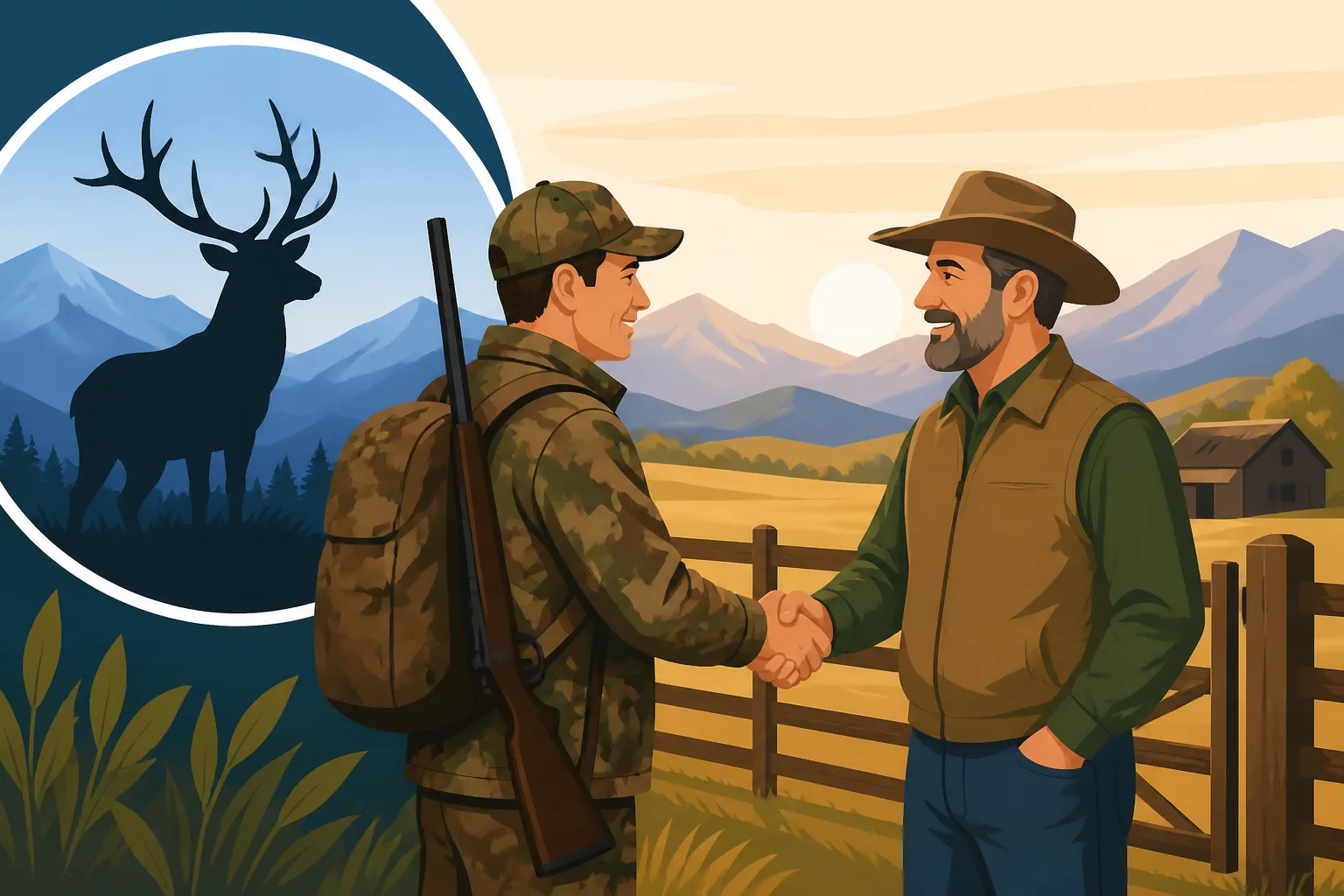
How to Get Landowner Permission in Montana
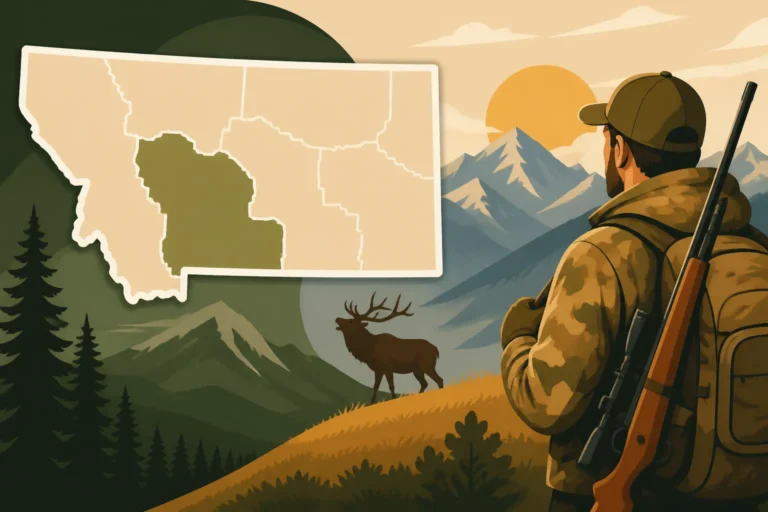
For many hunters dreaming of chasing big game in Montana, the vast stretches of public land are certainly a draw, but let's be honest, the thought of untouched private ground often sparks a different kind of excitement. The challenge, of course, is gaining access to those prime private parcels, and that's where many hunters get stuck, feeling unsure about how to even approach a landowner. This guide is all about demystifying the process of securing landowner permission in Montana, offering practical, empathetic advice to help you respectfully navigate the world of private land hunting.
The Reality of Private Land Access in Montana
Hunting in Montana is a deeply ingrained tradition, and while our public lands are legendary, a significant portion of the state is privately owned. Many hunters, especially those new to the state or coming from out-of-state, quickly realize that some of the most consistent hunting, particularly for species like whitetail deer, and even elk and antelope in certain areas, occurs on these private holdings. Getting permission isn't just about finding a secret honey hole; it's often about finding less pressured animals and having a more controlled hunting experience.
Understanding Montana's Land Ownership Landscape
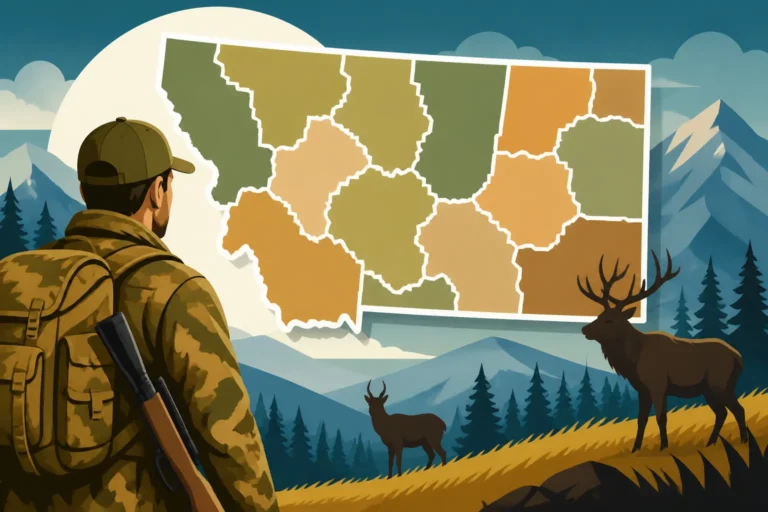
Montana is a patchwork quilt of land ownership. You'll find vast tracts of federal public land, including National Forests and Bureau of Land Management (BLM) property, interspersed with state lands, tribal lands, and a huge amount of private ranchland and agricultural ground. This intermingling of ownership means that even when you're hunting public land, you're often bordering private property, which can hold a lot of game or serve as critical escape cover.
Consider the eastern plains, for example, where antelope and mule deer thrive. While there are plenty of Block Management Areas and state lands, much of the habitat is privately owned, often by multi-generational ranching families. In the mountain valleys, elk frequently migrate between public and private lands, using private alfalfa fields for feed and timbered public slopes for cover. Navigating this mosaic effectively means understanding who owns what and, crucially, how to respectfully ask for access. It’s not just about knocking on a random door; it’s about understanding the specific dynamics of the area you want to hunt.
The Ethical Imperative of Asking Permission
Let's be clear: hunting on private land without explicit permission is trespassing, plain and simple, and it can have severe legal consequences. Beyond the law, it's an ethical violation that damages the reputation of all hunters. Landowners in Montana are often bombarded with requests, and a single negative experience can lead them to close their land to everyone.
Approaching a landowner requires a deep sense of respect and understanding. You are asking for a privilege, not asserting a right. This means respecting their property, their time, and their decision, whatever it may be. A polite "no" should be met with a gracious thank you, not an argument. Building trust with landowners is a long-term investment, and every hunter has a part to play in maintaining that relationship. This isn't just about your hunt; it's about protecting access for future generations and preserving a positive image of hunters in the community. Without this fundamental respect, the chances of securing access, let alone maintaining it year after year, dwindle to almost nothing.
Essential Preparations Before Making Contact
Before you even think about approaching a gate or knocking on a door, a significant amount of homework is required. Showing up unprepared not only wastes your time but also signals to the landowner that you might not be a responsible hunter. The more organized and knowledgeable you are, the better your chances of making a good first impression and, ultimately, gaining access.
Researching Land Ownership and Boundaries
The first and most critical step is figuring out exactly who owns the land you're interested in. This is where modern technology shines. Gone are the days of relying solely on plat maps in county offices (though those are still valid resources). Now, tools like onX Hunt are indispensable. This app allows you to overlay private and public land boundaries directly onto your phone or GPS device, showing landowner names and contact information in many cases.
Start by identifying areas that look promising for your target species, whether that's an alfalfa field holding a herd of elk, a coulee on the plains known for mule deer, or river bottom thickets where whitetails hide. Once you've pinpointed a few parcels, use onX Hunt to identify the landowner. Pay close attention to the boundaries; you need to know exactly which parcels are private and which belong to a specific owner. You don't want to ask for permission on land they don't own, or worse, accidentally trespass while scouting. This detailed research also helps you avoid approaching land that's already part of the Block Management program or leased out to an outfitter, saving you and the landowner time. Understanding the terrain, access points, and potential game movement before you even talk to the owner demonstrates initiative and professionalism. For more detailed information on digital scouting, check out our guide on How to E-Scout Montana Hunting Units.
Gathering Necessary Information and Materials
Once you've identified potential landowners, gather all the information you'll need and prepare your "application" to present yourself as a responsible hunter. This often includes:
- Your Contact Information: A legible card with your name, phone number, and email.
- Proof of Hunter Education: Especially important if you're a younger hunter or if the landowner expresses any hesitation. This shows you've been trained in safety and ethics.
- Current Montana Hunting License and Conservation License: Have these ready to show. It proves you're a legal hunter. You can find more details on Montana Base Hunting License Requirements.
- Specifics of Your Request: Be clear. Are you asking to hunt elk, deer, antelope, or multiple species? For how long? With what weapon (archery, rifle, muzzleloader)? How many people are in your party? Being vague is a red flag.
- Vehicle Information: Provide your vehicle's make, model, color, and license plate number. This gives the landowner peace of mind knowing exactly who is on their property.
- A Map: A printed map (perhaps from onX Hunt) showing the specific parcel you're interested in, and even marking proposed access routes or parking spots, can be incredibly helpful. This shows you've done your homework and clarifies your intentions.
- References (Optional but Powerful): If you have other landowners or local community members who can vouch for your character and responsibility, mention them. A local reference can open many doors.
Having all this prepared not only streamlines the conversation but also demonstrates that you are serious, organized, and respectful of their time and property. Think of it as presenting a professional proposal, not just a casual request.
| Preparation Step | Description | Why It's Important |
|---|---|---|
| Identify Target Parcels | Use mapping tools like onX Hunt to locate private land adjacent to public areas or known game habitat. | Focuses your efforts on likely areas and helps avoid requesting access on land already managed or leased. |
| Research Landowner Info | Determine the property owner's name and contact information. | Allows for direct, respectful contact and shows you've done your homework. |
| Gather Personal Credentials | Have your hunting license, conservation license, hunter education card, and driver's license ready. | Establishes you as a legal, responsible hunter from the outset. |
| Prepare Specific Request Details | Clearly state species, weapon, dates, number of hunters, and exact areas of interest. | Provides clarity for the landowner and avoids miscommunication. |
| Outline Vehicle Information | Note your vehicle's make, model, color, and license plate number. | Enhances landowner security and helps them identify who is on their property. |
| Create a Detailed Map | Print a map (e.g., from onX Hunt) highlighting the property, proposed access, and hunting zones. | Visually communicates your intentions and confirms your understanding of boundaries. |
| Consider References | Line up a local reference who can attest to your character (optional, but a strong advantage). | Builds trust and credibility, especially in close-knit rural communities. |
| Dress Respectfully | Present yourself in clean, presentable clothing (not hunting camo). | Shows respect for the landowner and their home; avoids looking like you're about to jump the fence. |
The Art of Making Initial Contact
This is often the most nerve-wracking part for hunters, but it doesn't have to be. Approaching a landowner with confidence, courtesy, and a clear purpose will significantly increase your chances of success. Remember, you're asking for a favor, and your demeanor is everything.
Timing and Approach Strategies
When it comes to approaching a landowner, timing can be everything. Showing up unannounced during dinner, haying season, or a family gathering is a surefire way to get a quick "no."
- Best Times: Generally, late morning (after chores but before lunch) or mid-afternoon (after lunch but before evening chores) are good windows. Weekends might be better for some, but many ranching families work seven days a a week, so be flexible. During the off-season, like late spring or summer, can be ideal before the rush of hunting season begins. This allows you to build a relationship without the immediate pressure of a hunt.
- Methods of Contact:
- In-Person (Preferred): This is almost always the best approach. It allows for a face-to-face conversation, where you can convey sincerity and answer questions directly. If there's a "No Trespassing" sign, do not proceed to the house without explicit instruction. Instead, try calling first.
- Phone Call: If an in-person visit isn't feasible, or if you're coming from far away, a polite phone call is the next best option. Again, be mindful of the time you call. State your name, where you're calling from, and your request clearly and concisely.
- Written Letter/Email: This can be effective for initial contact, especially if you can't find a phone number. It allows you to outline your request in detail. However, it lacks the personal touch of a direct conversation and might get overlooked. Use this as a last resort or a preliminary step before an in-person follow-up.
When you do approach in person, dress neatly and professionally, not in full hunting camouflage. You're trying to build trust, not look like you're ready to sneak onto their property. Park your vehicle in a visible, respectful spot, and if there's a dog, stay in your vehicle until the owner comes out or gives you the all-clear. Be patient; landowners are busy people.
What to Say and How to Present Yourself
Your "pitch" needs to be concise, polite, and reassuring. Start by introducing yourself and immediately stating your purpose in a non-demanding way.
"Hello, my name is [Your Name]. I'm a hunter from [Your Town/State], and I'm interested in hunting [specific species] on your property here. I noticed [mention a specific feature, like 'those big timber patches' or 'your alfalfa fields'] and was hoping to respectfully ask if you allow hunting."
Then, be prepared to present all the information you gathered in your preparation phase. Emphasize:
- Safety: "I am a very safety-conscious hunter, always aware of where homes, livestock, and fences are. I would never take a shot unless I was absolutely certain of my target and what's beyond it."
- Respect for Property: "I promise to leave gates as I found them, drive only on established roads or where you direct me, and absolutely will not litter. I understand this is your livelihood and home."
- Respect for Livestock: "I will give all livestock a wide berth and never harass or spook them."
- Flexibility: "I'm flexible on dates and areas, and I'd be happy to work around your schedule or any other concerns you have."
- Offer of Gratitude/Help: "If there's anything I can do to help out, like closing gates, checking fences, or just generally being an extra set of eyes on the property, I'd be glad to. I also like to share wild game meat, and would be happy to offer some if I'm successful."
Listen intently to their concerns and answer any questions honestly. If they say no, thank them for their time and move on gracefully. A positive, respectful interaction, even when permission is denied, leaves a good impression and might open doors down the road, or at least prevent them from closing doors to other hunters. Remember, many landowners have had bad experiences, so your job is to differentiate yourself as a responsible, ethical hunter.
Building and Maintaining Positive Relationships
Gaining permission is just the first step; maintaining that privilege is an ongoing commitment. A strong, positive relationship with a landowner can lead to long-term hunting opportunities and even friendships. Neglecting this relationship, however, can quickly lead to revoked access and a tarnished reputation.
Respecting Boundaries and Expectations
Once you've secured permission, consider yourself an invited guest, not an owner. This means adhering to every single rule and expectation the landowner sets, no matter how minor it may seem.
- Know Your Limits: Clarify exactly where you can and cannot hunt. If they specify "only the west 40 acres" or "stay away from the house and barns," stick to that religiously. Use your onX Hunt app to mark these boundaries if needed.
- Access Routes: Drive only on designated roads or trails. If it's muddy, ask if it's okay to walk in, or suggest a different route. Never open a gate without closing it behind you, or vice-versa, unless explicitly instructed. Livestock escaping is a huge headache for ranchers.
- Time of Day: If they ask you to be off the property by a certain time, or not to hunt during specific hours (e.g., during calving season), respect that.
- Harvest Limits: Some landowners might ask you to only harvest specific animals (e.g., antlerless deer, or not their "pet" big buck). Honor these requests, even if they differ from state regulations. This is their property, their rules.
- Guests: Clarify whether you can bring a friend or family member. Most permissions are granted to an individual. Never bring an unannounced guest.
- Reporting: If you see anything out of the ordinary—trespassers, downed fences, sick livestock, or even just general observations about game—report it to the landowner. It shows you care about their property.
Consistently demonstrating that you are trustworthy and respectful is the cornerstone of a lasting relationship. The landowner is entrusting you with a valuable resource, and you must prove yourself worthy of that trust. One misstep can ruin it for everyone, and remember, word travels fast in rural Montana.
Offering Value and Showing Gratitude
A simple "thank you" is good, but going above and beyond can solidify your relationship. Landowners appreciate gestures of goodwill and reciprocal respect.
- Post-Hunt Thank You: Always thank the landowner after your hunt, whether successful or not. A phone call, a handwritten note, or a small gift basket (local honey, homemade cookies, a gift card to a local store) goes a long way.
- Share the Harvest: Offering a package of elk steaks or a roast from a successful deer hunt is a traditional and highly appreciated gesture in Montana. It shows you value the opportunity they provided.
- Help with Chores: If you have the time and capability, offer to help with a task around the ranch, especially during the off-season. Fixing a fence, moving hay bales, or helping with a branding can be invaluable. Even just picking up trash you find (even if it's not yours) demonstrates you care.
- Maintain Contact: Don't just show up when you want to hunt. Send a card around the holidays, or check in occasionally to see how they're doing. This maintains the relationship throughout the year, not just during hunting season.
- Respect Their Privacy: Don't overstay your welcome, pry into personal matters, or make unreasonable demands. Keep your interactions professional and polite.
By offering value back to the landowner, you transform the relationship from a one-sided request into a mutually beneficial exchange. They gain a responsible presence on their land, and you gain continued access to prime hunting grounds. This is how true, lasting partnerships are forged in the Montana hunting community.
Alternative Avenues for Private Land Access
Sometimes, direct permission isn't possible, or perhaps you're looking for a more structured approach to private land hunting. Montana offers a couple of excellent alternatives that can still provide access to private property, often with less direct interaction with individual landowners.
Utilizing Block Management Areas
Montana's Block Management Program (BMP) is a fantastic resource that provides public hunting access to millions of acres of privately owned or state land across the state. Landowners enroll their property in the program, and in return, Montana Fish, Wildlife & Parks (FWP) helps manage hunter access, mitigate property damage, and often provides financial incentives.
- How it Works: BMP properties vary widely in size and rules. Some are "Type 1" areas where you can simply sign in at a box and hunt. Others are "Type 2" areas that require you to contact the landowner or local FWP office beforehand to obtain a permission slip, often with specific entry/exit times or harvest restrictions. This system allows landowners to manage the number of hunters and activity on their property while still contributing to public access.
- Finding BMAs: FWP publishes Block Management Guides annually, available online and at regional FWP offices, usually by late summer. These guides contain maps, landowner contact information (for Type 2 areas), specific rules, and open dates for each enrolled property. The FWP website also features an interactive map where you can search for BMAs by region or species.
- Advantages: BMAs offer an organized, legal way to hunt private land without the challenge of individual landowner negotiation. They often provide access to excellent hunting for deer, antelope, and sometimes even elk, particularly in the eastern and central parts of Montana. It's a structured system that benefits both hunters and landowners. To learn more about how this program works, explore our Montana Block Management Areas Explained guide.
- Considerations: Always read the specific rules for each BMA carefully. They can be very detailed, covering everything from allowed weapons to vehicle use and specific hunting zones. Failing to follow BMA rules can result in citations and jeopardize the entire program.
Considering Guided Hunts and Leases
For those who are unable to secure direct permission or prefer a more hands-off approach to private land hunting, guided hunts and private land leases are viable, albeit often more expensive, options. These avenues streamline access and often come with additional services.
- Guided Hunts on Private Land: Many Montana outfitters operate on private ranches, either through exclusive leases or long-standing relationships with landowners. Booking a guided hunt through a reputable outfitter often guarantees you access to prime private land, professional guidance, lodging, and sometimes even meals. This can be a great option for non-residents or those new to hunting in Montana, as the outfitter handles all the land access logistics. You can find more information on selecting a guide in our Montana Elk Hunting Outfitters Guide. Brands like GoHunt offer resources that can help you research outfitters and understand their offerings, including those that operate on private lands.
- Private Land Leases: For hunters with deeper pockets or those looking for a long-term, exclusive arrangement, leasing private land directly from a landowner is another possibility. Leases typically grant exclusive hunting rights for a season or longer, often for a significant fee. These agreements can be complex and should always be put in writing, detailing access, species, hunter numbers, and any specific land management or harvest agreements. This option allows for maximum control and privacy but requires a substantial financial commitment and careful legal consideration.
- Outfitters and Sponsored Tags: Some landowners who operate as outfitters can also sponsor nonresident hunters for certain limited-entry permits, offering another route to hunt private land that might otherwise be inaccessible. This is a highly competitive and specific process, but it's another way private land plays into Montana's hunting opportunities.
While direct landowner permission is the classic approach, Montana provides a spectrum of options for hunting private ground, each with its own benefits and considerations. Whether you're patiently building relationships, utilizing the Block Management program, or investing in a guided experience, the key is to approach private land with respect and a commitment to ethical hunting practices. This commitment not only secures your access but also helps preserve the hunting heritage in the Big Sky Country for all of us.
Disclaimer
The information provided in this guide is for general informational purposes only and does not constitute legal advice. Hunting regulations, license requirements, and land access policies in Montana can change frequently. Always consult the most current Montana Fish, Wildlife & Parks (FWP) regulations and official landowner information before planning any hunt. It is the hunter's responsibility to know and obey all applicable laws and to obtain explicit permission before entering any private land.