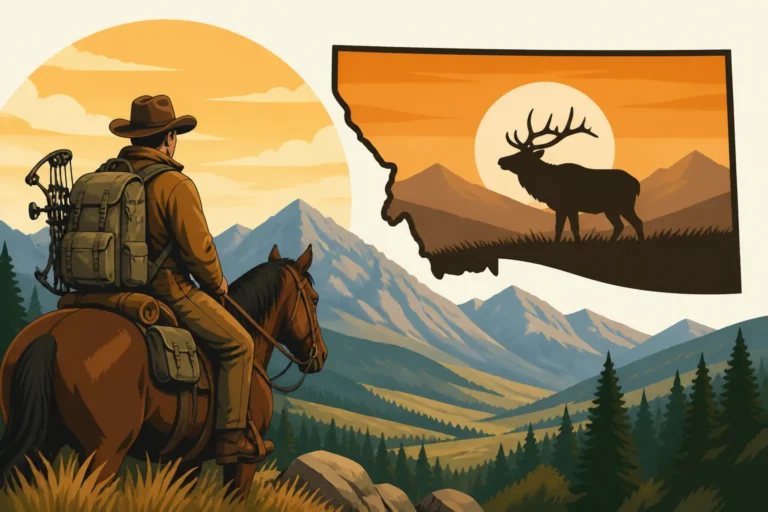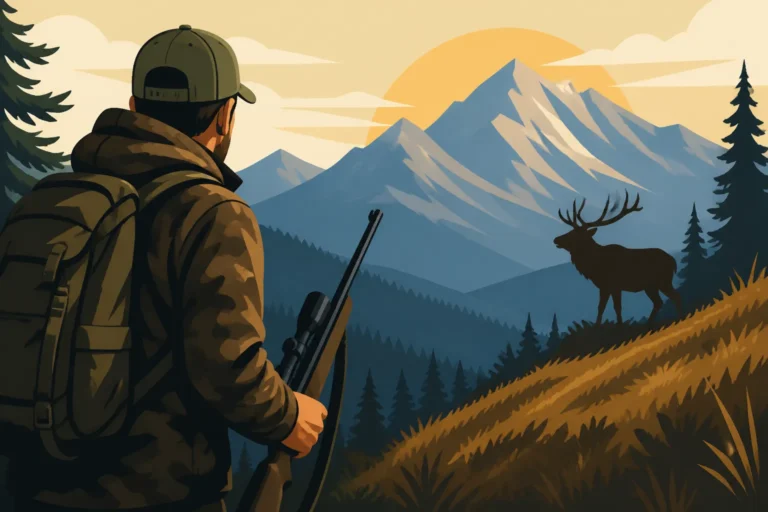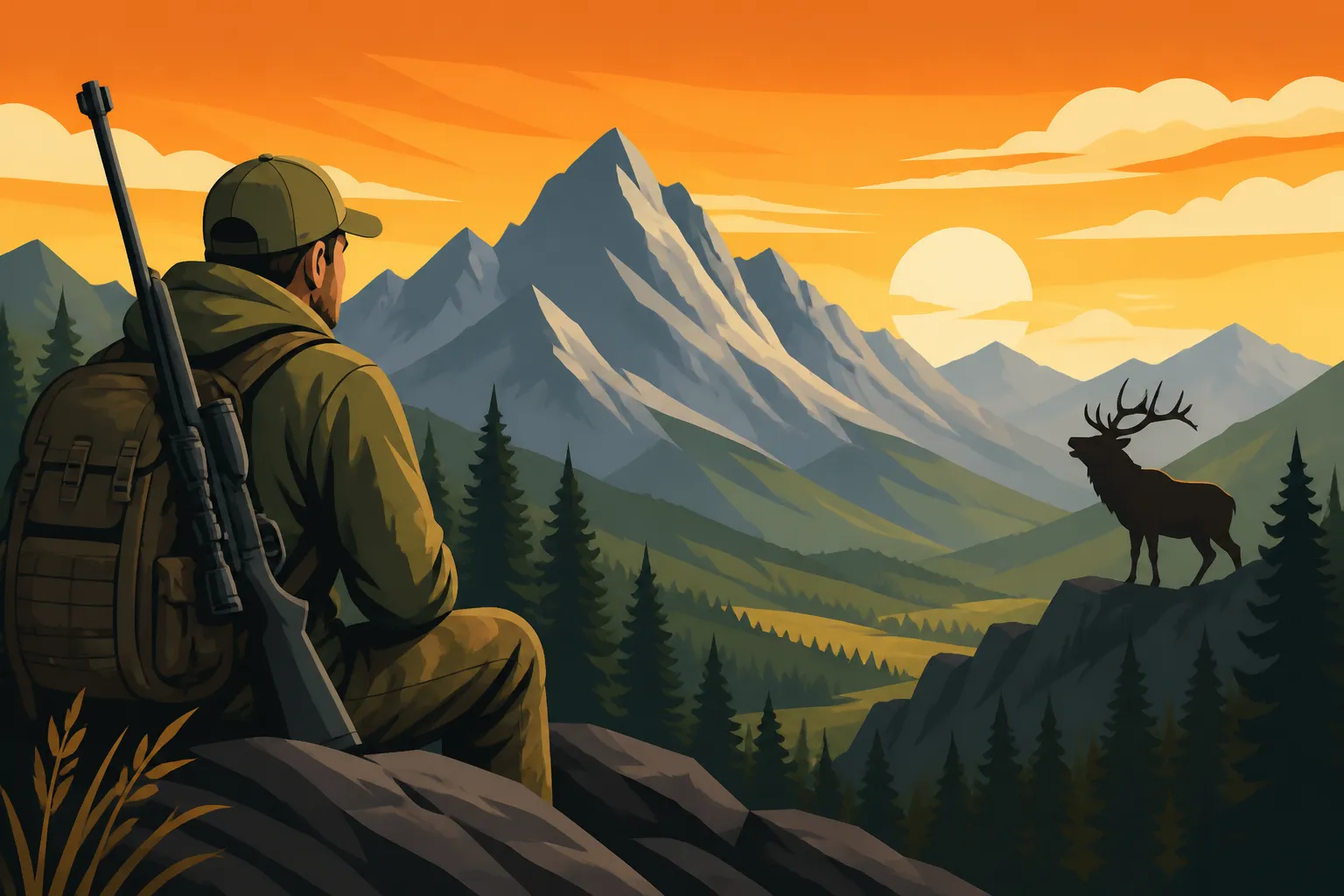
Bob Marshall Wilderness Hunting Guide
Thinking about a hunt in the Bob Marshall Wilderness often conjures images of untouched landscapes and legendary elk, but the sheer scale and remoteness can feel utterly overwhelming. Deciding where to start, what to pack, and how to even navigate such a vast, roadless expanse without getting lost or coming up empty-handed is a legitimate concern for any hunter. This guide is here to unravel the complexities of hunting in "The Bob," offering practical advice and deep insights to help you plan and execute a successful wilderness adventure.
Understanding the Bob Marshall Wilderness Complex
The Bob Marshall Wilderness Complex, often affectionately called "The Bob," isn't just a big chunk of land; it's a testament to wild Montana. Spanning over 1.5 million acres across three distinct wilderness areas—the Bob Marshall, the Great Bear, and the Scapegoat—this vast, roadless country is one of the largest intact ecosystems in the lower 48 states. For hunters, it represents a true challenge and an unparalleled opportunity to experience big game hunting as it was meant to be: raw, demanding, and incredibly rewarding.
What Makes "The Bob" So Unique for Hunters
What really sets The Bob apart is its sheer wildness. There are no roads, no motorized vehicles, and very limited permanent structures once you push past the trailheads. This isn't just public land; it's federally designated wilderness, which comes with a very specific set of rules and an undeniable aura of solitude. The terrain is incredibly diverse, ranging from dense lodgepole pine forests and expansive dark timber basins to wide-open, high-alpine meadows, dramatic river valleys carved by the Flathead and Sun Rivers, and jagged peaks that seem to touch the sky. This varied landscape provides habitat for a wide array of wildlife, making it a prime destination for those seeking a truly immersive experience.
The remoteness is a double-edged sword. While it guarantees minimal human pressure in many areas once you get deep enough, it also means that every aspect of your hunt, from navigation to packing out an animal, is exponentially more difficult. You’re entirely self-reliant out here. Water sources are generally plentiful, fed by countless creeks and rivers, but weather can change on a dime, especially during early archery or late rifle seasons, bringing anything from warm, sunny days to blizzard conditions. It's an arena where your preparation, woodsmanship, and mental fortitude are truly put to the test.
Regulations and Restrictions in a Wilderness Area
Hunting in a designated wilderness area like The Bob comes with specific regulations that go beyond standard Montana hunting laws. The primary governing principle is "leave no trace," but that extends to how you operate as a hunter. For instance, while you can hunt with a rifle or bow, many of the tactics you might use in less restricted areas are simply not allowed. You can't use ATVs or e-bikes to scout or retrieve game, nor can you rely on drones for scouting. Every step, every ounce of gear, and every pound of meat must be carried in and out by foot or on horseback. This is where a lot of hunters realize the true magnitude of a wilderness hunt; it's physically demanding and logistically complex.
Montana Fish, Wildlife & Parks (FWP) sets the general hunting season dates and regulations, but within The Bob Marshall Wilderness, there can be specific district rules or special permits required for certain species. For example, some elk hunting districts that overlap with the wilderness might have unique weapon restrictions or antlerless permit allocations. Always check the specific Montana Hunting Districts Explained and their regulations for your chosen unit within The Bob before you even think about packing a bag. Understanding the nuances of these regulations is paramount for a legal and ethical hunt, preventing costly mistakes or unintended violations. This adherence to wilderness ethics is not just about rules; it’s about preserving the very essence of what makes The Bob such a special place for generations to come.
Planning Your Expedition into the Bob Marshall
A successful hunt in the Bob Marshall Wilderness isn't just about drawing a tag; it's about meticulous, often year-long, planning. Without a solid strategy before you even set foot on the trail, you're setting yourself up for an incredibly tough, potentially unsafe, and likely unsuccessful trip. This isn't a place for last-minute decisions or winging it.
Essential E-Scouting and Map Study
Before you even think about lacing up your boots, you need to spend countless hours with maps. This is where modern tools like onX Hunt truly shine. You can zoom in on terrain features, identify potential bedding areas, glassing points, water sources, and travel corridors, all from the comfort of your home. Look for north-facing slopes with dark timber for bedding elk, especially later in the season. Identify benches and saddles that serve as natural travel routes between feeding and bedding areas. Mark historical fire scars, which can often be prime forage spots years after a burn, attracting elk. Pay close attention to elevation changes and contour lines; what looks like a gentle slope on a flat map can be a brutal climb in real life. GoHunt's mapping features can also be incredibly useful for overlaying public land boundaries and identifying access points.
Beyond digital maps, investing in high-quality paper maps, such as USGS topographic maps, and learning to read them without a GPS is absolutely non-negotiable. Batteries die, devices fail, and rain can render electronics useless. A physical map and compass are your ultimate backup. Identify major drainages and prominent peaks, which can serve as critical landmarks. Plot out potential routes, including bail-out options in case of emergency. Consider how you'll navigate through dense timber or cross swollen rivers. The more you understand the topography and lay of the land before you go, the more confident and efficient you'll be once you're on the ground. This detailed E-Scouting Montana Hunting Units can literally be the difference between a memorable hunt and a miserable one.
Physical Preparation and Logistics
Hunting in The Bob is an extreme physical challenge, perhaps one of the most demanding hunts you can undertake in the lower 48. Forget your flatland deer hunts; this is an entirely different beast. You will be climbing steep grades at high altitudes, often carrying heavy loads for miles, day after day. Therefore, a rigorous physical preparation regimen is absolutely crucial. Start months, even a year, in advance. Focus on cardiovascular fitness, strength training (especially legs and core), and hiking with a weighted pack. Simulating the demands of the hunt, like going on long, steep hikes with the same backpack weight you'll carry, is vital. Don't underestimate the mental toughness required either; pushing through fatigue, discomfort, and bad weather demands a strong will. Learn How to Physically Prepare for a Montana Elk Hunt to ensure you're up to the task.
Logistically, you need to think about how you'll get in and out, and how you'll pack out an animal. Many hunters opt for horses or mules to pack in their gear and pack out meat, but this adds another layer of complexity and cost. If you're going fully DIY and foot-powered, every item in your pack needs to be scrutinized for weight and necessity. Food, water filtration, shelter, and emergency supplies are non-negotiables. Consider your entry and exit points carefully. How far is the nearest town for supplies or medical help? Do you have an emergency contact who knows your exact itinerary? The more detailed your plan, the better equipped you'll be to handle the unexpected, which is almost guaranteed in a wilderness setting. Planning for a successful How to Pack Into the Montana Backcountry requires a deep dive into every single detail.
Key Game Species and Their Habitat
The Bob Marshall Wilderness is a wild animal's paradise, offering vast undisturbed habitat. While elk are often the primary draw, a diverse array of other big game species call this rugged country home, offering additional hunting opportunities for those prepared to earn them. Understanding where these animals live, what they eat, and how they behave is critical for finding success.
Elk Hunting in the Bob Marshall
Elk are the undisputed kings of The Bob, and hunting them here is a bucket-list experience for many. The sheer number of elk and the opportunity to pursue truly wild, unpressured animals in their natural element is unmatched. During the early archery season, especially during the rut, bugles echo through the valleys, creating an electrifying atmosphere. Elk will typically be found in high-elevation basins, especially in subalpine fir and spruce forests interspersed with open meadows, where they can feed on lush grasses and forbs. As pressure builds and seasons progress into rifle, they often retreat into dense, dark timber patches on north-facing slopes, seeking cover and security. These timber pockets, often referred to as "thermal sanctuaries," are where elk spend their days bedded, only emerging to feed in the evenings or move between areas.
Finding elk in The Bob requires tireless effort and a keen understanding of their movements relative to terrain, weather, and hunting pressure. They utilize steep slopes to escape predators and hunters, often moving uphill when disturbed. During the rifle season, after the initial opening day rush, elk quickly adapt and become incredibly wary, often moving entirely into the most remote, difficult-to-access pockets of timber. Locating fresh sign—tracks, droppings, rubs, and wallows—is paramount. Focus on saddles, benches, and creek bottoms that provide natural travel corridors between feeding and bedding areas. For a more in-depth look at chasing these majestic animals, check out our comprehensive Montana Elk Hunting Guide. Being able to read the landscape and predict where elk will move is a skill honed over time, and The Bob provides the ultimate classroom.
Mule Deer and Other Opportunities
While elk grab the headlines, The Bob also holds a respectable population of mule deer, particularly in the more open, broken country on the fringes of the dense timber and in high-alpine basins. Mule deer prefer more open, brushy slopes, timbered ridges with good sightlines, and areas with diverse vegetation. You'll often find them browsing on shrubs, forbs, and young tree growth. Early season archers might find bucks still in velvet in high-elevation summer ranges, while rifle hunters will target them as they begin to move towards lower elevations with the onset of colder weather and snow. Hunting mule deer here often involves significant glassing from high vantage points, meticulously picking apart distant hillsides and timber edges. Our Montana Mule Deer Hunting Guide offers more specific tactics.
Beyond elk and mule deer, the wilderness also offers limited opportunities for other species. Black bears are present throughout The Bob, typically found in areas with berry patches or near spring green-up zones. Moose, though rare and requiring highly coveted permits, can be found in willow bottoms and riparian zones. Mountain goats and bighorn sheep inhabit the highest, most rugged peaks and cliffs, and drawing a tag for these species is often a once-in-a-lifetime event. For all species, patience and a deep respect for the challenging environment are essential. Remember, any animal harvested deep in the wilderness will need to be packed out manually, adding significantly to the physical demands of the hunt.
Hunting Strategies for "The Bob"
Hunting in the Bob Marshall Wilderness demands a different mindset and approach than hunting closer to roads or in areas with easier access. This is true backcountry hunting, where your tactics must adapt to the wildness of the landscape and the challenges it presents.
Backcountry Tactics for Success
When you're miles deep in the Bob Marshall, your tactics must shift to match the environment. Forget about quick in-and-out day hunts; this is a place for spike camps and multi-day pushes. The most effective strategy is often to establish a comfortable base camp near a reliable water source, then make daily forays with lighter packs, setting up temporary spike camps in promising areas. This allows you to hunt deeper, stay longer, and react to animal movements without having to return to a distant main camp every night. Spot-and-stalk is a highly effective method in The Bob's more open country, especially for mule deer and during the archery elk season. From a high vantage point, use good optics to meticulously pick apart hillsides, benches, and timber edges. Once an animal is spotted, plan your approach carefully, always minding the wind and terrain. For more on this, check out our Montana Backcountry Hunting Guide.
Calling is another powerful tool, especially for elk during the rut. Learning How to Call Elk in Montana can significantly increase your odds. A well-placed cow call or bugle can often bring a bull crashing in, or at least help you locate a herd. However, be prepared to move quickly and quietly into position once you get a response, as those wilderness bulls are often cagey. Still-hunting, moving slowly and deliberately through timbered areas, is crucial for surprising bedded animals. Every step should be intentional, looking for horizontal lines in a vertical world, listening for the snap of a twig or the rustle of leaves. Remember, these animals are less pressured but still incredibly attuned to their environment. Your stealth and patience will be your greatest assets.
Dealing with Weather and Terrain Challenges
The Bob Marshall Wilderness is notorious for its unpredictable weather. A sunny morning can quickly turn into a raging thunderstorm, and early fall snowstorms are not uncommon. Being prepared for all conditions is not just about comfort; it's about survival. Pack layers of clothing, including waterproof and windproof outerwear. Always carry extra warm layers, even if the forecast looks mild. Hypothermia is a real danger. Our Montana Backcountry Hunting Gear List provides a comprehensive overview of what you'll need. Navigation is another significant challenge. The dense timber can disorient even experienced woodsmen, and trails can be faint, overgrown, or disappear altogether after a winter storm or avalanche. Always have multiple navigation tools, including a GPS device loaded with detailed maps (like onX Hunt), a satellite communication device (like a Garmin inReach or Zoleo), and the aforementioned paper map and compass.
The terrain itself presents physical obstacles beyond just steepness. River crossings can be treacherous, especially during spring runoff or after heavy rains. Fast-moving, cold water can sweep you off your feet. Always unbuckle your hip belt and chest strap before crossing, so you can ditch your pack if you fall. Look for wider, shallower sections, or downed logs. Avalanches are a risk in some areas during late-season hunts or early spring scouting, so understand the signs and avoid high-risk terrain. Bears, both black and grizzly, are prevalent. Carry bear spray, know how to use it, and practice proper food storage to minimize encounters. Staying hydrated and fueled is also critical. Always filter your water from natural sources and carry enough high-energy food to sustain you through arduous days. Ultimately, respect for the wilderness means being prepared for anything it throws at you.
Gear Essentials for a Wilderness Hunt
Your gear selection for a Bob Marshall Wilderness hunt isn't just about personal preference; it's about survival and functionality. Every item in your pack needs to justify its weight and serve a critical purpose. Cutting corners on quality or necessity here can have serious consequences.
Backpacks, Shelter, and Sleep Systems
When you're carrying everything you need on your back for days or even weeks, your backpack becomes one of your most important pieces of gear. You'll need a large-capacity pack, typically 65-85 liters, capable of comfortably carrying 50-80 pounds, and ideally with an integrated or expandable meat shelf. Brands like Mystery Ranch and Kifaru are popular choices among serious backcountry hunters for their durability, load-carrying capabilities, and thoughtful design. Look for adjustable suspensions, robust hip belts, and multiple compression straps to keep your load stable and close to your body. To learn more about selecting the right pack, see our guide on the Best Backpack for a Montana Elk Hunt.
Your shelter and sleep system must be able to withstand the unpredictable mountain weather. A lightweight, durable backpacking tent or a sturdy tarp shelter with a wood stove (for colder, longer hunts) is essential. Choose a tent that can handle strong winds and heavy precipitation. Your sleeping bag should be rated for temperatures significantly colder than what you expect, providing a buffer against sudden drops. A 0°F to 15°F rated bag is often a safe bet, even for early fall hunts at high elevations. Pair this with a high R-value sleeping pad to insulate you from the cold ground, which will greatly impact your warmth and recovery. For example, a reliable tent and a zero-degree bag from a brand like Big Agnes or Western Mountaineering can make all the difference when a surprise snowstorm rolls in.
Navigation and Safety Tools
As mentioned, reliable navigation is paramount. A high-quality GPS unit, such as a Garmin GPSMAP 66i or an inReach Mini 2, loaded with current topo maps and your pre-scouted waypoints, is indispensable. Couple this with a downloaded onX Hunt map on your phone or a dedicated tablet, and always carry a physical compass and paper maps as backups. Understand how to use all these tools proficiently before you leave home. A satellite communication device (like an inReach or Zoleo) is not optional; it's a lifeline. Cell service is virtually nonexistent deep in The Bob, so these devices allow you to send SOS messages, communicate with loved ones, and receive critical weather updates, even if you just need to let your spouse know you're okay.
Safety extends beyond navigation. A comprehensive first-aid kit, tailored to wilderness injuries, is crucial. Include items for cuts, blisters, sprains, allergic reactions, and pain relief. A water filter or purification tablets are non-negotiable for staying hydrated. Headlamps with extra batteries, fire starters (multiple methods), a knife, and cordage are also essential. Bear spray should be accessible and carried by everyone in your group. Finally, consider carrying a small repair kit for gear, as a torn backpack or sleeping pad can become a significant issue miles from the trailhead. Being prepared for minor mishaps can prevent them from escalating into major emergencies. For feet that can handle the rugged terrain, proper footwear is also a must; consider options discussed in our guide on the Best Boots for Montana Elk Hunting.
Sample Backcountry Hunting Gear List
Category Item Key Considerations ## Hunting the Bob Marshall: Your Comprehensive Guide
The Bob Marshall Wilderness Complex, affectionately known as "The Bob," represents the pinnacle of backcountry hunting in Montana. It’s an enormous, roadless expanse where you can truly unplug and immerse yourself in the wild, but it’s also a place that demands respect, meticulous planning, and robust preparation. Hunters venturing into The Bob are looking for an experience unlike any other—a chance to pursue big game in truly unpressured habitat, where success is earned through sweat, grit, and solid woodsmanship.
The Wilderness Frontier: What Exactly is "The Bob"?
Let's clear up some common misconceptions right off the bat. "The Bob Marshall Wilderness Complex" isn't just one big area; it's a massive collection of three distinct wilderness areas that are essentially contiguous: the Bob Marshall, the Great Bear, and the Scapegoat. Together, this behemoth spans over 1.5 million acres in western Montana. What does that designation mean for you as a hunter? It means no roads, no motorized vehicles, no mechanized equipment, and a philosophy of preserving the land in its primitive state. This isn't your average public land with easily accessible trailheads and a gas station nearby. This is true wilderness.
A Deep Dive into its Unique Geography and Ecosystem
The landscape within The Bob is incredibly diverse and jaw-droppingly beautiful. You'll encounter everything from dense, dark timber stands of spruce and fir, offering fantastic cover for elk, to vast, open alpine meadows that stretch up to the treeline. Below the alpine, the wilderness features intricate networks of river valleys, including the pristine Middle and South Forks of the Flathead River, and the Sun River, all carving through dramatic canyons and basins. Towering peaks, like the Chinese Wall (a 12-mile-long limestone escarpment), define the skyline. This varied topography creates an incredible mosaic of habitats.
For hunters, this means animals have abundant choices for food, water, and cover, which also means they can be anywhere. The remoteness translates to less human pressure once you venture a few miles from the main trailheads, allowing animals to follow more natural patterns. However, it also means that the terrain is relentless. Steep climbs are the norm, thick timber can become a maze, and river crossings can be challenging, especially during periods of high water. This is an ecosystem largely shaped by natural processes, including wildfire, which often creates prime new growth for forage years after a burn, attracting game.
Navigating the Rules: Wilderness Area Regulations for Hunters
Hunting within a federally designated wilderness area carries specific regulations that are even stricter than general Montana hunting laws. The overarching principle is "Leave No Trace," and this extends to every aspect of your hunt. You are not allowed to use mountain bikes, e-bikes, ATVs, or any other motorized or mechanized transport. All gear, supplies, and harvested game must be packed in and out by foot or via traditional stock animals like horses or mules. Drones are also prohibited for scouting or game recovery. These rules exist to maintain the wild character of the area, providing a truly primitive hunting experience.
Montana Fish, Wildlife & Parks (FWP) governs the specific hunting regulations for various species within The Bob Marshall Wilderness Complex. This includes season dates, bag limits, and any special permits required. It’s absolutely critical to consult the most current FWP regulations for the specific hunting district (or districts) you plan to enter. Some districts overlapping the wilderness might have unique archery-only designations, antler restrictions, or limited entry permits that differ from surrounding general units. For example, if you're eyeing a specific basin, verify its hunt code and any special provisions for that unit. Our Montana Hunting Districts Explained guide can help you decipher these codes and regulations. Adhering to these rules isn't just about legality; it's about respecting the wilderness and ensuring it remains a wild sanctuary for future generations of hunters.
Crafting Your Strategy: Planning Your Bob Marshall Adventure
A successful hunt in The Bob is won or lost long before you ever set foot on the trail. This isn't a place for casual ambition; it demands an almost obsessive level of planning, preparation, and physical conditioning. Without a solid strategy, you're not just risking an empty freezer; you're risking a miserable and potentially dangerous experience.
Pre-Hunt Reconnaissance: E-Scouting and Map Mastery
In an area as vast and unforgiving as The Bob, your pre-hunt scouting is arguably more important than any other aspect. Since you can't drive or ride an ATV to scout, technology becomes your best friend for initial reconnaissance. Tools like onX Hunt are invaluable for detailed e-scouting. You can spend hours poring over satellite imagery, topo lines, and public land overlays. Look for distinct terrain features: benches where elk might bed, saddles that funnel game, natural clearings or old burns that offer good forage, and consistent water sources. Pay close attention to north-facing slopes with dense timber, as these are often prime bedding areas, particularly as hunting pressure increases.
Don't just look for spots; look for routes. How will you get into an area? What's your backup route? What does the terrain look like if you have to pack out a heavy animal? You'll need to understand contour lines intimately, as a gentle slope on a digital map can easily translate to a lung-busting climb in reality. While digital maps are fantastic, always carry a set of physical, waterproof topographic maps and a compass. Batteries die, screens crack, and signals fail. Knowing how to navigate without electronics is a survival skill in this environment. Plot out potential spike camp locations, water sources, and emergency extraction points. This detailed pre-planning, including leveraging resources like How to E-Scout Montana Hunting Units, is your foundation for a safe and effective hunt.
The Human Element: Physical Conditioning and Logistical Challenges
Hunting in The Bob is less a casual stroll and more an extreme endurance event. You'll be climbing thousands of feet of elevation daily, often at high altitudes, and potentially carrying heavy loads of gear—and hopefully, meat—for miles through rugged, uneven terrain. Without dedicated physical preparation, you're setting yourself up for failure, injury, or simply giving up too soon. Your training regimen should start months, if not a year, beforehand. Focus on cardiovascular fitness through trail running, hiking, and stair climbing. Strength training, particularly for your legs, core, and back, is essential. Crucially, practice hiking with the same weighted pack you intend to carry, mimicking the conditions of your hunt. Many hunters attest that a good Montana Elk Hunt Fitness Plan is the key to enjoying the experience, not just surviving it.
Logistically, a Bob Marshall hunt is a puzzle with many pieces. If you plan to use stock, booking reliable packers (often years in advance) is a primary consideration. If you’re going fully DIY on foot, every ounce in your pack matters. Food planning must account for high caloric needs, weight, and ease of preparation. Water filtration is non-negotiable, and you should always know your water sources. Communications in The Bob are virtually non-existent for cell phones, so a satellite messenger (like a Garmin inReach or Zoleo) is an absolute must for emergency contact and weather updates. Consider your chosen entry point: Is it a heavily used trailhead, or a more remote, less maintained access? Planning for a successful How to Pack Into the Montana Backcountry involves anticipating every potential obstacle, from weather to gear failure, and having contingency plans in place.
The Wild Inhabitants: Game Species of The Bob Marshall
The Bob Marshall Wilderness is teeming with wildlife, offering diverse hunting opportunities. While elk are the primary draw, their sheer numbers and the chance to pursue them in an untamed environment make The Bob a world-class destination. Understanding the habits and preferred habitats of these animals is crucial for a successful hunt.
The Monarchs of the Mountain: Elk Hunting in The Bob
Elk hunting in The Bob Marshall Wilderness is legendary. The expansive habitat, coupled with limited human pressure deep in the wilderness, allows elk to thrive and exhibit natural behaviors often absent in more accessible areas. During the archery season, particularly the peak of the rut in late September, the valleys come alive with the sounds of bugling bulls. Elk will utilize high-elevation basins, often feeding in alpine meadows during cooler parts of the day and retreating to dense stands of subalpine fir and spruce for bedding and security.
As the season progresses into rifle, especially after the initial opening day, elk become incredibly wary. They'll gravitate towards dense, dark timber patches on north-facing slopes, often referred to as "thermal cover," where they can escape the wind and sun while remaining hidden. Finding these animals requires patience, skill, and often, an aggressive approach to get into their sanctuary. Locating fresh sign—tracks, droppings, rubs, and wallows—is paramount. Focus your efforts on saddles, benches, and creek bottoms that serve as natural travel corridors between feeding and bedding areas. The more you understand these patterns, the better your chances of encountering a truly wild bull. For a deeper dive into methods, exploring topics like How to Hunt Elk in Montana's Wilderness is highly recommended.
Beyond Elk: Mule Deer and Other Opportunities
While elk are the stars, The Bob also harbors a healthy population of mule deer, particularly in the more open, broken timbered slopes and high-elevation ridges. Mule deer prefer areas with a mix of open ground, scattered timber, and abundant browse like serviceberry, huckleberry, and aspen. Early season archers might find velvet-clad bucks in their summer high-country haunts, while rifle hunters will target them as they begin to move towards lower elevations with the first heavy snows. Glassing from high vantage points, meticulously picking apart distant hillsides and timber edges, is often the most effective tactic for locating mule deer in this expansive country. For more targeted advice on these magnificent deer, refer to our Montana Mule Deer Hunting Guide.
Beyond the deer and elk, other species add to the wilderness allure. Black bears are common throughout The Bob, often found foraging in berry patches during late summer and early fall or near spring green-up zones. Moose, though requiring a highly sought-after limited entry permit, inhabit the willow-choked riparian areas. For those with once-in-a-lifetime tags, mountain goats and bighorn sheep inhabit the steepest, most rugged peaks. Regardless of the species, remember that any animal harvested deep in the wilderness will present a significant physical challenge to pack out, so factor this into your hunting plan.
Masterful Tactics: Hunting Strategies for The Bob
Hunting in the Bob Marshall Wilderness isn't just about finding animals; it's about outsmarting them on their home turf, where they have all the advantages. This demands specific, backcountry-oriented strategies, a relentless work ethic, and an unwavering mental toughness.
Backcountry Hunting: Spike Camps and Relentless Pursuit
When you're many miles from the nearest road, your hunting strategy has to revolve around efficiency and maximizing your time in prime habitat. This often means establishing a comfortable base camp with your main supplies, and then pushing deeper into promising areas to set up spike camps. A spike camp is a minimalist overnight setup (a lightweight tent, sleeping bag, and essential food) that allows you to hunt far from your main camp, stay on fresh sign, and react to animal movements without a lengthy hike back. This strategy is key for hunting remote basins that might be a day's hike from the trailhead. It’s a true test of a Montana DIY Elk Hunting Guide.
Tactically, spot-and-stalk is highly effective in The Bob's more open country. Get to a high vantage point before first light and spend hours systematically glassing ridges, open slopes, and timber edges. Use powerful binoculars or a spotting scope to locate animals. Once an animal is spotted, meticulously plan your approach, always considering the wind, thermals, and terrain features that can provide cover. During the rut, calling can be incredibly effective for elk. Mastering How to Bugle for Montana Elk or how to use a cow call can draw an inquisitive bull right into your lap. However, be prepared to move quickly and quietly once a bull responds, using the terrain to your advantage to close the distance. In dense timber, still-hunting—moving at a snail's pace, pausing frequently to observe and listen—is often the best way to surprise bedded animals that might not be visible from a distance.
The Gauntlet: Dealing with Weather and Terrain
The Bob Marshall Wilderness is famous for its volatile weather. A clear, crisp morning can quickly transform into a full-blown blizzard, especially during the shoulder seasons. Being prepared for all weather conditions is not just prudent; it's a matter of survival. Always pack a robust layering system that includes moisture-wicking base layers, insulating mid-layers, and a bombproof waterproof and windproof outer shell. Even in early archery season, carrying warm gloves, a hat, and an extra insulating puffy jacket is a wise decision. Hypothermia is a constant threat in the mountains, and sudden temperature drops are common.
The terrain itself is a formidable opponent. Steep, rugged ascents and descents will test your physical limits. Dense, dark timber can disorient you, and faint trails can quickly vanish, especially after a heavy rain or snow. Navigation errors can be serious in such a vast, roadless area. Always have multiple navigation tools, including a reliable GPS, a downloaded onX Hunt map on your phone, and a physical compass and topo maps. A satellite communication device (like a Garmin inReach or Zoleo) is essential for emergency communications and weather updates, as cell service is nonexistent. River crossings can be treacherous, with strong currents and frigid water. Always unbuckle your hip belt and chest strap before crossing, and scout for the safest, shallowest point. Wildfires are a natural part of this ecosystem, and while they create new forage, they can also leave behind hazardous deadfall. Bears, both black and grizzly, are active; carry bear spray, know how to use it, and practice meticulous food storage. Staying hydrated and well-fed is critical to maintaining energy and focus through physically demanding days.
Equipping Your Expedition: Essential Gear for The Bob
Your gear choices for a Bob Marshall Wilderness hunt are paramount. Every item must be carefully considered for its weight, durability, and functionality. Cutting corners on quality or bringing unnecessary items can either compromise your safety or exhaust you prematurely.
Backpack, Shelter, and Sleep: Your Mobile Home
Your backpack is more than just a bag; it's your lifeline. You'll need a large-capacity pack, typically 65-85 liters, designed for heavy loads. Brands like Mystery Ranch and Kifaru are mainstays for serious backcountry hunters due to their robust construction, comfortable suspension systems, and load-hauling capabilities—especially when packing out meat. Look for packs with an external frame or a well-designed internal frame that can comfortably distribute weight on your hips. Our guide on the Best Backpack for a Montana Elk Hunt can offer more insights.
Your shelter and sleep system must withstand the unpredictable mountain environment. A lightweight, durable backpacking tent that can handle strong winds and heavy rain or snow is essential. For colder, longer hunts, some hunters opt for a sturdy floorless tarp shelter paired with a lightweight titanium wood stove, which provides warmth and drying capabilities. Your sleeping bag should be rated for temperatures significantly below what you expect, offering a crucial safety margin. A 0°F to 15°F bag is often recommended, even for early season hunts, due to the rapid temperature drops at high elevations. Couple this with a high R-value insulated sleeping pad to prevent heat loss to the ground, ensuring restorative sleep after grueling days.
Navigation, Safety, and Field Processing Tools
Reliable navigation is non-negotiable in The Bob. Carry a robust GPS unit (e.g., Garmin GPSMAP 66i), a smartphone with offline maps (like onX Hunt), and a power bank to keep devices charged. Critically, always have a physical compass and paper topographic maps (waterproofed) as backups, and know how to use them proficiently. A satellite communication device (e.g., Garmin inReach Mini 2, Zoleo) is not an optional luxury; it's a critical safety tool. Cell service is non-existent, and these devices allow for emergency SOS calls, two-way texting with loved ones, and receiving vital weather updates.
Your first-aid kit should be comprehensive and tailored for wilderness use, including items for trauma, blisters, sprains, and common ailments. Always carry bear spray and know how to deploy it quickly. Essential tools for field processing game include a sharp, sturdy knife (and a sharpener), game bags to protect meat from dirt and flies, and paracord for hanging meat. A water filter or purification tablets are crucial for staying hydrated. Headlamps with spare batteries, fire starters, and emergency signaling devices are also critical. Every piece of gear should contribute to your safety, comfort, and ability to hunt effectively and ethically in this challenging, yet incredibly rewarding, wilderness.
Disclaimer
Please remember that hunting is an inherently risky activity. This guide provides general information and recommendations but cannot account for all individual situations or unforeseen circumstances. Always prioritize safety, adhere to all local, state, and federal hunting regulations, and consider consulting with experienced local professionals or official wildlife agencies for the most current and specific advice before embarking on any hunting trip.