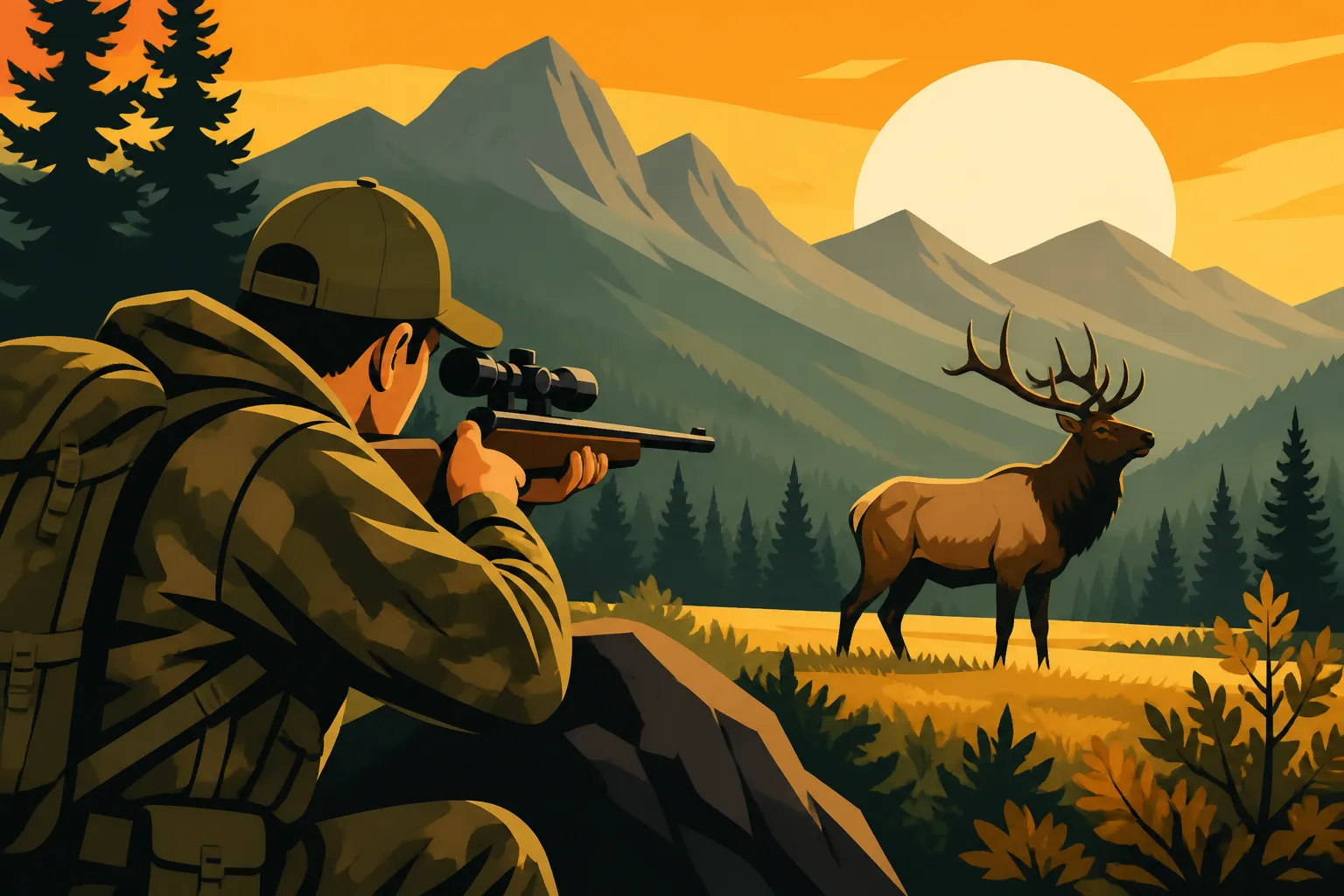
Hunting the Helena-Lewis and Clark National Forest
Hunting in the vastness of a National Forest can feel like an overwhelming task, especially when you're staring at maps that cover millions of acres, wondering where to even begin. The sheer scale can be daunting, making it easy to feel lost before you even step foot in the woods. This guide aims to demystify hunting the Helena-Lewis and Clark National Forest, breaking down its diverse landscape, key game species, and proven strategies to help you navigate its wild beauty and find success.
An Introduction to Hunting the Helena-Lewis and Clark National Forest
The Helena-Lewis and Clark National Forest (HLC) is truly a gem in Montana, encompassing nearly 3 million acres across central Montana. It's a land of incredible diversity, from the towering peaks of the Big Belt Mountains to the rolling foothills and vast timbered expanses. For many hunters, it represents the quintessential Montana experience: rugged terrain, abundant wildlife, and endless public access. But "public access" doesn't always mean easy access, and understanding this sprawling landscape is the first step toward a successful hunt.
Geographical Scope and Terrain Diversity
Imagine a forest that stretches across multiple mountain ranges, each with its own unique character. The HLC is exactly that, incorporating significant portions of the Big Belt, Little Belt, Elkhorn, and Judith Mountains, among others. This means hunters will encounter everything from dense, dark timber stands that hold elk tight to their beds, to open, windswept ridgelines perfect for glassing mule deer. You'll find high-elevation basins carved by ancient glaciers, steep canyons with rushing creeks, and more gentle, timbered slopes that transition into prairie lands. This incredible diversity is both a blessing and a challenge. It offers a wide range of habitats for various species but also demands a versatile hunting approach and a deep understanding of the specific area you choose to explore. The sheer scale means that while one district might be known for its high-country elk, another might offer better opportunities for whitetail deer in its river bottom areas.
Understanding General Access and Regulations
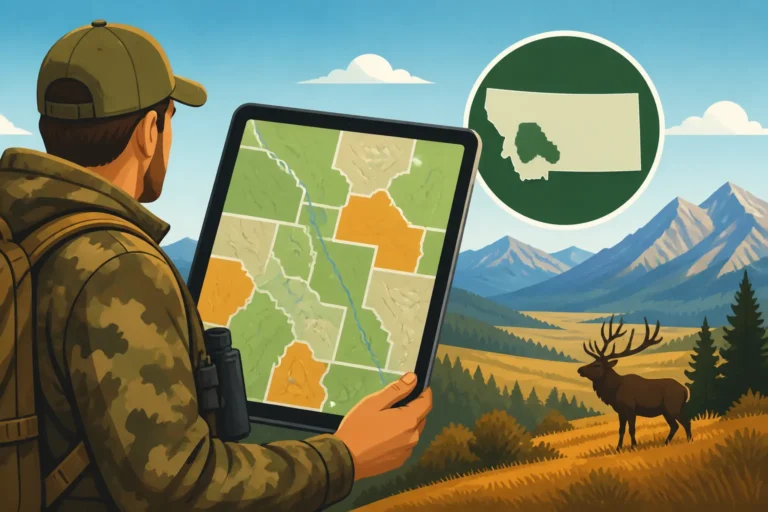
While the Helena-Lewis and Clark National Forest is predominantly public land, getting into the heart of it often requires effort. Many areas are roadless or have limited vehicle access, pushing hunters to rely on their legs, horses, or ATVs on designated trails. This can be a huge advantage for those willing to put in the work, as it often means less hunting pressure. However, it also means meticulous planning is essential. Before you even head out, you'll need to familiarize yourself with the Montana hunting seasons explained and specific regulations for the hunting districts within the HLC National Forest, as rules can vary regarding weapon types, season dates, and even whether a general tag or a special permit is required for certain species or areas. Apps like onX Hunt are invaluable here, providing detailed maps that show land ownership, roads, trails, and even terrain features, helping you understand where you can go and how to get there.
Key Species and Their Habitats in the HLC National Forest
The Helena-Lewis and Clark National Forest is a vibrant ecosystem supporting a rich array of big game. Knowing what you're targeting and understanding its preferred habitat within this diverse landscape is crucial for effective scouting and hunting.
Elk Hunting Opportunities
When people dream of hunting in Montana, elk often come to mind, and for good reason. The HLC National Forest is home to healthy elk herds, drawing hunters from across the country. These majestic animals thrive in the varied terrain, utilizing the thick timber for cover, high-elevation benches for feeding, and steep, north-facing slopes for bedding. During the archery season, particularly in September, you might find bulls bugling in the higher basins or dense timber pockets. As the rifle season progresses, elk often move to lower elevations or deeper into roadless areas as pressure mounts. Learning how to find elk in Montana dark timber or understanding their patterns in the high country is key. Many hunters find success employing spot-and-stalk methods in more open country or still-hunting through the timber, often in conjunction with calling tactics. This forest offers prime opportunities, but it demands physical fitness and a willingness to venture off the beaten path. For a deeper dive, check out our Montana Elk Hunting Guide.
Deer: Mule Deer and Whitetail
The HLC National Forest provides excellent hunting for both mule deer and whitetail deer, each preferring different habitats within the forest.
Mule Deer in the High Country
Mule deer are often the target of choice for those who love to glass expansive landscapes. In the HLC, you'll typically find them in the more open, high-elevation areas, on south-facing slopes, along rimrock, and in pockets of aspens and scattered pines. They prefer broken terrain where they can use their keen senses and camouflage to evade predators. Spot-and-stalk tactics are incredibly effective for mule deer, requiring patience and good optics to locate them from a distance before planning an approach. The vastness of the HLC means there's always new country to explore, offering a challenge and a rewarding experience for those who learn how to glass Montana's big country effectively. Learn more about specific tactics in our Montana Mule Deer Hunting Guide.
Whitetail Deer in Riparian Zones
While the high country dominates much of the HLC, its lower elevations and river bottoms provide excellent habitat for whitetail deer. These elusive deer prefer dense cover, often found along the major rivers and their tributaries that flow through or along the forest's edges, like the Blackfoot River, the Dearborn River, or the Smith River. Look for them in thick willows, cottonwood groves, and agricultural fields adjacent to forest land. Hunting whitetail in these areas often involves still-hunting through dense cover, setting up ground blinds, or using tree stands, particularly during the rut when bucks are on the move. Their nocturnal habits and preference for heavy cover make them a formidable opponent, but the reward of a mature Montana whitetail is well worth the effort. For more specific advice, our Montana Whitetail Deer Hunting Guide has you covered.
Black Bear and Other Game Opportunities
Beyond elk and deer, the Helena-Lewis and Clark National Forest offers opportunities for black bear hunting, both in the spring and fall. Bears are found throughout the forest, often frequenting berry patches, dense timber, and riparian areas. Spring bear hunting offers a unique experience as bears emerge from hibernation, often found on south-facing slopes feeding on new green growth. Fall bear hunting can be combined with other big game hunts, adding another exciting dimension to your trip. Additionally, the forest supports healthy populations of various grouse species, providing a fun upland hunting option if you're looking to round out your trip. Mountain lions are also present, though hunting them is a specialized pursuit often requiring hounds and specific permits.
Here’s a quick overview of primary species and their typical hunting environments in the HLC National Forest:
| Species | Primary HLC Habitat | Key Hunting Method(s) | Prime Time to Hunt |
|---|---|---|---|
| Elk | Dark timber, high basins, north slopes, drainages | Spot-and-stalk, calling, still-hunting | Archery & Rifle Seasons |
| Mule Deer | Open ridges, scattered timber, steep breaks, high country | Glassing, spot-and-stalk | Early Archery, Rifle Season |
| Whitetail | River bottoms, dense riparian cover, agricultural edges | Tree stand, still-hunting, ground blind | Rifle Season, especially Rut |
| Black Bear | Berry patches, dense timber, riparian corridors | Spot-and-stalk, baiting (where legal) | Spring (post-hibernation), Fall |
Strategies for Hunting Success in the HLC
Hunting the Helena-Lewis and Clark National Forest requires more than just showing up with a tag. It demands preparation, smart tactics, and the right gear. Success often comes down to how well you plan and adapt to the rugged environment.
E-Scouting and Physical Preparation
Before you even leave your couch, e-scouting is your most powerful tool. With vast areas like the HLC, you simply can't scout every ridge and draw in person. Tools like onX Hunt are indispensable for this, allowing you to pour over topographic maps, identify public land boundaries, mark potential bedding areas, feeding zones, and water sources. You can find hidden benches, potential travel corridors, and access points that might otherwise go unnoticed. GoHunt's Insider platform also provides valuable data on draw odds, unit breakdowns, and harvest reports, giving you insights into which areas might align with your hunting goals, whether it's a general elk tag or a more coveted permit. This kind of detailed virtual scouting helps you narrow down immense areas into manageable hunting blocks, creating a solid game plan before you even hit the dirt. If you want to learn more, read our guide on How to E-Scout Montana Hunting Units.
Beyond digital preparation, physical readiness is paramount. The HLC is not flat country. You'll be climbing steep grades, navigating fallen timber, and covering miles, often at elevations that can test even seasoned hunters. A robust fitness plan focusing on cardiovascular endurance, leg strength, and carrying weight will pay dividends. There's nothing worse than having to turn back from a promising ridge line because your body gives out. Preparing for high-country Montana hunting involves months of dedication, ensuring you're ready to tackle the terrain and pack out an animal if you're successful. Our Montana Elk Hunt Fitness Plan offers some great advice to get you started.
Effective Field Tactics and Environmental Awareness
Once you're in the field, success hinges on smart tactics and a deep understanding of your surroundings.
Glassing and Locating Animals
For much of the HLC's open and semi-open country, particularly for mule deer and often for elk, proficient glassing is a game-changer. This isn't just about looking through binoculars; it's about systematically dissecting terrain with high-quality optics. Find a vantage point, set up your tripod, and methodically grid likely areas – shaded slopes, pockets of timber, small clearings, and feed zones. Patience is key. Animals often appear as small specks or subtle movements, and it takes time and focused attention to pick them out.
Understanding Wind and Thermals
In mountainous terrain, wind and thermals dictate animal movement and, critically, your approach. Wind is generally predictable at a macro level, but thermals are more localized and shift throughout the day. In the mornings, cold air drains downhill, meaning thermals pull scent downwards. In the afternoons, as the sun warms the earth, thermals rise, carrying scent uphill. Hunting with the wind or thermals in your favor is non-negotiable, especially for wary animals like elk and deer. Learning how to use the wind hunting Montana elk and understanding how to use thermals in Montana elk country will dramatically increase your chances of getting close undetected.
Still-Hunting and Calling
For timbered country, especially when targeting elk, still-hunting is an art form. Moving slowly, one deliberate step at a time, pausing often to listen and observe, allows you to detect animals before they detect you. Pay attention to every snap of a twig, every distant rustle, and every patch of disturbed earth. When it comes to elk, calling can be incredibly effective, particularly during the rut. Bugles and cow calls can locate animals, draw them in, or stop them for a shot. However, over-calling or calling at the wrong time can also spook them. It's a delicate balance that comes with experience.
Gear Essentials for the HLC
The ruggedness and variability of the Helena-Lewis and Clark National Forest demand reliable gear. Good boots are perhaps the most critical item; invest in high-quality, broken-in hunting boots that offer ankle support and waterproofing. Our Best Boots for Montana Elk Hunting guide offers some excellent recommendations. A comfortable, sturdy backpack is essential, not just for carrying your daily essentials but also for packing out meat. Look for packs with good suspension and ample capacity. Check out our Best Backpack for a Montana Elk Hunt for details. Quality optics – binoculars, a spotting scope, and a rangefinder – are also non-negotiable for effective glassing and judging distances in this expansive landscape. Don't forget layers of clothing suitable for rapidly changing mountain weather, a reliable headlamp, navigation tools (like your onX Hunt app and a physical map/compass), and plenty of water and emergency supplies.
Navigating Regulations and Access in the HLC
The complexity of Montana's hunting regulations and the nuances of public land access can be a significant hurdle for many hunters. Understanding these aspects specific to the Helena-Lewis and Clark National Forest is crucial for a lawful and successful hunt.
Understanding Hunting Districts and Tag Requirements
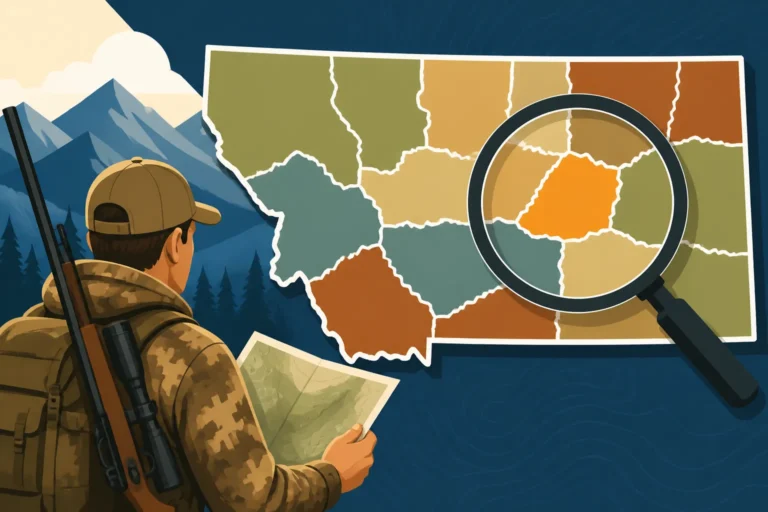
The HLC National Forest isn't a single, uniform hunting area; it spans numerous hunting districts (HDs), each with its own specific regulations. For instance, you might find yourself hunting in a 400-series district near the Little Belt Mountains, or a 300-series district if you're closer to the Elkhorns. Each of these districts will have its own rules regarding antlerless permits, general elk and deer tags, and special limited-entry permits. What's legal in one district for an antlerless deer might be prohibited in another. This is where diligent pre-hunt research is non-negotiable. Always consult the current Montana FWP hunting regulations for the specific hunt codes and requirements for the district you plan to hunt. You'll need to understand the difference between Montana General vs Permit Tags Explained, as many of the coveted elk or mule deer permits in high-demand districts are lottery-drawn. Our guide to Montana Hunting Districts Explained can offer a broader understanding of how these units are structured.
Access Points and Roadless Areas
While the Helena-Lewis and Clark National Forest boasts millions of acres of public land, easy access isn't always a given. Many areas are designated wilderness or roadless, meaning motorized vehicles are prohibited. This is where much of the unpressured hunting lies, but it requires a commitment to backpacking deep into the forest, often for multiple days. For those seeking a true wilderness experience, this is ideal, but it demands proper planning for backcountry hunting. Even outside of designated wilderness, Forest Service roads can be primitive, and some may be seasonally closed. Using detailed maps, particularly those available on onX Hunt, can help you identify open roads, designated trails, and landlocked public parcels that require walking through other public lands or securing private access. Remember, respecting private property boundaries, even when adjacent to public land, is paramount. This can often be the make-or-break factor in accessing prime spots. Our Montana Public Land Hunting Guide details more about finding and accessing these areas.
Respecting Private Land and Exploring Block Management
While the HLC is primarily public, its boundaries often adjoin private agricultural or ranch lands. It's crucial to know exactly where you are at all times to avoid trespassing. Modern mapping apps are incredibly useful for this, as they instantly show property lines and land ownership. On the periphery of the HLC, particularly in areas transitioning from forest to agricultural land, Montana's Block Management Areas (BMAs) can provide fantastic additional access. The Block Management Program allows private landowners to open their land to public hunting, often for specific species or during certain seasons, in exchange for state assistance. While BMAs might not be deep within the core of the National Forest, they can offer crucial access to pockets of game, especially deer, on adjacent private lands. Always check the FWP website for a list of available BMAs and their specific rules, as access methods (e.g., sign-in boxes, limited hunters per day) vary widely. Learn more about how to maximize these opportunities in our Montana Block Management Areas Explained guide.
Disclaimer
Please note that hunting regulations, season dates, and access policies in Montana can change frequently. While we strive to provide the most current and accurate information, it is always your responsibility as a hunter to consult the official Montana Fish, Wildlife & Parks (FWP) regulations prior to planning and undertaking any hunt. This guide is for informational purposes only and should not be considered a substitute for the official FWP regulations. Always prioritize safety, ethical hunting practices, and respect for wildlife and the land.