Montana Bighorn Sheep Season Dates and Tags
Dreaming of chasing a bighorn sheep across Montana's rugged mountains is a powerful vision, but getting a tag for this truly magnificent animal can feel like trying to win the lottery every year, for a decade. The reality is, drawing a bighorn sheep tag in Montana is one of the most challenging feats in North American hunting, shrouded in low odds, a complex application process, and years of dedicated effort. This guide is here to demystify the Montana bighorn sheep season dates, the intricate tag application process, and what it truly takes to even have a chance at this once-in-a-lifetime hunt.
The Pinnacle of Montana Hunting: Bighorn Sheep
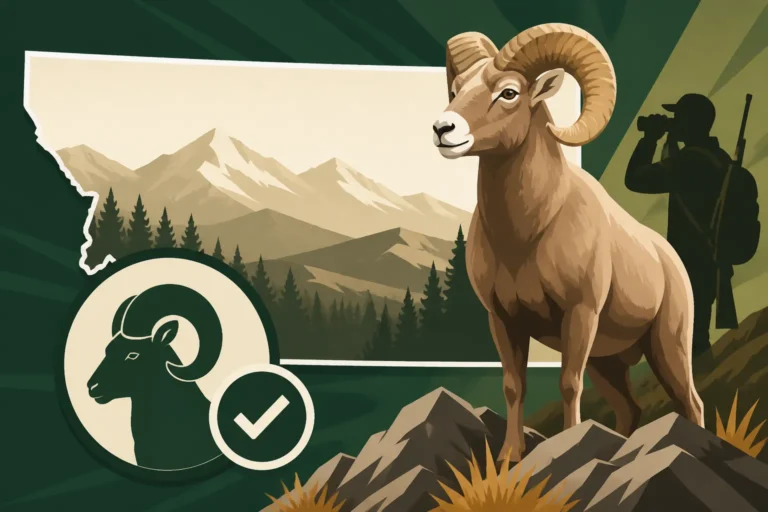
For many hunters, the bighorn sheep represents the absolute pinnacle of their pursuits. These incredible animals inhabit some of Montana's most breathtakingly steep and remote terrain, making the hunt physically demanding and the reward all the more profound. However, their populations are carefully managed, leading to extremely limited tag availability, which is the root of the intense competition.
Understanding Montana's Bighorn Sheep Populations
Montana is home to the majestic Rocky Mountain bighorn sheep, primarily found in the western mountainous regions. These herds require specific habitats, and their numbers are carefully monitored by Montana Fish, Wildlife & Parks (FWP) to ensure sustainable populations. Disease, predator control, and habitat loss are constant challenges, meaning FWP must be conservative with tag allocations. This conservation-first approach directly impacts how many hunting permits are issued each year, making every tag incredibly precious.
When FWP determines how many permits to offer, they consider herd health, ram-to-ewe ratios, lamb survival, and overall population trends within specific hunting districts. You'll find that districts with robust, healthy populations might offer a handful more tags, but even then, it's a tiny fraction compared to deer or elk permits. This careful management is why these hunts are so highly coveted and why the odds of drawing are so slim. It's about protecting the future of these iconic animals, even if it means most of us will spend years applying without success.
The Elusive Bighorn Tag: A Hunter's Quest
The quest for a Montana bighorn sheep tag isn't just a casual application; it's often a decade-long (or longer) commitment to building bonus points and hoping for a stroke of luck. Hunters dedicate years to learning the system, studying draw odds, and consistently applying, knowing full well that many will never draw one. It’s a hunt steeped in tradition and aspiration, but the dream comes with a dose of stark reality.
For non-residents, the challenge is amplified, with an even smaller quota of tags available. This creates an almost legendary status around those who successfully draw a bighorn tag, turning it into a true "once-in-a-lifetime" experience. Many experienced hunters use tools like the GoHunt Insider service to meticulously research specific districts, analyze historical draw odds, and plan their long-term strategy for this ultimate prize. They understand that every bit of data helps in this high-stakes game.
Montana Bighorn Sheep Season Dates and the Application Labyrinth
Getting a bighorn sheep tag involves navigating a specific calendar and a detailed application process. It’s not simply a matter of buying an over-the-counter tag; it’s a dedicated system built around limited entry permits.
Key Season Dates and Hunting Opportunities
Montana's bighorn sheep season dates typically run from early September through November, mirroring many other big game seasons. However, the exact dates and hunting methods (archery, rifle, or both) are highly specific to each hunting district. Some districts might have split seasons, with an earlier archery-only period followed by a general rifle season, while others might be general throughout.
Here's a general overview of the typical season framework, though always consult the current year's Montana FWP hunting regulations for precise dates, which can vary annually:
- Archery-Only Season: Often starts around the first week of September and runs for a few weeks. This period offers bowhunters a unique challenge and a chance to hunt before the general rifle season opens.
- General Rifle Season: Usually begins mid-September and can extend into late November. This is when the majority of bighorn sheep hunting takes place.
- Late Season Extensions: In some specific units, typically those with high permit numbers (which are exceedingly rare for bighorn sheep), there might be late-season opportunities extending into December, but these are exceptions.
It's critical to note that you can only hunt within the specific hunting district (or districts, if a permit covers more than one) for which you drew a tag. Crossing district boundaries, even slightly, with a bighorn sheep tag for another district is a serious offense. This level of precision underscores the scarcity and strict regulation of these permits.
Navigating the Montana Bighorn Sheep Application
The application process for a Montana bighorn sheep tag is a multi-step affair, and understanding each component is crucial. It requires foresight, attention to detail, and a commitment to applying year after year.
Prerequisites: Base Licenses and Conservation License
Before you can even apply for a bighorn sheep permit, you need to purchase a base hunting license and a conservation license. This is a non-negotiable first step for all hunters, resident and non-resident alike.
- Base Hunting License: This foundational license establishes your eligibility to hunt in Montana. For non-residents, this is significantly more expensive than for residents.
- Conservation License: A smaller, mandatory fee that contributes to Montana's wildlife management and conservation efforts.
These licenses are typically available for purchase starting in March. You can't apply for any special permits or draw tags without them. Think of them as your entry ticket to the lottery; without it, you're not even in the running. For a deeper dive into the overall licensing structure, you might want to read our guide on how to apply for a Montana hunting license.
The Bonus Point System
Montana uses a bonus point system for species like bighorn sheep (and moose and mountain goat). This system is designed to reward loyalty and persistence. For every year you apply for a bighorn sheep permit and are unsuccessful, you accrue one bonus point. When you apply the following year, your accumulated bonus points are squared. For example, if you have 5 bonus points, your name goes into the draw 25 times (5×5). If you have 10 points, you get 100 entries (10×10).
- How to Accrue Points: You must apply for the permit each year, even if you don't expect to draw. If you skip a year, you lose all your accumulated bonus points.
- Point Cost: You can purchase bonus points only, without applying for a tag, if you know you can't hunt that year but want to maintain your point accumulation. The cost for a bonus point is typically the same as the application fee for the permit itself.
- The Draw: When the draw happens, FWP assigns random numbers to each entry. The lower the random number, the better your chances. Because bonus points are squared, those with more points significantly increase their chances, though it never guarantees a tag.
This system means that hunters who have applied for many years have a much better chance of drawing than new applicants. It's a key reason why patience and consistent application are paramount for a bighorn sheep tag. Understanding how Montana preference points vs bonus points work is crucial for maximizing your chances across different species.
The Bighorn Sheep Permit Application Itself
Once you have your base licenses and understand bonus points, you'll specifically apply for the bighorn sheep permit (typically Permit 400 series).
- Application Period: The application period for bighorn sheep (along with moose and mountain goat) usually runs from late January through the first week of March. This is a strict deadline; missing it means missing out on a year of potential point accumulation and a chance at a tag.
- Application Fee: There is a non-refundable application fee associated with the bighorn sheep permit. This fee is paid each year you apply. For non-residents, the full cost of the bighorn sheep permit is typically charged upfront with the application, but it is fully refunded if you are unsuccessful in the draw (minus the non-refundable application fee).
- District Selection: You'll need to specify your hunting district choices. This is where strategic research comes in. Some districts have slightly better (though still extremely low) draw odds than others, often due to accessibility, sheep populations, or the number of permits offered. Tools like GoHunt's draw odds data are invaluable for making informed decisions on which Montana hunting districts to choose.
Here's a simplified breakdown of the application steps and associated fees:
| Item | Resident Cost (Approx.) | Non-Resident Cost (Approx.) | Notes |
|---|---|---|---|
| Base Hunting License | $8.00 | $15.00 | Prerequisite for all hunting. |
| Conservation License | $10.00 | $10.00 | Prerequisite for all hunting. |
| Bighorn Sheep Application Fee | $5.00 | $5.00 | Non-refundable, paid annually. |
| Bighorn Sheep Bonus Point | $5.00 | $5.00 | Optional, for point-only purchases. |
| Bighorn Sheep Permit Cost | $125.00 | $1250.00 | Charged upon drawing a tag. Non-residents usually pay upfront, refunded if unsuccessful (minus app fee). |
| Total (if drawn) | ~$148 | ~$1280 (incl. app fee) | This does not include non-resident combo license if applicable. |
Note: All costs are approximate and subject to change by Montana FWP. Always verify current fees on the official FWP website.
For non-residents, the costs can quickly add up, especially if you're also applying for other big game like elk or deer through a combination license. The full cost of the permit is substantial, but the dream of a Montana bighorn is worth the investment for many.
Strategies for Drawing a Montana Bighorn Sheep Tag
Given the extreme difficulty, you need a long-term strategy, not just a one-off application. Patience, persistence, and smart planning are your best allies.
Maximizing Your Bonus Points
The bonus point system is the cornerstone of any bighorn sheep draw strategy in Montana. Since points are squared, the more points you have, the exponentially better your odds become.
- Apply Every Single Year: This is the most critical piece of advice. Missing even one year means forfeiting all your accumulated bonus points, sending you back to square one. Set reminders, mark your calendar, or even use a service like GoHunt's application reminders to ensure you never miss the deadline.
- Purchase Points When You Can't Hunt: If you know you won't be able to make a bighorn sheep hunt even if you draw, consider purchasing a bonus point only for that year. This allows you to maintain and build your points without paying for the full permit upfront (for non-residents) or committing to a hunt you can't take. It's a strategic move to preserve your long-term investment. This is part of a broader strategy for how to build bonus points in Montana.
It's a waiting game, but a disciplined approach to bonus points is the only way to significantly improve your chances over time.
Analyzing Draw Odds and Unit Choices
Choosing which hunting districts to apply for is a critical decision. While all bighorn sheep units have notoriously low draw odds, some are statistically "easier" than others, primarily because they offer more tags or attract fewer applicants.
- Utilize Draw Odds Data: Services like GoHunt's Insider offer comprehensive draw odds data, breaking down success rates by resident and non-resident status, and showing how many points the successful applicants had. This information is gold for making informed choices. It helps you see which units might be "point sinks" (requiring a huge number of points to draw) and which might offer a slightly better chance.
- Understand Unit Characteristics: Research the specific units you're considering. What is the terrain like? How accessible is it? What are the FWP harvest reports showing for success rates and ram quality? A unit might have slightly better draw odds but be incredibly rugged or have very few mature rams. You need to balance the draw odds with the quality of the hunt once you actually draw. For example, some units in the Rocky Mountain Front might be highly sought after, but incredibly challenging to hunt, requiring significant physical preparation.
- Consider "Longshot" vs. "High Point" Units: Some hunters might throw a first choice at an extremely high-demand, low-tag unit for a trophy animal, and then use their second or third choices for units with marginally better odds. While the odds are still tiny, it's a way to play the game strategically. For more context on the general system, check out our guide on Montana Limited Entry Permits Explained.
This meticulous research helps you understand the nuances of the Montana elk draw odds by district, even for the most coveted tags like bighorn sheep.
Financial and Time Commitment Planning
A Montana bighorn sheep hunt isn't just a tag; it's a significant financial and time investment.
- Long-Term Budgeting: Factor in the annual application fees, bonus point costs, and eventually, the full permit cost (especially for non-residents). Over many years, these smaller annual fees can add up. Many hunters save up specifically for the year they might draw, knowing the permit itself is a significant outlay.
- Time Off and Physical Preparation: If you are lucky enough to draw, the hunt itself will demand considerable time off from work – often 10-14 days for a successful backcountry bighorn hunt. These hunts are physically grueling, often taking place in steep, remote wilderness areas. You will need to be in peak physical condition to navigate the terrain and pack out an animal. Our guide on how to prepare for high-country Montana hunting provides excellent insights into the fitness required.
- Gear Investment: The gear required for a high-country bighorn sheep hunt is specialized and expensive. High-quality optics, lightweight backpacking gear, durable boots, and appropriate clothing are essential. You can find more details in our Montana backcountry hunting gear list.
Being realistic about the costs, the physical demands, and the time commitment is vital. This is not a hunt to take lightly, and proper preparation, both for the draw and for the hunt itself, is paramount.
Disclaimer
The information provided in this guide is for general informational purposes only and is subject to change. Hunting regulations, season dates, and license costs are determined by Montana Fish, Wildlife & Parks (FWP) and can change annually. Always consult the official Montana FWP website and the most current hunting regulations before planning any hunting trip or applying for licenses and permits. Success in drawing permits or harvesting an animal is never guaranteed.